

What is Copper ?
Copper, a vital mineral distributed throughout the human body, plays a crucial role in physiological processes such as erythropoiesis, nerve cell and immune system maintenance, collagen synthesis, and acting as an antioxidant. It also aids in iron absorption and energy production.
Health Benefits of Copper: Exploring its Role in the Body
Copper’s Role in Cellular Function
Copper’s importance goes far beyond its everyday uses. Within our bodies, it acts as a multi-talented mineral, playing a vital role in several key functions:
- Red Blood Cell Production: Copper is essential for forming red blood cells, the oxygen transporters that keep your body energized.
- Collagen Synthesis: Copper promotes the production of collagen, the structural protein that provides strength and support to your skin, bones, and connective tissues.
- Cellular Energy Production: Copper acts as a coenzyme in numerous enzymatic reactions, ensuring the smooth operation of cellular energy production. This keeps your metabolic processes running efficiently.
Copper’s Contribution to a Healthy Immune System
Maintaining a robust immune system is crucial for overall health, and copper plays a significant part in its function:
- Supporting Immune Function: Copper plays a crucial role in supporting the body’s immune system. It facilitates the production of white blood cells, which are essential for identifying and eliminating pathogens, thereby combating infections and diseases.
- Mitigating Oxidative Stress: Copper possesses antioxidant properties that contribute to the neutralization of harmful free radicals. This process helps to mitigate oxidative stress, ultimately bolstering the body’s capacity to mount a robust immune response.
Copper’s Involvement in Energy Production
Your body’s cells rely on tiny power plants called mitochondria to generate energy. Copper acts like a conductor within these power plants, ensuring they function smoothly. Here’s how:
- Energy Engine Helpers: Copper is critical for specific enzymes found inside mitochondria. These enzymes act like tiny machines, breaking down nutrients and oxygen to create the energy molecule your cells need to function (ATP). Without enough copper, these “machines” struggle to work efficiently, leading to decreased energy production.
- Cellular Bodyguards: Copper also supports an antioxidant enzyme within the mitochondria. This enzyme helps neutralize harmful molecules called free radicals, protecting your cells from damage.
Copper: Keeping Your Fat Cells In Check
Imagine your body’s fat cells as storage units. They hold onto extra energy for when you need it. But these storage units also need to be managed effectively. Here’s where copper comes in:
- Powering Fat Cell Processes: Like all cells, fat cells need energy to function properly. Copper acts like a conductor within their mitochondria (tiny power plants) ensuring they can break down nutrients and oxygen to create energy.
- Fat Breakdown: Interestingly, research suggests copper may also influence how fat cells store and release energy. Some studies suggest that sufficient copper levels might help promote the breakdown of fat for fuel, potentially aiding in weight management. However, more research is needed to fully understand this connection.
Copper: A Two-Faced Player in Cancer
Cancer cells are like rebels in the body, wanting to grow and spread at all costs. Copper plays a complex role in this fight:
- Fueling Cancer Growth: Normally, cells use a clean and efficient way to generate energy. But cancer cells often switch to a “dirtier” way, called aerobic glycolysis. Copper can help cancer cells maintain this less efficient system, providing them with the fuel they need to grow.
- Helping Cancers Build Blood Vessels: Tumors need blood vessels to deliver nutrients and oxygen. Copper can help stimulate the growth of these blood vessels, allowing cancers to expand further.
- Targeting Cancer Weaknesses: The way cancer cells handle copper can be a weakness. Certain medications called copper chelators can “steal” copper from cancer cells, disrupting their energy production and blood vessel growth. These medications are being explored as potential cancer treatments.
- Attacking Cancer Cells Directly: Some copper compounds can directly damage cancer cells by creating harmful molecules and interfering with their internal processes. Researchers are exploring these as potential new therapies.
Maintaining Copper Balance: A Delicate Dance
Your body has a clever system for managing copper levels. It absorbs copper from your diet and transports it to the liver, where it’s incorporated into a protein called ceruloplasmin. This protein then delivers copper to various tissues throughout your body. Excess copper is eliminated through your bile.
This system aims for a delicate balance. Too little copper can lead to health problems, while too much can be harmful. Dietary factors, along with certain medical conditions, can influence how your body absorbs and excretes copper.
Sources of Copper: Natural and Dietary Sources
Dietary Sources of Copper
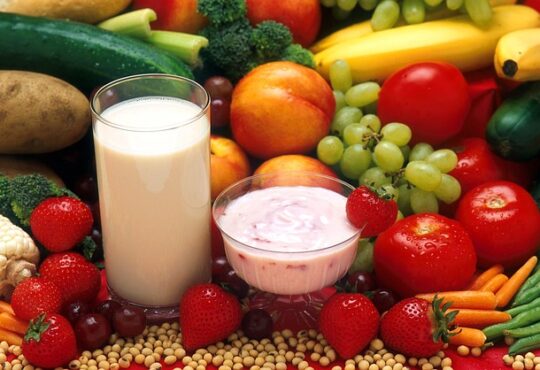
Copper is naturally found in a variety of foods, making it easy to incorporate into your diet. Here are some excellent sources:
- Seafood: Oysters, shellfish, and some fish are particularly rich in copper.
- Organ Meats: While not for everyone, organ meats like liver are a concentrated source of copper.
- Nuts and Seeds: Cashews, sunflower seeds, and sesame seeds are all good sources of copper.
- Whole Grains: Opt for whole-grain options like brown rice and quinoa for a copper boost alongside fiber.
- Legumes: Beans, lentils, and chickpeas contribute to your daily copper intake.
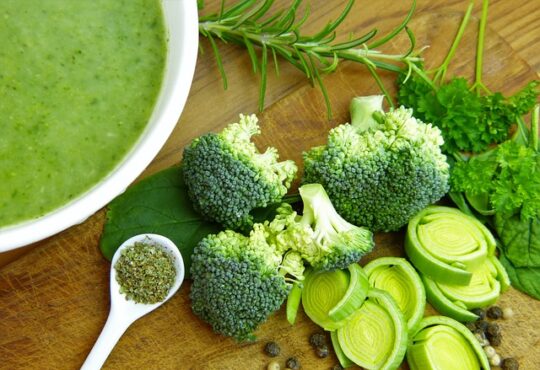
- Vegetables: Don’t underestimate vegetables! Potatoes, mushrooms, and leafy greens all contain copper.
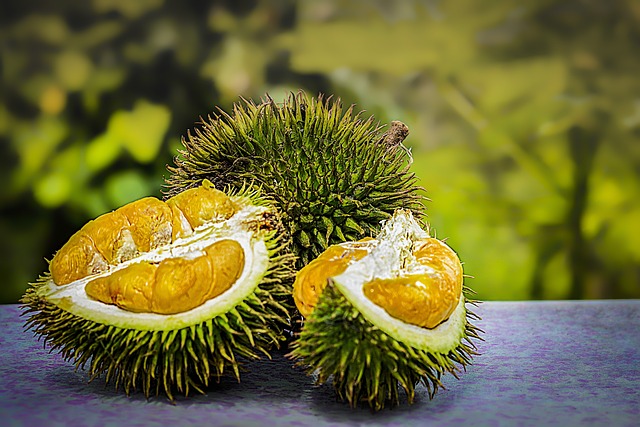
- Fruits: Durian ( 0.2mg of copper per 100g), Avocados, Guavas, Pomegranate, Blackberries, Kiwifruit, Mangos, Pineapple
- Dark Chocolate: In moderation, dark chocolate can be a source of dietary copper.
Natural Sources of Copper
Natural Malachite Extract is primarily utilized in skincare products, particularly in formulations designed to improve skin health and appearance. It is commonly found in various skincare products such as:
- Serums: Malachite extract is often included in facial serums aimed at providing antioxidant protection and promoting collagen production.
- Moisturizers: Skincare creams and lotions may contain malachite extract to enhance hydration and support skin barrier function.
- Face Masks: Malachite-infused face masks offer a concentrated dose of copper for revitalizing and rejuvenating the skin.
- Eye Creams: Products targeting the delicate skin around the eyes may incorporate malachite extract to reduce the appearance of fine lines and wrinkles.
- Anti-Aging Formulations: Malachite extract is a common ingredient in anti-aging products due to its ability to stimulate collagen production and improve skin elasticity.
Diverse Copper-Rich Foods for a Balanced Diet
To obtain recommended amounts of copper, diversify your diet with the following foods rich in this essential mineral:
- Tofu, avocados, potatoes, and mushrooms.
- Wheat-bran cereals and whole-grain products
- Nuts (such as cashews), seeds (such as sesame and sunflower), and chocolate
- Shellfish like oysters and beef liver
Dietary Recommendations for Copper Intake
The recommended daily intake of copper for adults is around 900 micrograms. However, individual needs may vary, so it’s essential to consult with a healthcare professional or registered dietitian to determine the right amount for you. Maintaining a balanced diet that includes copper-rich foods can help you meet your dietary requirements naturally.
Symptoms and Risks of Copper Deficiency
While copper is essential for our health, deficiencies can occur. Symptoms of copper deficiency may include anemia, fatigue, weakened immune function, and poor wound healing. In severe cases, it can lead to neurological problems. However, copper deficiency is relatively rare and is more commonly seen in individuals with certain medical conditions or those who have undergone gastric bypass surgery.
Effects of Copper Excess in the Body
While copper is necessary, too much of a good thing can have its downsides. Excessive copper intake can lead to copper toxicity, resulting in symptoms such as nausea, vomiting, abdominal pain, and even liver damage. It’s essential to strike a balance and avoid excessive supplementation unless specifically advised by a healthcare professional.
Balancing Copper Intake for Optimal Health
Maintaining a healthy copper intake involves finding the sweet spot between deficiency and excess. By incorporating copper-rich foods into your diet and being mindful of your overall intake, you can help ensure that you enjoy the health benefits of this essential mineral without any unwanted side effects.
(FAQs) about Copper and its Health Effects
- Is it possible to get enough copper from diet alone? Yes, it is absolutely possible to meet your copper needs through a well-balanced diet. Copper-rich foods include nuts, seeds, whole grains, legumes, shellfish, and dark leafy greens, among others. By incorporating these foods into your meals, you can ensure adequate copper intake without relying on supplements.
- Can copper supplements be beneficial? While getting copper from your diet is generally preferred, copper supplements can be beneficial for individuals with specific conditions or deficiencies. However, it’s important to consult with a healthcare professional before starting any supplementation. Copper supplements should only be taken under medical guidance to avoid excessive intake, as too much copper can lead to health problems.
- Are there any interactions or contraindications for copper intake? Certain medications, such as zinc supplements or medications that reduce stomach acid, may interfere with copper absorption. It is important to inform your healthcare provider about any medications or supplements you