



Taraxacum officinale, Dandelion, 蒲公英, Pissenlit, paardebloem, Löwenzahn, Одуванчик, Karahindiba, Løvetann, Maskros, Paardenbloem, Tarassaco, Diente de león, πικραλίδα, Túnfífill, الخس البري, طرخشقون, تمرزوكا
Overview of Taraxacum officinale
Often dismissed as a pesky weed, the common dandelion, scientifically known as Taraxacum officinale, holds a remarkable secret. Despite its reputation, this ubiquitous plant boasts a rich history of medicinal usage, offering promising health benefits, particularly for liver function.
Historical Healing: Unraveling the Dandelion’s Past
Beyond its role as a lawn nuisance, dandelions have served as a natural remedy for centuries. Historical records document their extensive use in traditional medicine, prompting modern scientific exploration into their chemical composition and potential therapeutic properties, with a particular focus on liver health.
A Worldwide Wonder: The Dandelion’s Global Influence
The dandelion’s influence transcends borders and continents, with evidence of its utilization stretching back to ancient civilizations like Greece and Rome. Renowned for its liver-detoxifying capabilities and diuretic properties, this plant has become a botanical icon, thriving across diverse regions of North America, Europe, Asia, and Africa. Its widespread presence underscores its enduring significance in cultures worldwide.
Dandelion: Nature’s Chemical Powerhouse
Taraxacum officinale, the common dandelion, goes beyond its sunny facade. This tenacious plant is a rich source of various bioactive compounds with potential health benefits. Let’s delve into its impressive chemical makeup:
- Phenolic Acids: Dandelion boasts a wealth of phenolic acids like chicoric acid and chlorogenic acid. These compounds belong to a larger group called phenolics, known for their antioxidant properties.
- Flavonoids: The plant is abundant in flavonoids, particularly luteolin derivatives and quercetin. Flavonoids are another class of antioxidants with diverse health benefits. We can further include apigenin, another flavonoid found in dandelion, which also possesses antioxidative properties and plays a crucial role in plant growth and defense.
- Terpenes: Dandelion contains terpenes, a large and diverse group of organic compounds. Notably, it contains sesquiterpenoids like taraxinic acid, germacranolides, and eudesmanolides, which exhibit anti-inflammatory and antibacterial activities.
- Essential Oils: Adding to its complexity, dandelion contains essential oils. These oils contain compounds such as 1,3-dimethylbenzene and heneicosane, known for their aromatic properties and potential therapeutic effects.
- Triterpenoids and Sterols: Dandelion contains another group of beneficial compounds called triterpenoids. These include pentacyclic triterpenoids like taraxasterol and β-sitosterol, known for their anti-inflammatory and antioxidative effects.
- Coumarins: Finally, dandelion contains coumarins, a class of compounds found in stems and leaves. Specific coumarin-based compounds like escin and scutellarin exhibit various biological activities, including anti-inflammatory effects.
In addition to these major components, dandelion also contains:
- Saccharides: These complex sugars, made up of simpler sugars like fructose, arabinose, and galactose, may contribute to the plant’s overall biological activity.
- Sphingolipids: Specific sphingolipids identified in dandelion include gynuramide II and phytolacca cerebroside, which may potentially contribute to its medicinal properties, although more research is needed to understand their exact role.
Dandelion: A Potent Herb for Overall Health
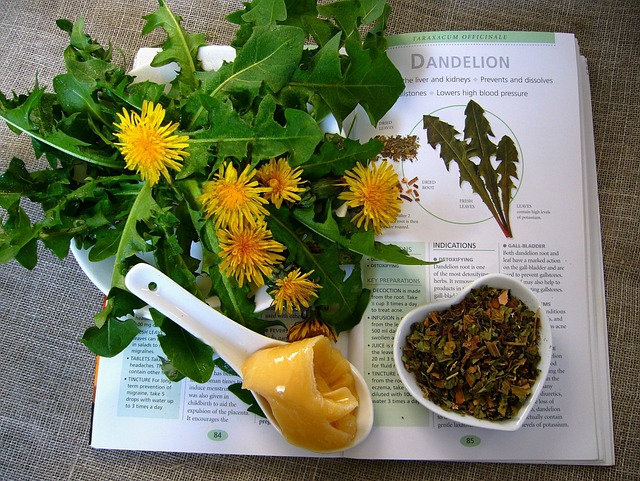
The common dandelion (Taraxacum officinale) is more than just a stubborn weed. This versatile plant boasts a range of potential health benefits, particularly for the liver and digestive system.
Liver Support and Detoxification:
- Traditional Uses: Dandelion root has a long history in folk medicine as a “liver tonic.”
- Modern Science: Studies suggest dandelion root may improve bile flow, potentially aiding in liver detoxification.
- Protective Compounds: Dandelion contains bioactive compounds like taraxasterol and luteolin, which may protect liver cells, reduce inflammation, and enhance detoxification.
- Regeneration Potential: Early research indicates dandelion root extract might help address liver fibrosis, suggesting a role in promoting liver regeneration.
Digestive Health Benefits:
- Anti-inflammatory and Antioxidant Power: Dandelion’s abundance of these substances makes it a potential aid in alleviating digestive issues with inflammatory components.
- Specific Effects: Chicoric acid, a key compound, reduces inflammation in intestinal cells.
- Safer Alternative: Dandelion root is considered a non-toxic option with potential anti-cancer properties, compared to some conventional treatments.
Antioxidant and Heart Health Potential:
- Rich in Phenolic Compounds: Dandelion’s phenolic content suggests antioxidant properties and potential benefits for heart health.
- Lowering Blood Pressure: Antioxidant protection may help regulate blood pressure by influencing nitric oxide synthase activity.
- Lipid Profile Improvement: Studies indicate dandelion may positively affect lipid profiles, suggesting a potential role in cardiovascular health.
Type 2 Diabetes Management (Early Research):
- Promising Compounds: Dandelion contains substances like chicoric acid and taraxasterol that show promise in managing Type 2 diabetes.
- Potential Mechanisms: Studies suggest taraxasterol may improve liver function and reduce inflammation, leading to lower blood sugar levels.
- Further Research Needed: More studies are necessary to confirm these effects in humans.
A Natural Anti-inflammatory Powerhouse
- Rich in Anti-inflammatory Compounds: Dandelions boast flavonoids and coumaric acid derivatives, key players in its anti-inflammatory effects.
- Combats Inflammation: These compounds work by inhibiting the release of inflammatory molecules and scavenging harmful free radicals, effectively reducing inflammation.
- Potential as Antimicrobial Agent: Studies suggest dandelion extracts may also fight various bacteria strains, adding another layer of defense.
- Targets Protein Receptor Signaling: This herb contains an organic acid that targets a specific protein receptor signaling pathway, crucial role in the innate immune system’s recognition of pathogens.
A Potential Ally in the Fight Against Breast Cancer
- Dual Threat: Studies indicate dandelion extract exhibits both anti-metastatic and anti-proliferation effects on breast cancer cells. This means it may hinder the spread of cancer and slow its growth.
- Synergy with Vitamin A: Combining dandelion extract with a derivative of vitamin A (ATRA) appears to be particularly effective in harming cancer cells.
- Multiple Mechanisms: The research suggests dandelion extract works through multiple pathways:
- Boosting p53 Levels: p53 is a tumor suppressor gene, and dandelion extract may increase its activity, hindering cancer cell growth.
- Decreased Interleukin-1 Beta (IL-1β) Expression: IL-1β is a protein linked to inflammation and cancer progression. Dandelion extract appears to suppress its production.
- MMP Regulation: MMPs (matrix metalloproteinases) play a role in cancer cell invasion and spread. Dandelion extract’s impact on MMPs varied depending on the cell type, requiring further investigation.
- Increased KAI1 and NM23 Expression: These genes may have tumor suppressor functions, and dandelion extract seems to influence their expression.
Promising Signs: Dandelion as a Potential Diuretic
A study explored dandelion’s (Taraxacum officinale) potential as a natural diuretic. The results were interesting:
- Increased Urination: Participants experienced a significant rise in urination frequency, especially after the first dose of dandelion extract.
- Boosted Fluid Elimination: The ratio of urine volume to fluid intake increased after the second dose, suggesting the extract may help the body eliminate fluids.
Dandelion Delights: From Field to Feast
The humble dandelion isn’t just a stubborn weed – it’s a culinary gem waiting to be discovered! Let’s explore the exciting world of dandelion cuisine:
Traditional and Modern Culinary Applications
Move over, kale! Dandelion is taking root (pun intended) in modern kitchens. Every part of the dandelion plant offers a unique taste experience:
- Leaves: These slightly bitter greens add a delightful complexity to salads. Balance the bitterness with a tangy vinaigrette or pair them with creamy cheeses for a delightful contrast.
- Flowers: Their vibrant yellow hue brightens up any dish! Enjoy them raw in salads or add a touch of sunshine to soups and stews.
- Roots: Roasted dandelion root boasts a rich, coffee-like flavor. Grind it for a unique caffeine-free beverage or use it to add depth to broths and stews.
Dandelion Dishes to Delight
Here are some easy recipes to incorporate dandelion into your meals:
- Dandelion Root Tea: Elevate your tea routine with a warm cup of dandelion root tea. Roast the roots before steeping for a deeper, richer flavor.
- Dandelion Root Coffee: Ditch the caffeine jitters! Craft your own dandelion root coffee. Harvest, wash, slice, and dehydrate the roots, then roast them twice for an intense, coffee-like aroma. Store the roasted roots in an airtight container for a handy caffeine-free pick-me-up.
- Dandelion Greens with Garlic: Embrace the earthy bite of dandelion greens. Sauté them in olive oil with a touch of garlic for a delicious and healthy side dish. Add a squeeze of lemon or a sprinkle of Parmesan cheese for an extra flavor boost.
- Sautéed Dandelion Leaves: Saute dandelion leaves in olive oil for a quick and simple veggie side. Wilt them for 2-3 minutes, season with salt and pepper, and enjoy their unique flavor.
- Dandelion Jelly: Capture the essence of sunshine by making dandelion flower jelly – a beautiful and unique addition to toast or cheese boards.
- Dandelion Fritters: Create crispy fritters using a tempura batter and dandelion flowers.
- Dandelion Pesto: Dandelion greens add a unique touch to classic pesto! Blend them with basil, garlic, pine nuts, Parmesan cheese, and olive oil for a vibrant and nutritious spread. Enjoy it on pasta, sandwiches, or grilled vegetables for a burst of flavor.
Dandelion: A Potent Herb, But Caution Advised
Dandelion (Taraxacum officinale) offers potential health benefits, but be aware of downsides:
- Allergic Reactions: While rare, some people, especially those allergic to Asteraceae family plants, may experience allergic reactions to dandelion. Symptoms can range from mild skin irritation to severe issues like swelling and breathing difficulty.
- Precautions and Contraindications:
- Consult a healthcare professional before using dandelion, especially if you have underlying medical conditions or take medications.
- Pregnant or breastfeeding women should avoid dandelion or exercise caution.
- Discontinue use and seek medical attention if you experience any adverse effects.