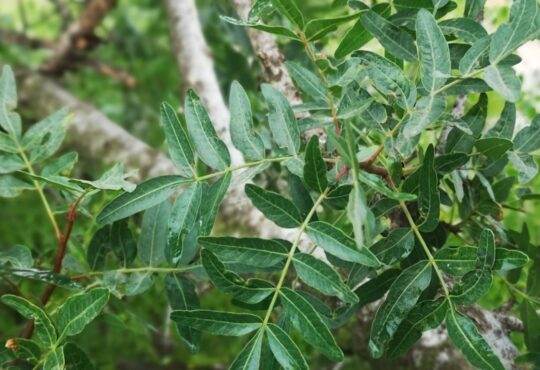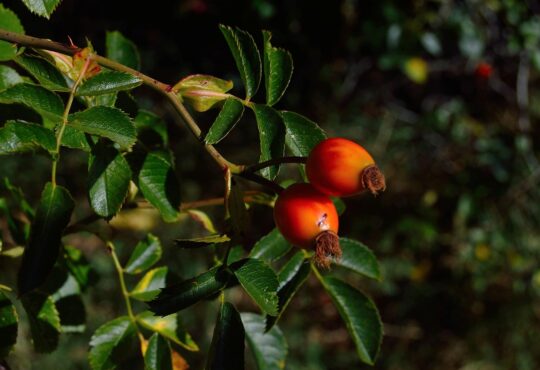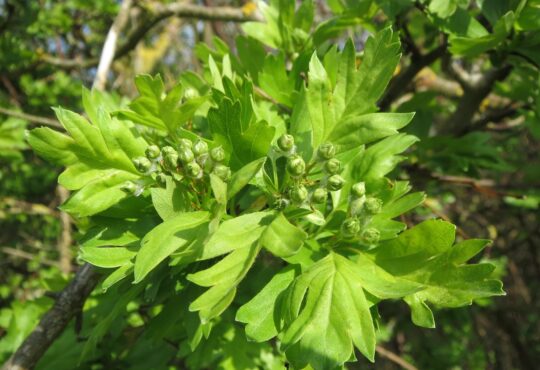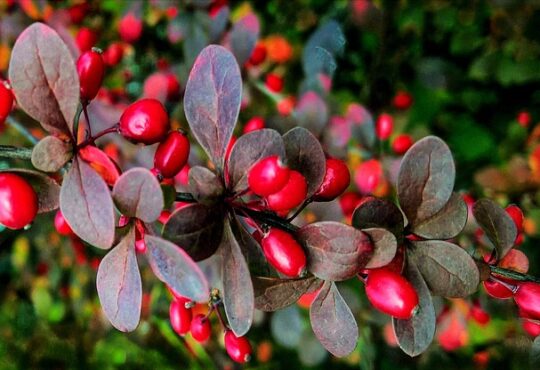


Sambucus nigra, Elderberry, توت البيلسان – الخمان, 黑接骨木果, Holunder, Sauco, Sureau, Kara mürver, Бузина, Σαμπούκος, Svartfläder, Vlierbes, Holunderbeere.
Elderberries: A Multifaceted Treasure
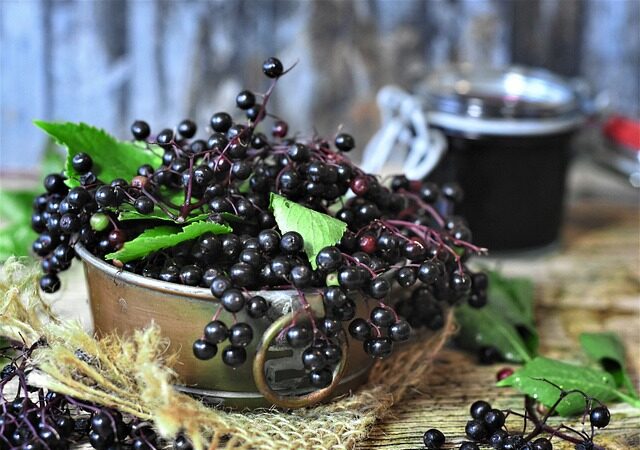
The elderberry, scientifically named Sambucus nigra, is a remarkably adaptable deciduous shrub belonging to the Adoxaceae family. It thrives in diverse climates and terrains across the globe, playing a vital role in various ecosystems.
- Ecological Significance: Elderberries play a crucial role in various ecosystems across Europe, Asia, and North Africa, contributing to biodiversity and ecosystem health.
- Culinary Versatility: From jams and syrups to pies and juices, elderberries add a unique flavor and depth to a wide range of culinary delights.
- Medicinal Uses: Traditional healers have long prized elderberries for their medicinal properties, using them to create herbal remedies like teas, syrups, and tinctures to treat various ailments.
- Historical Lore: Elderberries have been steeped in ancient folklore, believed to possess magical properties capable of warding off evil and bringing good fortune.
Elderberries: Raw vs. Cooked
Elderberries, derived from the Sambucus nigra shrub, offer a plethora of culinary delights and potential health benefits. However, ensuring their safe consumption requires discerning between raw and cooked forms. Here are key points to consider:
- Toxicity Concerns: Raw elderberries contain cyanogenic glycosides, such as sambunigrin, which can lead to gastrointestinal discomfort and adverse health effects if consumed uncooked. Symptoms may include nausea, vomiting, and abdominal pain. In severe cases, cyanide poisoning can occur, causing dizziness, difficulty breathing, and even coma.
- Safety Precautions: To enjoy elderberries safely, it’s crucial to thoroughly cook or process them to eliminate cyanogenic glycosides. Cooking or processing elderberries breaks down these compounds, rendering them safe for consumption. Common cooking methods include boiling, baking, or making jams and syrups. This precaution ensures the elimination of toxins and prevents potential health hazards associated with raw ingestion
Chemical Components: Nutrients and Benefits
Elderberries present a rich chemical profile, offering a harmonious blend of fragrant and beneficial elements. Let’s explore the key components:
Flowers:
- Volatile Compounds: These contribute to the characteristic muscat aroma of elderflowers.
- Alcohols: Benzyl alcohol and phenethyl alcohol are likely present, potentially influencing the fragrance profile.
- Esters: Esters derived from benzoic acid may contribute to the overall aroma and potentially offer some health benefits.
- Flavonol Derivatives: While the specific types of flavonol derivatives need further exploration, their presence suggests potential antioxidant and other bioactive properties in elderflowers.
Berries:
- Essential Oils: Elderberries do contain essential oils, which contribute to their aroma.
- Reducing Sugars: Elderberries naturally contain sugars, contributing to their sweetness.
- Flavonoids: Elderberries are rich in flavonoids, which act as antioxidants, providing potential health benefits.
- Anthocyanins: These compounds are responsible for the vibrant colors of elderberries and are associated with various health benefits, including cyanidin-3-glucoside and cyanidin-3-sambubioside.
- Pectin: Elderberries contain pectin, a type of dietary fiber.
- Tannins: Tannins in elderberries contribute to their astringency.
- Organic Acids: Elderberries contain organic acids like citric, malic, and tartaric acids, which contribute to their tartness.
Key Compounds and Their Functions
- Anthocyanosides: Potent antioxidants found in elderberries, helping to combat oxidative stress and inflammation.
- Carotene: Elderberries contain carotenoids, such as beta-carotene, which the body converts into vitamin A, essential for vision, immune function, and skin health.
- Sambucine: Likely a pigment responsible for elderberries’ rich color, enhancing their visual appeal and potentially offering additional health benefits.
Nutrients:
- Vitamin B12: Vital for red blood cell formation and nervous system function.
- Vitamin C: An essential antioxidant supporting immune function.
- Folic Acid: Critical for cell growth and development.
Other Plant Parts:
- Bark and Young Leaves: Yield triterpenes, choline, and trace alkaloids, potentially anti-inflammatory and beneficial for brain function.
- Leaves: Contain sambunigroside, a cyanogenic heteroside, with caution advised against consuming raw leaves due to potential cyanide release.
Health Benefits of Elderberry Consumption
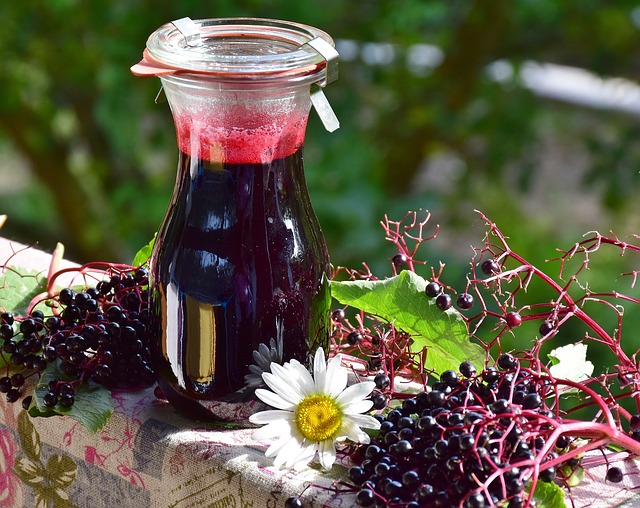
Elderberry has a rich history of medicinal uses. Traditionally, it was used as a laxative, diuretic, and pain reliever for conditions like constipation, kidney problems, and rheumatism. It was also used to aid wound healing. Today, elderberry is valued for its antioxidant and anti-inflammatory properties, which may contribute to overall health.
Therapeutic Uses of Elderberries:
- Addressing anasarca, nephritis, and rheumatism.
- Aiding in wound healing.
- Alleviating dry and obstructed coryza.
- Relieving stridulous laryngitis.
- Assisting in cases of suffocation without laryngitis.
- Providing antioxidant benefits.
- Offering anti-inflammatory effects.
Enhancing the Immune System:
- Key Players: Flavonoids (anthocyanins)**
- Function: Elderberry strengthens the body’s defenses against pathogens through its rich array of flavonoids, including anthocyanins. Carotenoids may also play a role in immune function, but more research is needed to confirm this specifically for elderberry. These anthocyanin compounds work to modulate the immune system, potentially reducing the risk of illness and promoting overall well-being.
Elderberry’s Antioxidant Power:
- Key Players: Phenolic compounds (anthocyanins), carotenoids (beta-carotene)
- Function: Elderberry’s antioxidant prowess is attributed to its phenolic compounds, primarily anthocyanins, and carotenoids like beta-carotene. These antioxidants neutralize free radicals, preventing cell damage and inflammation, thereby promoting cellular health and mitigating oxidative stress-related issues.
Seasonal Relief and Immune Boost:
- Key Players: Anthocyanins (cyanidin-3-glucoside, cyanidin-3-sambubioside)
- Function: Elderberry’s seasonal relief and immune-boosting properties stem from its abundant anthocyanins, including cyanidin-3-glucoside and cyanidin-3-sambubioside. These compounds hinder virus replication, shorten the duration of colds and flu, alleviate symptoms, and bolster the body’s defenses against influenza viruses.
Nature’s Antibacterial Shield:
- Key Players: Phenolic acids, flavonoids (kaempferol), tannins
- Function: Elderberry’s antibacterial effects are attributed to its phenolic acids, flavonoids like kaempferol, and tannins. These components target various bacteria, including food poisoning strains, and combat challenging pathogens, showcasing broad-spectrum antibacterial activity.
Antidiabetic Properties:
- Key Players: Anthocyanins, flavonoids, triterpenic acids
- Function: Elderberry’s antidiabetic effects are mediated by its anthocyanins, flavonoids, and triterpenic acids. These compounds enhance glucose uptake, reduce fat absorption, improve metabolism, and reduce insulin resistance, potentially addressing obesity-related disorders.
Heart Health Support:
- Key Players: Flavonoids (anthocyanins)
- Function: Elderberry supports heart health through its flavonoids, particularly anthocyanins. These compounds help reduce blood fat levels, lower cholesterol, potentially improve insulin secretion and blood sugar regulation, and contribute to maintaining overall heart health.
Elderberry’s Many Sides: From Medicine to Music
Elderflower’s Medicinal Might: Elderflowers aren’t just beautiful blooms. They boast therapeutic properties that soothe various ailments. As a comforting tea, elderflower alleviates fevers, ear infections, stress, and anxiety. Furthermore, elderflower oils and tinctures provide gentle yet effective solutions for diverse skin issues.
Elderberry: The Immune System’s Ally: Elderberries are renowned for their medicinal value. Transformed into juices, lozenges, and gummies, they target common ailments like colds, flu, respiratory problems, and herpes. By fortifying the immune system, elderberries play a crucial role in maintaining overall health.
A Culinary Delight: Elderberries are not just medicinal powerhouses; they’re culinary stars too! Their rich flavor elevates jams, jellies, and syrups. The enticing sweetness makes them a breakfast favorite, gracing pancakes, waffles, and various treats. Complementing this, the fragrant elderflower adds its unique essence to aromatic teas.
Musical Enhancement: Elderberry bark’s versatility extends beyond the kitchen and medicine cabinet. Used in flutes and kazoos, it influences tonal characteristics. In flutes, the bark contributes to resonance and flexibility, enriching the instrument’s sound. For kazoos, the bark’s properties create the distinctive buzzing character.
A Glimpse into Past Play: In the past, elderberry bark fueled children’s imaginative play. They crafted pump-action air jets resembling pump-guns, using berries as projectiles. Additionally, elderberry twigs transformed into whistles. While less common today, these nostalgic activities highlight the shift in how children express play and creativity.
Elderberry’s Artistic Touch: Elderberries’ usefulness goes beyond the expected. They serve as natural dyes, infusing vibrant colors into food, wool, yarn, and fabrics. This dual role adds an artistic touch to creative endeavors, showcasing the remarkable versatility of elderberries.
A Natural Plant Booster: Don’t underestimate elderberry leaves! Often overlooked, they offer valuable agricultural benefits. When fermented and filtered, the resulting infusion transforms into a nutrient-rich fertilizer (when diluted). This solution supports seed germination and plant nourishment. Alternatively, a stronger dilution becomes an effective insecticide, combating aphids, fungal diseases, and viruses while strengthening plant defenses.
Enjoy Elderberries Safely: A Few Cautions
While elderberries boast a range of health benefits, it’s important to be aware of a few potential side effects. Raw elderberries contain lectins, which can cause nausea and stomach upset. Additionally, unripe or uncooked berries might lead to cyanide poisoning due to cyanogenic glycosides. The good news is that these risks are easily avoided by simply cooking the elderberries before consumption.
Furthermore, if you have allergies to plants in the Adoxaceae family, which includes elderberries, it’s best to exercise caution and avoid elderberry products altogether. This will help prevent any potential allergic reactions.
Frequently Asked Questions (FAQ):
Q1 Is elderberry safe to consume?
Elderberry is generally safe when consumed in recommended amounts. Avoid raw or unripe berries, as they can be toxic. Purchase from reputable sources and follow dosage instructions.
Q2 Can elderberry prevent colds and flu?
While elderberry may help reduce the duration and severity of colds and flu, it’s not a guaranteed preventive measure. Maintain a healthy lifestyle with proper hygiene and a balanced diet for overall immune support.
Q3 Any side effects of elderberry consumption?
Elderberry is generally safe, but some may experience mild gastrointestinal discomfort. Consult a healthcare professional before use, especially if you have certain medical conditions, are pregnant or breastfeeding, or are taking specific medications.
Q4 Can elderberry be used with other medications?
Elderberry may interact with certain medications, especially those affecting the immune system or blood clotting. Consult a healthcare professional before using elderberry if you are on any medications to ensure there are no potential interactions.