

Figs: A Sweet and Ancient Fruit
Figs (Ficus carica, L.) are a unique fruit with a long and fascinating history. This member of the Moraceae (mulberry) family is native to the Middle East and Southwest Asia, and evidence suggests they were cultivated as far back as the Roman Empire. Figs hold cultural significance, being mentioned in religious texts like the Bible and the Quran. Today, these sweet treats are enjoyed worldwide in regions with warm, dry climates.
A Fig’s Journey Through Time
Ancient Mesopotamia, known as the cradle of civilization, wasn’t just a land of grand empires. Mesopotamian royalty cultivated vibrant gardens boasting a surprising array of plants.
- Royal Cultivation: Mesopotamian kings cultivated diverse plants in grand gardens and orchards for millennia. (Evidence: tablets like 8th century BM 46226 listing King Marduk-apla-iddina II’s garden)
- Fruitful Abundance: Dates were a staple, but a variety of other fruits flourished: pomegranates, almonds, figs, apples, apricots, pistachios, melons, and plums.
- The Fig’s Prominence: Figs (Ficus carica) held a special place, with Sumerian (pèš) and Akkadian (tittu) names. Fresh figs (pèš duru) were enjoyed, and both wild and domesticated varieties existed. Figs were cultivated for both fresh eating and dried storage.
A Global Journey: From the Mediterranean to the World
From their Mesopotamian origins, figs embarked on a global voyage. The skilled Phoenician traders carried them across the Mediterranean, and later, Spanish and Portuguese missionaries introduced them to the Americas. Today, figs are a cherished fruit across the globe, with Turkey leading the charge in production.
Fertility and Abundance
- Symbol of Fertility: In many cultures, figs symbolize fertility and abundance due to their plump shape and numerous tiny seeds.
- Ancient Associations: The ancient Greeks and Romans associated figs with their fertility deities.
- Celebrations: Depictions of figs often accompanied celebrations of childbirth and harvest.
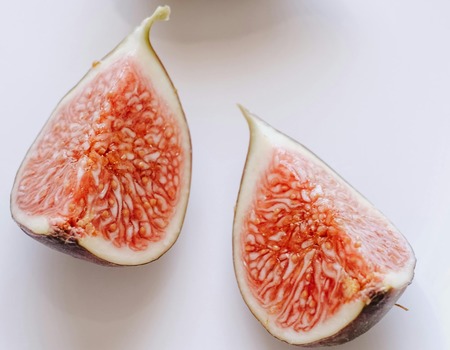
Duality and Paradox: The Fig’s Symbolism
- Hidden Flowers, Public Symbol: The fig’s unique structure (flowers inside the fruit) sparks contrasting meanings.
- Modesty vs. Fertility: Fig leaves symbolize modesty (Greco-Roman art) yet held earlier associations with fertility and sexuality (Greeks).
- Sweetness & Victory: Despite modesty links, figs represent achievement. Winners in ancient Greece wore fig-leaf wreaths.
Sacred Symbolism
Religious Significance: Figs hold sacred significance in several religions.
- Judaism: In Judaism, figs represent prosperity, morality, peace, and connection to God. They symbolize God’s promises, humanity’s duties, and the divine woven into nature and spirit.
- Christianity: The fig tree is mentioned throughout the Bible as a source of sustenance and a symbol of abundance and prosperity.
- Islam: An entire chapter of the Quran, Surah At-Tin (The Fig), is dedicated to the fruit, highlighting its importance.
| Health Benefits of Fig Fruit: Figs are a nutritious fruit rich in essential vitamins and minerals, including vitamin A, vitamin K, potassium, magnesium, and calcium. These nutrients contribute to overall health in several ways: Bone Density: The presence of calcium and potassium in figs works together to improve bone density, potentially reducing the risk of osteoporosis. Cardiovascular Health: Figs may improve blood pressure and blood fat levels, contributing to better heart health. Immune Function: Various vitamins and minerals in figs support a healthy immune system. Digestive Health: Figs are high in dietary fiber, which aids digestion, promotes a healthy gut microbiome, and helps maintain regular bowel movements. Their prebiotic properties further support colon health by reducing the risk of colon-related diseases. |
Fig Leaves: A Treasure Trove of Bioactive Compounds
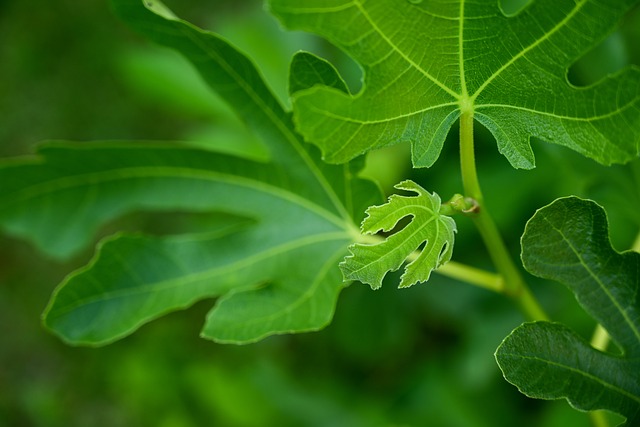
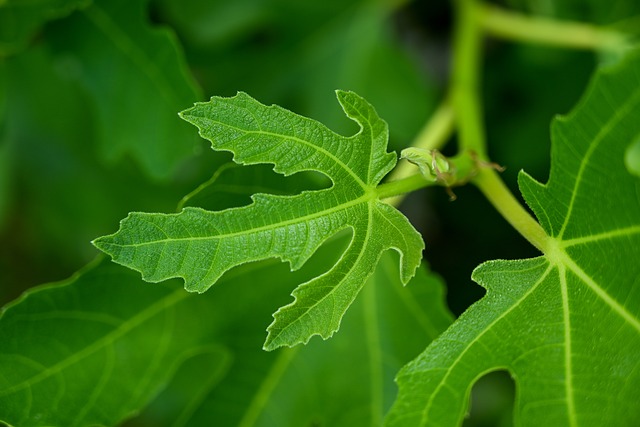
Fig leaves are more than just shade providers for the fruit. They’re packed with a variety of health-promoting compounds! Here’s a breakdown of the key components found in fig leaves, categorized by their chemical groups:
- Organic Acids: Fig leaves contain malic, citric, and oxalic acids, which contribute to their tart flavor. Malic acid, in particular, is widely used in the food industry as a flavor enhancer and acidulant, adding a pleasant sourness to various products.
- Free Sugars: The leaves are rich in sugars like fructose and glucose, making them naturally sweet. This characteristic makes fig leaves a potential alternative for natural sweeteners, especially in health-conscious culinary applications.
- Tocopherols (Antioxidants): Fig leaves are abundant in tocopherols, primarily alpha-tocopherol, which act as powerful antioxidants. These compounds help protect cells from oxidative damage, reducing the risk of chronic diseases and supporting overall health.
- Fatty Acids (Heart-Healthy): Rich in polyunsaturated fatty acids, particularly alpha-linolenic acid, fig leaves promote heart health. These essential fatty acids play a crucial role in reducing inflammation and maintaining cardiovascular health.
- Phenolic Compounds (Antioxidants and Anti-inflammatory): Fig leaves contain a variety of phenolic compounds, including flavonoids like quercetin, apigenin, luteolin, and rutin, along with phenolic acids. These compounds provide significant antioxidant and anti-inflammatory benefits, helping to protect against various diseases and promote overall well-being. Different fig varieties exhibit high total phenolic content, enhancing these health benefits further.
Note: The specific composition of these compounds can vary depending on the fig variety, climate, and other factors. However, this summary highlights the potential health benefits associated with fig leaves.
Fig Leaves and Latex: Nature’s Medicinal Powerhouses
Fig leaves and latex are remarkable sources of bioactive compounds with a multitude of potential health benefits. Their antioxidant, hypoglycemic, anti-inflammatory, and antimicrobial properties highlight their therapeutic potential.
Fig Leaves
Fig leaves offer a range of health benefits due to their rich composition of bioactive compounds.
Antioxidant Powerhouse
Fig leaves are rich in antioxidants, including phenolic compounds and coumarins like rutin, quercetin, and ficusin. These compounds help combat harmful free radicals, protecting cells from damage and reducing the risk of chronic diseases.
Blood Sugar Control
Fig leaves show promise in regulating blood sugar levels, making them beneficial for diabetes management. Compounds like ficusin improve insulin sensitivity and lower blood glucose levels, aiding in better metabolic health.
Anti-inflammatory Properties
The anti-inflammatory properties of fig leaves, attributed to phenolic compounds and flavonoids, can reduce inflammatory markers in the body. This natural anti-inflammatory effect may alleviate chronic inflammatory conditions and provide relief from related discomforts.
Antituberculosis Activity
The 80% methanol extract from fig leaves has shown inhibitory effects on Mycobacterium tuberculosis growth. This antituberculosis activity highlights a promising area for further research in combating tuberculosis.
Fig Latex
This natural source contains a diverse enzyme profile, including proteases (breakdown proteins), lipases (break down fats), and amylases (break down starches). Research has identified specific enzymes like ficin S (a sugar-containing protease) and rennet (milk-clotting enzyme). Fig latex even boasts antioxidant enzymes that may help combat harmful free radicals in the body.
Cancer Cell Defense
Research suggests that fig leaves contain flavonoids and triterpenoids with anti-cancer effects. These compounds can inhibit cancer cell growth and induce apoptosis, offering potential as natural cancer therapeutics.
Antibacterial and Antifungal Activity
The methanol extract of fig latex exhibits strong activity against various bacteria and fungi, including oral bacteria and Candida albicans. This antimicrobial property underscores its potential as a natural remedy for infections.
Wound Healing and Blood Clotting
The latex from fig leaves may offer benefits in wound healing and blood clotting regulation. Traditional uses and preliminary studies support these potential applications, though more research is needed to fully understand their efficacy.
Irritant Potential
While fig leaves and latex have numerous medicinal benefits, they also have irritant potential. Methanol extracts and isolated triterpenoids can cause irritation, which should be considered when using these substances for medicinal purposes.
Additional Potential Benefits
Fig leaves may help lower cholesterol levels due to sterols, promoting heart health. This highlights another aspect of their multifaceted health benefits.
Traditional Uses of Fig Leaves and Latex
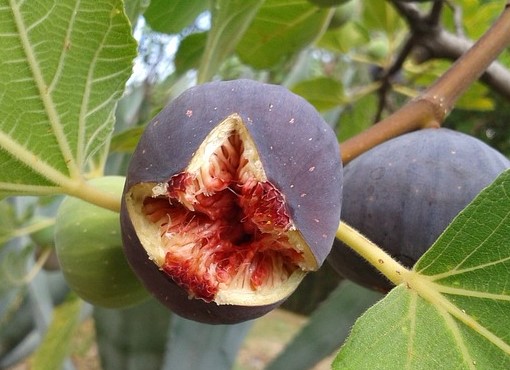
Fig leaves and latex have been traditionally used for various medicinal purposes across different cultures.
Fig Leaves
- Cough: Used to treat coughs.
- Colic Treatment: Utilized alongside fruit and root for treating colic.
- Indigestion: Employed alongside fruit and root to aid digestion.
- Loss of Appetite: Combined with fruit and root to stimulate appetite.
- Prevention of Nutritional Anemia: Used traditionally to prevent anemia.
- Anthelmintic: Applied to expel parasitic worms.
- Irritant Potential: Known to cause irritation in some cases.
- Tuberculosis: Fig leaves have been used in some cultures to treat tuberculosis
Fig Latex
- Antibacterial and Antifungal Activity: Effective against various bacteria and fungi.
- Wound Healing and Blood Clotting: Traditional uses suggest benefits in wound healing and regulating blood clotting.
Fig Leaves: Ancient Remedies for Modern Ailments
Fig leaves have been used in traditional medicine for various ailments due to their potential health benefits. Here are some traditional remedies involving fig leaves:
1. Diabetes Management:
- Tea: Boil fig leaves in water for 15-20 minutes. Strain and drink this tea daily. It is believed to help regulate blood sugar levels.
- Infusion: Soak fig leaves in hot water for several hours and drink the infusion throughout the day.
2. Skin Conditions:
- Poultice: Crush fresh fig leaves and apply the paste directly to the affected skin area. This can help soothe and heal conditions like eczema and psoriasis.
- Bath: Add a handful of fig leaves to your bathwater. Soak for 20-30 minutes to alleviate skin irritations.
3. Digestive Issues:
- Fig Leaf Tea: Drinking fig leaf tea can help with digestive problems like constipation and indigestion.
4. Cardiovascular Health:
- Fig Leaf Extract: Consuming an extract made from fig leaves may help lower triglycerides and support overall heart health.
5. Weight Loss:
- Tea: Regularly drinking fig leaf tea can aid in weight management by improving metabolism and digestion.
- Detox Drink: Blend fig leaves with water, lemon, and honey to create a detoxifying drink.
6. Wound Healing:
- Compress: Apply a compress soaked in fig leaf tea to wounds to promote faster healing.
- Topical Application: Use fig leaf extract or poultice directly on wounds and minor cuts.
Preparation Tips:
- Drying Leaves: To store fig leaves for later use, dry them by laying them out in a well-ventilated area away from direct sunlight. Once dried, store in an airtight container.
- Fresh Leaves: Always wash fresh fig leaves thoroughly before use to remove any pesticides or contaminants.
Caution:
- Allergic Reactions: Some individuals may be allergic to fig leaves. Conduct a patch test before using them extensively on your skin.
- Consult a Doctor: Always consult with a healthcare provider before starting any new treatment, especially if you have pre-existing health conditions or are taking other medications