

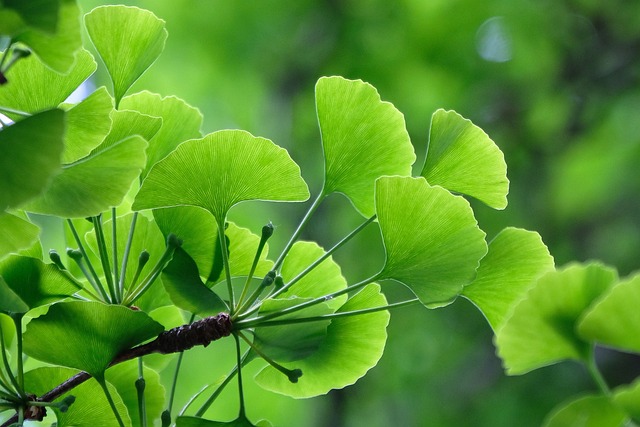
Ginkgo biloba, Ginkgo, Maidenhair tree, الجنكة, 银杏, Гинкго билоба, Γκίνκο, Maidenhairträd
What is Ginkgo?
Ginkgo Biloba, also known as the maidenhair tree, stands out as a unique and fascinating plant. It’s one of the oldest living tree species, captivating researchers and health enthusiasts alike with its potential health benefits
- Distinctive Living Tree: Ginkgo biloba stands out as a unique living tree, holding a special place in both plant evolution and human culture. Its distinctiveness is evident in its value in horticulture and as a street tree, as well as its role as a source of edible “nuts” and its popularity in herbal medicine.
- Historical and Cultural Significance: Ginkgo biloba has deep roots in human culture, being valued in various ways throughout history. In China, Japan, and Korea, it has been prized as an edible nut and revered in eastern religions. Its cultural significance is also reflected in its widespread use as a street tree and its prominent presence in art, literature, and religion.
- Living Link to Ancient Lineage: Ginkgo biloba represents a living link to diverse seed plants that thrived over 100 million years ago. Despite facing near-extinction during the Pleistocene glaciations, ginkgo survived as a relic in restricted areas of eastern and central China. Its resurgence since then, particularly through its association with humans, is remarkable.
Delving into the Chemical Components
- Terpenoids:
- Constituents:
- Triterpenes: sterols
- Sesquiterpene: bilobalide
- Diterpenes: ginkgolides M, A, B, C, and J
- Bioactivity: Protective effects to cerebral hippocampal neurons from epilepsy, antioxidant, anti-inflammatory, antiplatelet, antilipidemic and antiapoptotic properties, enhanced memory and learning abilities, and reduced neuronal damage
- Constituents:
- Flavonoids:
- Constituents: Quercetin, kaempferol, isorhamnetin, rutin, luteolin, delphidenon, myricetin
- Bioactivity: Antioxidation, anticancer, antibacterial, antiviral, anti-inflammatory, and neuroprotective effects
- Polyprenols:
- Constituents: Di-trans-poly-cis-octadecaprenol
- Bioactivity: Antibacterial properties and safety against the attack by Aβ25-35, a peptide associated with Alzheimer’s disease.
- Biflavonoids:
- Constituents: Sciadopitysin, ginkgetin, isoginkgetin, amentoflavone, bilobetin, 5′-methoxybilobetin
- Bioactivity: Antiadipogenesis and antiobesity properties and significant inhibitory effects on thrombin activity
- Organic Acids:
- Constituents: Benzoic acid derivatives (ginkgolic acid), N-containing acids
- Bioactivity: Inhibitory effects on xanthine oxidase (XOD) and antitumor properties
- Others:
- Constituents: Waxes, steroids, 2-hexenal, cardanols, sugars, catechins, proanthocyanidins, phenols, aliphatic acids, rhamnose
- Bioactivity: Antioxidant, anti-inflammatory, antidiabetic, antiapoptotic, antiradiation, antiviral, antitumor, hepatoprotective, and antiatherosclerosis pharmacological properties
Ginkgo Biloba’s Potential Benefits
Ginkgo biloba extract contains terpene lactones and flavonoid glycosides that may benefit the brain and heart. These compounds might:
- Protect brain cells by reducing stress and cell death.
- Influence brain chemicals involved in memory and mood.
- Improve blood flow and potentially reduce blood clot formation.
1. Enhanced Cognition and Memory:
- Ginkgo’s flavonoids and terpene lactones may improve blood flow to the brain.
- These compounds may also protect brain cells and influence neurotransmitters involved in learning and memory.
- This translates to potential benefits for cognitive function and memory improvement.
2. Improved Mood and Emotional Well-being:
- Ginkgo may help regulate mood by impacting neurotransmitters like serotonin and dopamine.
- By maintaining healthy levels of these neurotransmitters, Ginkgo may offer a natural approach to managing anxiety and depression.
3. Neuroprotection and Age-Related Disorders:
- Ginkgo’s antioxidant properties are believed to protect against neurodegenerative diseases like Alzheimer’s and Parkinson’s.
- These antioxidants combat oxidative stress and inflammation in the brain, potentially slowing disease progression.
- Additionally, Ginkgo’s ability to improve blood flow and cognitive function may further benefit those at risk of age-related cognitive decline.
4. Cardiovascular Health Support:
- Ginkgo may improve blood circulation by dilating blood vessels and reducing platelet aggregation.
- This has the potential to reduce the risk of blood clots and heart disease.
- Furthermore, its antioxidants may protect blood vessels from damage, further supporting cardiovascular health.
5. Vision and Hearing Support:
- Ginkgo’s antioxidant properties and improved circulation may help mitigate age-related vision and hearing decline.
- The antioxidants may protect against age-related macular degeneration, while improved circulation may benefit hearing by enhancing blood flow to the ears.
6. Anti-inflammatory and Antioxidant Effects:
- Ginkgo’s anti-inflammatory and antioxidant properties promote overall health and longevity.
- By neutralizing free radicals and reducing inflammation, it may offer protection against chronic diseases.
- Additionally, its anti-inflammatory properties may provide relief for individuals with conditions like arthritis and asthma, potentially offering a natural alternative to conventional treatments
Ginkgo: How to Take It and Important Cautions

Taking Ginkgo Biloba:
- Oral administration is the most common way to take Ginkgo Biloba, usually in the form of standardized extracts .
- Typical dosages range from 40mg three times daily to 80mg twice daily, but consulting a healthcare professional is crucial before starting any supplement and for determining the appropriate dosage based on your individual needs and health conditions.
Potential Side Effects:
- While generally considered safe and well-tolerated at recommended dosages, Ginkgo Biloba may cause mild side effects like headaches and stomach upset in some individuals.
Important Precautions:
- Caution is advised for people with bleeding disorders or those taking anticoagulant medications (blood thinners) due to potential interactions that could increase the risk of bleeding.
- Ginkgo Biloba is not recommended for pregnant or breastfeeding women, infants, or individuals with epilepsy, as it may lower the seizure threshold.