

Lycium barbarum Goji Berry توت الغوجي 枸杞
Lycium barbarum: A Superfruit with Ancient Roots
Lycium barbarum, the goji berry, is a vibrant red fruit native to Asia. This shrubby plant is a close relative of tomatoes, potatoes, and peppers (Solanaceae family). Goji berries boast a long history of use in traditional medicine, particularly in China.
- Bright red fruit native to Asia
- Belongs to the Solanaceae family (tomatoes, potatoes, peppers)
Traditional Uses in China:
Goji berries have been a staple in Traditional Chinese Medicine (TCM) for over 2,200 years. The earliest record of their use dates back to 200 BCE in the Shen Nong Ben Cao Jing, revered for their nourishing properties. TCM practitioners traditionally used them for various ailments.
- Documented use in TCM for over 2,200 years
- First mentioned in the Shen Nong Ben Cao Jing (200 BCE)
- Believed to nourish the body and promote well-being
- Traditionally used for:
- Diabetes
- Respiratory issues
- Eye problems
Exploring the Chemistry of Goji Berries
Essential Nutrients:
Goji berries pack a powerful nutritional punch. They’re a source of essential minerals like potassium, copper, manganese, iron, and zinc, alongside dietary fiber and vitamin C. These berries also boast a high bioaccessibility of these microelements, meaning your body can readily absorb them.
- Key Minerals: Potassium, Copper, Manganese, Iron, Zinc
- Fiber and Vitamin C
Fatty Acids:
Lycium barbarum boasts healthy fats! The predominant fatty acids are linoleic acid, oleic acid, palmitic acid, and stearic acid, making up about 95% of their total fat content.
- Linoleic Acid
- Oleic Acid
- Palmitic Acid
- Stearic Acid
Bioactive Powerhouse:
Goji berries are brimming with bioactive compounds that enhance their nutritional value. These include:
- Polyphenols: Caffeic acid, chlorogenic acid, p-coumaric acid, quercetin, and kaempferol (all with antioxidant properties)
- Carotenoids: Predominantly zeaxanthin dipalmitate
Goji Berry’s Medicinal Potential
Goji berries have transitioned from a staple in traditional medicine to a modern health trend. Science is now unraveling the chemical components responsible for their potential health benefits. Let’s delve into some key areas and the associated chemical players:
1. Antioxidant Powerhouse:
- Activity: Goji berries are packed with antioxidants that neutralize free radicals and prevent cell damage, potentially reducing chronic disease risk.
- Chemical Components Involved:
- Polysaccharides
- Phenolic compounds (phenolic acids & flavonoids)
- Carotenoids
- Amino acids
2. Taming Inflammation:
- Activity: Phenolic compounds in goji berries exhibit anti-inflammatory properties, potentially mitigating conditions like arthritis.
- Chemical Components Involved:
- Phenolic acids
- Flavonoids
3. Fighting Infections:
- Activity: Goji berries contain bioactive compounds with antimicrobial properties, potentially aiding against various microbial infections.
- Chemical Components Involved: (Research is ongoing to identify specific compounds)
4. Immune System Boost:
- Activity: Polysaccharides, especially LBPs, play a key role in immune system modulation, enhancing immune response and overall health.
- Chemical Components Involved:
- L. barbarum polysaccharides (LBPs)
5. Blood Sugar Management:
- Activity: Goji berries may improve glucose metabolism and reduce insulin resistance, potentially benefiting individuals with diabetes.
- Chemical Components Involved: (The specific components are under investigation)
6. Protecting the Brain:
- Activity: Carotenoids and phenolic compounds contribute to goji berries’ neuroprotective effects, potentially offering protection against cognitive decline and neurodegenerative diseases.
- Chemical Components Involved:
- Carotenoids
- Phenolic compounds
7. Potential Cancer Fighter (Needs More Research):
Goji berry extract shows significant potential in fighting cancer by impeding cell proliferation, migration, and altering crucial protein expressions, owing to its diverse bioactive compounds. However, further clinical validation is necessary to affirm these findings.
The Goji Berry: Fresh, Dried & Delicious
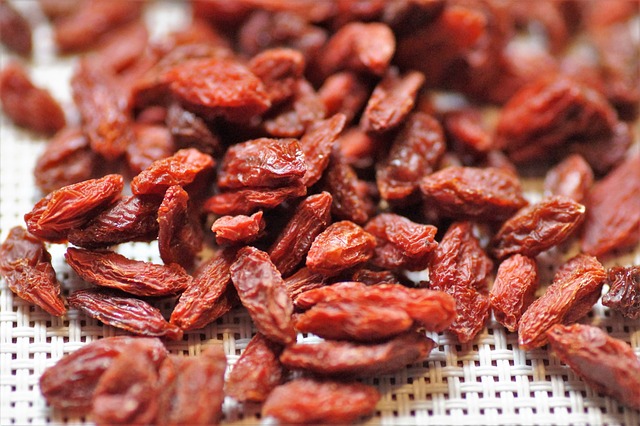
Goji berries have become a popular health food, but how do you incorporate them into your diet? Let’s explore the different forms and tasty ways to enjoy them:
Fresh vs. Dried Goji Berries:
- Fresh: Juicy and perfect for snacking. Savor their refreshing taste and vibrant color!
- Dried: Portable and long-lasting, ideal for an on-the-go option. Stock up and enjoy anytime.
Goji Berry Supplements:
- Convenience in a Capsule or Liquid: Supplements offer a handy way to consume goji berries.
- Doctor’s Advice is Key: Discuss dosage and choose a reputable brand for optimal results.
Goji Berry Boost for Your Diet:
- Sweet & Nutritious Addition: Sprinkle goji berries on yogurt, oatmeal, or salads for a touch of sweetness and a burst of vitamins and antioxidants.
Goji Berry Recipes & Snack Inspiration:
- Get Creative in the Kitchen: Explore a variety of recipes featuring goji berries! From energy balls and granola bars to smoothies and baked goods, there’s something for everyone.
Power Up Your Smoothies & Juices:
- Effortless Health Boost: Add goji berries to your favorite smoothies or freshly squeezed juices. Their natural sweetness and vibrant color create a delicious and nutritious drink!
A Nutritional Powerhouse with Cautions
Goji berries have become a popular health food, praised for their potential antioxidant and immune-boosting properties. However, before incorporating them into your diet, it’s crucial to be aware of some important cautions:
- Medications:
- Interaction Potential: Goji berries may interact with certain medications, potentially affecting their effectiveness.
- Consult Your Doctor: If you take any medications, especially blood thinners or diabetes medications, discuss including goji berries in your diet with your healthcare provider. They can advise on potential interactions and a safe approach.
- Digestive Issues:
- Start Low, Go Slow: While generally well-tolerated, excessive consumption of goji berries can lead to digestive issues like diarrhea or stomach discomfort.
- Listen to Your Body: Begin with a small amount and gradually increase intake. Pay attention to how your body reacts. If you experience any digestive problems, reduce your intake or stop consumption entirely.
- Dosage:
- No One-Size-Fits-All: The optimal daily intake of goji berries depends on individual factors.
- General Guideline: A moderate starting point is around ¼ to ½ cup of dried goji berries per day. This offers a balance between potential benefits and avoiding overconsumption.
- Allergic Reactions:
- Potential Allergies: While uncommon, some people may be allergic to goji berries.
- Be Aware of Symptoms: Look out for allergic reactions like itching, swelling, or difficulty breathing after consuming goji berries. If you experience any of these, discontinue use immediately and seek medical attention.