

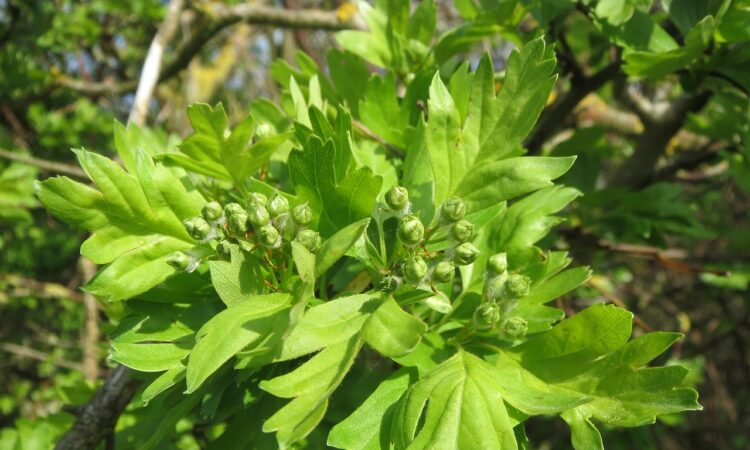
Crataegus monogyna, Hawthorn, زعرور, ادمام, 山楂, Боярышник, 山楂, Espino blanco, Aubépine, Weißdorn, Biancospino, サンザシ, Espinheiro-branco, Meidoorn, Hagtorn,Κράταιγος.
What is Crataegus monogyna?
Crataegus monogyna, more commonly known as hawthorn, might sound like something out of a fantasy novel. But forget mythical creatures – this is a real plant native to Europe, North Africa, and Western Asia.
Hawthorn is easily identified by its thorny branches and small, red berries. While it may seem ordinary, this unassuming plant has a long history of being used for its potential health benefits.
A History of Hawthorn Use
Hawthorn (Crataegus monogyna) has been a significant part of various cultures and traditional medicine practices for centuries.
- The ancient Greeks believed it had magical properties related to love and marriage. Hawthorn berries were even used to symbolize fertility during wedding ceremonies.
- Traditional Chinese medicine values hawthorn for promoting good digestion and heart health.
- Similarly, Arabic medicine recognizes its potential benefits for the heart.
Even today, research continues to explore the medicinal properties of this ancient plant. This ongoing exploration bridges the gap between past traditions and modern science in the pursuit of well-being.
Chemical Composition of Crataegus monogyna
Crataegus monogyna, commonly known as hawthorn, is a treasure trove of bioactive compounds with potential health benefits. Here’s a breakdown of some key components:
Antioxidant Powerhouse:
- Phenolic acids: Chlorogenic acid is a prime example, contributing significantly to hawthorn’s antioxidant activity.
- Flavonoids: This diverse group includes:
- Flavanols: Epicatechin, a potent antioxidant, is a key player.
- Flavonols: Quercetin, rutin, and hyperoside are well-known antioxidants found in hawthorn.
- Flavan-3-ols: Procyanidins, another group of antioxidants, offer additional benefits.
- Other Antioxidants: While not as prominent as the above, hawthorn also contains trace amounts of tocopherols (vitamin E) and ascorbic acid (vitamin C) that contribute to its overall antioxidant capacity.
Beyond Antioxidants:
- Flavonoids with Specific Roles: Interestingly, some flavonoids like rutin, and vitexin, might have additional functions beyond just being antioxidants.
- Triterpene Acids: These naturally occurring compounds, such as ursolic acid and oleanolic acid, are being studied for their potential anti-inflammatory properties.
- Other Bioactive Compounds: While less studied, hawthorn may also contain trace amounts of polyunsaturated fatty acids, which offer additional health benefits.
Unveiling Hawthorn’s Medicinal Potency
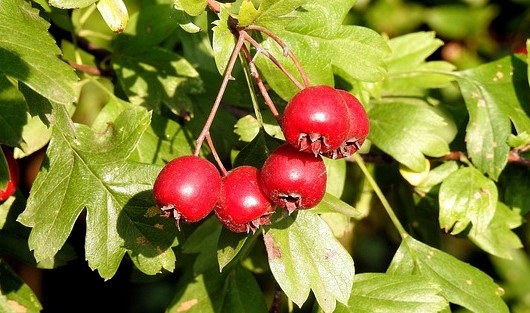
Hawthorn, known as haw, maybush, or whitehorn, has a history in folk medicine for treating various ailments. Used in traditional Chinese medicine, it addresses digestive issues, hyperlipidemia, poor circulation, and dyspnea. Available in diverse forms, including infusions and tinctures, hawthorn is utilized in authorized medications, over-the-counter products, herbal remedies, and dietary supplements.
1. Hawthorn shines in managing heart health by:
- Reducing inflammation (key in chronic heart failure) with flavonoids and triterpene acids.
- Inhibiting an enzyme (ACE) that increases blood pressure, potentially helping regulate it (thanks to oleanolic acid).
- Reducing the risk of blood clots (studies suggest extracts may inhibit pathways involved in formation).
2. Hawthorn’s benefits extend far and wide:
- Brain Defender: Hawthorn’s flavonoids act as antioxidants, potentially protecting brain cells from free radical damage.
- Gut Guardian: Extracts exhibit anti-inflammatory properties similar to some medications, potentially aiding digestion.
- Skin Savior: The plant’s antioxidant power might help shield skin from damage, promoting a healthy appearance.
- Reduced Medication Side Effects: Research suggests extracts may lessen the harmful effects of certain drugs.
3. Unveiling the Mechanisms:
While research is ongoing, the identified chemicals offer a glimpse into hawthorn’s potential:
- Cardiovascular Support: Flavonoids and triterpene acids play a key role.
- Vasodilatory Effects: Hawthorn extract exhibits potential to dilate blood vessels, potentially improving blood flow to the heart. However, further investigation is needed to understand the long-term impact on cardiac function.
- Anti-Inflammatory Relief: Triterpene fractions rich in cycloartenol are the power players.
- Enhanced Cardiac Function: Flavonoids like luteolin-7-glucoside, hyperoside, and rutin contribute significantly.
- Blood Pressure Regulation: Oleanolic acid’s ACE inhibitory activity takes center stage.
- Thrombosis Prevention: Ethanolic extracts from hawthorn leaves show promise.
- Neuroprotective Benefits: Hawthorn flavonoids demonstrate these effects.
- Gastrointestinal and Anti-inflammatory Relief: Extracts themselves exhibit this activity.
- Platelet Function and Skin Health: The plant’s high antioxidant activity is key.
- Toxicity Reduction: Hawthorn extracts show promise in this area.
Hawthorn’s Culinary Delights and Hidden Nutrients
Hawthorn isn’t just a heart-healthy hero; it also boasts a surprising culinary and cultural history!
A Splash of Red in the Kitchen:
The vibrant red hawthorn berries have found their way into traditional dishes for centuries. Their delightful tartness adds a unique twist to jams, jellies, and even refreshing beverages. From sweet treats like pies to savory sauces, hawthorn berries bring a touch of color and flavor to diverse culinary creations. No wonder this versatile plant has captured the hearts (and taste buds) of many cultures!
- Hawthorn Berry Jam: A sweet and tangy jam made from fresh Hawthorn berries, perfect for spreading on toast or mixing into yogurt.
- Hawthorn Berry Sauce: A versatile sauce that pairs well with both sweet and savory dishes, such as roasted meats, desserts, and pancakes.
- Hawthorn Berry Compote: A lightly sweetened stewed fruit compote, ideal for serving over ice cream or alongside oatmeal for breakfast.
- Hawthorn Berry Tea: A soothing herbal tea made from dried Hawthorn berries, known for its antioxidant properties and mild, fruity flavor.
- Hawthorn Berry Salad: A refreshing salad featuring fresh Hawthorn berries, mixed greens, nuts, and a citrus vinaigrette dressing.
- Hawthorn Berry Smoothie: A nutritious and energizing smoothie made with Hawthorn berries, bananas, spinach, and almond milk, perfect for a quick breakfast or snack.
- Hawthorn Berry Crumble: A delightful dessert featuring a layer of sweetened Hawthorn berries topped with a crispy oat crumble, served warm with a scoop of vanilla ice cream.
- Hawthorn Berry Popsicles: Homemade popsicles made with blended Hawthorn berries, yogurt, and a touch of honey, a refreshing treat for hot summer days.
- Hawthorn Berry Chutney: A flavorful chutney made with Hawthorn berries, onions, spices, and vinegar, excellent as a condiment for cheese platters or grilled meats.
- Hawthorn Berry Ketchup: A popular sauce among foragers, boasting a rich, fruity, almost smoky flavor akin to barbecue sauce, and one of the best ways to utilize hawthorn berries.
A Nutritional Powerhouse:
Hawthorn’s health benefits extend beyond its medicinal properties. Recognized as a medicinal fruit by the Chinese National Health and Wellness Commission, hawthorn packs a powerful nutritional punch. Compared to common fruits, hawthorn boasts:
- Higher Dietary Fiber: Promotes gut health and satiety.
- Richer Pectin: Supports digestion and cholesterol management.
- Increased Ascorbic Acid (Vitamin C): Vital for immunity and collagen production.
- Enhanced Mineral Content: Supports various bodily functions.
- Boosted Antioxidant Capacity: Fights free radicals and protects cells.
Hawthorn is also a good source of essential amino acids, proteins, sugars, and vitamins A, C, B1, and B2. It’s particularly noteworthy for its:
- Top-ranking Calcium Content: Crucial for bone health and muscle function.
- Impressive Vitamin C Content (890 mg/kg): Nearly 15 times higher than an orange!
- Unique Organic Acids: These acids help preserve vitamin C even during cooking, maximizing its nutritional value.
Common side effects of Crataegus monogyna
While hawthorn supplements and berries are often touted for their potential health benefits, it’s wise to consider potential side effects before diving in. Generally safe for most, some may experience mild digestive issues like upset stomach or diarrhea. Start low and listen to your body!
Essential Precautions: Consulting Your Doctor
If you have pre-existing health conditions or take medications, consulting a healthcare professional is crucial. Hawthorn can interact with medications for heart conditions, blood pressure, or blood thinning. Additionally, pregnant or breastfeeding individuals should exercise caution and consult a doctor. Remember, prioritizing safety is key. Seeking professional advice ensures your well-being.
| FAQ 1. Is Crataegus monogyna safe to consume? Crataegus monogyna is generally considered safe for consumption when taken in appropriate doses. However, it is crucial to consult with a healthcare professional, especially if you have any underlying medical conditions or are taking medications that may interact with it. 2. How can Crataegus monogyna be incorporated into a daily routine? Crataegus monogyna is available in various forms, including capsules, teas, and extracts. It can be consumed as a herbal supplement or brewed into a tea. It is advisable to follow the recommended dosage instructions provided by the manufacturer or consult a healthcare professional for guidance. 3. Are there any known side effects of Crataegus monogyna? While Crataegus monogyna is generally well-tolerated, some individuals may experience mild side effects such as upset stomach, dizziness, or headaches. If any adverse reactions occur, it is recommended to discontinue use and consult a healthcare professional. 4. Can pregnant or breastfeeding women safely consume Crataegus monogyna? Pregnant or breastfeeding women should exercise caution and consult with their healthcare provider before using Crataegus monogyna. Limited research is available regarding its safety during pregnancy and breastfeeding, so it is advisable to seek professional guidance. |