

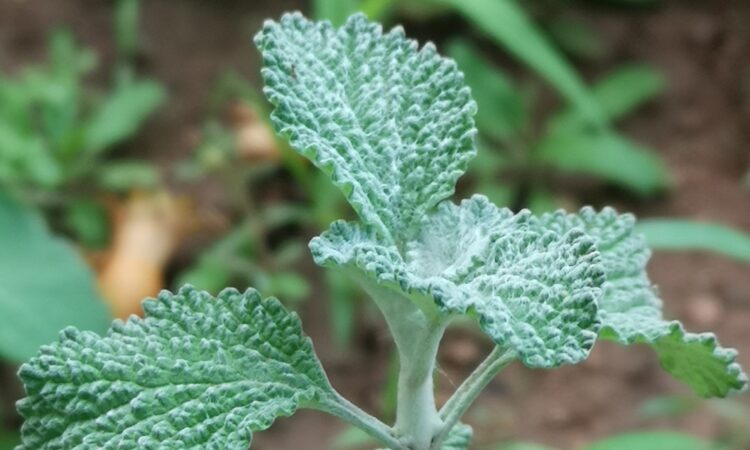
Marrubium vulgare, Horehound, مريوة – فراسيون, 欧夏至草属, Marrubio, Gewöhnlicher Andorn, Μαρουβιο, Шандра обыкновенная
What is Horehound?
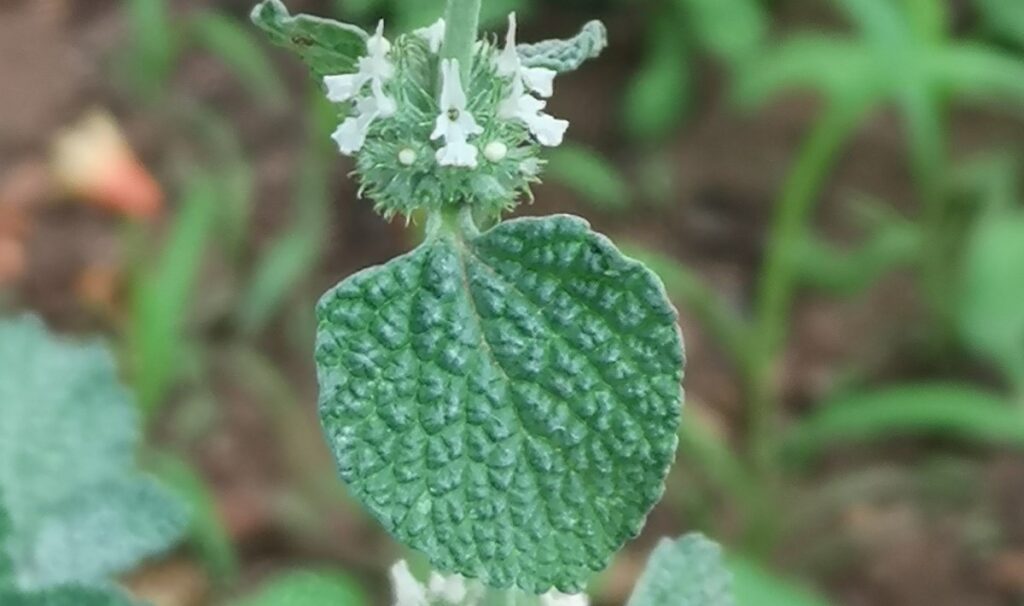
Horehound, scientifically known as Marrubium vulgare, is a versatile herbaceous perennial plant with a rich history and diverse uses. Its journey stretches back centuries, finding mention in the practices of ancient Egyptians and Greeks. It wasn’t just valued for its potential health benefits, but even held a sacred status, being offered to deities.
This legacy continues through its prominent role in traditional herbal medicine. Generations have relied on Horehound’s various properties to address a range of health concerns. From aiding digestion to easing respiratory problems and soothing skin troubles, it remains a trusted option for those seeking natural solutions.
Beyond the realm of medicine, Horehound also holds cultural significance. In certain communities, it’s believed to possess protective qualities, warding off negative energies. This diverse and enduring presence across history and cultures underscores the unique position Horehound occupies in the world.
Chemical Composition of Horehound
Horehound, known as Marrubium vulgare, boasts a unique chemical profile. Marrubiin, a diterpenoid lactone, takes center stage as the plant’s bitter principle. This compound isn’t exclusive to horehound, appearing in other Lamiaceae family members like Leonotis leonurus and Leonotis nepetifolia. These plants have long been used in various regions for various health conditions.
Chemical Groups and Components:
- Marrubiin (Diterpenoid Lactone):
- Component: Marrubiin
- Benefit: Marrubiin serves as the bitter principle in horehound and is associated with its medicinal properties. It has been used traditionally for its potential to address various health issues.
- Labdanoids in Marrubium vulgare:
- Pre-furanic (e.g., premarrubiin) and furanic (e.g., marrubiin) labdanoids, prominent in Marrubium vulgare, undergo scrutiny for their biosynthetic pathways and natural origins. Marrubiin, a pivotal compound in this context, stimulates varying perspectives.
- Debate and Exploration:
- Some propose furanic labdanoids as conclusive biosynthetic products, while others contend they may arise from artifacts during the cleavage of a bridge in prefuran labdanoids. This ongoing discourse underscores the intricate mechanisms governing labdanoid biosynthesis within the Lamiaceae family, where the distinction between prefuranic and furanic forms continues to be a focal point for scientific exploration and discussion.
- Monoterpenes: Camphene, p-cymol, fenchene, limonene, α-pinene, sabinene, α-terpinolene
- Flavonoids: Rutin, Quercetin
- Sesquiterpene Lactone: Vulgarin
- Triterpenoids: β-sitosterole, Lupeol, Oleanolic acid
- Other Diterpenoids: Peregrinol, Peregrinin, Dihydroperegrinin, Vulgarol, Vulgarcoside A, Deacetylvitexilactone, Carnosol, Deacetylforskolin
Medicinal Properties of Horehound
The chemical composition of Horehound gives it several medicinal properties. It is known for its expectorant, antispasmodic, and anti-inflammatory properties. These properties make it a popular choice for easing coughs, soothing digestive issues, and even managing skin conditions. Who knew such a quirky herb could offer so much?
Traditional Remedies and Uses of Horehound
Horehound, a seemingly ordinary plant, has a rich history of traditional medicinal uses thanks to its unique chemical composition. Let’s delve into the ways this humble herb has been employed across cultures:
1. Digestive Relief: For centuries, Horehound has been a trusted companion for those experiencing digestive troubles. Its traditional uses include:
- Alleviating bloating and indigestion: Its antispasmodic properties may help relax muscles and ease discomfort.
- Stimulating appetite: It’s believed to possess properties that can encourage healthy appetite.
2. Respiratory Aid: When coughs and congestion strike, Horehound often takes center stage. Its expectorant properties have been traditionally used to:
- Loosen mucus: This can help clear airways and ease congestion, making breathing easier.
- Soothe coughs: By relieving irritation and easing the expulsion of mucus, Horehound can offer relief from coughs.
3. Skin Soother: Beyond internal benefits, Horehound has also found its place in traditional remedies for skin concerns. It’s been used topically to:
- Reduce irritation: Its anti-inflammatory properties may help calm and soothe irritated skin.
- Promote healing: Traditional uses suggest it may aid the healing process of minor skin ailments.
Modern Applications and Remedies of Horehound
Horehound, known for its traditional medicinal properties, has transcended its ancient roots and found new applications in various modern fields:
1. Herbal Supplements and Teas:
- Horehound’s unique properties and potential health benefits have led to its inclusion in various herbal supplements like capsules, tablets, and liquid extracts.
- Additionally, brewing tea using dried horehound leaves offers a pleasant and soothing way to experience its effects.
2. Natural Cough and Cold Remedies:
- Horehound’s renowned expectorant properties make it a popular choice for natural cough and cold remedies.
- Formulated cough syrups and lozenges containing horehound provide targeted relief for congestion and coughs.
- Important: Always follow recommended dosages and consult a healthcare professional regarding any health concerns.
3. Skincare Products:
- Going beyond traditional remedies, horehound is now incorporated into skincare products.
- Its antimicrobial and anti-inflammatory qualities are harnessed to soothe and heal irritated or inflamed skin.
- Creams, lotions, and balms containing horehound offer a natural option for addressing minor skin issues like eczema and acne.
Horehound: A Plant with Diverse and Promising Properties
— Antidiabetic Activity: Horehound shows promise as an antidiabetic agent, significantly reducing blood glucose levels and improving lipid profiles. It may modulate glucose uptake and intestinal glucose absorption, suggesting extrapancreatic mechanisms of action.
— Antihypertensive Activity: Horehound exhibits antihypertensive effects, reducing systolic blood pressure and improving endothelial function. Marrubenol and marrubiin contribute to these effects.
— Antimicrobial Activity: Horehound extracts show antibacterial and antifungal activity against various strains, with methanolic extracts exhibiting significant effects. Marrubiin and essential oil demonstrate potent antimicrobial activity.
— Antioxidant Activity: Horehound’s methanol extracts demonstrate potent scavenging of radicals, showcasing robust antioxidant potential, particularly in edible oils.
— Antiplasmodial Activity: Horehound ethanol extracts exhibit significant antiplasmodial activity, suggesting potential as an antimalarial agent.
— Antiprotozoal Activity: Horehound essential oil and extracts demonstrate potent activity against Trichomonas vaginalis, suggesting potential for combating protozoal infections.
— Antiviral Activity: Horehound extracts show activity against herpes simplex virus type 1, inhibiting viral attachment and replication.
— Gastroprotective Activity: Horehound extracts exhibit gastroprotective effects against ulcers, reducing ulcer parameters and increasing pH and mucus production.
— Hepatoprotective Properties: Horehound extracts exhibit significant protection against liver damage, maintaining enzyme levels and reducing lipid peroxidation.
— Hypolipemic Activity: Horehound extracts demonstrate hypocholesterolemic and hypotriglyceridemic effects, reducing plasma lipid levels and improving atherogenic indices.
— Immunomodulatory Activity: Horehound extracts exhibit immunomodulatory effects, enhancing double positive T cells and key cytokines.
— Wound Healing (Hemostatic): Horehound methanolic extracts promote wound healing through antioxidant properties, promoting cell migration and proliferation.
— Anti-Inflammatory Activity: Methanolic extracts of horehound demonstrate anti-inflammatory effects by reducing myocardial infarction markers and pro-inflammatory cytokines.
— Antiproliferative Activity: Horehound extracts inhibit proliferation and induce apoptosis in various cancer cell lines, suggesting potential for anti-melanoma and anti-glioma therapy.
Potential Side Effects of Horehound Usage
- Dosing
- Clinical trials assessing optimal dosing are lacking.
- Horehound infusions prepared from M. vulgare leaves were administered in 1 g envelopes three times daily for 21 days in a small clinical study involving patients with type 2 diabetes.
- Contraindications
- Avoid horehound use during pregnancy due to reported emmenagogue and abortifacient effects.
- Interactions
- Interactions with other medications are not well documented.
- Adverse Reactions
- No reports of serious adverse reactions associated with horehound use.
- Adverse effects may include irregular heartbeat (arrhythmia).
- Toxicology
- Horehound, when used as a flavoring agent and essential oil, has been granted generally recognized as safe (GRAS) status by the US Food and Drug Administration.
| Frequently Asked Questions 1 What are the potential side effects of horehound? While horehound is generally considered safe in moderate usage, it’s crucial to be mindful of potential side effects. Certain individuals may encounter digestive discomfort or allergic reactions while using horehound. If any adverse effects are observed, it is advisable to cease use immediately and seek guidance from a healthcare professional. 2 Can horehound interact with medications? Yes, horehound may interact with certain medications. If you are taking any prescription medications or have any underlying health conditions, it’s best to consult with your healthcare provider before using horehound. They can provide personalized advice and ensure there are no potential interactions. 3 How to prepare and consume horehound for health benefits? To prepare horehound for consumption, you can make a simple tea. Take around 1-2 teaspoons of dried horehound leaves and steep them in a cup of hot water for 5-10 minutes. Strain and sip the tea while it’s still warm. You can sweeten it with a natural sweetener or add a splash of lemon for flavor. Remember to always follow the recommended dosage and consult with a healthcare professional for personalized guidance on consuming horehound for specific health benefits. |