

Iron, often associated with blacksmithing endeavors, emerges not as a forgeable metal but as a pivotal nutrient essential for proper bodily function. Serving as a veritable superhero, iron orchestrates various physiological processes, contributing significantly to oxygen transport, energy production, brain function, and immune system support.
Iron’s Oxygen-Binding Vitality
Oxygen Transport:
- Hemoglobin: Iron is a crucial component of hemoglobin, a protein found in red blood cells.expand_more Hemoglobin binds to oxygen in the lungs and transports it to all tissues throughout the body.expand_more If you lack sufficient iron, your body produces fewer red blood cells and less hemoglobin, leading to a condition called iron deficiency anemia, which causes fatigue, weakness, and shortness of breath.expand_more
- Myoglobin: Iron is also present in myoglobin, a protein found in muscle cells that stores oxygen.expand_more This stored oxygen is readily available during physical activity, providing muscles with the energy they need to function properly.
Enzyme Function and Hormone Production
Enzyme Function: Iron is a component of various enzymes involved in energy production, DNA synthesis, and cellular metabolism.expand_more These enzymes are essential for many bodily functions, including growth, development, and immune system function.
- Succinate dehydrogenase: Plays a key role in the citric acid cycle, which generates energy (ATP) in cells.
- Aconitase: Involved in converting citrate to isocitrate in the citric acid cycle.
- Ribonucleotide reductase: Essential for DNA synthesis by converting ribonucleotides to deoxyribonucleotides, the building blocks of DNA.
- Catalase: Protects cells from damage by breaking down hydrogen peroxide, a harmful byproduct of cellular processes.
- Bodily Impact: These enzymes are crucial for growth, development, immune system function, and overall health.
Hormone Production:
- Iron plays a role in the production of some hormones, such as:
- Thyroid hormones: Regulate metabolism and growth.
- Sex hormones: Influence sexual development and function.
- Iron’s Role: While iron isn’t directly part of the hormone structure, it’s essential for the enzymes involved in their production and function.
- Impact on Body: Adequate iron levels are crucial for normal hormone production and function, impacting metabolism, growth, sexual development, and other vital processes.
Iron: Essential for Brain Function & Cognitive Development
Beyond its vital functions in oxygen transport and energy production, iron plays a critical role in brain health and cognitive development. Here’s how:
Supporting Brain Development:
- Myelination: Iron is essential for the production of myelin, a fatty substance that insulates nerve fibers, enabling faster and more efficient communication between brain cells. Iron deficiency can hinder myelination, impacting learning and memory.
- Neurotransmitter Synthesis: Iron acts as a cofactor for enzymes involved in the synthesis and regulation of neurotransmitters, chemical messengers crucial for learning, memory, and mood. Deficiencies can lead to disruptions in these processes, affecting cognitive function.
- Brain Metabolism: Iron is a key component of enzymes involved in energy production within the brain. Adequate iron levels ensure optimal brain function and support cognitive performance.
Iron and Early Development:
Tiny tots need iron like tiny architects need bricks! This vital mineral builds brainpower by insulating nerves, fueling communication, and forging connections. But without it, development stumbles, impacting learning, movement, and behavior.
- Impaired cognitive development: Studies show links between iron deficiency and lower scores on cognitive tests, affecting learning and academic performance.
- Poor motor skills: Iron deficiency can delay the development of fine and gross motor skills, impacting coordination and movement.
- Behavioral problems: Iron deficiency has been associated with increased risk of attention deficit hyperactivity disorder (ADHD) and other behavioral challenges.
Iron: A Key Player in Immune Defense
- Fuels Immune Cells: Iron is crucial for the production and function of lymphocytes and macrophages, essential immune system warriors.
- Enzymes for Action: Iron acts as a cofactor for enzymes involved in immune responses, generating free radicals to destroy pathogens and regulate inflammation.
- Oxygen Delivery: Iron-rich red blood cells deliver oxygen to immune cells, ensuring they have the fuel needed for optimal function and rapid response.
- Deficiency Weakens: Iron deficiency weakens the immune system, making individuals more susceptible to infections and hindering their ability to fight them off.
- Potential Boost: Studies suggest iron supplementation in iron-deficient individuals can improve immune function and reduce infection risk.
The Hidden Key to DNA’s Blueprint
- Catalyst: Iron acts as a catalyst in the enzyme ribonucleotide reductase.
- Forge: Imagine ribonucleotide reductase as a forge, and iron as the blacksmiths wielding hammers.
- Transformation: With each “hammer blow,” iron transforms ribonucleotides (raw materials) into deoxyribonucleotides (DNA building blocks).
- Blueprint Construction: Deoxyribonucleotides are the essential building blocks used to construct DNA, the blueprint for life.
- Deficiency’s Impact: Without enough iron, the “blacksmiths” slow down, hindering DNA production, impacting cell growth, repair, and replication.
Chemical Spotlight:
- Iron: The crucial element playing the “blacksmith” role in DNA synthesis.
- Ribonucleotides: The raw materials transformed by iron into DNA building blocks.
- Deoxyribonucleotides: The DNA building blocks forged by iron, essential for life’s blueprint.
Iron: The Thermostat Within
- Oxygen Delivery: Iron facilitates oxygen transport through hemoglobin, crucial for generating heat through metabolic processes.
- Heat Generation: When needed, iron ensures efficient oxygen delivery, fueling the body’s internal “furnace” to keep you warm in cold environments.
- Heat Regulation: Iron also helps regulate heat loss by influencing blood flow to the skin’s surface. Dilated blood vessels during hot weather promote heat dissipation, keeping you cool.
- Hidden Role: So, beyond its oxygen transport duties, iron plays a surprising role in maintaining your body’s ideal temperature.
The Architect of Strength and Beauty
- Collagen Synthesis: Iron plays a vital role in the production of collagen, a protein responsible for the structure and strength of connective tissues.
- Framework Function: Collagen acts as the framework that holds your body together, supporting skin, tendons, and blood vessels.
- Deficiency’s Impact: Insufficient iron can hinder collagen production, affecting skin health, joint flexibility, and potentially even blood vessel integrity.
- Hidden Contribution: Even seemingly unrelated aspects like smooth skin and flexibility rely on iron’s invisible hand in collagen synthesis.
Sources of Iron: Foods to Boost Your Iron Intake
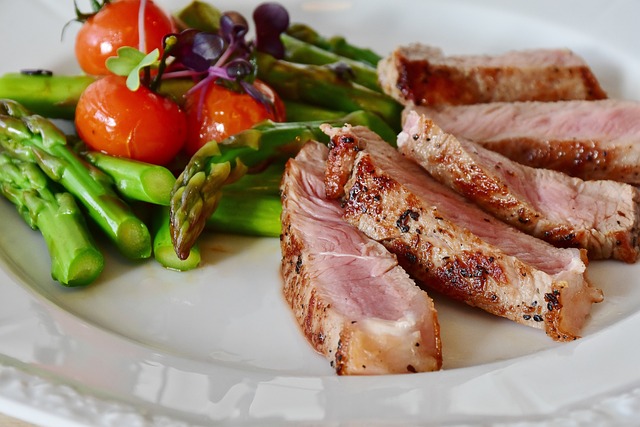
Meat-based options: Red meat, poultry, and seafood are good sources of heme iron, which is readily absorbed by the body. Enjoy delicious and nutritious options like lean cuts of beef, chicken breast, or tuna to up your iron intake.
Plant-based powerhouses: For those who prefer plant-based diets, many iron-rich alternatives exist! Leafy greens like spinach and kale are champions, offering a vegetarian-friendly choice. Legumes like kidney beans and lentils are packed with iron, while nuts and seeds like cashews and pumpkin seeds add a crunchy, iron-rich twist to your meals.
Iron’s Path: From Food to Body, Enhanced with Vitamin C
Absorption: Iron enters your body through the small intestine, but its journey isn’t always smooth. Heme iron, found in meat, seafood, and poultry, gets absorbed easily, while non-heme iron in plant-based foods faces a tougher climb.
Vitamin C to the Rescue: Here’s where vitamin C becomes your absorption hero! Pairing iron-rich meals with fruits, veggies, or even a glass of orange juice helps convert non-heme iron into a form your body readily absorbs, unlocking its potential.
Storage: Unused iron doesn’t just disappear. Your liver, spleen, and bone marrow act as iron vaults, storing it for future needs. But remember, hoarding can be harmful, so maintaining a balanced iron level is key.
Causes and Risk Factors of Iron Deficiency
Causes:
- Dietary Inadequacy: This is the most common cause, particularly for people who:
- Consume insufficient animal-based sources of iron (heme iron): Red meat, poultry, and seafood are readily absorbed compared to non-heme iron in plants.
- Have limited access to diverse sources of iron-rich foods: This can be due to economic limitations, dietary restrictions, or cultural practices.
- Do not combine iron-rich foods with vitamin C sources: Vitamin C enhances non-heme iron absorption.
- Increased Iron Needs: Certain situations require more iron:
- Pregnancy: Growing fetuses require iron for development.
- Infancy and Childhood: Rapid growth demands adequate iron.
- Heavy Menstrual Bleeding: Frequent or prolonged periods can deplete iron stores.
- Blood Loss: This can occur due to:
- Gastrointestinal conditions: Ulcers, Crohn’s disease, and hemorrhoids can cause chronic blood loss.
- Surgery: Major procedures can lead to blood loss.
- Injuries: Trauma can cause significant blood loss.
- Poor Absorption: Certain conditions can hinder iron absorption:
- Celiac disease: Damage to the small intestine reduces nutrient absorption.
- Inflammatory bowel disease: Chronic inflammation can affect iron absorption.
- Gastric bypass surgery: This procedure alters the digestive system, impacting iron absorption.
Risk Factors:
- Age: Infants, young children, pregnant women, and older adults are more susceptible.
- Diet: Vegetarians and vegans face higher risk due to lower heme iron intake.
- Medical Conditions: The conditions mentioned above increase the risk.
- Socioeconomic Status: Poverty and limited access to diverse foods can contribute.
- Menstrual History: Heavy or frequent periods increase iron loss.
- Pregnancy: Multiple pregnancies in quick succession can deplete iron stores.
- Genetics: Certain genetic variations can affect iron absorption or utilization.
Daily Iron Intake Recommendations
The recommended daily iron intake varies depending on age, sex, and health status. As of October 2023, the FDA recommends the following amounts:
- Men and postmenopausal women: 8 milligrams (mg) per day
- Women of childbearing age (19-50 years): 18 mg per day
- Pregnant women: 27 mg per day
- Breastfeeding women: 9 mg per day
Remember, these are general recommendations. It’s always best to consult your doctor about your individual iron needs, especially if you have any health concerns or are taking certain medications.
Additional Tips:
- Iron from animal sources (heme iron) is generally better absorbed than iron from plant sources (non-heme iron).
- Pairing iron-rich foods with vitamin C sources like citrus fruits or bell peppers can enhance iron absorption.
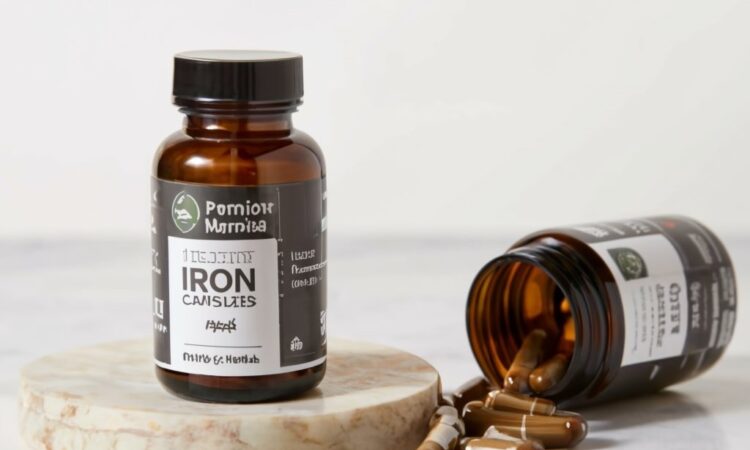
- Some people may need iron supplements to meet their needs, but it’s important to talk to your doctor first to avoid potential side effects.
Iron Dietary Supplements: Weighing the Pros and Cons
Iron is vital for numerous bodily functions, but dietary supplements aren’t always the answer. While they offer potential benefits, it’s essential to consider both advantages and disadvantages before taking them.
Benefits:
- Combating Fatigue: Iron deficiency can cause tiredness, and supplements may help address it, but only if deficiency is confirmed.
- Pregnancy Support: Pregnant women have increased iron needs, and supplements might be recommended by a doctor.
- Improved Physical Performance: For athletes with iron deficiency, supplements may enhance performance, but consult a doctor before taking them.
- General Health Contributions: Iron plays a role in immune function, oxygen transport, and metabolism. However, supplementation should be based on individual needs and shouldn’t replace a balanced diet.
Potential Disadvantages:
- Digestive Issues: Constipation, stomach pain, nausea, and diarrhea are common side effects, especially with high doses.
- Limited Effectiveness: Supplements may not always be absorbed well, and dietary iron from food is often preferred.
- Overconsumption Risks: Too much iron can be harmful, potentially causing joint pain, headaches, and other issues.
- Expense: Iron supplements can be costly compared to incorporating iron-rich foods into your diet.
Important Considerations:
- Diagnosis First: Don’t self-diagnose iron deficiency. Consult a doctor to assess your iron levels and determine if supplements are necessary.
- Dietary Focus: Prioritize iron-rich foods like red meat, legumes, and leafy greens for natural iron intake.
- Dosage Matters: Taking the correct dosage is crucial to avoid adverse effects. Follow your doctor’s recommendations.
- Supplement Quality: Choose reputable brands and consult your doctor or pharmacist for guidance.
Iron Overload: The Hidden Danger You May Not Know About
While iron is crucial for health, excessive intake can pose risks, albeit rare. Studies suggest a potential link between very high iron levels and an increased risk of liver cancer and diabetes. However, it’s important to understand that this risk primarily applies to situations where iron levels significantly exceed recommended daily intakes, often stemming from unnecessary supplementation rather than dietary sources.
Striking a balance matters for several reasons:
- Dietary iron sources are generally well-absorbed, making it unlikely to exceed daily needs even with a balanced diet rich in iron-rich foods.
- Iron supplements should only be taken under a doctor’s guidance, especially considering individual health conditions and potential interactions with medications.
- Regular blood tests can help monitor iron levels and ensure they remain within the healthy range.