

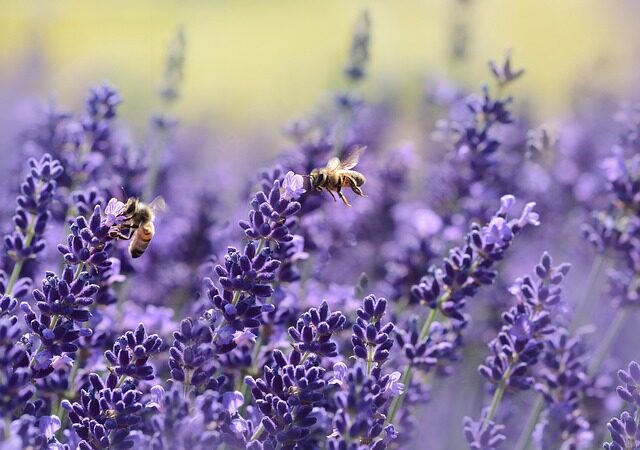
English Lavender: A Fragrant Herb with a Rich History
For centuries, True lavender or English lavender (Lavandula angustifolia) has captivated hearts and imaginations. This fragrant herb, with its rich historical legacy, has held deep significance in ancient cultures like the Egyptians, Greeks, and Romans, who even used it in their mummification rituals.
Beyond its historical importance, lavender’s true versatility shines through. Its delightful aroma and diverse chemical composition have made it a mainstay in various cultures, not only for its beauty but also for its potential health benefits. From culinary delights to traditional medicine, lavender has found its way into countless uses.
Today, this Mediterranean native has bloomed beyond its borders, flourishing in gardens and landscapes worldwide. Its adaptability to well-drained soil and sunny environments has solidified its place as a beloved choice for decorative and practical purposes. So, next time you encounter this fragrant wonder, remember its long and fascinating journey, and appreciate its enduring presence in our world.
Chemical Composition of True lavender
English lavender (Lavandula angustifolia) isn’t just a pretty face; it’s the dominant lavender species with global applications. Cultivated worldwide, it produces fragrant oils used in a diverse range of products, from aromatherapy and baked goods to candles, cosmetics, and even detergents.
Beyond its alluring scent, lavender boasts potential health benefits thanks to its abundance of volatile oils. These oils, encompassing components like:
- Linalool (Monoterpene): This terpene acts as a sedative, easing anxiety and promoting somnolence, making lavender a popular choice for relaxation and sleep aids.
- Perillyl Alcohol (Monoterpene): This potent compound exhibits anti-inflammatory properties, contributing to lavender’s potential role in pain management and tissue repair.
- Linalyl Acetate (Ester): This ester is the key player behind lavender’s characteristic aroma, offering a pleasant, calming scent.
- Camphor (Terpenoid): This terpenoid boasts antiseptic and analgesic properties, making it valuable for wound care and pain relief.
- Limonene (Monoterpene): This versatile monoterpene possesses potent antibacterial and antifungal properties, contributing to lavender’s broad-spectrum cleansing capabilities.
- Tannins (Polyphenols): These astringent and antioxidant compounds contribute to lavender’s effectiveness in wound healing and offer protection against cellular damage.
- Triterpenes (Terpenoids): These intriguing compounds exhibit both anti-inflammatory and antitumor potential, highlighting lavender’s potential therapeutic benefits.
- Cineole (Monoterpene): This monoterpene acts as a bronchodilator, aiding respiratory health by promoting easier breathing and potentially alleviating congestion.
- Geranyl acetate (Ester): This ester contributes to lavender’s aroma profile and may possess additional soothing properties, enhancing its overall therapeutic effects.
- Lavender (L. angustifolia) contains various minerals, including:
Health Benefits of Lavandula angustifolia
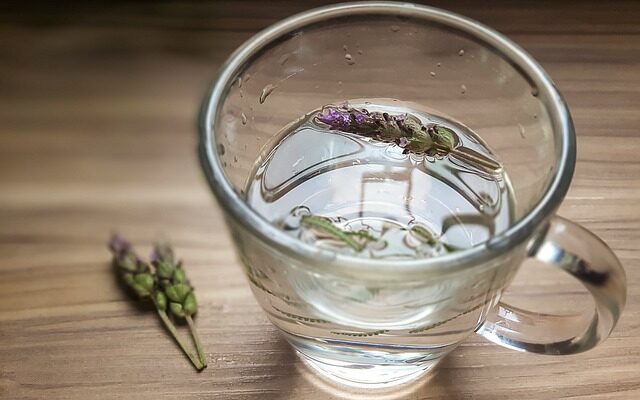
Lavender oil offers a range of health benefits, enhancing well-being in various aspects of life:
Pain Relief: Lavender oil exhibits analgesic properties, meaning it can directly reduce pain perception. This makes it a promising natural remedy for headaches, muscle aches, and even menstrual cramps.
Stress and Anxiety Management: Lavender oil’s calming and sedative effects are well-documented, making it a valuable tool for reducing anxiety and promoting emotional well-being. Studies have shown it to be effective in managing stress, improving mood, and even aiding in relaxation during stressful events.
Diabetes Support: Recent research suggests lavender oil may play a role in regulating blood sugar and improving metabolic health, potentially offering support for individuals with diabetes. However, further research is needed to fully understand its impact.
Cognitive Enhancement: Emerging evidence suggests regular use of lavender oil may improve cognitive function, potentially aiding in memory, focus, and overall brain performance. More research is needed to confirm these findings.
Wound Healing: Lavender oil’s antimicrobial and anti-inflammatory properties make it a valuable natural aid for wound healing. Studies have shown it can promote faster healing of burns, cuts, and scrapes, while reducing the risk of infection.
Sleep Improvement: Lavender oil’s relaxing aroma and calming effects can significantly improve sleep quality. Studies have shown it can reduce sleep latency (the time it takes to fall asleep) and promote deeper, more restful sleep.
Skin Health: Lavender oil’s antibacterial and anti-inflammatory properties can be beneficial for managing acne and promoting a clearer complexion. Additionally, its antioxidant content may help protect the skin from damage and slow down the signs of aging.
Antibacterial activity: Lavender essential oil shows promise as a natural antibacterial agent. The study identified eucalyptol and linalyl acetate as potential active ingredients, effective against E. coli in computer models. While more research is needed, this suggests lavender EO could hold potential for future development of natural antimicrobial products
Lavender’s Culinary Delights
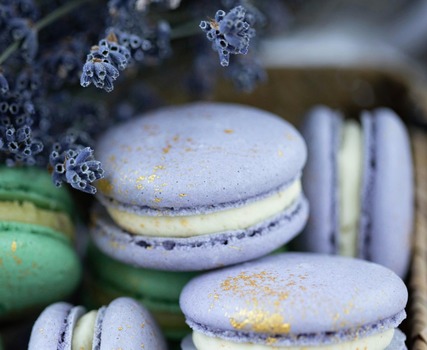
Lavandula angustifolia, valued for its aromatic attributes, finds its culinary niche by enhancing a wide array of recipes, spanning desserts, beverages, and savory dishes. Although the term “lavender” encompasses numerous plants within the Lavandula genus, featuring 47 flower species, not all are suitable for consumption. Culinary lavender, primarily sourced from Lavandula angustifolia, commonly known as English or “true” lavender, takes precedence in culinary applications for its distinctive flavor.
- Peach Lavender Jam: A luscious preserve where juicy peaches dance with delicate lavender for a flavor explosion.
- Lavender Lemonade: A refreshing summer drink that blends cool lemon with a hint of floral lavender, perfect for beating the heat.
- Homemade Lavender Syrup: Elevate your beverages with this sweet essence, adding a floral touch to cocktails, teas, or even a sparkling lavender soda.
- Lemon-Lavender Tea Cookies: Classic shortbread infused with sun-kissed lemon and the delicate aroma of lavender, a delightful treat.
- Lavender cake: typically made with a combination of ingredients that complement the floral and slightly herbal notes of lavender.
Savory Adventures:
- Lavender Focaccia: This rustic bread is infused with fragrant lavender and rosemary, creating a unique and flavorful masterpiece.
- Leg of Lamb with Lavender: Experience a culinary adventure with this roasted lamb marinated in olive oil, lavender, and garlic, an aromatic and mouthwatering dish.
- Lavender Honey: Infuse your honey with the subtle touch of lavender, adding a unique depth of flavor to your favorite recipes.
Lavender vs. Lavandin
English lavender, also known as Lavandula angustifolia, is the queen of aromatherapy. Its essential oil, with its sweet and delicate floral scent, creates a captivating symphony for the senses. Widely cultivated as a garden favorite, this lavender reigns supreme in the world of high-end skincare and cosmetics, adding an exquisite touch to luxurious products.
Lavandin: The Mighty Yet Affordable Cousin
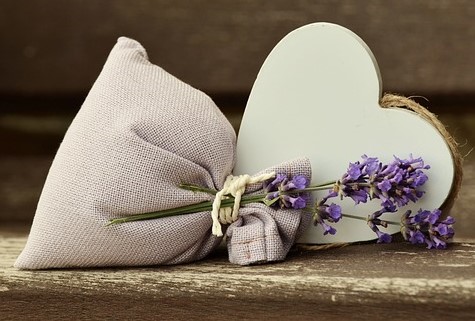
Lavandin, a bold mix of English and Spike lavender, packs a punch. It produces five times more essential oil, making it budget-friendly for everyday products like soaps and detergents. While its scent is stronger, Lavandin’s affordability makes it a versatile choice for cleaning and household uses.
Benefits of Lavandin:
- Cost-effective: More oil means lower prices.
- Bold fragrance: Perfect for scenting soaps and detergents.
- Cleaning power: Naturally cleanses and deodorizes.
- Widely available: Easy to find in various products.
Know Your Lavender: Safety First!
Allergy Alert:
While English Lavender is generally safe, those with allergies to Lamiaceae family plants (mint, sage) should proceed with caution. Watch for skin rash, itching, swelling, or breathing difficulty after using lavender products. If you experience any of these symptoms, stop using it immediately and seek medical attention.
Medications & Lavender:
Lavender can interact with certain medications. If you take sedatives, tranquilizers, diabetes, or high blood pressure medications, talk to your doctor before using lavender products. It’s always best to be safe and discuss potential interactions with your healthcare professional.
Safe Usage Tips:
- Dilute essential oil: Never apply undiluted to skin, use a carrier oil like coconut or almond oil.
- Patch test: Apply diluted oil to a small skin area and wait 24 hours for any reactions.
- Never ingest essential oil: Seek professional guidance before consuming lavender internally.
- Storage: Keep products cool, dry, and away from direct sunlight.
FAQ 1. Is Lavandula angustifolia synonymous with lavender? Indeed, Lavandula angustifolia serves as the scientific nomenclature for the commonly known lavender. However, it’s important to note that while Lavandula angustifolia is often referred to as “true” lavender, there are other lavender species with distinct characteristics. 2. Are there any potential side effects of using Lavandula angustifolia? While Lavandula angustifolia is generally considered safe, some individuals may experience allergic reactions or skin irritations. It is always recommended to perform a patch test before using lavender products extensively. Additionally, individuals taking certain medications or with underlying medical conditions should consult a healthcare professional before using lavender therapeutically. 3. Can Lavandula angustifolia be used in cooking? Absolutely! Lavandula angustifolia has culinary applications and can be used to add a floral and aromatic touch to various dishes and beverages. However, it is essential to use culinary-grade lavender and exercise caution with the quantity to avoid overpowering the flavor of the dish. 4. Can Lavandula angustifolia be grown at home? Yes, Lavandula angustifolia can be successfully grown at home, either in garden beds or containers. It requires well-drained soil, plenty of sunlight, and regular pruning to promote healthy growth. With proper care, you can enjoy the beauty and benefits of Lavandula angustifolia right in your own backyard. |