


Lemon Catnip : A Fragrant Perennial
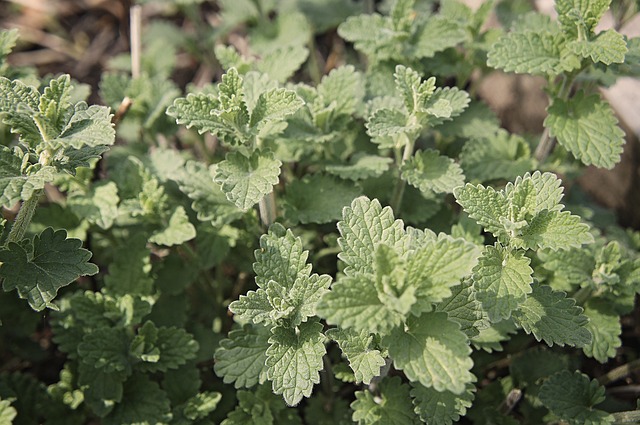
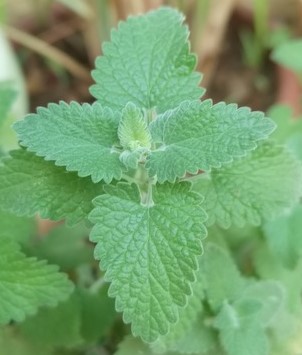
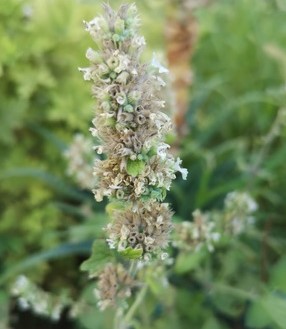
Lemon Catnip (Nepeta cataria citriodora), a resilient perennial from the mint family (Lamiaceae), can grow up to four feet tall and withstand harsh winter conditions. Distinguished from its regular Catnip counterpart, Lemon Catnip features refreshing lemon-scented leaves that bring a unique fragrance to any garden. In spring, its triangular, serrated foliage appears, adorning the square, well-branched stems. As summer unfolds, whorled flower stalks emerge, showcasing clusters of delicate whitish or pale pink blooms marked with charming red spots. This fragrant and colorful display is sure to captivate any onlooker.
Catnip and Lemon Catnip Distinctions
Both Catnip (Nepeta cataria) and Lemon Catnip (Nepeta cataria var. citriodora) belong to the Lamiaceae family, but their paths diverge in fascinating ways. Let’s delve into their distinct characteristics:
Origin and Claim to Fame:
- Catnip: A native of the Mediterranean and Central Asia, it boasts a long history of medicinal use and a unique ability to captivate cats with its nepetalactone oil, inducing a playful euphoria.
- Lemon Catnip: This fragrant relative originates from the same region, but its claim to fame lies in its refreshing lemon scent, enjoyed by humans rather than cats.
Feline Allure (or Lack Thereof):
- Catnip: The nepetalactone oil in its leaves and stems triggers an irresistible response in cats, leading to playful behavior and even self-medication, potentially enhancing mosquito-repelling properties.
- Lemon Catnip: Despite its close relation, this variety lacks the feline-attracting power of nepetalactone, leaving our furry friends unfazed.
Medicinal Applications (Past and Present):
- Catnip: Traditionally used for anti-inflammatory, sedative, and digestive purposes, its leaves and flowers are incorporated into teas and tinctures for relaxation and sleep support. While further research is needed, its popularity in herbal practices persists.
- Lemon Catnip: Historically employed for digestive, sedative, relaxant, and other medicinal applications, its essential oil shares similarities with lemon balm (Melissa officinalis), suggesting potential for similar therapeutic benefits. However, more research is required to validate these claims.
Phytochemicals in Nepeta cataria var. citriodora
Lemon Catnip (Nepeta cataria L. var. citriodora), famed for its aromatic foliage and potential medicinal properties, harbors a diverse array of intriguing chemical constituents:
Terpenes and Aromatic Compounds
Lemon Catnip boasts a variety of terpenes, including pinene, sabinene, and caryophyllene, which contribute to its characteristic scent and flavor. Additionally, it contains:
- Citral: Primarily responsible for the distinctive lemon scent, citral has antimicrobial and anti-inflammatory properties.
- Monoterpenes:
- Alcohols:
- Geraniol (known for its pleasant aroma, exhibits antioxidant and anti-inflammatory effects and has potential as an insect repellent)
- Nerol (not previously mentioned, but belongs in this category with similar properties to geraniol)
- Citronellol (This alcohol contributes to the lemony fragrance and has anti-inflammatory and antimicrobial properties)
- Aldehydes:
- Neral
- Geranial
- Alcohols:
The presence of ketones like nepetalactone and other alcohols such as dodecenol adds complexity to Lemon Catnip’s chemical profile, influencing its aroma and potential medicinal properties.
- Nepetalactone: Although found in smaller amounts compared to regular Catnip, nepetalactone attracts cats and has mild sedative properties in humans.
Oxides and Iridoids
Caryophyllene oxide, along with iridoids, represents another group of compounds found in Lemon Catnip, contributing to its diverse chemical makeup and potential health benefits.
Essential Nutrients and Minerals
Lemon Catnip is rich in essential vitamins, including Vitamin C, as well as minerals like manganese, potassium, and selenium, which play vital roles in human health.
Health Benefits and Holistic Impact
Antibacterial Activity
Nepeta cataria citriodora essential oil (EO) exhibits significant antibacterial properties, effectively combating various food-borne pathogens such as Staphylococcus aureus and Escherichia coli. This antibacterial activity is primarily due to its diverse chemical composition, including nepetalactone isomers and other compounds like α- and β-pinene and caryophyllene oxide. These properties make N. cataria citriodora EO a promising natural antibacterial agent for potential use in pharmaceutical applications.
Antioxidant Activity
The antioxidant potential of Nepeta cataria citriodora is well-documented, with various extracts demonstrating strong free radical scavenging abilities. Ethanol and water extracts, along with methanolic extracts, have shown significant activity in reducing DPPH and ABTS radicals. These antioxidant properties suggest that N. cataria citriodora could be valuable in developing natural antioxidant supplements and treatments aimed at mitigating oxidative stress-related diseases.
Anti-inflammatory and Antinociceptive Activities
Nepeta cataria citriodora also possesses notable anti-inflammatory and antinociceptive activities. Its essential oil has been shown to reduce induced edema in experimental models, highlighting its potential as a natural anti-inflammatory agent. The presence of compounds such as nerol, known for their anti-inflammatory and pain-relieving properties, further supports the use of N. cataria citriodora in treating conditions associated with inflammation and pain.
Therapeutic Spectrum
Lemon Catnip offers a broad therapeutic spectrum, ranging from astringency and antibiotic properties to diuretic and sedative effects. Its influence extends to various organs and systems, including the gastrointestinal tract, central nervous system, skin, kidneys, muscles, and respiratory system.
Medicinal Repertoire
This versatile herb is valued for its diverse medicinal repertoire, which includes:
- Anxiety and Insomnia Treatment: Lemon Catnip is known for its calming properties, making it a popular choice for anxiety and insomnia relief.
- Immune System Support: It aids in bolstering the immune system, helping the body fight off infections and illnesses.
- Post-Exercise Muscle Relaxation: Lemon Catnip promotes muscle relaxation after physical exertion, aiding in post-exercise recovery.
- Digestive Aid: It provides relief from indigestion, cramps, and bloating, facilitating digestive comfort.
- Fever and Cold Management: Lemon Catnip is utilized in managing fevers and colds, offering symptomatic relief.
Culinary Uses of Lemon Catnip
Lemon Catnip offers a surprising culinary twist! Here’s how to incorporate it into your dishes:
- Leaves: Young leaves boast a refreshing lemon scent with a subtle peppery kick. Finely chop them to enhance salads, marinades, and stuffings for a touch of brightness.
- Flowers: Pale pink flowers with a delicate fragrance add a beautiful touch as edible garnishes for desserts or cocktails.
Lemon Catmint Herbal Tea
This delightful tea combines lemony zest with the soothing properties of catmint. It uplifts the spirit, relaxes the mind, and is enjoyed worldwide for its calming properties.

Moroccan Tea Tradition: Moroccan tea culture is rich with a variety of herbs, including spearmint, peppermint, pennyroyal, lesser calamint, wormwood, and lemon verbena. Among these, the addition of lemon catmint stands out, infusing the tea with a refreshing lemony aroma.
Recipe: Moroccan Tea with Lemon Catnip: To prepare traditional Moroccan tea, start by bringing water to a boil and adding tea gunpowder and sugar. Once the mixture reaches a boil, remove it from the heat and add fresh spearmint and lemon catnip leaves. Allow the tea to steep for a few minutes, then serve and savor the delightful blend of flavors.
Side Effects and Precautions
Side Effects: While Lemon Catnip offers various potential benefits, it’s essential to be mindful of possible side effects. Some individuals may experience mild allergic reactions, digestive discomfort, or drowsiness when consuming Lemon Catnip.
Precautions: Pregnant or breastfeeding individuals should consult healthcare professionals before using Lemon Catnip, as its safety in these circumstances is not well-established. Additionally, individuals with pre-existing medical conditions or those taking medications should seek medical advice before incorporating Lemon Catnip into their wellness routine, as it may interact with certain medications.
| Nepeta cataria: Q &A Q: What is Nepeta cataria? A: Nepeta cataria, commonly known as catnip, is a herbaceous plant known for its distinct fragrance and effects on cats. Q: How does Nepeta cataria differ from Lemon Catnip? A: Lemon Catnip (Nepeta cataria citriodora) is a variety of catnip with a lemon fragrance, but unlike common catnip, it does not elicit the same response from cats. Q: What is the enchanting allure of catnip for cats? A: The enchanting allure of catnip for cats is attributed to its volatile oil, nepetalactone, concentrated within the leaves and stems, inducing a transient euphoric response in felines. Q: How does Nepeta cataria contribute to feline behavior? A: Nepeta cataria, or catnip, induces a euphoric response in cats when they interact with its volatile compounds, resulting in behaviors such as rolling, rubbing, and playful antics. Q: What are the historical medicinal uses of Nepeta cataria? A: Nepeta cataria has a historical legacy of medicinal use, with its leaves and flowers ascribed to possess anti-inflammatory, sedative, and digestive properties. Traditionally used for issues like headaches and insomnia, it has found a place in herbal teas and tinctures for relaxation and sleep support. |