

Aloysia citrodora ,lemon verbena, Hierba Luisa, Verveine citronnelle, Zitronenstrauch, Verbena odorosa, Verbena-limão, Вербена лимонная, レモンバーベナ, λουΐζα, Citronverbena, Limon otu, 檸檬馬鞭草, رِعْي الحمام- لويزة
Aloysia citrodora: The Fragrant Lemon Verbena
Lemon verbena (Aloysia citrodora) is a captivating herb prized for its vibrant lemon scent and delicate leaves. It adds a burst of citrusy freshness to gardens and kitchens alike. This fragrant shrub boasts a rich history and diverse uses, making it a popular choice for gardeners, chefs, and those seeking natural remedies.
- Origins: Native to South America, lemon verbena thrives in warm climates. It gained recognition in Europe during the late 18th century.
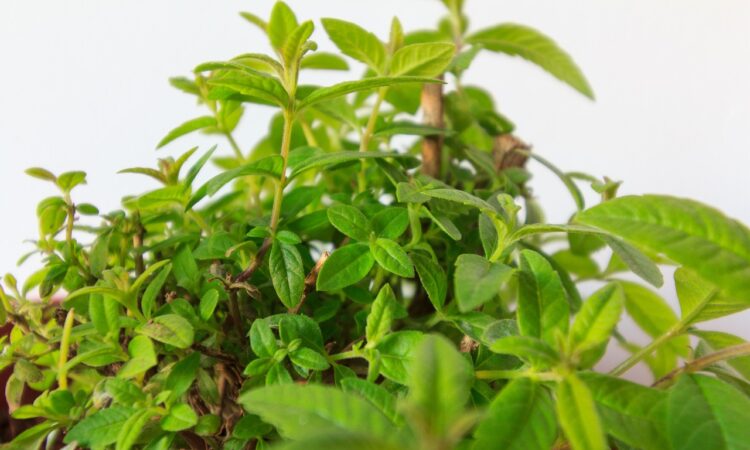
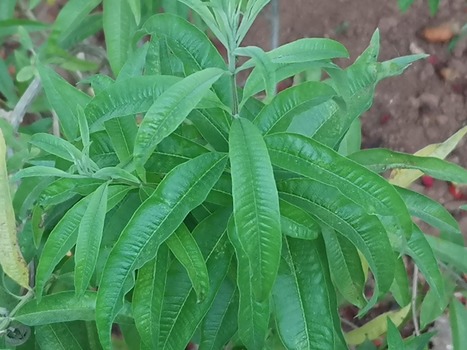
- Appearance: Featuring slender stems and bright green leaves, lemon verbena releases a delightful lemon fragrance when crushed.
- Symbolism: Traditionally associated with love and well-being, lemon verbena was a Victorian symbol of devotion.
- Culinary Uses: A versatile ingredient, lemon verbena enhances Moroccan tea blends, South American beverages, and desserts.
- Traditional Uses: Lemon verbena has been used as a natural air freshener and in traditional medicine to aid digestion, soothe nerves, and alleviate muscle pains.
The Chemistry Behind Lemon Verbena’s Benefits
Lemon verbena’s power goes beyond its delightful fragrance. The essential oil extracted from its leaves, though a small portion (0.2-1% by dry weight), packs a powerful punch.
Citral: The Star of the Show (10-40%)
Citral, a combination of neral and geranial isomers, takes center stage in the essential oil. These compounds not only give lemon verbena its characteristic lemony scent, but also contribute significantly to its potential health benefits.
Supporting Cast with Hidden Talents:
While citral steals the spotlight, other fascinating chemical players contribute their unique properties:
- Limonene: This compound, also found in citrus peels, offers potential benefits like improved mood and antimicrobial activity.
- Cineole: Known for its presence in eucalyptus, cineole may contribute to anti-inflammatory and respiratory-clearing effects.
- Geraniol: This floral-scented compound offers potential benefits like pain relief and antimicrobial activity.
- β-caryophyllene: This versatile molecule has been linked to anti-inflammatory and pain-relieving properties.
- Spathulenol: This lesser-known compound may contribute to the oil’s overall anti-inflammatory effects.
Beyond the Essential Oil: A Treasure Trove of Health
The magic of lemon verbena doesn’t stop at the essential oil. The leaves themselves are a treasure trove of health-promoting compounds:
- Polyphenolic Compounds: These antioxidants, including verbascoside, help protect cells from damage.
- Flavonoids: These powerful plant chemicals, like luteolin, offer various health benefits and may contribute to the antispasmodic properties of lemon verbena.
- Iridoid Glucosides: These unique compounds are currently being researched for their potential health benefits.
- Potassium: This mineral plays a crucial role in maintaining proper muscle and nerve function.
Lemon Verbena: A Natural Ally for Your Well-Being
Lemon verbena isn’t just a delightful herb for tea; it boasts a treasure trove of potential health benefits. Let’s delve into the science behind its impressive properties:
Anti-Inflammatory Properties:
- Lemon verbena leaves are acknowledged for their anti-inflammatory properties, with specific studies noting a reduction in interleukin-6, an inflammatory protein.
- Components involved: Lemon verbena contains compounds such as polyphenols and flavonoids which contribute to its anti-inflammatory effects. Notably, these components induce heightened blood levels of the antioxidant enzyme glutathione peroxidase (GPx), pivotal for free radical removal.
Sleep Quality Improvement:
Lemon verbena extracts (VEE) and a compound called verbascoside (Vs) show potential for stress and mood management. Research indicates that they operate through different pathways depending on the dosage. Higher doses of VEE seem to promote relaxation by influencing genes related to calcium and cyclic AMP, which are important for cell communication. On the other hand, lower doses of both VEE and Vs could help regulate mood by boosting the production of mood-related proteins.
Chemical Components:
- Lemon verbena extracts (VEE): A mix of various plant compounds.
- Verbascoside (Vs): A specific flavonoid compound found in lemon verbena
Antioxidant Activity – Verbascoside:
- Lemon verbena leaves and extracts showcase robust antioxidant effects due to the presence of the compound verbascoside.
- Components involved: Verbascoside is a phenylethanoid glycoside found in lemon verbena, contributing to its antioxidant activity.
Potential Anti-Obesity Effects:
- Metabolism Regulation: Compounds in lemon verbena may influence metabolic processes, potentially enhancing calorie expenditure and fat breakdown.
- Appetite Control: Lemon verbena extracts might help regulate appetite, reducing overall food intake and promoting feelings of fullness.
- Blood Sugar Regulation: Some research suggests that lemon verbena could help stabilize blood sugar levels, which is crucial for managing weight and preventing obesity-related complications.
- Inflammation Reduction: Lemon verbena contains antioxidants that could help reduce inflammation, which is often associated with obesity and metabolic disorders.
- Components involved: The abundance of organic compounds in lemon verbena, including verbascoside, polyphenols, and flavonoids, may impact specific hormones, aiding in appetite reduction.
Lemon Verbena in Aromatherapy:
- Lemon verbena essential oil offers stress relief, anxiety reduction, promotes better sleep, and uplifts moods in aromatherapy.
- Components involved: The essential oil of lemon verbena contains various compounds, including citral, limonene, and linalool, which contribute to its aromatic and therapeutic properties.
Recipes and Culinary Inspiration with Lemon Verbena
Beyond its impressive health benefits, lemon verbena shines as a versatile culinary companion. Here’s how to incorporate its bright citrus notes into your meals and beverages:
Lemon Verbena Infused Beverages:
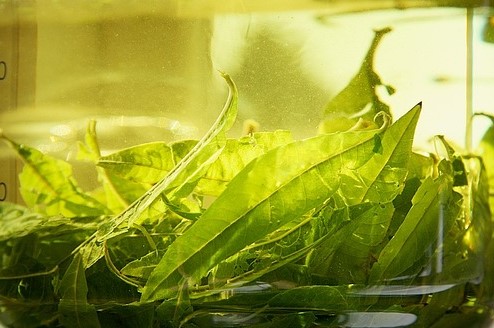
- Sparkling Refreshment: Steep fresh lemon verbena leaves in hot water to create a fragrant tea base. Chill it and add a splash of sparkling water for a delightful twist on iced tea.
- Citrusy Infused Water: Add a sprig of fresh lemon verbena to a pitcher of water for a subtle yet refreshing citrus infusion. Enjoy it throughout the day for a healthy and flavorful pick-me-up.
- Lemon Verbena Cocktail Creations: Feeling adventurous? Craft a unique cocktail by muddling fresh lemon verbena leaves with your favorite spirits and mixers. Experiment and discover your perfect blend!
Lemon Verbena in Savory Dishes:
- Salad Sensation: Elevate your salads by adding chopped fresh lemon verbena leaves. It pairs beautifully with leafy greens, berries, feta cheese, and a light vinaigrette.
- Marination Magic: Incorporate chopped lemon verbena into your seafood, chicken, or vegetable marinades. The citrus notes will add a delightful zing to your grilled or roasted dishes.
- Zesty Dressings: Lemon verbena’s brightness complements homemade dressings perfectly. Add a touch of chopped leaves to your favorite vinaigrette recipe for a burst of flavor.
Desserts, Baked Goods, and Sweet Treats:
- Creamy Delights: Infuse your homemade custard, panna cotta, or ice cream with lemon verbena leaves for a subtle yet sophisticated citrus aroma.
- Sorbet Surprise: Create a refreshing lemon verbena sorbet by incorporating lemon verbena leaves during the preparation process.
- Aromatic Baked Goods: For a fragrant twist, add a sprinkle of dried lemon verbena leaves to your cookie dough, cake batter, or muffin mix. The delicate citrus notes will add a delightful surprise to your baked goods.
Lemon Verbena: Safety & Precautions
Lemon verbena is generally considered safe when consumed in typical food amounts but may pose risks in larger medicinal doses. While short-term use is generally well-tolerated, certain precautions should be noted:
- Pregnancy and Breastfeeding: Due to insufficient safety data, it’s advisable to avoid lemon verbena during pregnancy and breastfeeding.
- Skin Irritation: Some individuals may experience an itchy rash from topical application of lemon verbena.
- Kidney Disease: Excessive consumption of lemon verbena may irritate the kidneys and exacerbate existing kidney problems.
- Interactions with Sedative Medications: Lemon verbena can enhance the drowsiness caused by medications such as benzodiazepines.
It’s crucial to seek guidance from a healthcare professional before incorporating lemon verbena into your regimen, particularly if you have underlying health conditions or are taking medications.
| FAQ 1. How do I use Lemon Verbena in cooking? Lemon Verbena can be used in various culinary applications. Its leaves can be used fresh or dried to infuse dishes with a delightful lemony flavor. Add it to teas, syrups, sauces, marinades, dressings, and desserts for a refreshing and aromatic twist. Experiment with different recipes and discover new ways to incorporate the vibrant flavors of Lemon Verbena into your cooking. 2. Can I grow Lemon Verbena in my garden? Yes, Lemon Verbena can be grown in gardens or containers. It prefers a sunny location with well-draining soil. Regular watering and adequate sunlight are essential for its growth. Lemon Verbena is a perennial plant in warmer climates but may require additional care or protection in colder regions. Consult local gardening resources or experts for specific guidance based on your location. 3. Are there any health benefits associated with Lemon Verbena? Lemon Verbena is known for its potential health benefits. It is believed to have antioxidant properties and may aid in digestion, relaxation, and promoting overall well-being. However, it is important to note that individual experiences may vary, and it is always advisable to consult with a healthcare professional before using Lemon Verbena for medicinal purposes. 4. How can I preserve and store Lemon Verbena leaves? To preserve Lemon Verbena leaves, you can dry them by hanging the stems upside down in a cool, dry location. Once the leaves are thoroughly dry, store them in an airtight container away from direct sunlight. Alternatively, you can freeze the leaves by placing them in a resealable bag or container. Freezing helps retain the herb’s flavor and aroma. When needed, simply remove the desired amount and return the rest to the freezer. |