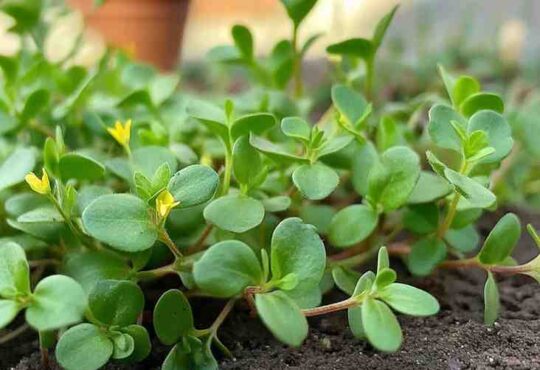



Lemongrass: Capim-limão, 柠檬草, Citronnelle, Zitronengras, Hierba de Limón, Λεμονόχορτο, Лимонная трава, Sitrongress, Citrongräs, Sitruunaruoho, レモングラス, Limon Otu Tohumu, عشبة الليمون.
Lemongrass: From Ancient Elixir to Global Culinary Star
Cymbopogon citratus, commonly known as lemongrass, is a captivating aromatic herb renowned for its vibrant green stalks and refreshing citrus fragrance. Beyond its culinary applications, lemongrass boasts a rich and multifaceted history, evolving from a cornerstone of traditional medicine in Southeast Asia to a ubiquitous ingredient in global cuisines.
Southeast Asian Medicine: Lemongrass, with roots in Southeast Asian medicine (Thailand, Vietnam, India), boasts a rich history. Its unique properties were harnessed for centuries to promote well-being. This traditional knowledge laid the foundation for its global popularity.
Global Culinary Star: Lemongrass’s reputation for health benefits transcended cultures. Its distinctive citrusy aroma, thanks to citral, propelled it to become a beloved culinary ingredient. Today, chefs worldwide incorporate lemongrass into their dishes, infusing them with its invigorating flavors.
Adaptable Climates: Remarkably adaptable, lemongrass thrives in warm, humid climates. This characteristic facilitated its spread across continents, flourishing in Asia, Africa, Australia, and the Americas. Its resilience allows it to thrive in diverse environments, from vast fields to windowsill pots.
Versatile Favorite: Lemongrass remains a versatile favorite. Its fragrant presence continues to enhance global cuisines, while its historical use in traditional medicine highlights the enduring power of ancient wisdom. This multifaceted herb bridges the gap between ancient knowledge and modern gastronomy.
Lemongrass Essential Oil: A Fragrant Powerhouse
Lemongrass essential oil (EO) captivates with its exhilarating citrus aroma and a multitude of health benefits. Extracted from lemongrass leaves, this oil finds widespread application in various industries. Its acclaim stems from its rich chemical profile, dominated by monoterpenes, a class of organic compounds found in many essential oils.
Here’s a breakdown of the key components and their classifications:
- Monoterpene Aldehydes:
- Citral: This is the major component of lemongrass oil, a mixture of the isomers neral and geranial. These contribute significantly to the oil’s lemony scent and antimicrobial properties.
- Citronellal: Another monoterpenoid aldehyde present in smaller quantities, contributing to the citrusy aroma.
- Monoterpenoid Alcohols:
- Geraniol: This alcohol provides a subtle rose-like note to the oil’s fragrance.
- Citronellol: Similar to geraniol, citronellol offers a floral, rose-like scent.
- Esters:
- Geranyl Acetate: This ester, formed from geraniol and acetic acid, adds a floral-fruity dimension to the overall aroma.
- Sesquiterpenes:
- Germacrene-D: This sesquiterpene hydrocarbon contributes woody and herbal notes to the oil’s complex fragrance profile.
- Elemol: Another sesquiterpene alcohol, adding a subtle woody nuance.
Lemongrass: A Source of Potential Health Benefits
Lemongrass isn’t just a flavorful culinary ingredient; it also boasts a powerful arsenal of antimicrobial properties. Both lemongrass extract and essential oil exhibit a broad spectrum of activity against bacteria, fungi, and viruses, making it a promising natural alternative to synthetic pharmaceuticals. Let’s delve deeper into the science behind lemongrass’s antimicrobial potential.
Fighting Bacteria:
Lemongrass essential oil displays potent antibacterial effects against a wide range of bacteria, including both Gram-positive and Gram-negative types. Its weapons of choice are multi-pronged:
- Disrupting Biofilms: These are sticky communities of bacteria that can be difficult to eradicate with traditional antibiotics. Lemongrass oil can disrupt these biofilms, making bacteria more vulnerable.
- Destabilizing Cell Membranes: The essential oil disrupts the integrity of bacterial cell membranes, essentially puncturing their defenses.
- Inhibiting Cytoplasmic Metabolism: It interferes with the internal processes bacteria need to survive and multiply.
This multi-pronged attack leads to bacterial growth inhibition and ultimately, cell death. Notably, lemongrass oil shows efficacy against multidrug-resistant bacteria, offering a glimmer of hope in the fight against antibiotic resistance.
Combating Fungal Threats:
Lemongrass oil’s antifungal activity extends to various fungal strains. Here’s how it tackles these foes:
- Disrupting Fungal Membranes: Similar to its effect on bacteria, lemongrass oil disrupts the protective membranes of fungi, hindering their ability to function properly.
- Inhibiting Spore Germination: Fungal spores are the reproductive units that allow them to spread. Lemongrass oil can inhibit spore germination, hindering fungal proliferation.
- Inducing Oxidative Damage: The oil disrupts the fungal cell’s internal environment, leading to oxidative damage and ultimately, cell death.
This multifaceted approach makes lemongrass oil valuable not only for medicinal purposes but also in food preservation applications, where it can extend shelf life by inhibiting fungal growth.
Thwarting Viruses:
The antiviral potential of lemongrass oil is another exciting area of research. Studies suggest it can inhibit a range of viruses, including:
- Herpes simplex virus
- Murine norovirus
- Human adenovirus
The oil appears to work by interfering with the processes viruses use to replicate and spread, effectively hindering their ability to cause infection. Notably, research shows promise against influenza and coronaviruses, highlighting lemongrass’s potential relevance in combating future pandemics.
Antioxidant Power:
Lemongrass extracts are rich in antioxidants, compounds that combat harmful free radicals produced in the body. These free radicals can contribute to various health issues like cancer and aging. Lemongrass antioxidants, particularly citral, help by:
- Reducing free radical concentration
- Minimizing lipid peroxidation (damage to fats)
- Enhancing the body’s natural antioxidant defenses
This antioxidant power translates to potential applications in:
- Food preservation: Coating meat and dairy products with lemongrass oil can extend shelf life by reducing lipid peroxidation.
- Health protection: Lemongrass oil’s antioxidant activity may offer benefits against oxidative stress, a factor linked to various chronic diseases.
Anticancer Mechanisms:
The potential of lemongrass extends further, with research exploring its possible role in combating cancer. Here’s a closer look at the key components and their mechanisms:
Key Components:
- Citral: Selectively targets and kills cancer cells through apoptosis (programmed cell death) by activating caspases, fragmenting DNA, and arresting cell cycle progression. It also disrupts cancer cell growth pathways.
- Geraniol: Suppresses tumor growth through multiple mechanisms, including inducing the production of reactive oxygen species (ROS) within cancer cells, altering tubulin assembly (essential for cell division), and regulating proteins involved in cell cycle control.
- D-limonene: Inhibits a key signaling pathway (PI3K/Akt) crucial for cancer cell survival, triggers apoptosis in the mitochondria (cell’s energy center), and hinders cancer cell migration and invasion.
- Citronellol: Induces apoptosis via ROS production, mitochondrial alterations, and caspase activation.
- α-bisabolol: Triggers apoptosis through the intrinsic mitochondrial pathway and autophagy (cell clean-up process), while also inhibiting cancer cell cycle progression
Nutritional Value:
Lemongrass boasts a modest, yet beneficial, nutritional profile. It’s:
- Low in Calories and Carbs: Makes it a suitable choice for weight management or calorie-conscious diets.
- Source of Essential Vitamins and Minerals: Lemongrass provides vitamin C for immune function, vitamin A for vision, folate for cell health, potassium for heart health, and manganese for enzyme function.
Lemongrass EO: Offering Multifaceted Benefits
Lemongrass essential oil (LEO) isn’t just a fragrant addition to your diffuser; it’s a versatile product with a range of applications:
- Aromatherapy: Diffused lemongrass oil creates a calming and refreshing ambiance, promoting relaxation and focus.
- Massage Therapy: When diluted with a carrier oil, LEO can be used for massage therapy, potentially easing muscle tension and aches. (**Caution: Always dilute properly before topical application)
- Skincare: Lemongrass oil, diluted properly, can be incorporated into skincare routines for a natural glow. Its astringent properties may help regulate oil production and minimize blemishes. (**Caution: Patch test before applying to a wider area as lemongrass oil can irritate sensitive skin).
- Insect Repellent: LEO’s effectiveness as an insect repellent makes it ideal for enjoying outdoor activities pest-free.
Lemongrass: A Culinary Delight
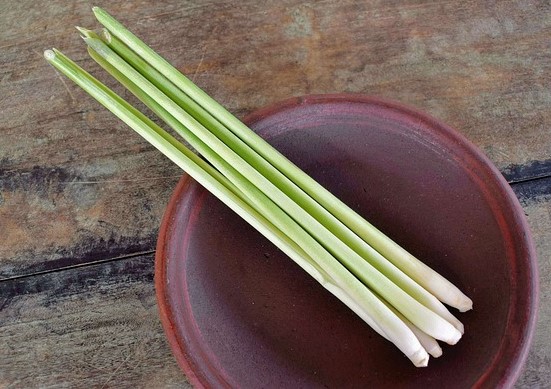
Lemongrass isn’t just a fragrant addition to your dishes; it’s a versatile herb with a surprising range of potential health benefits.
Culinary Delights and Recipes
Lemongrass is a staple in many cuisines around the world, particularly Southeast Asia. Its zesty, citrusy flavor with a hint of ginger adds a refreshing twist to various dishes:
- Soups and Curries: The tough outer stalks are typically bruised or chopped to release their flavor and then removed before serving.
- Stir-fries: Thinly sliced lemongrass adds a vibrant touch to stir-fry vegetables and protein.
- Marinades: Lemongrass infuses meat, poultry, and seafood with its unique flavor profile, perfect for grilling, roasting, or barbecuing.
- Teas and Cocktails: Bruised lemongrass adds a subtle lemony note to teas and a fragrant twist to cocktails.
Beyond its flavor, lemongrass brings a delightful aroma that will fill your kitchen with a touch of Southeast Asian flair.
Lemongrass: Side Effects and Precautions
- Pregnancy and Breastfeeding: Consult a healthcare provider before using lemongrass if you are pregnant or breastfeeding due to its potential effects on menstrual flow and embryonic development.
- Medications: Lemongrass may interact with certain medications. Discuss potential interactions with your doctor before using lemongrass, especially if you are taking any medications.
Potential Side Effects:
- General: Dizziness, weakness, nausea, and low blood pressure are possible side effects.
- Allergies: People with food allergies may experience skin rashes or hives after consuming lemongrass.
- Pregnant Women: Lemongrass may stimulate menstruation, raising concerns about miscarriage.
Consult a Healthcare Professional:
Always consult a healthcare professional before using lemongrass for medicinal purposes, especially if you have any underlying health conditions.
FAQ
1. Can I use lemongrass in cooking without any preparation?
Yes, lemongrass can be used in cooking without any special preparation. However, it is recommended to remove the tough outer layers and use only the tender inner stalks. These can be cut, pounded, or sliced to release their aromatic flavors. Alternatively, you can also use dried or powdered lemongrass as a convenient substitute.
2. Is lemongrass safe for consumption by everyone?
Lemongrass is generally safe for consumption. However, some individuals may experience allergies or sensitivities to lemongrass, so it is advisable to use caution when using it for the first time. Additionally, pregnant or breastfeeding women, as well as individuals with certain medical conditions or who are taking specific medications, should consult with a healthcare professional before incorporating lemongrass into their diet or using it for medicinal purposes.
3. Can I grow lemongrass in my garden?
Yes, lemongrass can be grown in gardens or even in containers. It thrives in warm, tropical climates but can also be cultivated in colder regions with proper care. Lemongrass requires well-drained soil, plenty of sunlight, and regular watering. With the right conditions and care, you can enjoy a fresh and sustainable supply of lemongrass right from your own garden.
4. Are there any alternative uses for lemongrass besides culinary and medicinal applications?
Absolutely! Lemongrass is not just limited to culinary and medicinal uses. It also has potential applications in the cosmetic and perfumery industry. The essential oil extracted from lemongrass is valued for its pleasant fragrance and is often used in soaps, lotions, perfumes, and other beauty and personal care products. Additionally, lemongrass can be used as a natural insect repellent, making it an eco-friendly alternative to chemical-based repellents.