

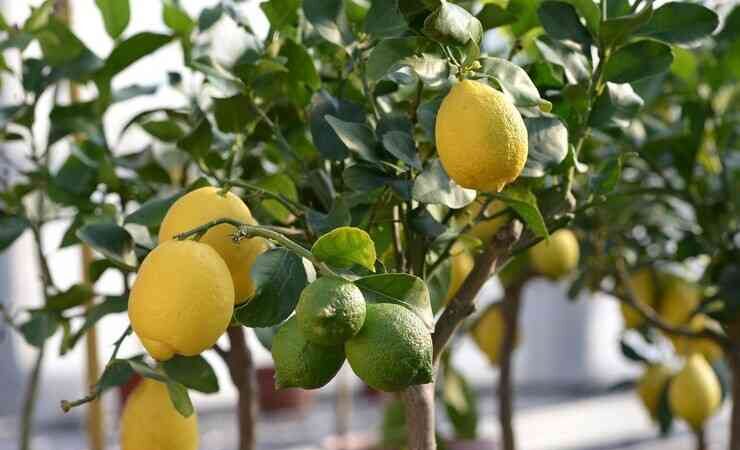
Lemons (Citrus limon) and limes (Citrus aurantifolia or Citrus latifolia), though distinct in species, hold a prominent place in Moroccan cuisine and daily life. More than just a source of tartness, these citrus fruits are deeply woven into the country’s culinary traditions, preservation techniques, and home remedies. Whether enhancing the flavors of slow-cooked tagines, marinating fresh seafood, or transforming into Morocco’s famous preserved lemons, they are indispensable in the Moroccan kitchen.
Local Names and Variants
In Morocco, these citrus varieties are known by different names based on their characteristics:
- Lim: A thin-skinned, highly acidic lime, used primarily for its sharp zest and juice.
- L’hamed: A thick-rind lemon, offering a balance of tartness and mild sweetness.
- Limoun l’Hamed: Another term referring to the standard lemon variety in Morocco.
Medicinal and Cultural Significance
Beyond their culinary use, lemons (Citrus limon) and limes are also valued for their medicinal properties. From their role in traditional herbal remedies to their globally recognized immune-boosting benefits, these citrus fruits are much more than just a kitchen staple. This article explores their diverse roles in Moroccan culture, their preservation methods, medicinal benefits, and culinary importance worldwide.
Thin-Skinned Lime (Lim) vs. Thick-Rind Lemon (L’hamed)
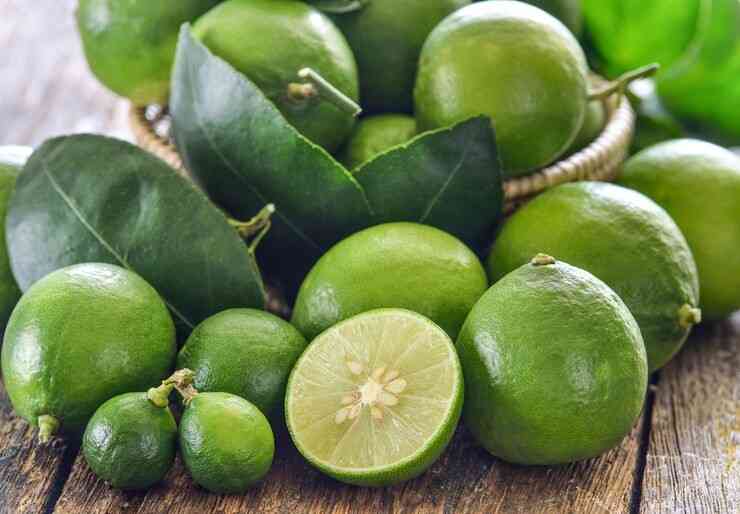
Thin-Skinned Lime (Lim)
Appearance
- Small, round, and smooth, with a thin green skin.
Flavor Profile
- Highly acidic and intensely tangy.
Culinary Uses
- Used fresh in marinades, beverages, and dressings.
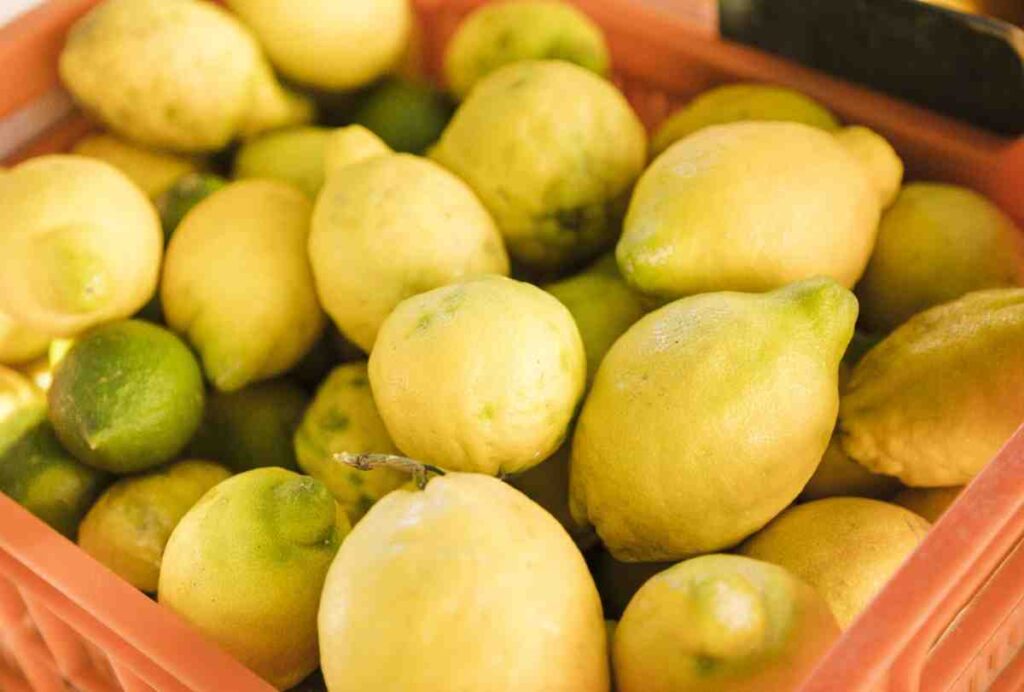
Thick-Rind Lemon (L’hamed)
Appearance
- Larger, with a thick, textured yellow rind.
Flavor Profile
- Tart but slightly sweet, with a milder acidity than lime.
Culinary Uses
- Used in both fresh and preserved forms, especially in traditional Moroccan tagines.
Key Lime (Citrus aurantifolia ) in Fes
In Fes, a distinct variety of lime known as Citrus aurantifolia (Key Lime or Mexican Lime) is particularly noteworthy. Locally referred to as Doq , E’doq , or Lim Doq in Moroccan Arabic, this small evergreen tree thrives in the region and is commonly found in souks and near houses. The fruits are exceptionally small, round, and green, with an intense acidity that makes them ideal for flavoring preserves.
- Culinary Use : These limes are especially prized for their ability to add a sharp, tangy note to olive preserves and vegetable pickles. Their strong flavor enhances the briny taste of preserved olives, making them a favorite among local cooks.
- Local Significance : In Fes, the abundance of these tiny limes reflects the city’s rich culinary traditions, where every ingredient plays a specific role in creating authentic flavors.
Culinary Uses
Chermoula: The Essential Moroccan Marinade
Chermoula is a flavor-packed Moroccan marinade where lemon juice plays a vital role in enhancing taste. It is commonly used for fish, seafood, and meats.
Key Ingredients
- Fresh parsley and coriander
- Garlic and cumin
- Paprika and olive oil
- Lemon juice (for acidity and freshness)
Uses
- Marinating fish before grilling or baking.
- Coating meats to infuse tangy, citrusy notes.
- Lemon’s acidity tenderizes proteins and adds brightness to Moroccan dishes.
Fish Dishes: A Perfect Citrus Companion
Moroccan cuisine features a variety of fish dishes where lemons enhance the natural flavors.
Marination
- Lemon juice is used to neutralize any fishy odor and provide a fresh tang.
Cooking
- Slices of lemon are sometimes added during cooking for a gentle citrus infusion.
Garnishing
- Fish is often served with thin lemon slices or a drizzle of fresh juice for extra zest.
Refreshing Moroccan Juices
Lemon and lime juices are popular thirst-quenchers in Morocco, especially in hot climates.
Moroccan Lemonade
- A refreshing blend of lemon juice, sugar, and sometimes orange blossom water (Ma’zher) for a floral touch.
Mint-Lemon Drink
- A citrusy twist on classic Moroccan mint tea, where fresh lime juice is added to enhance the freshness.
Salted Lemon Juice
- A unique Moroccan drink that balances acidity with a touch of salt, creating a bold and revitalizing taste.
Lemon in Moroccan Sweets and Desserts
Though less common than oranges, lemons appear in some Moroccan sweets.
Lemon-Flavored Pastries
- Small pastries sometimes include lemon zest or juice for a citrusy contrast.
Lemon-Infused Syrups
- Used to glaze cookies and cakes, offering a bright and tangy taste.
Lemon’s versatility in Moroccan cuisine extends beyond savory dishes, adding depth to both traditional and modern culinary creations.s into desserts and beverages, making it a staple ingredient.
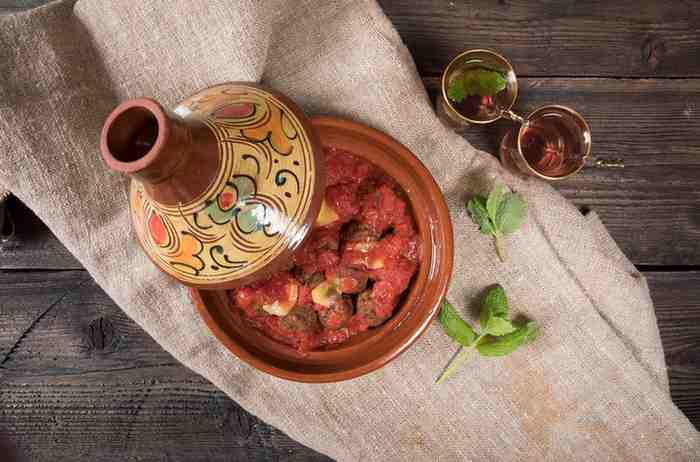
Preservation Methods: The Art of Moroccan Preserved Lemons
Transforming L’hamed into “Lemon Mssayer”
Preserving Moroccan Limetta (Citrus limetta) is a time-honored practice in Moroccan cuisine, transforming the fruit into the flavorful condiment known as “lemon mssayer” or preserved lemons. Traditionally, Moroccan Limetta is preferred for its mild acidity and fragrant aroma, which develop into a deep, umami-rich flavor during preservation. However, when Moroccan Limetta is unavailable, thick-fleshed lemons (L’hamed) are used as an alternative, ensuring the same complexity and richness in Moroccan dishes.
Traditional Preservation Process
The traditional Moroccan method of preserving L’hamed involves a few simple steps:
Preparation
- Fresh L’hamed are thoroughly washed to remove any impurities.
Cutting
- Each lemon is partially sliced into quarters, ensuring the base remains intact to hold the segments together.
Salting
- Generous amounts of coarse salt are packed between the lemon segments, facilitating the curing process.
Packing
- The salted lemons are tightly packed into sterilized glass jars, pressing them to release their juices.
Sealing
- Additional lemon juice is added to ensure the lemons are fully submerged, and the jar is sealed.
Fermentation
- The jars are stored in a cool, dark place for at least a month, allowing the L’hamed to soften and develop its characteristic tangy, umami-rich flavor.
This preservation technique not only extends the shelf life of L’hamed but also imparts a unique, mellowed citrus flavor that is less acidic and more nuanced than fresh lemons.
Culinary Applications of Preserved L’hamed
Tagines: A Signature Moroccan Dish
Preserved L’hamed are a staple in Moroccan kitchens and are integral to many traditional dishes.
- Chicken with olives and preserved L’hamed: Slow-cooked with aromatic spices, preserved L’hamed adds a distinctive depth of flavor.
- Lamb tagines: The acidity of preserved L’hamed balances the richness of slow-cooked meats.
Salads: Enhancing Moroccan Flavors
- Finely chopped preserved L’hamed peel enhances Taktouka, a roasted pepper and tomato salad, providing a subtle citrusy note.
Sauces and Dressings
- Preserved L’hamed is blended into sauces and dressings to impart a savory, tangy complexity.
The versatility of preserved L’hamed makes it a cherished ingredient, elevating the flavor profile of various Moroccan dishes.
Medicinal Properties and Health Benefits
Traditional Medicinal Uses of L’hamed and Lim
Beyond their culinary uses, L’hamed (thick-rind lemon) and Lim (thin-skinned lime) have been esteemed for their medicinal properties across different cultures and traditional medicine systems.
Scurvy Prevention
- L’hamed juice was a primary remedy for scurvy, a disease caused by vitamin C deficiency, especially among sailors during long sea voyages.
Digestive Aid
- The acidity of L’hamed juice stimulates digestive secretions, aiding in digestion and alleviating constipation.
Fever Reduction
- Lim juice mixed with water and honey has been used to reduce fevers and provide hydration.
Blood Pressure Regulation
- Traditional remedies have employed L’hamed juice to manage high blood pressure, owing to its potassium content and vasodilatory effects.
Modern Scientific Insights
Contemporary research has identified various bioactive compounds in L’hamed and Lim that contribute to their health benefits:
- Antioxidant Properties: Rich in flavonoids and vitamin C, L’hamed exhibits significant antioxidant activity, neutralizing free radicals and reducing oxidative stress.
- Anti-inflammatory Effects: Compounds such as limonene and hesperidin possess anti-inflammatory properties, potentially mitigating chronic inflammation.
- Antimicrobial Activity: Extracts from L’hamed have demonstrated antibacterial and antifungal effects, supporting their traditional use in treating infections.
- Anticancer Potential: Preliminary studies suggest that certain compounds in L’hamed peel may exhibit anticancer activities, particularly against liver cancer cells.
These findings align with traditional uses and highlight the potential of L’hamed in promoting health and preventing disease.
Ethnobotanical Significance and Global Culinary Uses
Ethnobotanical Significance of L’hamed
Throughout history, Lemon has been revered not only for its nutritional value but also for its symbolic and practical applications:
Cultural Symbolism
- In some cultures, Lemon symbolizes purity, cleanliness, and longevity, often featured in art and literature.
Traditional Medicine
- Various parts of the Lemon tree, including the fruit, leaves, and flowers, have been used in traditional remedies for ailments ranging from colds to digestive disorders.
Household Uses
- Beyond consumption, L’hamed has been employed as a natural cleaning agent, deodorizer, and insect repellent, showcasing its versatility.
Global Culinary Applications of L’hamed and Lim
Lemon and Lim play a vital role in cuisines worldwide, contributing acidity, brightness, and complexity to a diverse range of dishes, desserts, salads, and beverages.
Middle Eastern Cuisine 🇱🇧
Lemon enhances both savory and sweet dishes:
- Hummus: Lemon juice balances the richness of tahini.
- Tabbouleh: A fresh parsley and bulgur salad, where L’hamed juice provides a zesty contrast.
- Shawarma Marinades: Meat is marinated with Lemon juice, olive oil, and spices for enhanced tenderness.
South Asian Cuisine 🇮🇳 🇹🇭
Lim juice is widely used in South Asian dishes:
- Dal Tadka: Lentils finished with a squeeze of fresh Lim juice for brightness.
- Tom Yum Soup: A Thai hot and sour soup where Lim juice balances spicy and herbal flavors.
- Nimbu Pani (Indian Lemonade): A refreshing drink made with L’hamed juice, salt, and sugar.
Latin American Cuisine 🇲🇽
Lim is a staple ingredient in Latin American cooking:
- Ceviche: Seafood “cooked” in fresh Lim juice with onions, chili, and cilantro.
- Tacos: Lime wedges accompany tacos, adding acidity to meats and vegetables.
- Agua Fresca de Limón: A refreshing lime-based drink, often sweetened and served over ice.
European Cuisine (Mediterranean & French) 🇪🇺
Lemon is widely used across European cooking:
- Lemon Risotto: Italian creamy rice dish infused with L’hamed zest and juice.
- Sole Meunière: A French fish dish enhanced by a lemon butter sauce.
- Tarte au Citron (French Lemon Tart): A classic French pastry featuring a tangy L’hamed curd filling.