

Glycyrrhiza glabra, Licorice Root, 甘草, Réglisse, Süßholz, Zoethout, Лакричник , Γλυκόριζα, Meyan kökü, Lakrisrot, Lakritsrot, liquorice, lमुलैठी, liquirizia, Regaliz, erregaliz, عرق السوس
Glycyrrhiza glabra: Botanical Overview
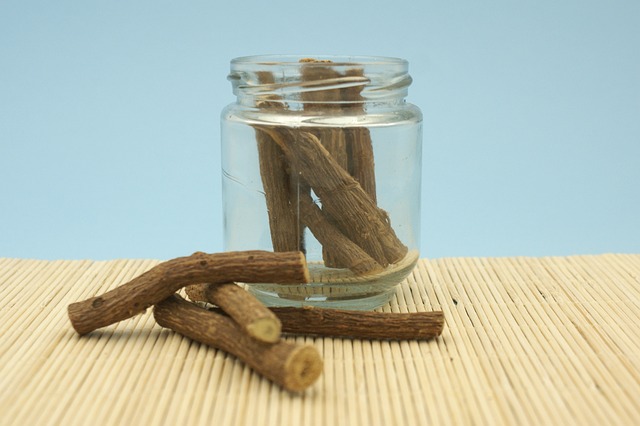
Glycyrrhiza glabra, commonly known as licorice or liquorice, is a leguminous herbaceous perennial plant belonging to the Fabaceae family. Renowned for its sweet, anise-flavored root, this plant has been a staple in various cultures for centuries. Native to regions of Western Asia, North Africa, and Southern Europe, Glycyrrhiza glabra is primarily cultivated for its roots. These roots contain glycyrrhizin, a compound responsible for the characteristic sweetness and numerous purported health benefits.
From Traditional Uses to Modern Applications
Licorice root has a long history in traditional medicine, utilized for treating various ailments. Its distinctive flavor has made it a popular ingredient in candies, teas, and herbal remedies. Despite its widespread use, scientific evidence supporting many of the health claims attributed to glycyrrhizin, the primary active component, is limited. Nonetheless, licorice remains a herb of significant practical and gustatory importance, bridging the gap between traditional practices and modern applications.
Unveiling the Chemistry of Licorice Root
Licorice root’s unique properties stem from a rich blend of chemical compounds. Let’s delve into its composition:
Flavonoids:
- Liquiritin
- Liquiritigenin
- Licochalcone A and B
- Licoricidin
- Gancaonin
These flavonoids are believed to contribute to licorice’s potential anti-inflammatory, antioxidant, and immune-modulating properties.
Saponins:
- Glycyrrhizin (triterpenoid saponin): The star of the show, responsible for licorice’s sweetness and some potential health benefits.
- Glycyrrhizic acid: A breakdown product of glycyrrhizin, also contributing to biological effects.
Phenolic Compounds:
- Glabridin: Possesses potential anti-inflammatory and antioxidant properties.
- Licochalcone A (also classified as a flavonoid): May offer additional health benefits.
- Licoricidin: Another contributor to the diverse effects of licorice.
Coumarins:
- Liquiritin & Liquiritigenin (listed previously as flavonoids, some sources classify them as coumarins as well). These may have anticoagulant properties.
Essential Oils and Other Compounds:
- α-pinene & β-caryophyllene: These contribute to the subtle aroma of licorice root.
Nutritional Powerhouse:
Licorice root isn’t just about flavor. It boasts a surprising nutritional profile:
- Fiber and Carbohydrates: These provide a source of energy.
- Minerals: Licorice is a good source of essential minerals like calcium, sodium, phosphorus, potassium, and iron, particularly in tea and infusion forms.
Licorice root’s true strength lies in its diverse phytochemical profile. Over 300 identified compounds contribute to its potential health benefits:
- Anti-inflammatory: May help reduce inflammation.
- Antioxidant: May protect cells from damage.
- Antimicrobial: May inhibit the growth of harmful microbes.
- Immune-Modulating: May support a healthy immune system.
Health Benefits of Glycyrrhiza glabra (Licorice Root)
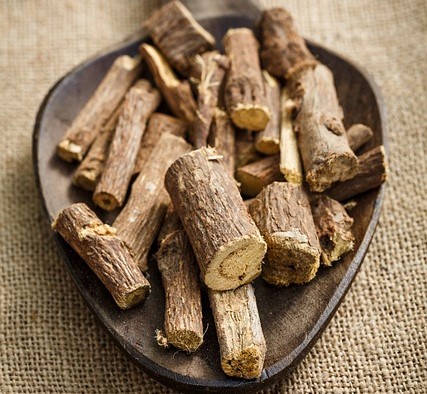
Licorice root boasts a rich history of use in traditional medicine, and modern research is starting to unveil the potential science behind its benefits. Here’s a closer look at some key areas:
1. Anti-inflammatory Properties:
- Key Chemicals: Licorice’s anti-inflammatory effects are attributed to a combination of triterpenes (like glycyrrhizin) and flavonoids.
- How it Works: These components work together to reduce inflammatory factors like TNF-alpha, MMPs, and PGE2, and also neutralize free radicals.
- Historical Uses: This aligns with licorice’s traditional uses for addressing issues like phlegm, cough, and pain.
2. Antioxidant Effects:
Active Compounds:
- Isoflavones (Glabridin, Hispaglabridins A & B): These directly scavenge free radicals, neutralizing them before they can damage cells.
- Flavonoids (Luteolin, Rutin, Apigenin): These likely employ a combination of mechanisms, including free radical scavenging and enzyme inhibition.
- Phenolic Compounds: While the exact mechanisms require further investigation, they are believed to contribute through various pathways.
- Extracts (Ethanol & Methanol): These extracts demonstrate their effects by scavenging free radicals and reducing oxidative stress.
- Licorice Root Essential Oil: This oil exhibits strong DPPH radical scavenging activity.
- Licochalcone C: This compound acts through two main mechanisms:
- Reduces superoxide radical production.
- Inhibits iNOS activity.
Mechanisms of Action:
- Free Radical Scavenging: Certain compounds directly neutralize free radicals.
- Enzyme Inhibition: Specific components may inhibit enzymes that generate harmful molecules.
- Regulation of Antioxidant Pathways: Some compounds may influence the body’s natural antioxidant defense systems.
3. Gastrointestinal Health:
- Key Benefit: Licorice root shows promise in combating Helicobacter pylori (H. pylori), a bacterium that contributes to peptic ulcers.
- How it Works: Studies suggest that combining licorice root with antibiotics may be effective against H. pylori, potentially aiding in managing peptic ulcers.
Licorice and Peptic Ulcers:
Deglycyrrhizinated Licorice (DGL): This form of licorice has demonstrated significant anti-ulcer activity. Research suggests DGL formulations work in several ways to promote ulcer healing:
- Carbenoxolone: This compound, derived from licorice root, exhibits anti-ulcer properties by inhibiting gastrin secretion.
- Secondary Metabolites: Certain secondary metabolites in licorice may help prolong the lifespan of surface cells in the stomach, reducing peptic damage.
4. Antitussive Activity (Cough Relief):
Active Compounds:
- Glycyrrhizin: This key compound in licorice is believed to be responsible for its antitussive (cough-suppressant), demulcent (soothing), and expectorant (mucus-loosening) properties.
- Liquiritin Apioside: This active compound found in methanolic licorice extracts has been shown to inhibit capsaicin, a substance that can trigger coughing.
Mechanisms of Action:
- Antiviral Properties: Glycyrrhizin and other components like triterpenoids and flavonoids can hinder virus growth, block virus entry into cells, and potentially reduce infections like HRSV and Enterovirus.
5. Functional Dyspepsia:
- Potential Benefit: Early research indicates that licorice root extract may help alleviate symptoms of functional dyspepsia, characterized by upper abdominal discomfort.
- More Research Needed: While some studies show promise, further investigation is necessary to confirm the safety and efficacy of licorice root as a treatment for functional dyspepsia.
6. Menopause and Menstrual Symptoms:
- Potential Uses: Licorice root may offer relief from menstrual cramps and menopausal symptoms.
- How it Works: Its anti-inflammatory properties may help with menstrual cramps, while its phytoestrogens may mimic estrogen effects, potentially alleviating menopausal symptoms like hot flashes. Studies suggest a possible reduction in hot flash frequency and severity with daily licorice root intake, but more research is needed.
7. Antimicrobial Activity:
- Key Chemicals: The antimicrobial power of licorice comes from various components, including flavonoids (like liquiritin and liquiritigenin), saponins (like glycyrrhizin), and phenolic compounds (like glabridin and licochalcone A).
- How it Works: These components have been shown to be effective against a variety of bacteria and fungi.
- Examples: Licorice extracts demonstrate potential against hepatitis B and C viruses, HIV, respiratory viruses, and even SARS coronavirus.
- Promising Future: Compounds like glycyrrhizin and its derivatives show promise in inhibiting viral replication and reducing cellular damage, suggesting their potential use in fighting microbial infections.
8. Potential Antitumor Effects:
Key Chemicals:
- Isoliquiritigenin, Semilicoisoflavone B, etc.: Inhibit tumor growth and proliferation.
- Glycyrrhiza extracts (esp. G. glabra & G. uralensis): Induce apoptosis (cell death), arrest cell cycle, and inhibit angiogenesis (blood vessel formation) in various cancer cell lines (breast, liver, lung, prostate, skin).
- Licochalcone E, Glyasperin A, etc.: Exhibit potent cytotoxic effects (directly kill cancer cells).
How It Works:
- Free Radical Scavenging: Certain compounds directly neutralize free radicals.
- Enzyme Inhibition: Specific components may inhibit enzymes that generate harmful molecules.
- Regulation of Antioxidant Pathways: Some compounds may influence the body’s natural antioxidant defense systems.
9. Antidepressant and Memory-Enhancing Activity:
Active Compounds:
- Metabolites (Liquiritin, Isoliquiritin): These compounds have demonstrated antidepressant effects in animal models. They may work by influencing the levels of neurotransmitters like serotonin and norepinephrine in the brain, which play a crucial role in mood regulation.
Mechanisms of Action:
- Neurotransmitter Modulation: Licorice may help regulate the levels or activity of serotonin and norepinephrine, potentially improving mood.
- Other Possible Mechanisms: While research is ongoing, other mechanisms for licorice’s antidepressant effects are being explored.
- Carbenoxolone: This compound found in licorice exhibits sedative and muscle-relaxant activities, which may contribute to feelings of calmness and relaxation.
Memory Enhancement:
- G. glabra Root Extract: Studies suggest that extracts from licorice root can enhance learning and memory in rats.
- Potential Mechanisms: The memory-boosting effects may be attributed to licorice’s:
- Antioxidant properties: These can help reduce oxidative stress, which can damage brain cells and impair memory.
- Anti-inflammatory properties: Inflammation can also negatively impact memory function. Licorice’s anti-inflammatory properties may help protect brain cells and improve memory.
10. Hepatoprotective Activity (Liver Protection):
Active Compounds:
- Secondary Metabolites (Glycyrrhizic Acid, Glycyrrhetinic Acid): These compounds have demonstrated significant benefits in animal studies, including reducing serum liver enzyme levels and improving liver tissue health (histology).
Mechanisms of Action:
- Improve Liver Function: These compounds may help ameliorate liver function in cases of acute liver diseases.
- Protect Against Toxins: Licorice may offer protection against liver damage caused by hepatotoxic substances like carbon tetrachloride.
11. Dermatological Effects (Skin Benefits):
Compounds derived from licorice root exhibit a range of potential benefits for the skin, including:
- Skin Lightening: Glycyrrhizin, a key compound, has been shown to influence melanin formation, potentially leading to a lightening effect. Studies suggest G. glabra extracts may effectively reduce skin melanin content.
- Depigmentation: Licorice may help reduce hyperpigmentation, evening out skin tone.
- Anti-Aging: Licorice’s antioxidant properties may offer protection against skin aging caused by free radical damage.
- Anti-Acne: Licorice may possess anti-inflammatory and antimicrobial properties that could be beneficial for acne management.
- Anti-Erythemic: Licorice may help soothe and reduce skin redness.
Culinary Uses of Licorice Root: A Sweet Journey

Licorice root, with its unique flavor profile, offers a surprising range of applications in the culinary world. Let’s explore the diverse ways licorice can enhance your cooking repertoire:
1. Licorice as a Flavor Enhancer and Sweetener:
- Natural Sweetener: Licorice boasts a natural sweetness, making it a valuable alternative to refined sugars. It can be used in various forms, including powder or grated root, to sweeten beverages, baked goods, and confections.
- Flavor Booster: Licorice’s distinctive flavor profile complements and enhances other ingredients. It adds an exotic twist to familiar recipes, making it a versatile tool for adventurous cooks.
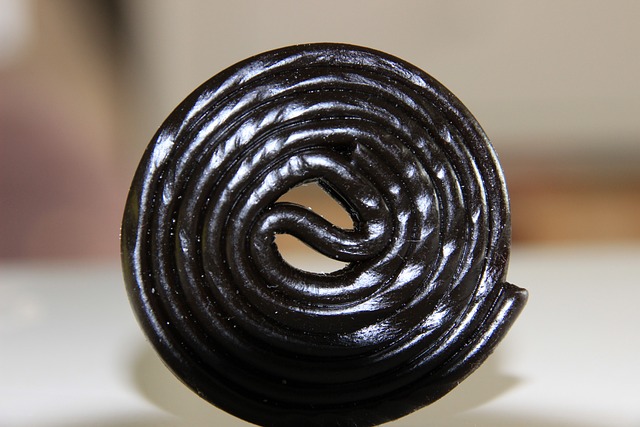
- Traditional licorice candies (ropes and black licorice) showcase the sweet potential of licorice root.
- Experiment with incorporating licorice into homemade cookies, cakes, or even ice cream for a unique flavor experience.
2. Licorice Around the World:
Licorice, or liquorice as it’s sometimes spelled, has a rich history of use in global cuisine:
- Sweetener and Bitterness Masker:
- Netherlands: Licorice is a staple ingredient in “drop,” a diverse range of licorice candies.
- England: The marriage of licorice and sugar led to the creation of classic sweets like Pontefract cakes.
- Arabian World: Licorice is enjoyed as a natural mouth freshener.
- Beyond Confectionery:
- Erk sous, a cherished beverage in Egypt, Syria, and Iraq, holds a special place during Ramadan. Crafted from licorice root, it offers a refreshing and soothing respite for those observing the fast in these regions.
- Global Applications: Licorice finds its way into a variety of products beyond sweets, including herbal cough mixtures, teas, throat pearls, diet gum, and laxatives.
- Sauces and Savory Dishes: In some cultures, licorice even finds its way into sauces and savory dishes, showcasing its surprising versatility.
3. Licorice: A Sweet Journey from Root to Table:
Licorice’s culinary applications extend beyond the final product. The sweet journey begins with the licorice plant’s rhizomes and roots, which are harvested and processed. These roots are then transformed into various forms, including powder and extract, allowing them to be easily incorporated into different culinary creations.
Potential Side Effects of Licorice Root
Licorice root, though sweet, harbors considerations akin to any powerful remedy:
Blood Pressure: Licorice root’s glycyrrhizin can increase sodium retention, potentially raising blood pressure, making it risky for those with hypertension or heart conditions.
Hormonal Balance: Licorice root may disrupt hormonal balance, affecting cortisol levels and potentially complicating hormone-related conditions or medications.
Medication Interactions: Due to its interactions with medications, particularly those for diabetes, high blood pressure, or heart issues, consulting a healthcare provider before using licorice root is crucial