

Malva sylvestris, Common Mallow, High Mallow, Tall Mallow, Grande Mauve, Malva Común, Malva Comune, Wilde Malve, Malva-Silvestre, Ebegümeci, Μολόχα, 锦葵, خبيزة (Khobeiza), خبازة برية (Khobaza).
Malva sylvestris, commonly known as common mallow, is a flowering plant native to Europe, North Africa, and Asia. It belongs to the Malvaceae family, which includes hibiscus and okra. This hardy plant thrives in meadows, roadsides, and cultivated gardens, displaying vibrant purple flowers with dark veins.
- Modern Research: Studies confirm its anti-inflammatory, antimicrobial, and wound-healing properties.
- Traditional Remedy: Used for centuries to soothe inflammation, respiratory issues, and digestive discomfort.
- Nutritional Value: Rich in antioxidants, mucilage, and essential compounds beneficial for health.
- Versatile Uses: Incorporated in herbal teas, culinary dishes, and skincare products.
Botanical Description
Malva sylvestris is a perennial herb from the Malvaceae family, thriving in Europe, North Africa, and Asia. It grows in meadows, roadsides, and gardens, adapting well to different soils.
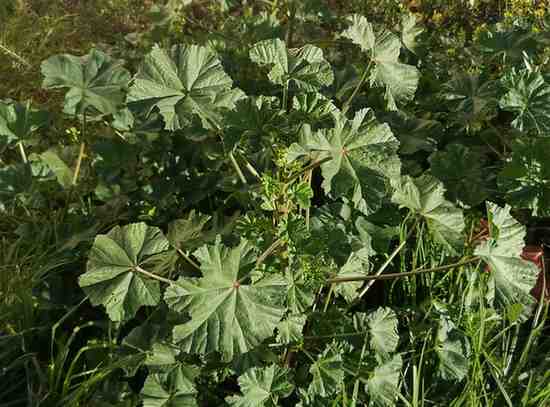
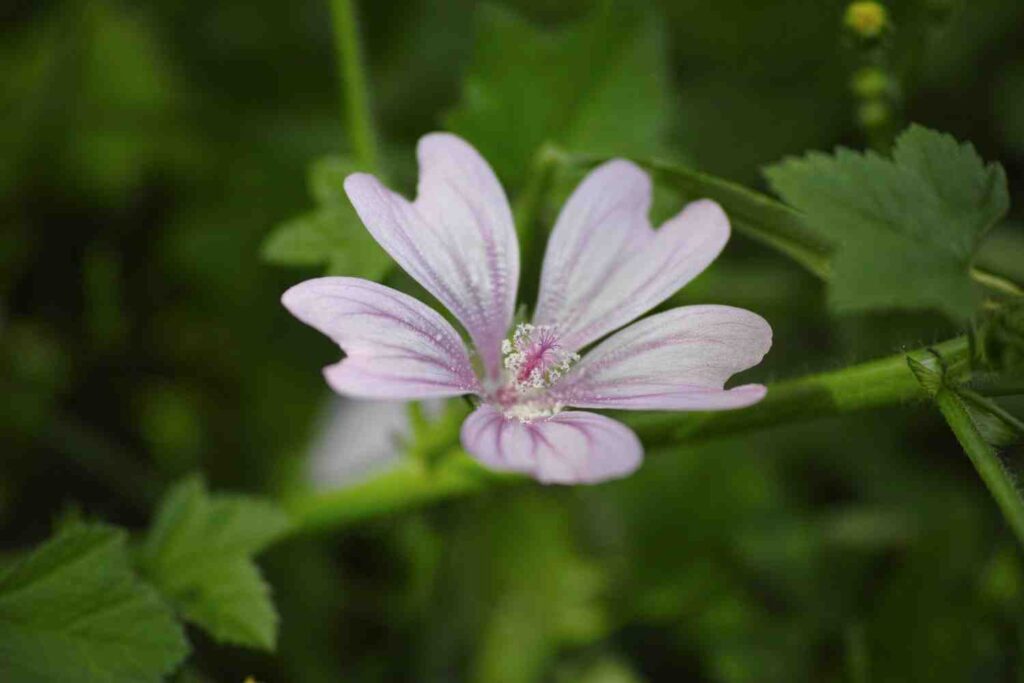
- Flowers: Nearly odorless, with a mucilaginous texture. Each flower measures 3–5 cm wide, featuring five notched petals with dark purple veins.
- Leaves: Soft, velvety, and lobed, with three to nine shallow lobes. They remain green even when dry and have a long petiole.
- Fruits: Small, round, and clustered, containing multiple wrinkled carpels.
- Stem: Erect and branched, reaching up to 1 meter in height
Traditional Medicinal Uses of Malva Sylvestris
Malva sylvestris has been a widely recognized medicinal plant across different cultures, used for its healing and soothing properties. Since antiquity, it has been consumed as a mild laxative, a liver tonic, and a digestive aid. Ancient scholars from Greece, the Arab world, and Europe documented its effectiveness in treating inflammatory, digestive, and respiratory ailments.
- Hippocrates (5th century BCE), the father of medicine, described Malva sylvestris as a soothing herb used to treat inflammations and gastrointestinal issues (Corpus Hippocraticum).
- Dioscorides (1st century CE), in De Materia Medica, wrote that mallow was a gentle laxative, useful for stomach disorders and sore throats.
- Ibn Sina (Avicenna, 11th century CE), in The Canon of Medicine, mentioned khobaza (Malva sylvestris) as beneficial for respiratory infections, skin inflammations, and digestive discomfort.
- European medieval herbalists, including Hildegard of Bingen (12th century CE), praised its ability to relieve coughs and digestive ailments.
Digestive Health
Malva sylvestris has long been used to soothe the digestive system and relieve discomfort.
- Leaves & Flowers: Consumed in decoctions and infusions to treat gastritis, constipation, and intestinal irritation (Dioscorides, De Materia Medica).
- Aerial Parts: Taken as tea or cooked to ease stomach pain, diarrhea, and dyspepsia (Avicenna, The Canon of Medicine).
- Children’s Remedy: A mild decoction was traditionally used for constipation and abdominal cramps.
Anti-Inflammatory & Oral Care
Ancient medical texts describe Malva sylvestris as an effective anti-inflammatory agent for oral and skin conditions.
- Gingivitis & Tooth Pain: Used to reduce gum inflammation and relieve abscesses (Ibn al-Baitar, 13th century CE).
- Mouth Rinse: Infusions were prepared as a gargle for sore throats and oral ulcers (Hippocrates).
- Poultice for Swollen Gums: Crushed leaves were applied to relieve swelling and minor infections.
Skin & Wound Healing
Malva sylvestris has been a trusted wound-healing herb in many traditional medicine systems.
- Burns & Insect Bites: Applied as a cooling remedy for soothing skin irritation (Dioscorides).
- Wound Treatment: Decoctions of flowers and leaves were used to promote faster healing of ulcers and furuncles (Avicenna).
- Herbal Combinations: Often blended with honey, olive oil, or other medicinal herbs to enhance its healing effects.
Respiratory Relief
Ancient scholars documented Malva sylvestris as a soothing herb for respiratory conditions.
- Coughs & Bronchitis: Infusions were taken to ease persistent coughs and throat irritation (Hildegard of Bingen).
- Soothing Effect: The high mucilage content helps calm inflammation in the respiratory tract and reduce mucous buildup.
- Steam Inhalation: Boiled leaves were inhaled to clear nasal congestion and relieve sinus infections (Avicenna).
Medicinal Benefits and Phytochemistry of Malva Sylvestris
Malva sylvestris is rich in bioactive compounds that contribute to its therapeutic effects. Its phytochemical profile includes antioxidant, anti-inflammatory, antimicrobial, and wound-healing properties, making it a valuable plant in both traditional and modern medicine.
Phytochemical Composition and Active Compounds
Malva sylvestris contains a diverse range of biologically active compounds, each contributing to its medicinal properties.
- Mucilage – A complex mix of polysaccharides, including trehalose, glucose, fructose, and galactose, that helps form a protective layer on mucous membranes, offering relief for respiratory and digestive issues.
- Flavonoids – These antioxidant-rich compounds, found mainly in the leaves, help neutralize oxidative stress, reducing cell damage and inflammation.
- Phenolic Acids – Includes gallic acid and ferulic acid, known for their antimicrobial and anti-inflammatory properties.
- Fatty Acids & Sterols – Contains stigmasterol, β-sitosterol, and campesterol, which may contribute to immune support and cardiovascular health.
- Chlorophyll and Pigments – The plant contains chlorophyll A, chlorophyll B, and xanthophylls, which contribute to antioxidant and skin-protective effects.
- Essential Minerals – The leaves contain zinc, magnesium, iron, and potassium, essential for metabolic and immune functions.
- Vitamins – High in Vitamin C and Vitamin E, which support skin health, immune defense, and oxidative stress reduction.
Anti-inflammatory Effects
Malva sylvestris is recognized for its anti-inflammatory properties, benefiting both internal and external health conditions.
- Skin Inflammation – Used in topical applications to ease redness, swelling, and irritation in conditions like eczema, dermatitis, and burns.
- Digestive Support – Herbal teas and extracts help reduce gastritis, colitis, and irritable bowel syndrome (IBS) symptoms.
- Joint and Muscle Relief – Rich in flavonoids and polyphenols, it may help reduce pain and swelling associated with arthritis and muscle inflammation.
Respiratory Support
Due to its mucilage content, Malva sylvestris acts as a natural remedy for respiratory discomfort.
- Cough and Throat Soothing – Forms a protective layer over mucous membranes, reducing throat irritation and persistent coughs.
- Cold and Bronchitis Relief – Herbal infusions assist in loosening mucus and clearing congestion.
- Asthma and Allergy Support – Its anti-inflammatory properties may help open airways and reduce irritation in respiratory conditions.
Wound Healing and Antimicrobial Properties
Malva sylvestris has long been used in wound care and skin healing.
- Treatment for Burns and Ulcers – Traditional remedies involve applying crushed leaves or flower extracts to support faster wound healing.
- Antimicrobial Action – Studies indicate it has antibacterial effects against common pathogens like Staphylococcus aureus and Escherichia coli, making it useful in treating infections.
- Biofilm Inhibition – Ethanolic extracts from the plant have been found to reduce bacterial biofilm formation, suggesting applications in oral healthcare and wound management.
Modern Scientific Research on Malva Sylvestris
Recent scientific studies have reinforced many of the traditional uses of Malva sylvestris, highlighting its medicinal potential.
Antioxidant Potential
- Research confirms its flavonoids and phenolic acids help protect cells from oxidative stress, which can contribute to aging and chronic diseases.
Anti-inflammatory and Immune Modulation
- Studies demonstrate that aqueous extracts from Malva sylvestris help reduce inflammation markers, beneficial for arthritis and digestive inflammation.
- Animal studies have indicated that hydroalcoholic extracts from the plant may help lower inflammation in controlled experiments.
Antimicrobial and Antifungal Properties
- Laboratory research shows that ethanolic and methanolic extracts of Malva sylvestris may inhibit bacterial growth, including Helicobacter pylori, a bacterium associated with gastric ulcers.
Potential Cancer Research
- Preliminary research suggests that hydroalcoholic extracts may reduce the proliferation of cancer cells, opening potential avenues for oncological studies.
Pharmaceutical and Nutraceutical Potential
The bioactive compounds in Malva sylvestris have attracted attention for potential use in pharmaceutical and nutraceutical formulations:
- Natural Anti-inflammatory Formulations – Possible use in topical creams, ointments, and herbal medicines targeting joint pain, digestive disorders, and skin inflammation.
- Respiratory and Cough Syrups – Due to its mucilage-rich composition, Malva sylvestris may be useful in natural throat lozenges and herbal cough syrups.
- Antioxidant Supplements – Its high flavonoid and polyphenol content makes it a candidate for immune-supporting and anti-aging supplements.
Safety Considerations and Precautions
Malva sylvestris is generally well-tolerated, but a few precautions should be noted:
- Potential Allergic Reactions – Some individuals may experience mild skin irritation or hypersensitivity.
- Pregnancy and Breastfeeding – Limited clinical data is available, so consulting a healthcare provider before use is recommended.
- Heavy Metal Absorption – Malva sylvestris has a high tendency to absorb heavy metals from contaminated soils, so sourcing from safe cultivation environments is crucial.
ulinary Uses of Malva Sylvestris
Malva sylvestris, or common mallow, has been used for centuries as a nutritious and versatile edible plant. Rich in mucilage, it contributes to the texture of soups and stews, much like okra. It is a common ingredient in Mediterranean, Middle Eastern, and North African cuisines, particularly in Morocco, where it is widely consumed similarly to purslane (R’jla).
Malva Sylvestris in Global Cuisine
Across different regions, Malva sylvestris is valued for its mild, spinach-like flavor and tender leaves.
- Mediterranean Region: Used in salads, soups, and sautés. The leaves are often cooked with garlic and olive oil or blended into herbal broths.
- Middle Eastern Cuisine: Commonly added to stuffed grape leaves or prepared in hearty stews. The mucilaginous properties help thicken sauces and soups.
- European Use: Historically consumed as a wild green, added to omelets, quiches, or mixed with grains like barley.
- Indian & Pakistani Cuisine: Sometimes used in vegetable curries, where it blends well with lentils and spices.
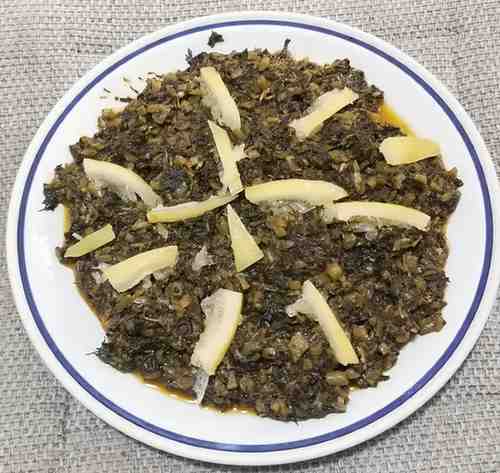
- North African Tradition: In Morocco, Malva sylvestris (Khobbiza) is a staple dish, much like purslane (R’jla), and is prepared in a highly nutritious way.
Traditional Moroccan Culinary Uses
Malva sylvestris, known as Khobbiza in Morocco, is a popular leafy green that is often prepared as a warm salad or stew. It is a nutrient-rich dish, traditionally consumed during winter for its warming and anti-inflammatory effects.
Khobbiza Recipe (Moroccan Wild Mallow Salad)
This dish is a classic Moroccan side often served with bread and olives.
Ingredients:
- 500g finely chopped mallow leaves (Khoubiza)
- 1 bunch parsley, finely chopped
- 1 bunch cilantro, finely chopped
- 3 cloves garlic, minced
- 1/4 cup olive oil
- 1 tsp paprika
- 1 tsp cumin
- 1/2 tsp salt (adjust to taste)
- 1/2 tsp black pepper
- 1/2 preserved lemon, finely chopped
- 8-10 purple or green olives
- 1 tbsp lemon juice
- 1 tsp harissa (optional, for spice)
Preparation:
- Steam the greens: In a steamer, place the finely chopped mallow leaves, parsley, and cilantro. Steam for about 10 minutes until wilted.
- Press out excess water: Once steamed, squeeze out all excess liquid using your hands or a cloth. This step is essential to prevent excess moisture in the dish.
- Cook with spices: Heat olive oil in a pan, then sauté garlic for a minute. Add the steamed and pressed greens, paprika, cumin, salt, and pepper. Cook for 10-15 minutes, stirring occasionally.
- Garnish & serve: Remove from heat, mix in chopped preserved lemon and lemon juice. Garnish with olives and serve warm with Moroccan bread.
Bkola: A Nourishing Moroccan Dish Rooted in Nature
Moroccan Bkola is a perfect example of healthy, traditional cooking, embracing nature’s bounty for both flavor and well-being. This dish reflects the Moroccan way of life—using the earth’s gifts to create nourishing meals that support a strong and balanced body. By carefully selecting fresh, natural ingredients, Bkola aligns with Morocco’s deep-rooted culinary traditions that focus on health, sustainability, and mindful eating.
Health Benefits of Bkola
Bkola is more than just a flavorful dish—it is packed with essential nutrients that contribute to overall well-being:
- Rich in vitamins and antioxidants – Mallow leaves, parsley, and cilantro provide key vitamins and minerals that help strengthen immunity and combat oxidative stress.
- Supports digestion and detoxification – The high fiber content aids in gut health, helping to cleanse the digestive system and improve nutrient absorption.
- Boosts heart health – Olive oil and garlic work together to reduce inflammation, lower cholesterol, and support cardiovascular function.
- Enhances metabolism – Spices like cumin and paprika help stimulate digestion and improve metabolism, contributing to overall energy levels.
- Wholesome and natural – The steaming method preserves nutrients, making Bkola a light yet nourishing dish that energizes the body.
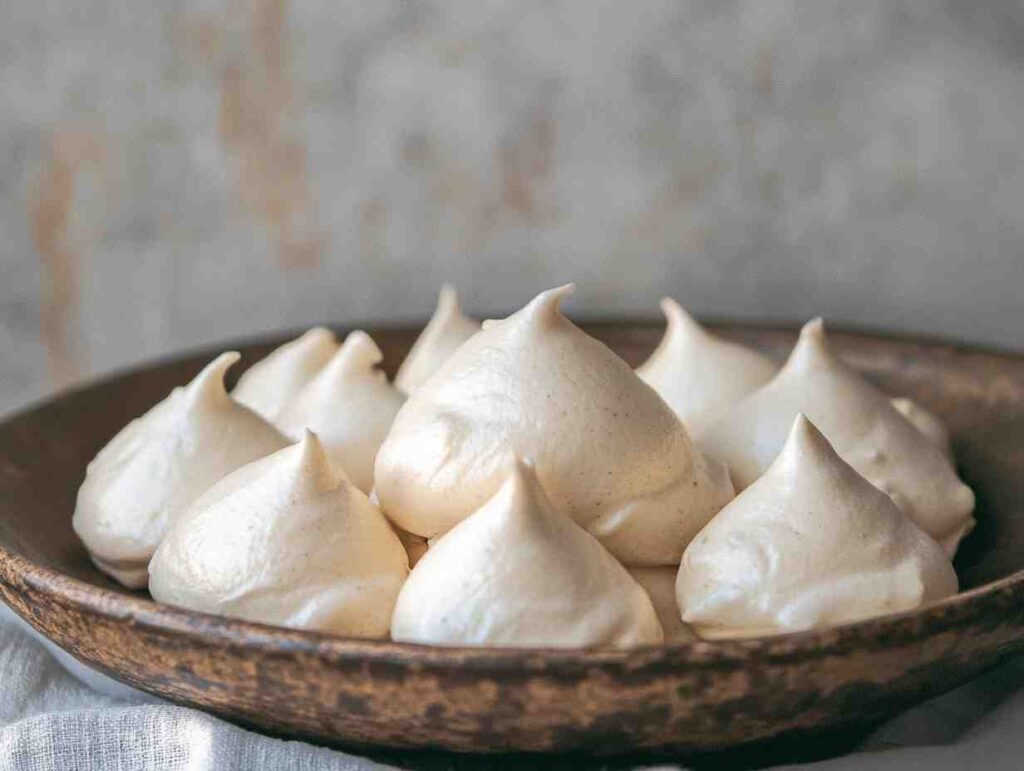
Mallow Meringues: A Modern Foraged Dessert
Mallow meringues are a new culinary discovery, utilizing the mucilaginous properties of mallow seeds as a natural egg white substitute. When boiled, mallow seeds release a thick liquid that can be whipped into a light and airy texture, perfect for creating plant-based meringues.
How Mallow Seeds Work in Meringues
- Natural Thickener – Mallow seeds contain mucilage, which forms a gelatinous liquid when boiled, mimicking egg whites.
- Foraged Ingredient – Various Malva species produce suitable seed pods, making this a widely accessible ingredient for foragers.
- Vegan-Friendly Alternative – The extracted liquid can be used in plant-based recipes, eliminating the need for eggs.
Possible Variations of Mallow Meringue Recipes
- Basic Meringues – Made with mallow seed extract, sugar, and cream of tartar, then dehydrated for a crispy texture.
- Chocolate Meringues – Cocoa powder or melted chocolate adds a rich flavor.
- Flavored Meringues – Enhanced with vanilla, citrus zest, or floral extracts like rose or orange blossom water.
- Mallow Marshmallows – Adding agar or cornstarch creates a soft, chewy consistency.
Savory Meringues – Using herbs and spices instead of sugar makes a unique savory snack.
Dehydration vs. Baking
- Low-Temperature Drying – Mallow-based meringues require dehydration at 110°F (43°C) instead of traditional baking.
- Preserves Structure – Slow drying prevents the mixture from collapsing, ensuring a light and airy texture.
Expanding the Use of Mallow in Desserts
- Vegan Baking – Mallow extract can act as a stabilizer or thickener in various baked goods.
- Natural Thickener – Its mucilaginous properties make it suitable for custards, sauces, and alternative desserts.
- Sustainable Cooking – Utilizing foraged ingredients promotes eco-friendly and resourceful culinary practices.
Preservation, Culinary Adaptations, and Cultural Significance
- Freezing & Blanching – Mallow leaves can be blanched and frozen, similar to spinach, to preserve their nutrients and extend their use throughout the year.
- Drying – Dried mallow leaves are ground into powder and added to soups, breads, and herbal teas to enhance their nutritional value.
- Fermentation – In certain regions of China, Malva roots are fermented and used in medicinal broths for their digestive and therapeutic benefits.
- Culinary Substitutions – Mallow serves as an excellent replacement for spinach in soups, salads, quiches, and gnocchi. Larger leaves can also be flash-fried for a crisp, popadom-like texture.
- Natural Soup Thickener – The mucilage in mallow contributes to thickening soups and stews, enhancing texture and nutritional benefits.
- Use in Traditional Chinese Medicine – In China, mallow roots are a common ingredient in medicinal soups and broths, valued for their immune-boosting and digestive properties.
- Inulin-Rich Taproots – The taproots of various mallow species contain inulin, a prebiotic fiber known for supporting gut health and digestion.
- Vegan Egg White Substitute – Mallow seed pods can be boiled down into a liquid that functions as a plant-based alternative to egg whites, allowing for the creation of mallow meringues.