

Origanum majorana, Marjoram, Mejorana, Marjolaine, Majoran, Maggiorana, Manjerona, Majoraan, Майоран, マジョラム, 马郁兰, Mercan Köşk,مرددوش – بردقوش
Sweet Marjoram: A Fragrant Herb Steeped in History
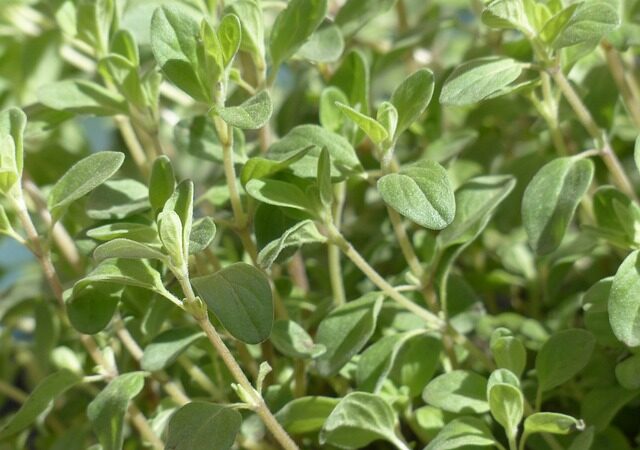
Origanum Majorana, known as Marjoram or Sweet Marjoram, is a perennial herb from the mint family. Originating in the Mediterranean, it’s prized for its aromatic leaves and medicinal qualities. With flavors akin to a blend of oregano and thyme, it’s a culinary favorite. Its elliptical leaves, gray-green in color, and small white to scarlet flowers add to its allure.
The Origin and Cultural Significance of Origanum Majorana
Marjoram carries a rich cultural heritage. Ancient Egyptians utilized it in rituals, attributing protective properties to it. Greek mythology links it to Aphrodite, symbolizing love. Today, it remains integral to Mediterranean, Middle Eastern, and European cuisines, lending its unique flavor to dishes.
Historical Uses of Origanum Majorana
Marjoram’s history is steeped in medicinal and culinary uses. Ancient Greeks and Romans valued it for treating digestive and respiratory issues, as well as soothing muscle pain. Its culinary applications range from enhancing flavors to preserving food.
Marjoram Phytochemical Components
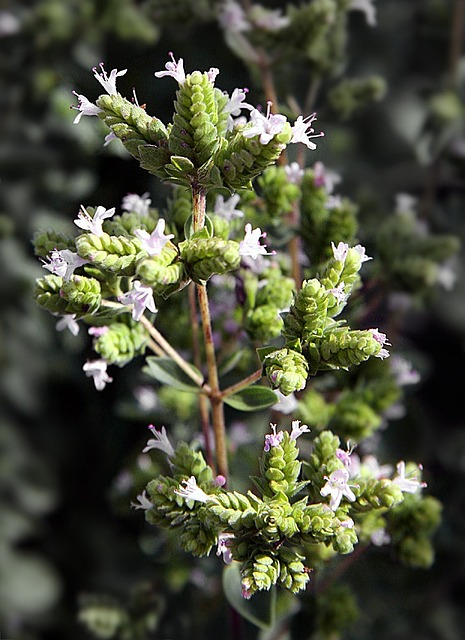
Origanum Majorana, the herb behind the delightful flavor of marjoram, harbors a fascinating world within its leaves. This aromatic gem is particularly rich in essential oils, a concentrated blend of fragrant chemicals responsible for its distinctive scent and potential health benefits.
The Dominant Players: Terpenoids
Taking center stage in the essential oil composition are terpenoids, a diverse class of organic compounds found throughout the plant kingdom. Some of the key terpenoid players in Origanum Majorana include:
– Carvacrol: This potent compound contributes significantly to the herb’s aroma and boasts potential medicinal properties.
– Thymol: Another significant terpenoid, thymol also possesses interesting pharmacological possibilities.
– Carbamene and Terpinenol: These additional terpenoids add complexity to the overall chemical profile and may contribute to the herb’s effects.
A Tale of Two Types: Unveiling the Chemical Diversity
Interestingly, the essential oil composition of Origanum Majorana, and indeed other Origanum species, exhibits fascinating variability. Scientists have identified two distinct chemical categories:
- Type 1: This category is dominated by terpinen-4-ol and sabinene hydrate. These terpenoids, while still offering potential benefits, differ significantly from the terpenoids found in Type 2.
- Type 2: This type is characterized by a higher presence of thymol and/or carvacrol. These terpenoids are known for their potentially stronger pharmacological activity.
Beyond the Volatile: A Call for Broader Exploration
But the terpenoid story doesn’t end there. Origanum Majorana’s essential oil composition also features:
- Monoterpene hydrocarbons: These include α-pinene, β-pinene, and limonene, which contribute to the fresh, citrusy notes in the herb’s aroma.
- Oxygenated monoterpenes: Beyond the previously mentioned terpinen-4-ol, other oxygenated monoterpenes like linalool add a floral touch to the fragrance.
A Rich Tapestry of Other Chemical Families
- Phenolic Compounds: These encompass various subgroups:
- Phenolic acids: Found in both hydroalcoholic extracts and essential oils, these include gallic acid, caffeic acid, chlorogenic acid (in extracts), and rosmarinic acid, sinapic acid (in essential oil). These contribute to the herb’s overall antioxidant and potentially anti-inflammatory properties.
- Phenolic glycosides: These combine phenolic compounds with sugars, and examples include arbutin and vitexin.
- Flavonoids: These plant pigments contribute to the herb’s color and may offer antioxidant and other health benefits. Examples include hesperetin and quercetin.
- Flavonoid glycosides: These combine flavonoids with sugars, further diversifying the chemical tapestry. Kaempferol-3-O-glucoside and rutin are some examples.
Marjoram: Medicinal Properties Showcased
Origanum Majorana, the herb behind the delightful flavor of marjoram, holds promise beyond the culinary world. Let’s explore some of its potential health benefits and the chemical constituents believed to be responsible:
1. Antioxidant Powerhouse:
Origanum Majorana extracts and essential oil exhibit significant antioxidant activity. This ability to neutralize harmful free radicals is attributed to a symphony of phenolic compounds, including:
- Hydroxycinnamic acids
- Flavonoids like hesperetin and quercetin
- Ursolic acid
- Carnosic acid and carnosol
- Rosmarinic acid
- Caffeic acid
These antioxidants may help protect cells from damage and potentially contribute to various health benefits.
2. Potential Role in Cancer Prevention:
Research suggests that Origanum Majorana extracts may exhibit anticancer and antiproliferative properties. Studies have shown activity against various cancer cell lines. Chemical constituents potentially involved include:
- Hesperetin: a flavonoid known for its antioxidant and anticancer properties.
- Hydroquinone: a phenolic compound that has shown promising anticancer effects in research studies.
These compounds may play a role in promoting cell cycle arrest and apoptosis (programmed cell death) in cancer cells, potentially inhibiting their growth and proliferation.
3. Possible Anti-inflammatory Effects:
Origanum Majorana may offer relief from inflammation, thanks to certain terpenes found in its essential oil, such as Sabinene hydrate and Terpineol. These terpenes are believed to help suppress the production of inflammatory molecules like TNF-alpha and IL-1beta, thereby potentially reducing inflammation and associated symptoms.
4. Combating Microbial Threats:
Studies suggest that Origanum Majorana possesses antimicrobial properties. The essential oil, in particular, appears to be more potent than water extracts against specific bacteria and yeasts. Chemical players suspected to be involved in this defense include: oxygenated monoterpenes.
- The essential oil has shown inhibitory activity against a range of bacteria and fungi, including common culprits like Staphylococcus aureus and E. coli.
Additional Activities:
Origanum Majorana is being explored for its potential benefits in various other areas, including:
- Antiulcer effects: It may help reduce gastric ulcers.
- Cardioprotective and hepatoprotective activity: Offering potential benefits for heart and liver health.
- Regulation of menstrual cycle: It may help regulate hormonal imbalances.
- Anticholinesterase activity: It may play a role in cognitive function. Ursolic acid is a potential contributor to this activity.
- Antiplatelet activity: Inhibiting platelet aggregation, potentially supporting cardiovascular health. Arbutin is a suspected contributor to this activity.
The Culinary Charm of Marjoram
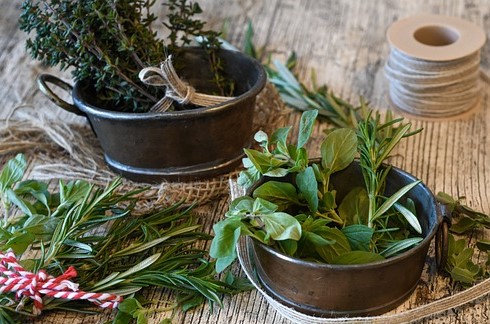
Fresh or Dried, Flavor Takes Flight: The beauty of marjoram is its versatility. Use it fresh for a bright, herbaceous touch, or opt for dried leaves for a more concentrated, savory flavor that intensifies with cooking. This makes it a convenient addition to your pantry, ready to elevate your culinary creations.
- Marjoram-infused stuffing: Classic stuffing featuring sage, marjoram, and thyme.
- Italian Marjoram Tomato Sauce: Delectable tomato sauce with the essence of marjoram.
- Moroccan Grilled Kefta: Ground meat Kefta seasoned with marjoram.
- Quick Marjoram Soup “Minestrina di maggiorana fresca”: Simple soup spotlighting fresh marjoram.
- Lemon Garlic Marjoram Carrots: Sautéed carrots with lemon, garlic, and fresh marjoram.
- Roasted Red Peppers with Marjoram: Marinated roasted red peppers with garlic and fresh marjoram.
- Za’atar-Spiced Grilled Chicken: Savory grilled chicken breast seasoned with Za’atar,
Demystifying Za’atar: A Spice Blend Beyond Borders
Za’atar, a captivating word that transcends a simple definition. In the culinary landscape of the Middle East, it signifies a unique spice blend, a flavorful ambassador for the region’s cuisine.
Traditionally, za’atar is a harmonious blend of several key ingredients:
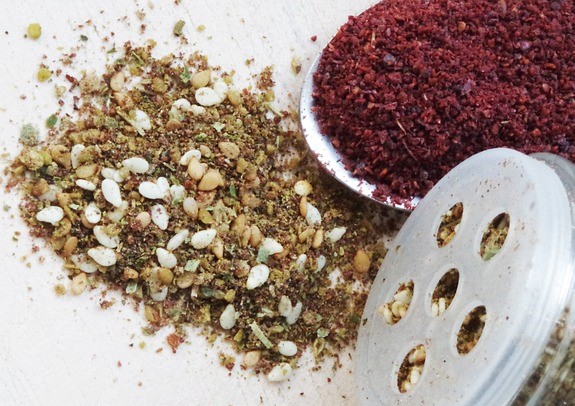
- Dried Thyme/Marjoram: This herb forms the aromatic base, offering earthy and slightly peppery notes.
- Toasted Sesame Seeds: These add a delightful textural contrast with a nutty richness that complements the other elements.
- Ground Sumac: A tart and tangy spice, sumac brings a vibrant layer of complexity to the blend.
- Salt: As the name suggests, a touch of salt rounds out the flavor profile, enhancing the overall taste experience.
However, it’s important to note that in some Arabic countries, such as Morocco, the term “zaatar” may refer to oregano or thyme instead of the traditional spice blend. Therefore, when referring to a dish, it’s essential to understand the true meaning of the word used, considering the regional variations in terminology.
Marjoram’s Potential Side Effects and Precautions
Marjoram, the delightful Mediterranean herb, generally adds flavor and potential health benefits to your culinary creations. However, like most things in life, moderation is key. Let’s explore some points to consider when incorporating marjoram into your diet:
Potential Allergic Reactions: While uncommon, some individuals may experience allergic reactions to marjoram. These can manifest as skin rashes or respiratory issues. If you have known allergies to plants in the Lamiaceae family, such as mint and basil, it’s wise to approach marjoram with caution. A small test amount can help gauge your tolerance.
A Gentle Sedative Effect: Marjoram possesses mild sedative properties. Consuming large quantities could lead to drowsiness, which might not be ideal before operating machinery or driving. Additionally, it’s important to be aware of potential interactions with medications.
Considerations for Pregnancy and Breastfeeding: Pregnant and breastfeeding women should consult with their healthcare provider before using marjoram in any significant amount. While research is limited, exercising caution is always recommended during these delicate stages.