

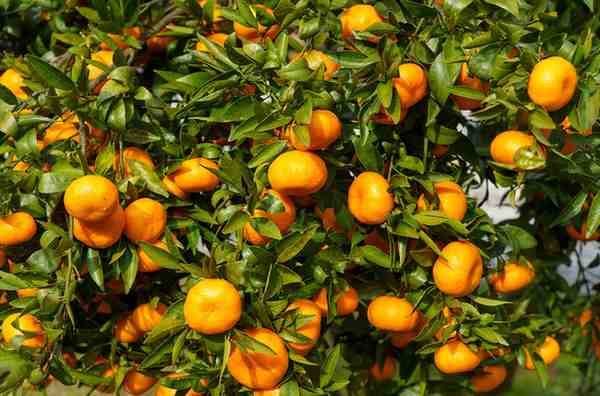
Citrus aurantium, commonly known as bitter orange or Seville orange, holds a significant place in Moroccan culture and cuisine. Locally referred to as Ranj, Rounj, Narenj, Larenj, or Zanbouâ, this citrus fruit is renowned for its intense bitterness and aromatic properties. Beyond its distinctive flavor, bitter orange is valued for its diverse applications, ranging from culinary delights to traditional medicinal uses.
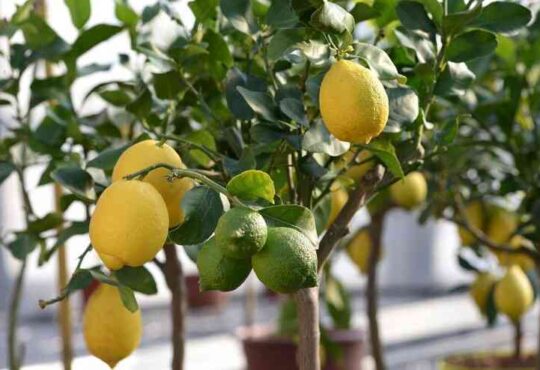
Alongside it, Citrus Limetta , or Moroccan Limetta, stands out with its mild, slightly sweet flavor and gentle acidity, making it essential for traditional preservation methods and adding unique nuances to Moroccan dishes.
Phytochemicals and Active Components
Bitter orange is a rich source of various bioactive compounds that contribute to its unique characteristics and potential health benefits.
Flavonoids
The fruit contains several flavonoids, including:
- Hesperidin: Known for its antioxidant properties, hesperidin may help reduce inflammation and support vascular health.
- Naringin: This compound exhibits antioxidant and anti-inflammatory effects, potentially contributing to metabolic health.
- Quercetin: Recognized for its antioxidant activity, quercetin may play a role in reducing oxidative stress.
Alkaloids
A notable alkaloid present in bitter orange is:
- Synephrine: Structurally similar to ephedrine, synephrine is often associated with stimulant effects and is commonly included in weight loss and performance enhancement supplements.
Essential Oils
The peel and flowers of bitter orange are abundant in essential oils, with key components such as:
- Limonene: Contributing to the characteristic citrus aroma, limonene is used in aromatherapy and may possess anti-inflammatory properties.
- Linalool: Known for its pleasant floral scent, linalool is utilized in perfumes and may have calming effects.
- β-Myrcene: This component adds to the aromatic profile and has been studied for its potential analgesic properties.
Vitamins and Minerals
Bitter orange is also a source of essential nutrients, including:
- Vitamin C: An antioxidant that supports immune function and skin health.
- Fiber: Aids in digestion and promotes gastrointestinal health.
The combination of these phytochemicals not only defines the sensory attributes of bitter orange but also underpins its various uses in traditional medicine and culinary practices.
Culinary Uses
In Moroccan cuisine, bitter orange plays a versatile role, enhancing the flavor profile of numerous dishes.
Olive Preservation
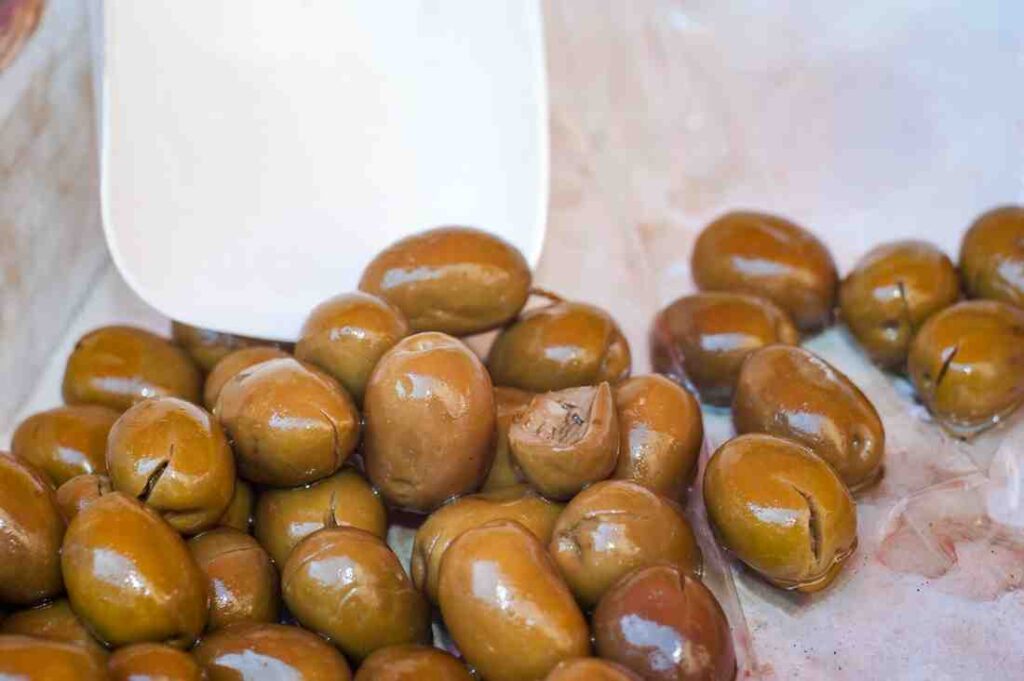
Whole bitter oranges are utilized in the preservation of green olives, adding a distinctive depth of flavor.
- Flavor Enhancement: The bitterness of the orange complements the olives, creating a harmonious taste profile.
Tea Infusions
Bitter orange contributes to regional variations in Moroccan mint tea rituals.
- Ma’zher Infusion: In some regions, mint tea is infused with Ma’zher, adding a floral note to the beverage.
- Blossom Inclusion: Other areas prefer the inclusion of sour orange blossoms directly in the tea for a subtler flavor.
Bitter Orange for Washing and Marinating Chicken
In Moroccan cuisine, bitter orange (Citrus aurantium) is commonly used in poultry preparation to enhance flavor and improve the texture of the meat. This traditional practice involves:
- Neutralizing odors: The acidity of bitter orange helps eliminate strong poultry smells.
- Tenderizing the meat: The natural enzymes in the juice slightly break down proteins, making the chicken more tender.
- Infusing citrusy aroma: The juice and peel add a subtle but distinct citrus fragrance.
- Enhancing traditional dishes: Used in Djej Mhamar (roasted chicken) and Djej Mqalli (chicken tagine with preserved lemon and olives) for a richer flavor.
- Rubbing the peel on chicken: Some cooks rub the peel on the meat before rinsing for extra fragrance.
Bitter Orange in Traditional Moroccan Dishes
While not as commonly used as preserved lemon, bitter orange (Citrus aurantium) occasionally enhances Moroccan dishes with its complex bitter and citrusy notes:
- Tagines: The zest or juice is sometimes added to chicken or lamb-based tagines, balancing rich and heavily spiced flavors with a hint of bitterness.
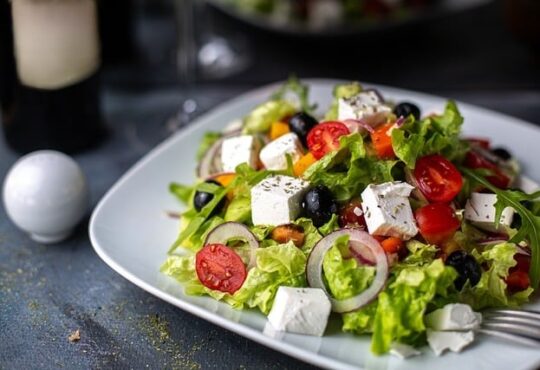
- Salads: Bitter orange segments or juice are occasionally used in citrus-based salads, adding a refreshing and slightly bitter contrast to sweet and savory ingredients.
Ma’zher: The Essence of Bitter Orange Blossoms
One of the most cherished products derived from bitter orange in Moroccan culture is Ma’zher, also known as orange blossom water. This fragrant distillation is integral to various aspects of daily life and tradition.
Production of Ma’zher
Ma’zher is produced through the steam distillation of fresh bitter orange blossoms. The process involves:
- Harvesting Blossoms: Collecting fresh, aromatic blossoms during the blooming season.
- Steam Distillation: Subjecting the blossoms to steam distillation to extract the essential oils and aromatic compounds, resulting in a clear, fragrant water.
Culinary Uses

In Moroccan cuisine, Ma’zher is a versatile ingredient:
Pastries and Desserts
- Chebakia : A deep-fried cookie soaked in honey syrup infused with orange blossom water, creating a signature Moroccan treat.
- Kaab el Ghazal (Gazel Horn) : A crescent-shaped pastry filled with almond or walnut paste, often scented with orange blossom water for an aromatic finish.
- Mhancha : A spiral-shaped pastry filled with almond paste or dates, often scented with ma’zher for added elegance.
- Baklava : Adds a fragrant touch to the layers of phyllo dough and nuts, elevating its aroma.
Beverages
Orange blossom water (ma’zher) plays a significant role in enhancing the flavor profiles of both traditional and unique drinks in Moroccan cuisine. Here are some examples:
- Mint Tea : While not always included, a few drops of orange blossom water can add a subtle floral note to this iconic Moroccan drink, making it even more aromatic. This variation is often served during special occasions or ceremonies.
- Coffee : In certain regions and for special preparations, orange blossom water is added to coffee to impart a delicate sweetness and fragrance, creating a unique drinking experience.
- Armenian Cucumber Juice with Dried Thyme and Bitter Orange Water : A refreshing beverage made by blending cucumber, dried thyme, and a hint of bitter orange blossom water. This combination creates a harmonious balance of flavors, perfect for hot summer days or as a palate cleanser. The dried thyme adds an earthy undertone, while the orange blossom water provides a subtle floral aroma.
- Milk with Orange Blossom Water : During ceremonies, milk infused with orange blossom water is traditionally offered to guests as a symbol of hospitality and purity. This gesture reflects the cultural significance of ma’zher in Moroccan traditions, where it serves to honor and welcome visitors with its soothing and fragrant qualities.
Preservation
Orange blossom water (ma’zher) is traditionally used to enhance the flavor, aroma, and quality of preserved foods. While it does not act as a preservative in the scientific sense, its addition elevates the sensory experience of these homemade products. Below are some key applications:
- Jams : Ma’zher is commonly added to fruit jams, especially those made with apricots, figs, or citrus fruits. It imparts a delicate floral note that enhances the natural sweetness of the fruit, creating a more sophisticated taste.
- Compotes : In Moroccan households, orange blossom water is often incorporated into fruit compotes, particularly during Ramadan or special occasions. It enriches the aroma and depth of the compote, making it a delightful accompaniment to pastries or as a dessert on its own.
- Honey-Based Syrup : A traditional Moroccan preparation involves mixing sugar, pure honey, and lemon juice with a few drops of orange blossom water (ma’zher). This syrup is specifically used to drizzle over fried honey pastries such as chebakia and sellou. The combination of honey, lemon, and ma’zher creates a unique balance of sweetness, tanginess, and floral fragrance, enhancing the overall flavor profile of these treats.
Cultural Significance
Beyond its culinary applications, Ma’zher holds a special place in Moroccan traditions:
- Ceremonial Use: Offered to guests during ceremonies to scent their hands and clothes, symbolizing hospitality and purity.
- Aromatherapy: Utilized for its calming and soothing properties in various traditional practices.
The multifaceted uses of Ma’zher underscore its importance in Moroccan culture, where it serves both practical and symbolic roles.
Citrus Aurantium: Medicinal Properties and Ethnobotanical Uses
Citrus aurantium, commonly known as bitter orange or Seville orange, has been utilized for centuries in various traditional medicinal practices and holds significant ethnobotanical importance across different cultures.
Medicinal Properties
Bitter orange has been employed in traditional medicine systems worldwide, attributed to its diverse therapeutic properties.
Traditional Chinese Medicine (TCM)
In TCM, bitter orange, referred to as “zhi shi,” is used to address various gastrointestinal issues.
- Digestive Aid: Traditionally used to treat indigestion, constipation, and abdominal distension.
- Qi Regulation: Believed to promote the flow of qi (vital energy), aiding in the relief of bloating and gas.
European Herbal Medicine
In European traditions, different parts of the bitter orange plant are utilized for their medicinal benefits.
- Sedative Effects: The flowers and essential oils are used as sedatives to address nervous conditions and insomnia.
- Digestive Health: Employed to alleviate gastrointestinal complaints such as ulcers, constipation, and diarrhea.
Brazilian Folk Medicine
In Brazilian traditional medicine, bitter orange is valued for its effects on the nervous system.
- Anxiety and Insomnia: Used as an anticonvulsant and to treat anxiety and sleep disorders.
Middle Eastern Practices
In regions like Iran, bitter orange holds a place in traditional remedies.
- Psychological Health: The flowers are commonly used to treat psychological ailments, reflecting its calming properties.
Ethnobotanical Uses
Beyond its medicinal applications, bitter orange plays a role in various cultural practices and daily life.
Culinary Applications
Bitter orange is integral to the culinary traditions of several cultures.
- Marmalade Production: In the United Kingdom, Seville oranges are prized for making traditional marmalade due to their high pectin content and distinctive bitter flavor.
- Flavoring Agent: The dried peel is used to flavor rice and vegetables in Iranian cuisine, adding a unique aroma and taste.
Aromatherapy and Perfumery
The aromatic properties of bitter orange have been harnessed in various forms.
- Essential Oils: Extracted from the peel and flowers, the oils are used in aromatherapy to alleviate stress and anxiety.
- Perfumery: Neroli oil, derived from the blossoms, and petitgrain oil, from the leaves and twigs, are valuable components in perfumery, contributing fresh and floral notes.
Ritualistic and Symbolic Uses
In certain cultures, bitter orange holds symbolic significance.
- Traditional Ceremonies: In Morocco, Ma’zher (orange blossom water) is offered to guests during ceremonies to scent their hands and clothes, symbolizing hospitality and purity.
- New Year Decorations: In Japan, the daidai, a variety of bitter orange, is used in New Year decorations called “kagami mochi,” symbolizing longevity and prosperity.
Frequently Asked Questions (FAQ)
Q1: What are the primary health benefits associated with bitter orange?
A1: Bitter orange has been traditionally used to address digestive issues, support weight loss, and alleviate anxiety. However, it’s essential to consult with a healthcare provider before using it for medicinal purposes due to potential side effects.
Q2: Is it safe to consume bitter orange or its extracts?
A2: While bitter orange is generally safe when consumed in amounts found in foods, supplements containing its extracts, especially those with synephrine, may pose health risks, particularly for individuals with cardiovascular conditions. It’s advisable to seek medical advice before using such supplements.
Q3: How is Ma’zher different from regular orange blossom water?
A3: Ma’zher specifically refers to orange blossom water derived from the bitter orange tree (Citrus aurantium). While similar in production to other orange blossom waters, Ma’zher is particularly associated with Moroccan cultural and culinary practices.
Q4: Can Ma’zher be used in savory dishes?
A4: Yes, Ma’zher can be used to add a floral note to savory dishes, such as certain tagines and salads, though its use is more common in sweets and beverages.
Q5: Are there any known side effects of using Ma’zher?
A5: Ma’zher is generally considered safe for culinary use. However, individuals with sensitivities to floral extracts should use it sparingly to avoid potential allergic reactions.
The rich cultural heritage and diverse applications of Citrus aurantium highlight its enduring significance in Moroccan society and beyond.