


M. suaveolens, Apple mint, Menta de manzana, Apfelminze, Menta mela, menthe odorante, Hortelã maçã, Мята яблочная, アップルミント, مرسيطة – نعنع الماء, 苹果薄荷.
Introducing Apple Mint: A Versatile Herb
Mentha suaveolens, commonly known as apple mint, is a delightful herb within the mint family, cherished for both its culinary and medicinal uses. With its distinctive apple-like fragrance and refreshing taste, apple mint stands out in a variety of applications.
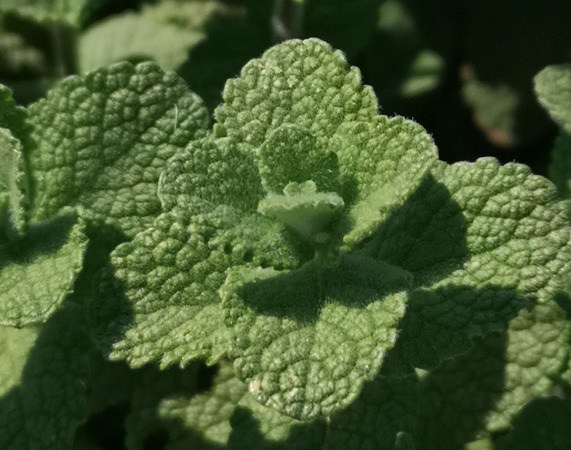
This perennial plant, also known as wooly mint due to its fuzzy leaves, thrives in temperate climates and is easily recognizable by its vibrant green, serrated leaves. Its visual appeal and unique flavor make it a popular choice in gardens and kitchens alike.
Early Documentation of Mentha Suaveolens
Apple mint’s history can be traced back to ancient civilizations, notably the Romans and Greeks, who cultivated this aromatic herb for its dual applications in culinary and medicinal realms. The herb earned esteem for its soothing properties and digestive benefits.
While the precise origin of Mentha suaveolens remains uncertain, it is commonly believed to have originated in the Mediterranean region. Thanks to its adaptability, apple mint has naturalized itself in diverse locations, spreading its influence across Europe, North America, and other temperate regions worldwide.
M. Suaveolens Chemical Components Analysis
Major Components
The chemical composition of Mentha suaveolens, commonly known as apple mint, is characterized by prominent oxides. Piperitone oxide and piperitenone oxide (PO) are major components, with different chemotypes featuring high percentages of various compounds. Some chemotypes are rich in alcohols like menthol, while others are abundant in ketones such as pulegone, piperitenone, and dihydrocarvone.
Essential Oil Profiles
There are three distinct profiles of Essential Oil of Mentha suaveolens (EOMS): one rich in pulegone, another in PO, and a third with a balanced composition of PO and piperitone oxide. This variability is influenced by climatic conditions, soil quality, cultivation practices, and harvest timing.
Primary Chemical Component
The primary chemical component in Mentha suaveolens essential oil is 1,2-Epoxypulegone (PO), which is formed through the epoxidation of piperitenone. Initially identified as rotundifolone after its isolation from M. rotundifolia in Japan, there has been significant taxonomic confusion surrounding this species.
Taxonomic Clarification
Flora Europea considered rotundifolone a misapplied name for Mentha suaveolens, while some authors regard it as a synonym. Additionally, the existence of a hybrid species, Mentha × rotundifolia, has been a topic of discussion and clarification among various experts in the field. This taxonomic complexity highlights the importance of accurate species identification in studying the chemical properties and applications of Mentha suaveolens.
Essential Oils in Apple Mint
The essential oils found in apple mint, such as menthol and limonene, contribute to its refreshing scent and flavor. These oils also possess potential therapeutic properties, including antimicrobial and antioxidant effects.
- Antimicrobial Potential: Mentha suaveolens essential oil (EOMS) demonstrates robust antimicrobial activity against various bacteria and fungi. Notably, the effectiveness is linked to its chemical composition, with pulegone being a key component influencing its antimicrobial properties.
- Potent Antioxidant Capacity: EOMS showcases notable antioxidant properties attributed to phenolic compounds present in the oil. The ability to scavenge free radicals and its high antioxidant activity make it valuable for combatting oxidative stress and reducing the risk of chronic diseases.
- Natural Insecticidal Agent: EOMS serves as an effective insecticidal agent, offering a natural alternative to synthetic chemicals. Its mode of action involves disrupting insect physiological functions, making it a promising and environmentally friendly option for pest control.
- Diverse Pharmacological Benefits: Mentha suaveolens exhibits various pharmacological activities, including analgesic, anti-inflammatory, cytotoxic, and hepatoprotective effects. The multifaceted benefits of EOMS make it a valuable asset in traditional medicine and therapeutic applications.
Aromatherapy Potential
Due to its pleasant aroma, apple mint has gained recognition in aromatherapy. The herb’s essential oils can be used in diffusers or added to bath products, offering a refreshing and invigorating experience. The scent of apple mint is known to uplift moods and promote relaxation.
Health Benefits of Mentha Suaveolens
Digestive Benefits
Apple mint has long been recognized for its positive effects on the digestive system. Its essential oils can help alleviate gastrointestinal discomfort and promote healthy digestion. From relieving indigestion to reducing bloating, apple mint can be a soothing solution after a hearty meal.
Respiratory Benefits
The refreshing aroma of apple mint can do wonders for the respiratory system. Inhaling its scent may help relieve congestion and alleviate symptoms of respiratory conditions such as coughs and colds. A cup of apple mint tea can provide comfort and a calming effect when you’re feeling under the weather.
Anti-inflammatory Properties
Apple mint contains compounds that possess anti-inflammatory properties. These properties make it a potential natural remedy for reducing inflammation and soothing discomfort caused by conditions like arthritis or muscle soreness. Applying a diluted apple mint essential oil topically may provide relief.
Antioxidant Potential of Mentha suaveolens
Mentha suaveolens (MS) displays significant antioxidant properties, crucial for combating the harmful effects of free radicals implicated in aging and diseases. Its phenolic compounds, including flavonoids and phenolic acids, contribute to its potent antioxidant activity, scavenging free radicals and chelating metal ions. Studies have highlighted MS’s ability to restore glutathione levels and scavenge free radicals in both in vivo and in vitro settings. While variations in antioxidant activity exist among different geographic regions and extraction methods, MS stands out as a promising natural antioxidant source with potential therapeutic benefits.
Immune System Boost
Rich in antioxidants, apple mint can contribute to a healthy immune system. Antioxidants help protect our cells from damage caused by free radicals and support overall immune function. Including apple mint in your diet or enjoying it as a tea can be a tasty way to give your immune system a boost.
Now that you know the intriguing history, versatile uses, and potential health benefits of Mentha suaveolens, why not explore the world of apple mint and add a touch of refreshing sweetness to your life?
Apple Mint Culinary Uses
Apple Mint, also referred to as pineapple mint, wooly mint, or round-leafed mint, adds a vibrant burst of flavor to your culinary creations. The leaves release a delightful aroma, blending the invigorating essence of mint with a touch of apple, which inspired its name. The taste is a delightful harmony of minty freshness complemented by a nuanced fruity sweetness. It’s akin to a leisurely walk through an orchard, accompanied by the refreshing sip of a minty mojito. Absolutely delicious!
Ways to Incorporate Apple Mint in Recipes
There are countless ways to incorporate apple mint into your culinary creations. This versatile herb can be used in both sweet and savory dishes, adding a unique twist to your recipes. Here are a few ideas to get your creative juices flowing:
- Sprinkle chopped apple mint leaves over fruit salads or add them to homemade popsicles for a refreshing summer treat.
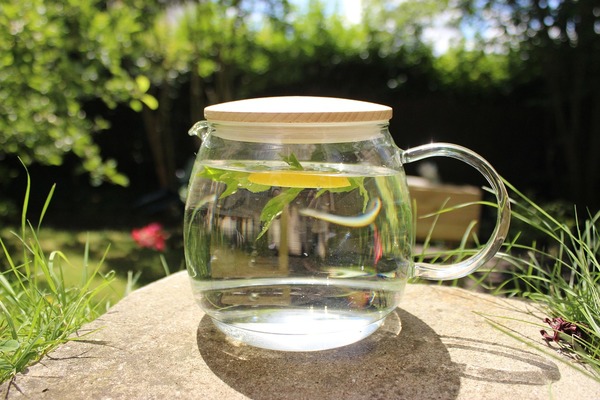
- Blend apple mint into smoothies or use it to infuse water for a revitalizing and flavorful twist.
- Muddle apple mint leaves into mojitos or use them to garnish cocktails for a burst of freshness.
- Toss a handful of apple mint into green salads for an unexpected flavor boost.
- Use apple mint as a garnish for lamb dishes or incorporate it into marinades for a unique and aromatic twist.
- Infuse apple mint into vinegar or olive oil for a flavorful dressing or drizzle.
- Blend fresh mint, chopped apples, and lemon juice into a paste; add ice cubes and water, pulsing for a smooth frappe. Enjoy the refreshing blend!
- For a refreshing Apple Mint Iced Tea, tear the leaves before steeping to enhance the minty taste by releasing the oils. After steeping, let the tea cool to room temperature before adding ice for optimal flavor.
In Morocco, a distinctive bread is made from semolina and cooked on a pan, where the semolina is intricately blended with finely chopped apple mint leaves. Additionally, during winter, bread is prepared using a blend of lesser calamint and apple mint, introducing a unique and flavorful twist to the traditional method.

The couscous, known as “couscous of plants,” is infused with the essence of five to seven medicinal plants, including rosemary, apple mint, lesser calamint, thyme, pennyroyal, and more. This infusion imparts a distinctive and aromatic flavor to the grains.
Pairing Suggestions
Apple mint pairs well with a wide range of ingredients and flavors. Its vibrant taste and fragrance make it a perfect companion for both sweet and savory dishes. Here are some delicious pairing suggestions to consider:
- Pair apple mint with fruits like strawberries, watermelon, and raspberries for a refreshing and summery combination.
- Combine apple mint with lemon or lime for a zesty and invigorating flavor profile.
- Use apple mint in dishes featuring lamb, chicken, or fish to add a burst of freshness to your protein-based meals.
- Experiment with pairing apple mint with ingredients like feta cheese, cucumber, or yogurt for a delightful Mediterranean twist.
- Don’t be afraid to experiment! Apple mint’s versatility allows it to blend harmoniously with various herbs and spices, so let your taste buds guide you.
| (FAQ) about Mentha Suaveolens 1 How to Grow Mentha Suaveolens Growing Mentha suaveolens, or apple mint, is relatively easy. It thrives in well-drained soil and prefers partial shade or full sun. Start by planting young apple mint plants or propagate them through root division. Remember to water regularly and provide occasional fertilization. With a little love and care, you’ll have a bountiful supply of fragrant apple mint leaves in no time! 2 Can Apple Mint Be Used as a Medicinal Herb? While apple mint is primarily known for its culinary uses, it also holds some potential health benefits. It is often used in traditional medicine for its calming properties and has been linked to digestive health and reducing nausea. However, it’s important to consult with a healthcare professional before incorporating apple mint into your medicinal routine. 3 Is Mentha Suaveolens Safe for Consumption? Yes, Mentha suaveolens is generally safe for consumption. However, if you have any specific health conditions or allergies, it is always advisable to consult with a healthcare professional before consuming any herb or plant. Additionally, moderation is key. A little apple mint can go a long way in enhancing the flavor of your dishes, so use it sparingly and enjoy its delightful taste. |