

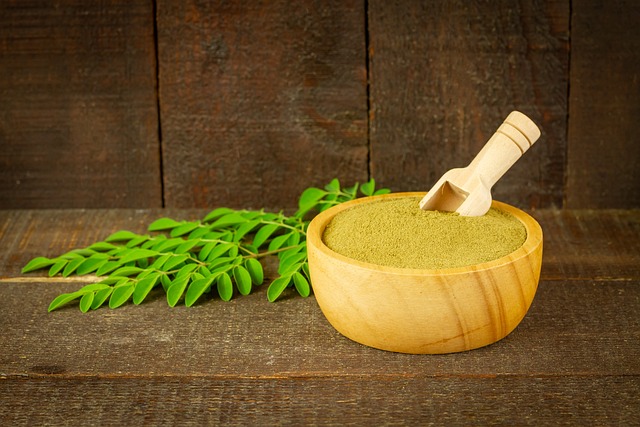
Moringa oleifera, also known as the drumstick tree or “miracle tree”, is a nutritional powerhouse originating from the Indian subcontinent. Often compared to kale for its abundance of nutrients, Moringa boasts exceptional medicinal properties and has garnered significant attention in the health and wellness community.
Beyond the Hype: Unveiling Moringa’s Rich History
Moringa’s journey extends far beyond recent trends. This “Tree of Life” traces its roots back to the Himalayan foothills and holds a prominent place in Ayurvedic medicine, an ancient Indian system of healing. Its presence in ancient Indian texts highlights its time-tested reputation as a historical remedy, not just a modern superfood fad.
Chemical Components of Moringa Oleifera
Moringa oleifera, renowned for its abundance of bioactive compounds, particularly in its leaves, stands out as a nutritional powerhouse. These leaves boast a diverse array of phytochemicals, categorized into various groups, each contributing to the plant’s potential health benefits.
1. Nitrogenous Compounds:
- Alkaloids: Moringa leaves contain alkaloids, including vincosamide, which possess potential anti-inflammatory and neuroprotective properties.
- Glucosinolates and Isothiocyanates: These compounds undergo enzymatic breakdown to form isothiocyanates, known for their antimicrobial and anti-cancerous effects.
2. Vitamins:
- Vitamin A: Abundant in Moringa leaves, vitamin A is crucial for vision, immune function, and reproduction.
- Vitamin C: Moringa leaves boast a remarkable vitamin C content, acting as a potent antioxidant and supporting immune health.
- Vitamin E: This essential vitamin contributes to antioxidant defense and inhibits cell proliferation.
3. Phenolic Compounds:
- Polyphenols: Dried Moringa leaves are rich in polyphenols, particularly flavonoids like quercetin, myricetin, and kaempferol, offering antioxidant protection and potential therapeutic effects.
- Phenolic Acids: Moringa leaves are a source of phenolic acids like gallic acid, chlorogenic acid, and caffeic acid, contributing to anti-inflammatory and metabolic benefits.
4. Tannins:
These water-soluble phenolic compounds in Moringa leaves are associated with anti-cancer, antiatherosclerotic, anti-inflammatory, and anti-hepatotoxic properties.
5. Saponins:
Moringa leaves are a rich source of saponins, exhibiting anti-cancer properties and further enhancing the overall health benefits associated with Moringa oleifera.
Exploring the Science Behind its Potential Health Benefits
Moringa oleifera, a leafy green vegetable, has gained recognition for its potential health benefits. Packed with essential nutrients like vitamins A, C, and E, calcium, potassium, and iron, Moringa goes beyond being just a “superfood.” Let’s delve into the science behind its potential health claims:
1. Immune System Support:
- Antioxidant Power: Moringa is rich in beta-carotene, which converts to vitamin A and helps fight free radicals. Additionally, phenolic compounds in Moringa act as antioxidants, neutralizing harmful free radicals and reducing oxidative stress, potentially boosting the immune system.
2. Anti-Inflammatory and Antioxidant Effects:
- Reduced Inflammation: Moringa leaf extracts demonstrate anti-inflammatory properties by inhibiting the production of inflammatory molecules (cytokines). It also stimulates the immune system by increasing white blood cells and immunoglobulins, contributing to overall immune function. The presence of quercetin further enhances its anti-inflammatory effects.
3. Potential Anti-Cancer Properties:
- Promising Research: Moringa shows promise in cancer prevention and treatment. Specific compounds like isothiocyanate (found in the bark) and hexadecanoic acid exhibit anti-cancer effects. Additionally, eugenol in Moringa bark displays potential against various cancers. These findings suggest Moringa might be a valuable resource in future cancer research.
4. Supporting Heart Health:
- Blood Pressure Regulation: Moringa leaves contain compounds that may help stabilize blood pressure. Studies suggest that these compounds have blood pressure-lowering effects, potentially benefiting cardiovascular health and blood pressure management.
5. Liver Protection:
- Hepatoprotective Effects: Moringa leaves may protect the liver by reducing enzymes associated with liver damage. Studies indicate positive effects on liver health, including decreased levels of harmful lipids, suggesting Moringa’s potential as a liver-protective agent.
6. Managing Blood Sugar:
- Natural Approach to Diabetes: Moringa leaves exhibit anti-hyperglycemic properties, potentially aiding in diabetes management. Various compounds within Moringa may improve insulin activity, glucose uptake, and utilization, offering a potential natural approach for managing blood sugar levels.
Culinary Delights with Moringa
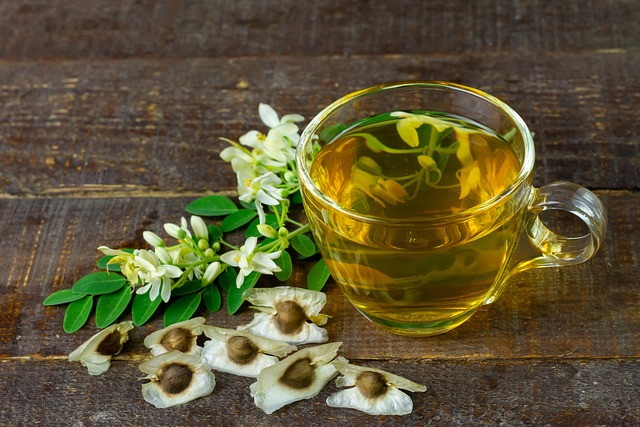
- Leaves: Unlock the culinary potential of Moringa leaves or enjoy their health benefits in herbal teas. These versatile leaves add a unique flavor to your meals. Saute them for a healthy side dish or incorporate them into salads, stir-fries, and soups for a quick and nutritious boost. Explore the culinary possibilities and experience the health benefits of Moringa with each bite or sip.
Moringa Powder: A Convenient Powerhouse:
- Vitamin C Rich: Moringa powder, readily available in health stores, offers a convenient way to incorporate Moringa into your diet. Packed with vitamin C and other essential nutrients, this versatile powder can be added to smoothies, yogurt, oatmeal, or even salads, providing an easy and delicious way to enhance the nutritional value of your meals.
Key Considerations for Moringa Oleifera Consumption
While Moringa oleifera boasts a range of potential health benefits, it’s vital to approach its consumption with caution and be aware of potential drawbacks:
- Allergic Reactions and Sensitivities: Individuals with known allergies to plants in the Moringaceae family, which includes horseradish, may experience allergic reactions upon consuming Moringa. It’s essential to consult a healthcare professional before consuming Moringa, especially if you have a history of allergies.
- Drug Interactions: Moringa may interact with certain medications, including blood thinners and diabetes medications. If you are taking any prescription medications, it’s paramount to discuss Moringa consumption with your doctor to avoid potential complications.
- Pregnancy and Breastfeeding: Due to insufficient research on the safety of Moringa during pregnancy and breastfeeding, it’s advisable to avoid consumption during these periods.
- Limited Safety Data: Long-term safety data on Moringa consumption is limited. It’s crucial to exercise caution and consult a healthcare professional before incorporating Moringa into your diet, especially if you have any underlying health conditions.