

Moroccan Mint Tea: A Blend of Tradition and Variation
In this final section, we delve into the delightful diversity of Moroccan mint tea, a cultural practice where taste and plant selection intertwine beautifully. Local traditions, geography, the prevalence of specific plants in a region, and of course, personal preferences for certain mint varieties all play a role in shaping this rich tradition. This section will explore the fascinating world of hybrid mint species, the result of crossbreeding within the Mentha genus.
Mint Mashup: A Recipe for New Varieties
Mint plants (genus Mentha) are famous for their confusing family tree, and here’s why:
- Mint Mingle: When different Mentha species grow near each other, the flowers of one plant act as magnets for pollinators like bees and butterflies. These busy insects carry pollen from one mint variety to another, accidentally causing interspecific hybridization. This means they create offspring that are a mix of the two parent species.
- The Mix-Up: These hybrids can have varying chromosome numbers due to the different genetic makeup of their parents. This variation, along with the influence of both parent plants’ characteristics, can lead to interesting and sometimes unpredictable appearances in the offspring.
But there’s more to the mint mix-up!
- Nature’s Backup Plan: Even if some mint hybrids are sterile (can’t reproduce seeds), they have a clever trick up their sleeve. They can reproduce asexually through underground stems called rhizomes. This process, known as vegetative propagation, allows them to spread and establish themselves even without producing seeds.
Despite the challenges of classifying mint due to this constant mixing and matching, many cultivated mint varieties, like those used in Moroccan tea, are likely the result of this fascinating natural process of hybridization.
Moroccan Pennyroyal Varieties
Morocco boasts a rich diversity of pennyroyal varieties, each contributing distinct flavors and aromas to the country’s vibrant tea culture. From the wild-growing Fliyou found in the rugged mountains to the cultivated varieties thriving near water sources, Moroccan pennyroyal encompasses a spectrum of botanical treasures. Additionally, the Fliyou d’Almadina, or Desert Mint, presents a unique cultivated variety with ties to distant regions, adding an intriguing dimension to Morocco’s herbal offerings. Let’s explore the fascinating array of Moroccan pennyroyal varieties and their contributions to the nation’s beloved tea traditions.
1. Fliyou (Wild Pennyroyal):
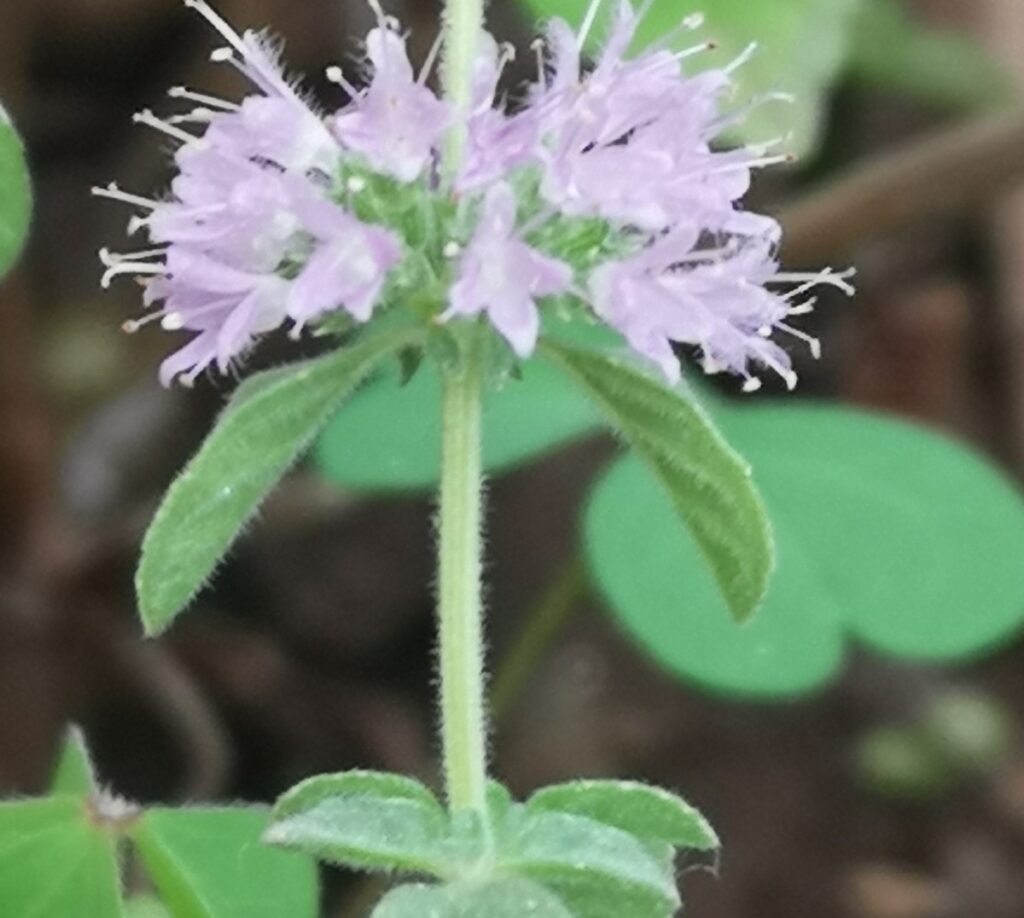
- Scientific Name: Mentha pulegium
- Local Names: Fliyou or Fliyou d’Jbel
- Description: This variety grows wild and is collected in the mountains, characterized by thin, small leaves and a strong aroma
2. Fliyou (Cultivated Pennyroyal):
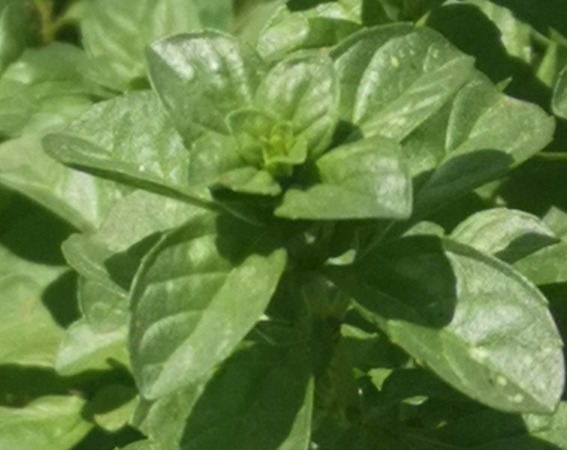
- Scientific Name: Mentha pulegium
- Local Name: Fliyou
- Description: Cultivated pennyroyal is obviously characterized by large, green leaves.
3. Fliyou d’Almadina (Desert Mint):
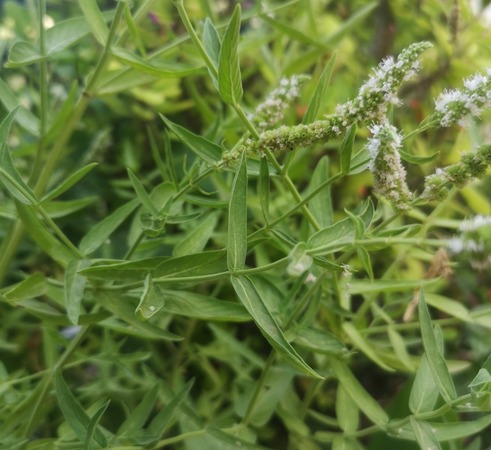
- Scientific Name: Mentha longifolia
- Local Names: Fliyou d’Almadina or Dabbab in Sham
- Description: This variety is cultivated and sold in Morocco. It shares similarities with a mint variety found in al-Madina (Saudi Arabia), known as Hassawi and Habaq.
Moroccan Mint Tea: Flavors through Crossbreeding
Moroccan tea, a delightful cultural treasure, isn’t just about tradition. It thrives on innovation, particularly through the fascinating art of crossbreeding mint varieties. This practice unlocks a world of captivating flavors and aromas, constantly evolving the tea experience.
| Source: Bown, D. (1995). Encyclopedia of Herbs and Their Uses Flowering herbs like thyme, marjoram, mint, and lavender can cross-pollinate when planted close together, giving rise to offspring with unique characteristics. This hybridization can even occur between closely related plants if they flower simultaneously. |
1- Crossbreeding Spearmint and Pennyroyal: A Fusion of Flavors
Crossbreeding mint varieties fosters the development of novel flavor profiles. A prime example is the union of spearmint (Mentha spicata) and pennyroyal (Mentha pulegium), which results in the captivating Naânaâ Fliyou hybrid. This mint visually resembles spearmint, with familiar leaves. However, a closer examination reveals the aromatic influence of pennyroyal. This unique blend exemplifies the effectiveness of crossbreeding in creating distinctive flavor profiles, enriching the tapestry of flavors in Moroccan tea culture.
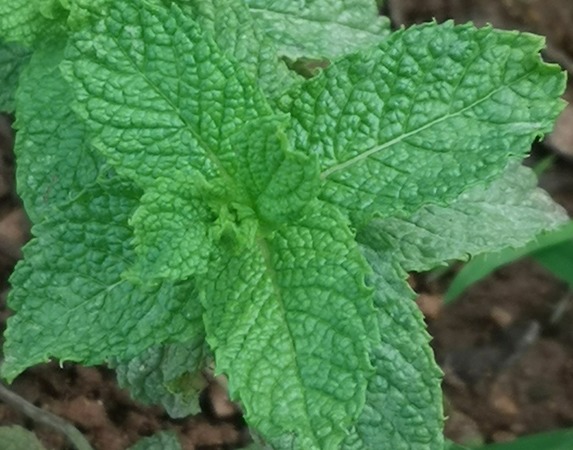
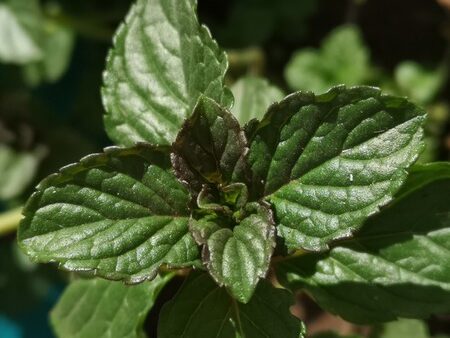
- Spearmint (Mentha spicata)
- Pennyroyal (Mentha pulegium)
- Resulting Hybrid: Naânaâ Fliyou or Flioui is characterized by its spearmint form
- Aroma: Delightful essence of pennyroyal
2- Peppermint and Pennyroyal: A Twist on Tradition
Äabdi Mlaqem is another remarkable product of crossbreeding. While its exact lineage remains unclear, it is believed to involve peppermint crossed with another mint species. This variety takes the familiar base of peppermint and adds a captivating twist – its fragrance leans towards pennyroyal. This unexpected combination highlights the innovative spirit driving Moroccan tea culture forward. It offers tea enthusiasts a delightful surprise, transforming the traditional peppermint experience into something truly unique.
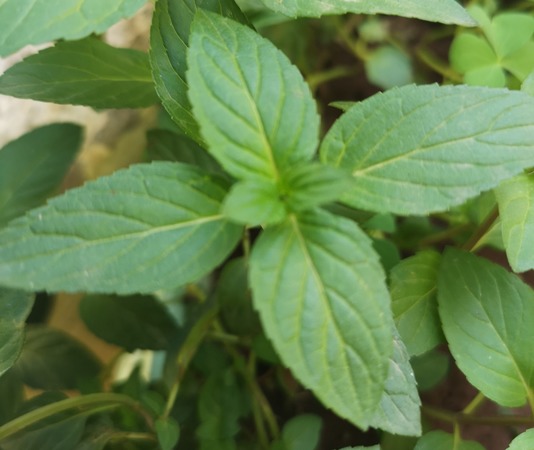
- Peppermint (Mentha piperita)
- Pennyroyal (Mentha pulegium)
- Resulting Hybrid: Äabdi Mlaqem (peppermint crossbreed)
- Aroma: Leans towards pennyroyal
3- Peppermint and Thyme: Pushing the Boundaries
The realm of crossbred Moroccan mint varieties extends even further. Rare crosses like Äabdi Mlaqem with thyme push the boundaries of flavor exploration. Imagine a peppermint mint that not only smells like thyme but also possesses its subtle nuances! This is believed to be the result of natural cross-pollination with thyme, highlighting the role of nature in shaping these unique varieties. These exceptional blends showcase the diverse possibilities of crossbreeding in Moroccan tea production. They stand as a testament to both the creativity of nature and the ingenuity of tea artisans who craft unforgettable tea experiences.
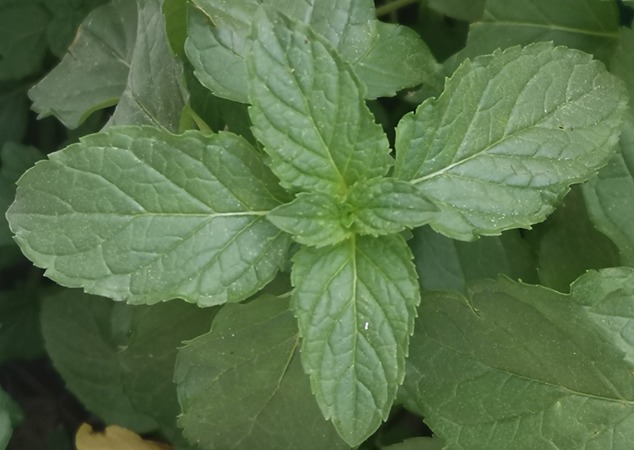
- Peppermint (Mentha piperita)
- Thyme (Thymus vulgaris)
- Resulting Hybrid: Äabdi Mlaqem (Peppermint Cross-Pollination)
- Aroma: Leans towards thyme
It’s interesting to note that even Moroccans sometimes struggle to differentiate between pennyroyal mint and its hybrids. Both are used interchangeably in homes and cafes to infuse tea. As long as the aroma is reminiscent of pennyroyal, it’s considered pennyroyal for tea-making purposes, even if it’s a hybrid.
This can be confusing for those new to Moroccan tea. To bridge this gap, detailed explanations of the various plants, hybrids, and resins used are essential. This information should respect regional customs and traditions while providing a comprehensive understanding of Moroccan tea preparation.

In the final part of this series on Moroccan tea, whether amidst the desert’s serene dunes, the rugged Atlas Mountains, or the captivating presence of a traditional Kasbah, the enjoyment of Moroccan tea becomes an unforgettable experience. With each sip, amidst breathtaking views, one immerses themselves in the rich tapestry of Moroccan culture, where warmth, tradition, and hospitality converge to create lasting memories against the backdrop of nature’s grandeur.