

A Culinary Journey Through Morocco
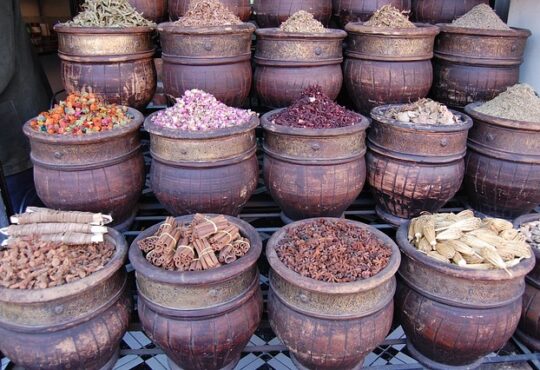
Morocco’s cuisine is a vibrant tapestry woven from the threads of history and geography. Centuries of trade routes and cultural exchanges have left their mark, resulting in a unique fusion of Berber, Arab, Andalusian, and Mediterranean influences. This rich heritage is evident in the remarkable diversity of dishes found across the country. Coastal towns boast an abundance of seafood in their cuisine, while mountain villages feature dishes rich in nuts and dried fruits.
Moroccan Preserved Lemons: The Tangy Touch
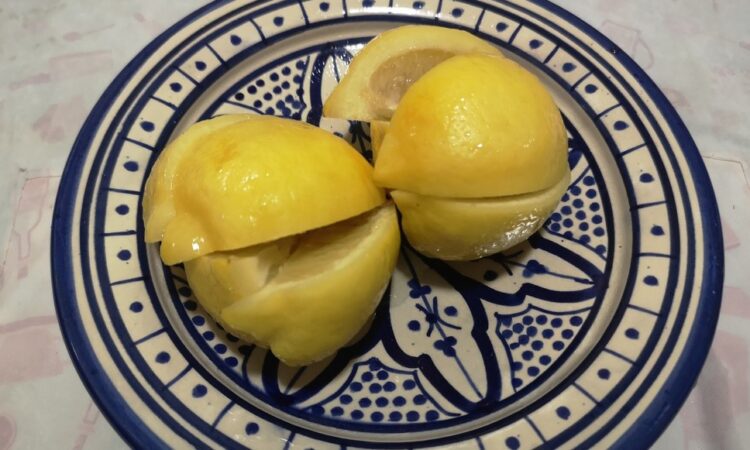
One ingredient that transcends regional variations and unites Moroccan cuisine is the preserved lemon, or lemon confit. These lemons add a unique tangy and citrusy flavor that counterbalances the richness of many dishes. Think of them as a culinary “magic touch,” balancing sweet and savory profiles while adding a touch of brightness. They play a vital role in many dishes, especially the famous chicken tagine with preserved lemons and green olives. Moroccans hold certain lemon varieties in high regard, and when these prized fruits hit the markets, households waste no time in preparing jars of preserved lemons to savor throughout the year.
Morocco’s Citrus Gems: Unveiling Unique Varieties
Citrus fruits are a major player in Moroccan agriculture. The country is a prominent producer, contributing significantly to the global citrus harvest. This sunshine-blessed region boasts ideal conditions for growing a wide variety of citrus fruits, making them not just a staple in Moroccan cuisine but also culturally significant. We’ll delve deeper into some of these unique varieties and explore their special place in Moroccan traditions.
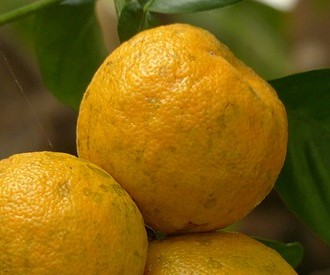
1- Citrus aurantium (bitter orange, sour orange or Seville orange): Known in Moroccan Arabic as Ranj, Rounj, Narenj, Larenj, or Zanbouâ, this citrus stands out for its intense bitterness. Unlike the familiar sweet lemons, bitter oranges find a surprising primary use: creating the fragrant floral water called Ma’zher. This aromatic water is a cornerstone of Moroccan culture, adding a unique touch to pastries and even serving as a floral perfume for ceremonies. Guests are traditionally offered Ma’zher poured from a special bottle to scent their hands and clothes.
The versatility of the bitter orange extends beyond Ma’zher. Whole bitter oranges are used to preserve green olives, adding a depth of flavor. Interestingly, Moroccan mint tea rituals take a regional turn when it comes to citrus. Some regions prefer to infuse their tea with Ma’zher, while others favor the delicate touch of blossom sour orange for a subtler floral note.
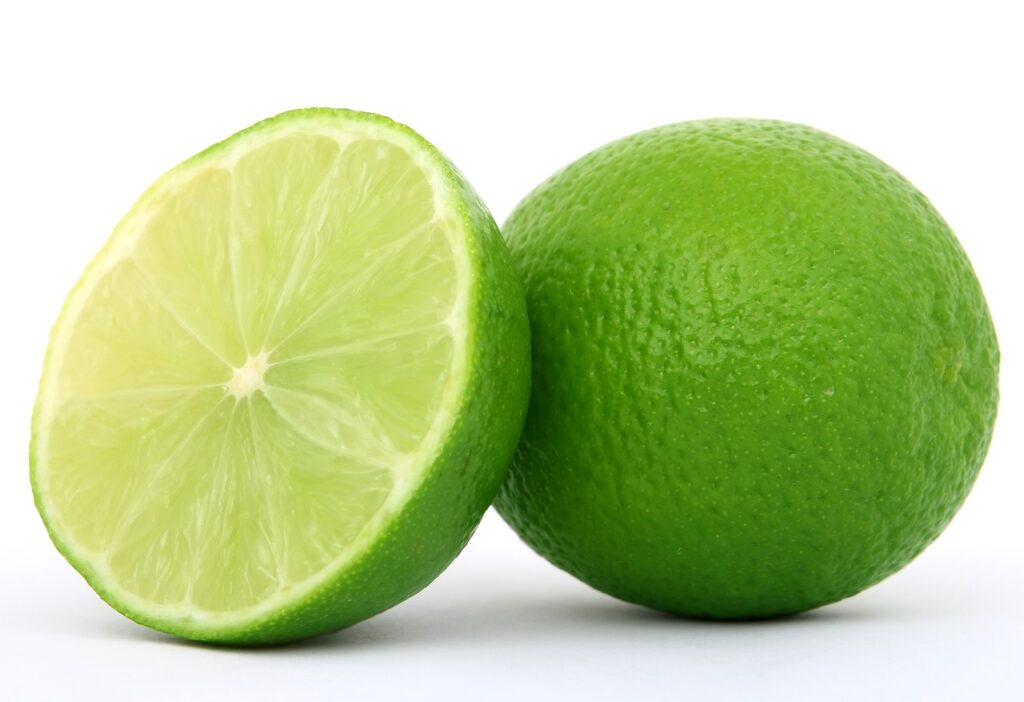
2- Lim : Refers to thin-skinned limes, which are used primarily for their intense tanginess in fresh applications like marinades, beverages, and salads. These belong to the Citrus aurantifolia or Citrus latifolia family.
L’hamed / Limoun l’Hamed : Refers to the thick-rinded, yellow-skinned lemons (Citrus limon ), which are the most widely used citrus variety in Morocco. They are versatile, used both fresh and preserved, and are integral to Moroccan cuisine.
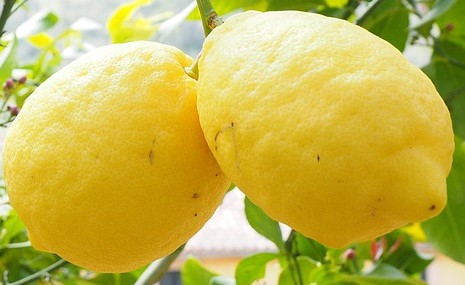
This tart citrus fruit features prominently in Moroccan cuisine, finding its way into various recipes, juices, and especially fish dishes. It’s also a key ingredient in chermoula, a flavorful marinade that combines fresh parsley, coriander, garlic, cumin, paprika, lemon juice, olive oil, and optionally, chili. Chermoula adds a bright, citrusy note to dishes and is particularly popular for marinating fish before grilling or baking. The inclusion or exclusion of chili allows for flexibility in adjusting the heat level to suit individual tastes.
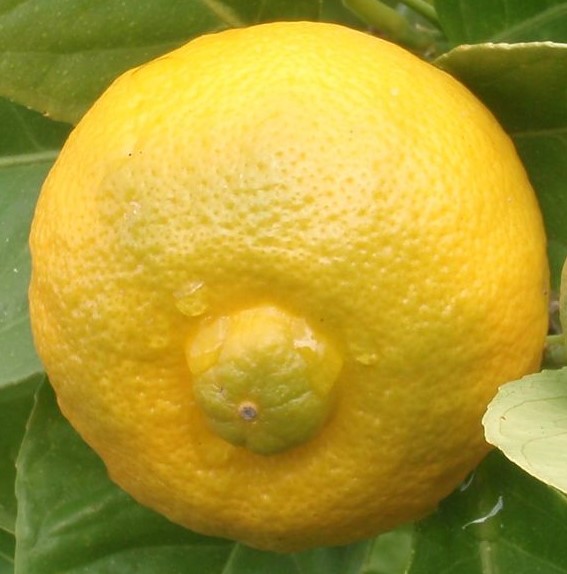
3- Citrus limetta Risso (Moroccan limetta, Marrakech Limonetta), also known as Hamed l’Beldi or l’Hamed Boussera, is a unique type of lime particularly prized in Morocco. Unlike regular limes, it’s the go-to choice for making Limon mssayer (preserved lemons) or l’Hamed mraqed. While other lemons, like the standard variety with a thicker peel, can be used for preservation, Moroccan Limettas are especially favored for their distinct flavor and aroma they impart to the finished product. It’s important to note that regular limes are not typically used for making preserved lemons.
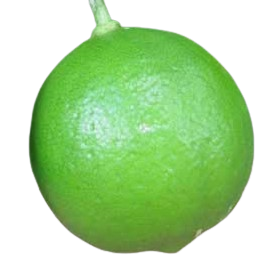
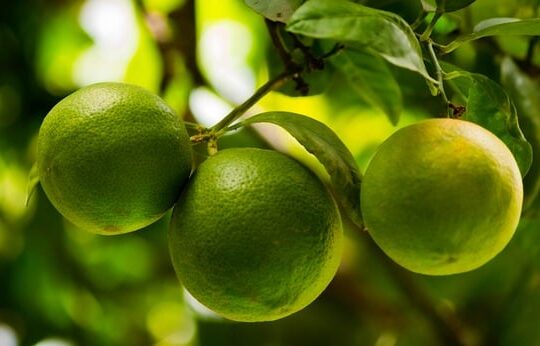
4- Citrus aurantifolia Swingle (Key Lime, Mexican Lime), Also known as Doq, E’doq, or Lim Doq (especially in Fes) in Moroccan Arabic, this small evergreen tree, rather than a lemon tree, is a common sight near houses in Fez, bearing an abundance of small, round green fruits. These limes are prized for their intense acidity, making them a popular choice for adding a tart and tangy flavor to olive and vegetable preserves.
5- Citrus medica L: The citron (Citrus medica L) is a unique citrus fruit with a fascinating presence in Morocco, particularly known for some truly rare varieties. Here’s a closer look at two exceptional citrons:
The Mguergueb Citron: This standout variety hails from the Berkan region and is prized for its remarkable characteristics. Unlike typical citrons with a tart flesh, the Mguergueb boasts a surprisingly sweet pulp. It’s further distinguished by its vibrant golden yellow peel and an almost perfectly uniform shape, making it a truly eye-catching fruit.
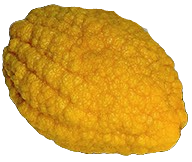
The Etrog Citron: This lesser-known citron holds special significance for the Moroccan Jewish community. While Unfamiliar to most Moroccans, the Etrog holds particular importance within the Jewish community. Locally pronounced “Trounj” or “Tronz,” this citron variety is cultivated exclusively in the secluded Citron Valley (Douar Assads), a village nestled near Taroudant. Traditionally used during the Jewish holiday of Sukkot, the Etrog citron is a bright yellow fruit with a symbolic role in the celebration.1
Vitamin and Mineral Content in Preserved Lemons
Preserved lemons contain both vitamins and minerals, but their nutritional profile is significantly altered by the preservation process. Here’s a brief overview:
Vitamins:
- Vitamin C: Reduced but still present.
- Vitamin B6: Some amounts remain.
- Folate (Vitamin B9): Some amounts remain.
- Vitamin A and E: Trace amounts.
Minerals:
- Calcium: Present and remains after preservation.
- Potassium: Remains after preservation.
- Magnesium: Present in small amounts.
- Iron: Found in trace amounts.
- Sodium: Significantly increased due to the preservation process with salt.
| Note: Due to the high sodium content, preserved lemons should be used carefully, especially by individuals monitoring their sodium intake. |
Moroccan Preserved Lemons (L’Hamed Mssayer or Mraqed)
Moroccan cuisine takes pride in a unique ingredient: the preserved lemon, known as l’hamed mssayer or mraqed. These lemons offer a depth of flavor and aroma unlike any other. Here’s a breakdown of the process, from gathering ingredients to enjoying your creation.
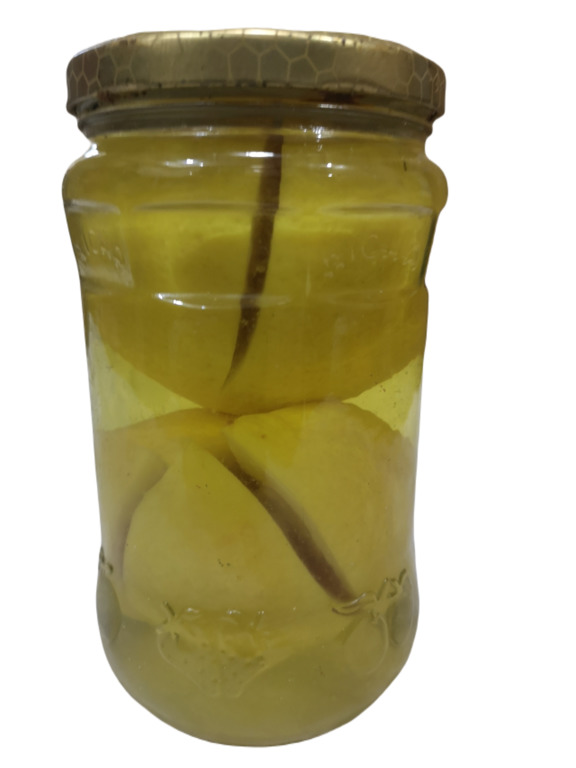
1. Gathering the Essentials
To embark on this flavorful journey, you’ll need a few key things:
- Lemons: (5-6) In Morocco, “boussera” lemons (Lhamed beldi) are preferred. Outside of Morocco, Eureka lemons are a great substitute.
- Salt: Fine sea salt or kosher salt is ideal.
- Water: While not always used, some prefer a brine solution. (See Preparation Tip)
- Sterile Glass Jar: Choose a jar large enough to hold your lemons comfortably.
Preparation Time: While the actual preparation takes about 10 minutes, the lemons need time to cure for maximum flavor. Patience is key!
2. Preparation Tip: Selecting Your Lemon Approach
The preparation method depends on the type of lemon you choose:
- Moroccan Lemons: Simply remove the stems and make a few shallow incisions in the skin.
- Other Lemons: Quarter the lemons lengthwise, taking care to leave the base intact.
3. Packing the Jar: A Salty Symphony
Once your lemons are prepped, it’s time to pack the jar:
- Generously layer salt between the lemons, ensuring a snug fit.
- Gently compress the lemons to release their juices and create a tightly packed container.
Brine or No Brine?
Traditionally, Moroccans simply use salt for curing. However, some prefer a brine solution. Here’s how to incorporate water:
- After packing the jar with salt and lemons, fill the remaining space with enough water to cover the lemons completely.
4. Patience Rewarded: The Waiting Game
Over the next two weeks, continue to gently compress the lemons to ensure they remain submerged in their juices (or brine). This process typically takes four to five weeks for the rinds to achieve the desired softness.
5. A Taste of Success: Enjoying Your Creation
Once the lemons have reached your desired level of softness, transfer the jar to the refrigerator for long-term storage.
Before Use: To enjoy the preserved lemons, rinse them to remove excess salt and any film.
6. How to Use Preserved Lemons: A Flavorful Journey
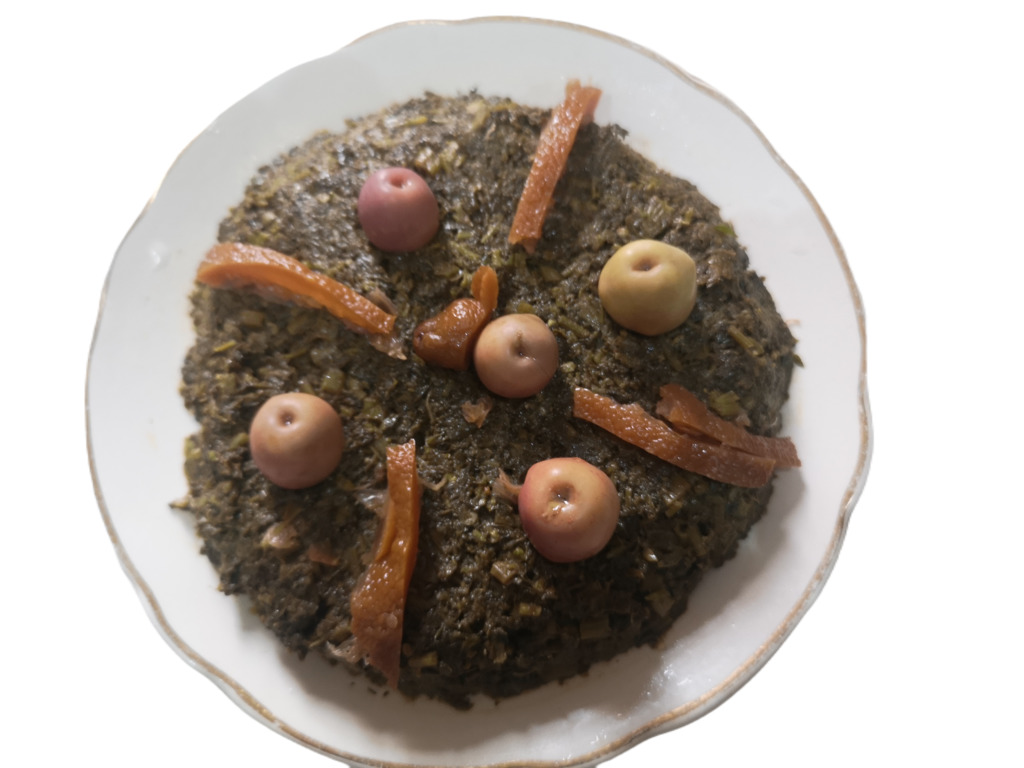
| Bkoula, a well-known Moroccan salad, is made from a variety of plants such as Malva sylvestris or purslane. It is a traditional accompaniment to tajines or grilled meats and is often prepared using one or more types of plants. It is typically served with preserved lemon and olives, enhancing its flavors and adding a tangy and savory touch to the dish. |
Preserved lemons are a versatile ingredient, adding a unique touch to various dishes:
- Tagines, Stews, and Sauces: Use quartered preserved lemons, with or without the flesh, to enhance these dishes. The lemons add a salty, pungent flavor that complements savory ingredients beautifully.
- Salads: Finely chop the preserved lemon rind for a burst of brightness and texture. This adds a complex citrus note that cuts through richness and elevates the salad.
- Appetizer: Some enjoy preserved lemons on their own, paired with canned sardines. The salty and tangy flavors of the lemons create a delightful contrast with the sardines.
- Marinades and Sauces: The tangy flavor of preserved lemon complements marinades and sauces perfectly. It adds a unique layer of complexity that can elevate your dishes from ordinary to extraordinary.
- Fish and Chicken Tagines: Preserved lemon is a staple ingredient in Moroccan cuisine, particularly in dishes like chicken with preserved lemon and olives. The lemons add a characteristic Moroccan flavor that defines these dishes.
- Roasted Vegetables: Finely chopped preserved lemon adds a delightful touch to roasted vegetables. It provides a surprising pop of citrus that brightens the flavors and adds another dimension to the dish.
- Tanjia Infusion: Preserved lemon is a key ingredient in the slow-cooked Moroccan dish Tanjia. The lemons infuse the meat with a unique tanginess and complexity of flavor, contributing significantly to the character of this dish.
References:
- Chapot, H. (1950). Un curieux Cédrat marocain (Citrus medica Linné). Journal d’agriculture traditionnelle et de botanique appliquée, 335-336, 506-514. ↩︎