

Lebloul: A Moroccan Culinary Gem
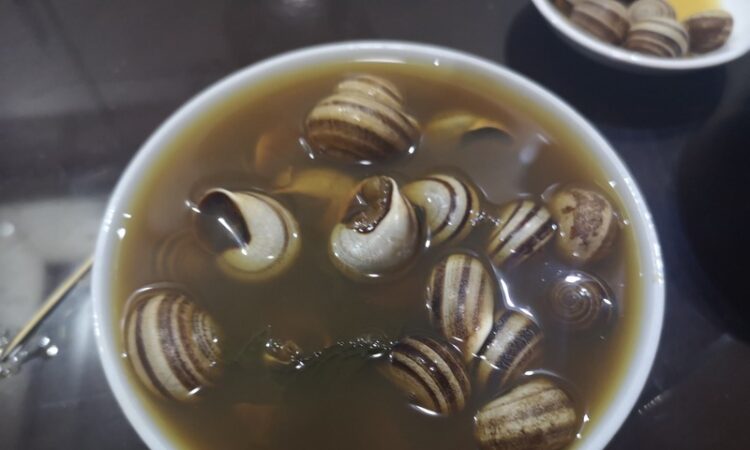
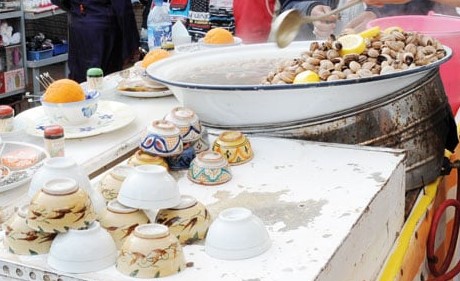
Moroccan snails broth, known as “Lebloul” (or “Bloul”), is a fragrant concoction that forms the heart of a beloved national dish – snails! Across the country, you’ll likely encounter street vendors with distinctive mobile kiosks. These vendors offer steaming bowls of snails simmered in Lebloul to eager customers who gather around. Especially on cool evenings, these warm and inviting bowls become a delightful way to experience a true taste of Moroccan tradition.
A Shared Snail History Across Millennia
Unearthed archaeological evidence suggests a long history of enjoying snails as food in Morocco. Findings point to the Iberomaurusian people, an ancient civilization that thrived in the region during the Paleolithic era (roughly 50,000 to 12,000 years ago), as the earliest known consumers of snails. This theory is supported by the discovery of snail fossils in one of the caves located in Morocco’s Nador region. Today, snails, known as “bebouch” in Morocco, remain a popular dish cherished by people in the country.
The Nutritional Benefits of Moroccan Snails
Moroccan snails, known as “Bebouch” or “Ghlala,” aren’t just a delicious delicacy – they’re also packed with impressive nutritional benefits. Here’s why these land snails have earned a place on Moroccan plates for generations:
- High-Quality Protein: Snails are a natural source of complete protein, containing all nine essential amino acids your body needs. This protein is crucial for building and maintaining muscle tissue, supporting healthy growth and repair.
- Low in Saturated Fat: Unlike some meats, snails are naturally low in saturated fat, making them a heart-friendly choice. This low-fat content allows you to enjoy the flavor without worrying about excessive dietary fat intake.
- Essential Minerals and Trace Elements: Moroccan snails are a rich source of essential minerals and trace elements like calcium, magnesium, phosphorus, iron, and copper. These minerals play vital roles in bone health, energy production, and various bodily functions.
- A Vitamin Boost: Get your daily dose of vitamins with a serving of Moroccan snails. They boast vitamins B6, B12, and C, which contribute to a healthy nervous system, red blood cell production, and a strong immune system.
A Culinary Symphony of Medicinal Plants and Spices
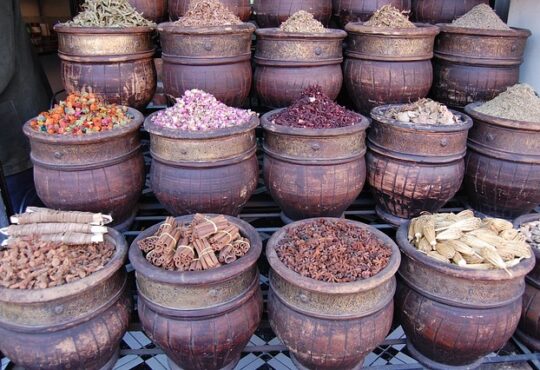
While the snails themselves are a popular street food, our focus here is the “Lebloul” itself. This aromatic broth is brimming with medicinal plants and spices, reflecting the Moroccan tendency to excel in the art of blending. This passion for flavor and wellness is evident in various Moroccan dishes like:
Seven-herb tea: In Morocco, the traditional “tea” incorporates gunpowder green tea leaves steeped with fresh mint and sugar. While some may use a specific blend of seven herbs for their tea, others might opt for a simpler combination with fewer herbs.
Ras el hanout: A complex spice mix boasting over 30 ingredients, each carefully selected for its unique flavor and aroma.
Spiced coffee: A flavorful coffee drink infused with more than 10 spices, creating a warm and invigorating beverage.
Khoudenjal tea: A warming tea, especially popular on chilly days, featuring a blend of over 20 herbs and spices, known for its soothing and potentially therapeutic properties.
Zamita: A toasted flour preparation featuring over 20 medicinal plants and spices, offering a rich and nutritious treat.
Local vinegar: A homemade vinegar crafted with dozens of roots, plants, and spices, adding a tangy and flavorful touch to various dishes.
An Alchemy of Flavors and Wellness
What’s truly remarkable is the skillful selection of these plants and spices. Moroccans leverage their inherent medicinal properties to create not only health benefits but also unique and captivating flavors. Each dish becomes a symphony of tastes and aromas, a testament to the Moroccan culinary heritage.
Moroccan Spicy Snail Broth: A Symphony of Flavors
Building the Fragrant Base:
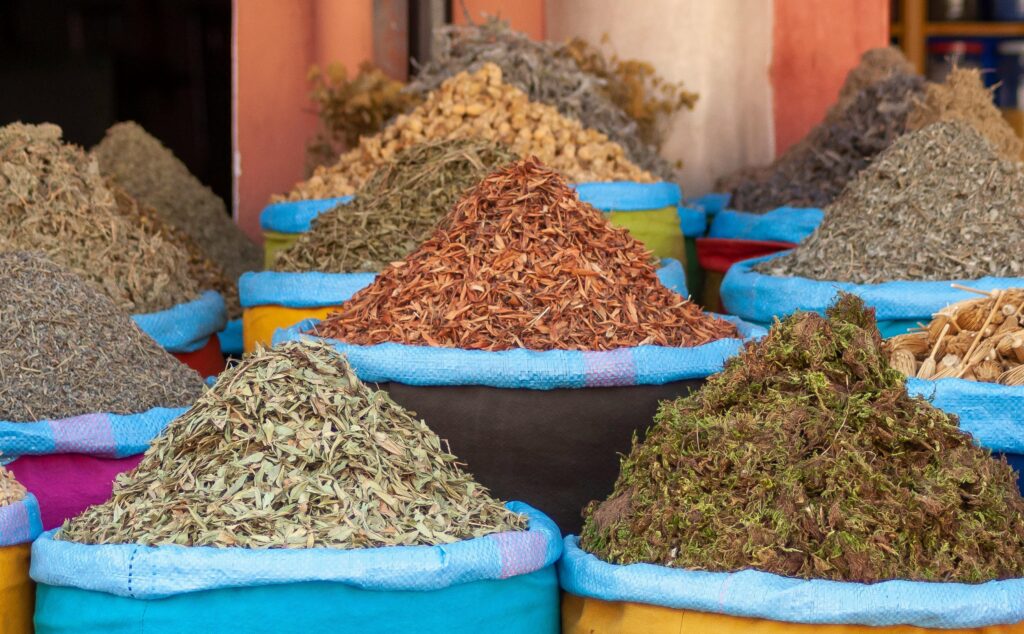
The magic of Moroccan snail broth lies in its aromatic base. This tantalizing concoction starts with a careful selection of key ingredients:
- Green Anise: Lending a licorice-like sweetness.
- Caraway Seed: Offering a warm, slightly peppery note.
- Licorice Root: Adding a subtle sweetness and depth of flavor.
- Fresh Herbs: A fragrant blend of thyme, rosemary, sage, and spearmint for a touch of earthiness and freshness.
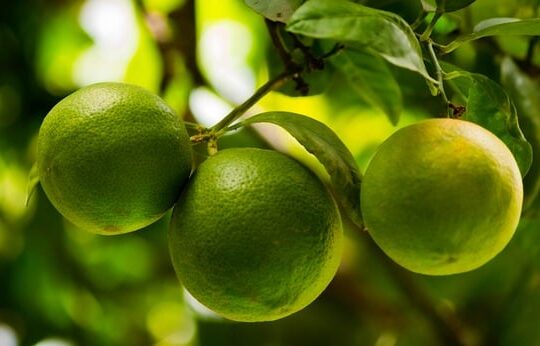
- Citrus Peel: Bitter or regular orange peel adds a bright, citrusy counterpoint.
- Green Tea: Infused for a subtle tea flavor and additional antioxidants.
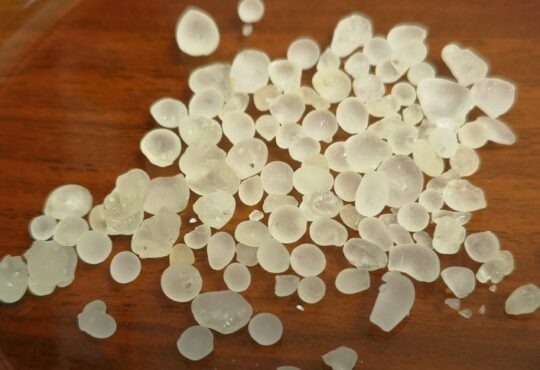
- Spice: A hot chili pepper provides a kick of heat, while crushed mastic gum offers a unique resinous aroma.
- Salt: To enhance all the other flavors.
These aromatics simmer gently, allowing them to infuse the broth with their unique essences. The result? A deeply flavorful and slightly spicy base that forms the foundation of this delightful dish.
Customization and Regional Flair:
The beauty of Moroccan cuisine lies in its adaptability. While the ingredients above form the core of the recipe, regional variations and personal preferences can add further complexity. Here are some additional ingredients you might encounter depending on the region:
- Warming Spices: Cumin, ginger, fennel, and cinnamon add warmth and depth.
- Herbs: Bay leaf, marjoram, pennyroyal, peppermint, garlic, apple mint, and oregano offer a range of herbal notes.
- Other Flavorings: Pomegranate peels for a touch of tartness, nutmeg for a hint of sweetness, lavender for a floral touch, and galangal root for a ginger-like warmth.
This ability to experiment not only allows you to tap into the potential health benefits of various herbs and spices, but also lets you create a truly unique and unforgettable flavor experience. So, don’t be afraid to experiment and find your perfect balance of spices for this delicious Moroccan dish!
Moroccan Snails: A Culinary Diversity
Morocco’s culinary scene features a variety of snails, known in Moroccan Arabic by different names such as “Bebouch,” “Belbouch,” “Aghlal,” or “Ghlal,”with some species being exclusive to the region. Here’s a closer look at four popular species:
- Helix Aspersa Aspersa (Petits Gris): The undisputed champion, these small, grey snails are the most widely available and commonly enjoyed. They are a staple ingredient in many Moroccan snail dishes.
- Helix Aspersa Maxima (Gros Gris): This larger cousin of the Petits Gris boasts a bolder flavor profile. While less common than the Petits Gris, it’s a prized ingredient for those seeking a richer snail experience.
- Eobania vermiculata (Mourguette): A true delicacy, the Mourguette is less abundant but highly sought after. These snails are celebrated for their exceptionally tender and flavorful flesh, a delight for adventurous palates.
- Otala lactea (milk snail) and Otala punctata (Cabrilla): These unique species add another dimension to Moroccan snail cuisine. Prized for their delicate flavor, Otala lactea and punctata are often prepared in a flavorful broth or sauce, adding a unique twist to Moroccan snail dishes.
| For the Authentic Experience: Seek out Eobania vermiculata (Mourguette) or Otala lactea (milk snail)/punctata (Cabrilla) – these are the most prized snails in Moroccan cuisine, known for their delicate and flavorful qualities. About Helix aspersa & Maxima: While these species are popular for snail dishes worldwide, they’re less commonly used in traditional Moroccan preparations. However, they may be used commercially for export due to their wider availability. |
A Simple Moroccan Snails Broth Recipe
This recipe creates a flavorful broth perfect for cooking snails.
Ingredients:
- Snails: 2 kg
- Salt: To taste
- Herbs:
- 1 teaspoon dried oregano
- 1 teaspoon dried liquorice root (powdered or crushed)
- 1 teaspoon dried rosemary
- 1 teaspoon dried lavender
- A few sprigs fresh mint
- A few sprigs fresh sage
- 1 teaspoon dried thyme
- Spices:
- Hot chili pepper (amount to your desired spice level)
- 1 teaspoon caraway seeds
- A few sprigs fresh pennyroyal
- 2-3 bay leaves
- Licorice Root: 1 teaspoon (powdered or crushed)
- Citrus and Floral Peels:
- Orange peel from 1 orange
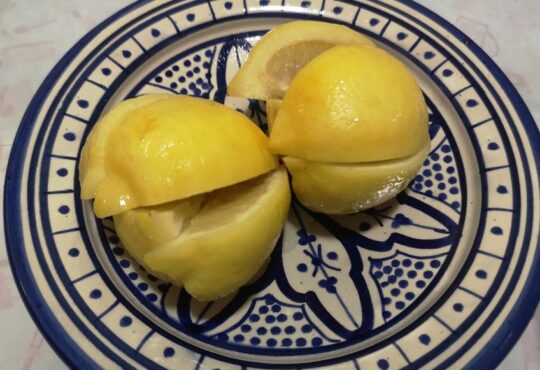
- Lemon peel from 1 lemon
- dried pomegranate peel
- Freshly Ground Black Pepper: 1 teaspoon
- Ginger: 1 teaspoon (fresh, grated, or powdered)
Just imagine the enticing aroma as all these ingredients simmer together, infusing the broth with their unique flavors. It’s a delightful experience for the senses!
But this dish isn’t just about taste. It’s also a popular choice on cool evenings because it’s packed with calories, providing your body with a warming boost. Plus, the snails themselves are a great source of lean protein and low in fat.
This dish isn’t just the domain of street vendors. It’s a beloved tradition in many Moroccan households, where families come together to savor the flavors and share a warm meal.