

Aromatic Infusion and Ancient Tradition
Morocco is renowned for its refreshing spearmint tea, a delightful beverage deeply woven into the country’s culture and history. This article explores the unique charm of Moroccan mint tea, delving into its ingredients, preparation methods, and symbolic significance.
The Allure of Spearmint
Spearmint, known locally as Naânaâ or Liqama, is more than just a flavoring for tea. This fragrant herb is a cherished element of Moroccan life. Its captivating aroma fills homes, and its leaves are the essence of the country’s beloved tea. Beyond its pleasant taste, spearmint boasts a rich heritage, traditionally used for medicinal purposes, highlighting its natural healing properties.
The Ritual of Tea Preparation
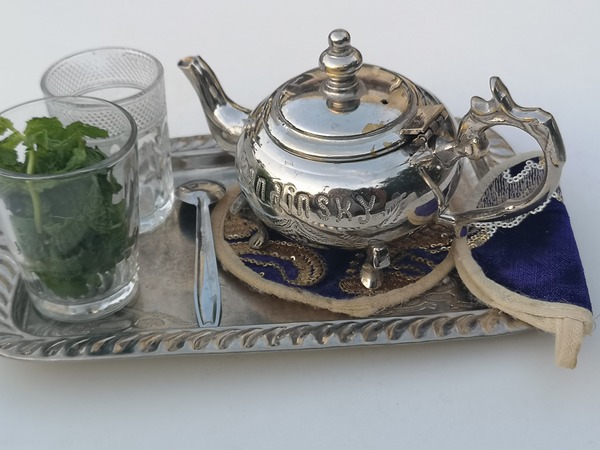
Traditionally, preparing Moroccan mint tea involved a specific set of seven tools: a samovar (Babour), sugar, tea leaves, a teapot, a tray, glasses, and, most importantly, pure water heated over a fire. A vivid description of this elaborate tea ceremony can be found in the writings of James Edward Budgett Meakin, a 19th-century journalist. He details the use of a samovar, a large tray, a special teapot, a long-handled spoon, specific glasses, a pewter tea caddy, and even a sugar hammer! While these elaborate tools were once commonplace, most Moroccans today have simplified the process, using just a tray, glasses, and a teapot.
Regional Variations: A Celebration of Community
In Morocco’s southern regions, particularly among the Sahrawi tribes, tea preparation takes on an even deeper significance. Here, the focus is on three key elements, known as the “three Js”: Jmaâa (meaning company), Jamr (embers), and Jar (meaning long conversation). Interestingly, while most Moroccans use spring water for their tea, the Sahrawi people, or Sharoui Moroccans, traditionally prefer rainwater, called Laghdir.
The Enduring Legacy of Moroccan Mint Tea
The art of Moroccan mint tea transcends the beverage itself. It’s a cultural tapestry woven with exquisite tools and traditions. This legacy has gracefully transformed over time.
Once upon a time, splendid Moroccan teapots, gleaming silver dishes, and the famed Kissan l’Bellar crystal glasses from Saint-Louis were all essential companions to mint tea. Today, Moroccan artisans ingeniously revive these instruments, seamlessly blending them with the timeless essence of Moroccan artistry.
This opulent tradition has traveled the world, finding a cherished place wherever Moroccan communities flourish. With unwavering love and pride, they carry their customs, traditions, and of course, the iconic symbol of Moroccan hospitality: the enchanting teapot. This beautiful vessel serves as a timeless reminder of their roots, embodying the warmth, elegance, and authentic traditions that define the Moroccan spirit.
Moroccan Mint Tea: A Celebration of Flavor
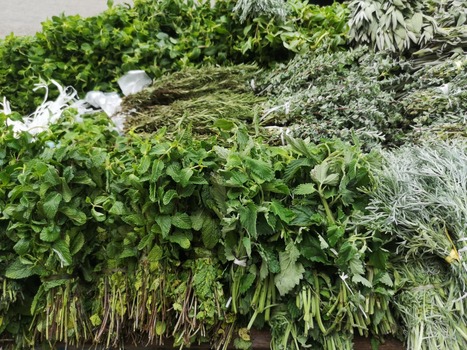
Atay b’Naânaâ, or spearmint tea, is more than just a beverage in Morocco. It’s a symbol of hospitality, enjoyed throughout the day at meals, with guests, or simply for relaxation. Moroccan tea culture goes beyond the classic mint version, offering a delightful variety of flavors through the use of aromatic herbs.
Mint Tea Variations:
- Citrusy: Lemon catnip (Hbaq) and lemon verbena (Louiza) add a refreshing citrus twist.
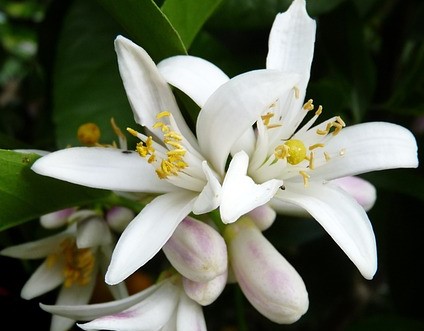
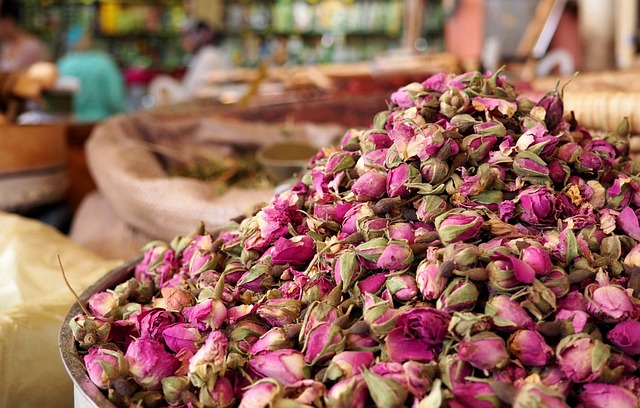
- Floral: Rose geranium (Mâatercha), rose petals (Ward beldi), and orange blossom buds (Zhar l’ranj) offer delicate floral notes.
- Earthy: Wormwood (Chiba) and thyme (Zâitra) contribute earthy and herbal tones.
- Other Options: Peppermint (Naanaa Äabdi), pennyroyal (Fliyou), sage (Salmia), apple mint (Timija), lesser calamint (Manta), rosemary (Azir), and marjoram (Merdedouch) are also used for unique flavor combinations.
7 Unusual Tea Blends of Morocco Explored
- Spearmint Tea with different herbs blends: In Morocco, the tradition of preparing Spearmint Tea is often enriched with a medley of medicinal herbs such as wormwood, pennyroyal, peppermint, sage, lemon catnip, lesser calamint, rose geranium, rosemary, apple mint, and thyme, each chosen according to the season. Notably, wormwood and pennyroyal take precedence in these blends.
- Spearmint Tea with Rose Petals: This blend combines vibrant fresh rose petals ( Rosa damascena) with cooling spearmint, creating a luxurious fusion of floral richness and herbal refreshment.
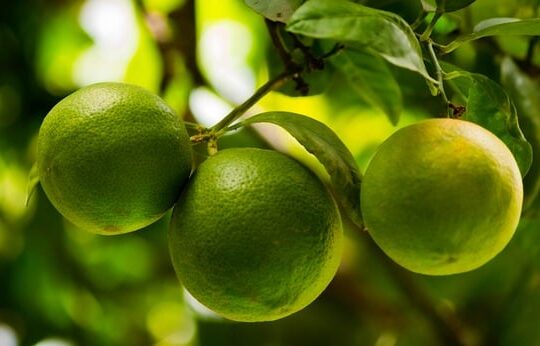
- Spearmint Tea with Bitter Orange Blossom: Sublime floral scent of bitter orange ( Seville orange or sour orange.) blossom enhances invigorating spearmint, resulting in a delightful infusion captivating with its floral elegance and herbal allure.
- Saffron Tea: Revel in the golden hue and opulent aroma of saffron-infused tea ( saffron threads), embodying richness and luxury, elevating the tea-drinking experience to new heights of sophistication.
- Spearmint Tea with Jasmine Flowers: Refreshing essence of spearmint paired with delicate floral fragrance of jasmine flowers creates a harmonious balance of herbal freshness and floral sweetness.
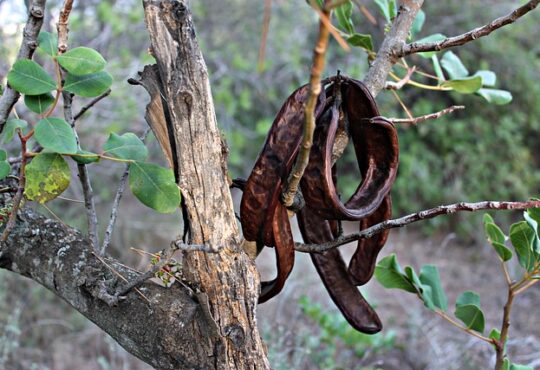
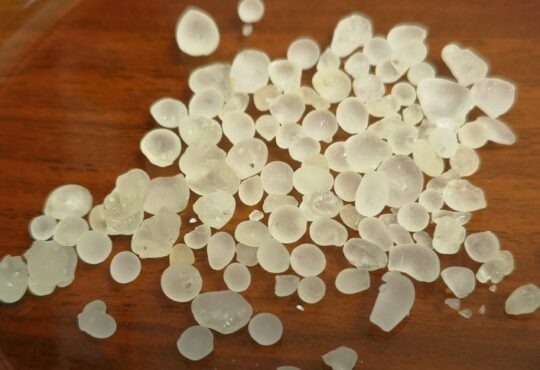
- Acacia Gum Infusion: Subtle sweetness and velvety texture of acacia gum enhance the tea’s depth and complexity, offering a smooth and satisfying brew.
- In the desert and semi-desert regions of Morocco, people commonly use the water-soluble gum Talh el-Horr, derived from Acacia tortilis subsp. raddiana (Savi) Brenan, in their tea. Acacia gummifera wild, also known as Talha or Aalk talh, is also used in the preparation of tea.
- Ambergris Tea: Encounter the rare and extravagant aroma of ambergris-infused tea, symbolizing ultimate luxury and refinement, derived from the depths of the ocean and adding a unique and opulent dimension to the tea-drinking experience.
Khalta: A Symphony of Moroccan Botanical Delights
Another cherished element of Moroccan herbal tea is khalta. This fragrant blend brings together a variety of dried leaves, flowers, and herbs, showcasing the rich botanical diversity of Morocco. Khalta, or Berber tea, is a pre-packaged blend of Moroccan botanicals including lavender, sage, myrtle leaves, rose petals, chamomile, olive leaves, star anise, lemon verbena, woolly cumin, rosemary, lesser calamint, wild pennyroyal, and acacia gum. This fragrant mix offers a relaxing and flavorful cup of tea.
Khoudenjal: Morocco’s Warming Winter Spice Tea
Khoudenjal, a steaming cup of Moroccan spiced tea, embodies the warmth of a comforting hug in a mug during chilly winters. Esteemed for its soothing qualities and potential health benefits, this beverage holds a revered place in markets, near mosques, and along bustling streets across Morocco.
Crafted by steeping a unique blend of spices in hot water, Khoudenjal’s fragrant mix typically comprises galangal root, cinnamon, cardamom, star anise, rose petals, cloves, madder root, white pepper, mace (dry nutmeg flower), nutmeg, ginger, red chili, myrtle pepper, wild pennyroyal, caraway, and nigella seeds. The outcome is a delightful and aromatic infusion that delivers both warmth and flavor.
Moroccan Spearmint Tea Recipe
This recipe creates a refreshing and flavorful spearmint tea, perfect for any time of day.
Ingredients:
- 500 ml (0.5 liters) water
- 2-3 tablespoons Chinese gunpowder tea
- 1 large handful fresh spearmint leaves (or 8 sprigs, halved)
- 1-2 sugar cubes (or 2 tablespoons caster sugar, adjust to taste)
- Traditional Moroccan teapot (optional)
Instructions:
- Heat the water: Bring the water to a boil in a kettle.
- Steep the tea: Pour the boiling water into the teapot and add the gunpowder tea and sugar. Let it simmer gently over medium-low heat for about 5 minutes.
- Infuse with mint: Turn off the heat and add the mint leaves. Cover and let steep for 5-7 minutes.
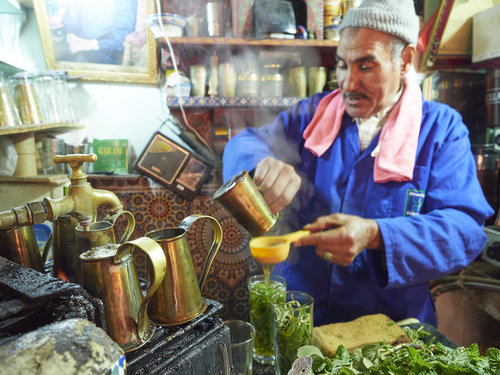
- Traditional pouring (optional): For an authentic touch, carefully pour the tea back and forth between the teapot and glasses several times to create a frothy layer.
- Serve: Enjoy your refreshing spearmint tea!