

Evernia prunastri, oakmoss, Mousse de chêne, Eichenmoos, Eikenmos, Musgo de roble, Muschio di quercia, Ekmossa, Meşe yosunu, 橡树苔, オークモス (Ōkumosu), طحلب البلوط (Arabic), لحية الشيخ (Moroccan Arabic), tamart n omghar (Berber)
Oakmoss: A Fragrant Treasure Through Time
Veiled in earthy elegance, oakmoss has captivated perfumers and healers for centuries. This fascinating botanical boasts a rich history and a unique presence in the natural world.
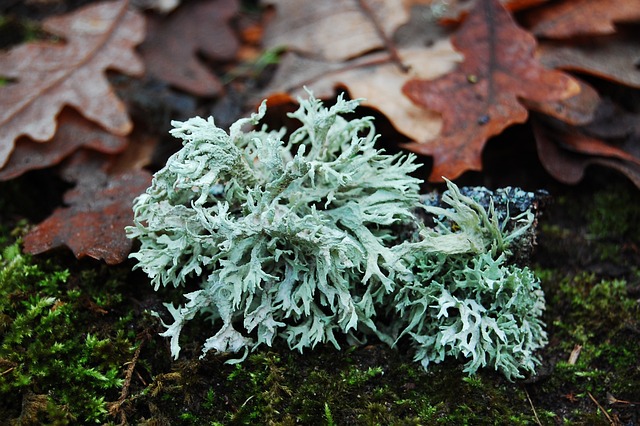
Widespread Wanderer: Evernia prunastri, commonly known as Oakmoss, is a robust lichen that adorns trees across continents, from Europe and North Africa to North America. Its versatility allows it to thrive on various tree species, including shrubs, deciduous trees, and even pines. Its verdant hues shimmer with moisture, appearing ethereal when dry and lush when damp. However, caution is warranted as its appearance may resemble other lichens.
Treasure Trove of Uses: Beyond its aromatic charm, Oakmoss harbors a trove of potential health benefits within its chemical compounds, such as lichenin. Traditionally, its essential oil was prized for its purported antiseptic and expectorant properties, though further modern research is necessary for validation.
Perfumery Powerhouse: Revered in the realm of perfumery, Oakmoss is a cherished ingredient renowned for its enchanting scent and remarkable fixative qualities, ensuring fragrances linger luxuriously. Notably, while tree moss may offer a bolder aroma, it pales in comparison to Oakmoss’s unmatched fixative potency.
A Timeless Legacy: Oakmoss boasts a venerable lineage, tracing back through millennia. Ancient Egyptians coveted it, importing it for employment in the preservation of their departed through mummification rituals. Traces of Oakmoss have been unearthed in graves dating back to 1900 BC, attesting to its enduring allure. Since at least the 1300s, Oakmoss has remained an esteemed ingredient in perfumery, weaving itself into the fabric of timeless fragrances.
Evernia prunastri: Biochemistry and Biological Potential
- Lichens, fascinating symbiotic organisms composed of algal and fungal cells, produce compounds with diverse biological properties.
- Evernia prunastri (oakmoss), a globally distributed lichen species, is notable for its rich array of secondary metabolites.
Key Chemical Components of Evernia prunastri
- Depsides: Evernia prunastri contains significant amounts of depsides, including:
- Evernic acid
- Atranorin
- Chloroatranorin
- Usnic acid (a dibenzofuran derivative)
- Other Identified Compounds: Studies have identified additional compounds in oakmoss samples, such as:
- Lecanoric acid
- Salazinic acid
- Physodic acid
Oakmoss Compounds: Potential Benefits
Oakmoss, a lichen commonly found on trees, has a long history of use in various applications. While it offers potential health benefits like antimicrobial properties and anti-inflammatory effects, its allergenic nature requires caution.
Antimicrobial Properties
Oakmoss demonstrates significant antimicrobial effects against various microorganisms. The key phytochemicals responsible for these properties include evernic acid, identified as a primary compound in Oakmoss extracts. Evernic acid exhibits potent antimicrobial activity, particularly against S. aureus, P. aeruginosa, and C. albicans. These findings highlight the potential of Oakmoss as a natural antimicrobial agent and the importance of evernic acid as a bioactive compound in Oakmoss extracts.
Antioxidant and Anti-inflammatory Powerhouses
Antioxidant Properties of Oakmoss Extracts: Oakmoss extracts boast potent antioxidant abilities, combating free radicals and reducing oxidative stress. Key compounds like evernic acid contribute to their antioxidative prowess, rivaling known antioxidants such as ascorbic acid. These properties highlight Oakmoss extracts’ potential in bolstering cellular health and thwarting oxidative damage.
Anti-inflammatory Effects of Oakmoss Extracts: Beyond antioxidant prowess, Oakmoss extracts showcase anti-inflammatory properties, holding promise in relieving inflammation-induced discomfort. Early findings suggest their potential in mitigating inflammation-related conditions like aches and pains. Ongoing research aims to unveil the mechanisms driving these effects and optimize Oakmoss extracts’ use as anti-inflammatory agents.
Nematocidal Power of Oakmoss Absolute
Researchers have found that oakmoss absolute contains compounds that combat nematodes, small organisms harmful to plants. Notably, the octyl ester shows exceptional effectiveness in killing nematodes, requiring only a small concentration for lethal effect. This discovery paves the way for developing environmentally friendly solutions to safeguard crops from nematode damage using derivatives of oakmoss absolute.
Oakmoss Extract: A Natural Solution for High Blood Pressure
In animal studies, oakmoss extract showed promise in reducing high blood pressure in rats with hypertension. It effectively lowered both systolic and diastolic blood pressure, as well as the overall blood pressure and heart rate in these rats. The study indicates that oakmoss achieves this by relaxing blood vessels, ultimately leading to lower blood pressure levels. Overall, these findings highlight the potential of oakmoss as a natural remedy for managing hypertension.
Additional Potential Benefits of Oakmoss
Comforting Effects: Oakmoss essential oil may provide soothing relief for various irritations throughout the body. Its potential benefits include:
- Soothing skin and digestive irritations by maintaining moisture balance.
- Alleviating inflammation, scratches, and wounds.
- Easing discomfort caused by digestive acidity or spicy foods.
- Loosening phlegm for respiratory congestion without drowsiness.
Restorative Qualities: Oakmoss oil may possess restorative properties that aid in healing and rejuvenation. Potential benefits include:
- Speeding up the body’s healing processes.
- Mitigating the effects of aging and daily wear and tear.
- Contributing to improved overall health and strengthened immune function.
Antiseptic Potential: Oakmoss essential oil may exhibit antiseptic properties that can help prevent infections. Potential benefits include:
- Creating an environment in the body that is unfavorable for microbial growth.
- Eliminating existing microbes, reducing the risk of infections.
- Offering a gentle and pleasant-smelling alternative to harsh antiseptics.
Important Note: Crucially, oakmoss absolute, a concentrated form, contains allergens that can trigger reactions in some people. Due to this, regulations limit its use in perfumes, leading to the development of safer alternatives.
Oakmoss: A Unique Spice in Moroccan Cuisine
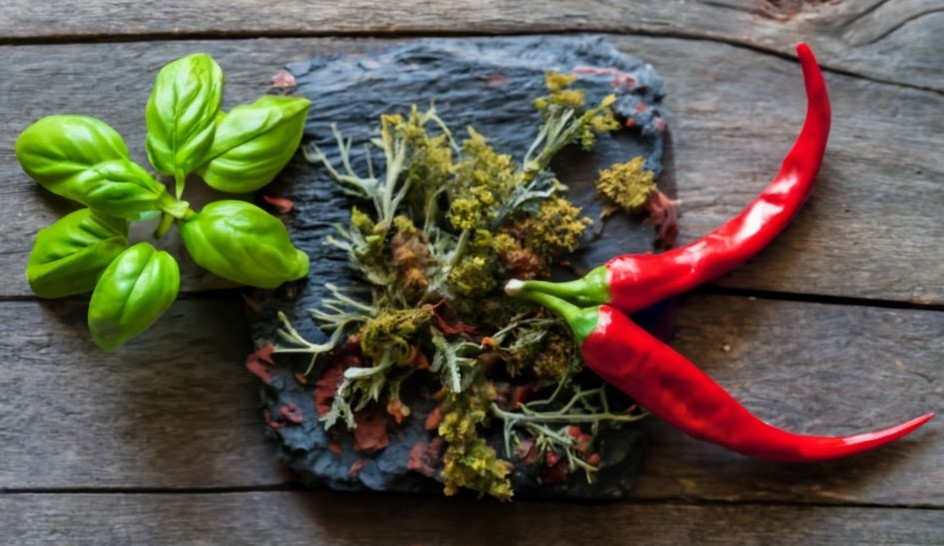
While oakmoss is often used in perfumery worldwide, Morocco offers a unique culinary experience by incorporating it into the flavorful spice blend called Issoufir Ihran (also known as Issouffar or Tamart n’Omghar in Berber and Lhayt Sheikh in Arabic). This “old man’s beard” lichen, as the Arabic name translates, adds a distinctive and aromatic note when skillfully combined with dried basil (as documented in “Medicinales and Edible Plants of Morocco, 2023, by Khalil Noramine“).
Issoufir’s creation embodies the rich cultural heritage of Moroccan cuisine. Local ingredients, like oakmoss, are carefully chosen for their unique properties and how they contribute to a well-balanced flavor profile. The preparation involves gently preheating a combination of basil leaves and flowers, oakmoss, coriander seeds, laurel leaves, dried green onion leaves, red chili pepper, cumin, and rosemary, before meticulously mixing them for a harmonious flavor. This versatile spice blend elevates various traditional Moroccan dishes, adding its signature touch to enhance their taste.
Moroccan Dishes Featuring the Oakmoss Spice Blend:
– Stuffed bread (Aghroum n’ Tadount in Berber): This distinctive bread is packed with fragrant herbs and small bits of animal fat, all seasoned with the famous oakmoss spice blend. While enjoyed throughout Morocco, its exceptional flavor truly shines in the southeastern region.
– Savory Moroccan Stuffed Msemen: This delectable dish requires a few ingredients and a bit of effort. Msemen, a type of square or round flatbread, is crafted from meticulously folded layers of semolina dough. In this variation, the Msemen is generously filled with a combination of green pepper, onion, fat, and the flavorful oakmoss spice blend. Typically enjoyed during breakfast or tea time.
– Amazigh Vegetarian Couscous: This comforting vegetarian couscous dish, a staple of Amazigh cuisine, brings warmth, especially during colder seasons. It’s prepared by combining couscous with nutritious ingredients like Alfalfa or chard/silverbeet and green onion. The dish is delicately flavored with the renowned oakmoss spice blend and olive oil, offering a satisfying and comforting winter treat.
Preserved Delights of Morocco:
Morocco boasts a rich tradition of preserving food, and these two delicacies showcase this culinary ingenuity:
- Gueddid (Dried Meat): Savory strips of lamb or beef are traditionally spiced with the unique oakmoss spice blend. Sun-drying not only preserves the meat but also infuses it with a rich flavor and extended shelf life.
- Kordass: This unique offal dish showcases culinary skill. Sheep’s gut, heart, liver, and lungs are transformed into a flavorful treat. After meticulous cleaning, the offal is marinated in a blend of spices, traditionally including the oakmoss spice blend. Shaped and sun-dried, this process concentrates flavors and creates a long-lasting delicacy.
Oakmoss Incense: Bringing Nature Indoors
Oakmoss incense offers a rich, earthy fragrance that evokes the serenity of a forest after rain. Blending oakmoss with other aromatic ingredients like cedarwood, frankincense, or lavender creates a soothing and grounding atmosphere when burned. Whether used for meditation, relaxation, or simply to bring the outdoors inside, oakmoss incense fills the air with a comforting scent that invites calm and connection with nature.
Oakmoss: A Flavorful Note with Potential Risks
Oakmoss, a lichen with a wispy appearance often called “old man’s beard,” holds a unique place in Moroccan cuisine. Its inclusion in the spice blend Issoufir Ihran adds a distinctive and aromatic note to various dishes. However, it’s essential to be aware of the potential downsides associated with oakmoss consumption.
Potential Risks and Allergies:
Oakmoss contains certain compounds, particularly atranol and chloroatranol, that can trigger allergic reactions in some individuals. These allergies can manifest through:
- Skin Irritation: Itchy hives, rashes, and redness are common symptoms.
- Respiratory Issues: In severe cases, oakmoss allergies can lead to respiratory problems.
Safety Precautions:
- Individual Sensitivity: If you have allergies, especially to lichens or other molds, exercise extreme caution with oakmoss.
- Patch Testing: Before consuming oakmoss, consider patch testing. Apply a small amount to your skin and monitor for any allergic reactions.
- Dermatologist Consultation: Consulting a dermatologist for guidance on safe usage is highly recommended, especially for individuals with sensitive skin or pre-existing allergies.