

Introduction to the Olive Tree
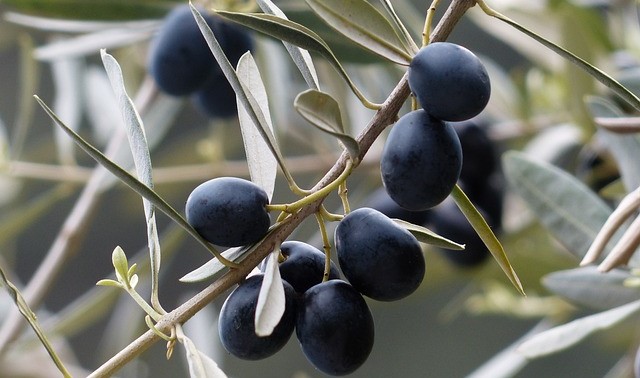
The olive tree (Olea europaea), native to the Mediterranean, has a rich history spanning over 6,000 years. Initially cultivated in Persia and upper Mesopotamia, it spread to the Levant, Phoenicia, Egypt, and Greece. This enduring tree symbolizes peace and is renowned for producing olive oil, a staple in culinary traditions. Contemporary research highlights the health benefits of Olea europaea, emphasizing its role in promoting well-being. The olive tree’s cultural and health significance underscores its multifaceted contribution to human society.
Olive Oil: A Historical Journey
Ancient Origins (4500 BC):
- A remarkable discovery in Jordan (Khirbet Um al-Ghozlan) unveils a 4,500-year-old olive oil factory.
- This rewrites our understanding of Early Bronze IV settlements and highlights the potential significance of olive oil in these societies.
Mediterranean Embrace (2500 BC – 1100 BC):
- Evidence from Egyptian tombs (2500 BC) and artifacts from Mycenaean Greece (1600-1100 BC) showcase olive cultivation and use across the region.
Enduring Legacy (1100 BC – Present):
- The oldest olive oil residue ever found, in a 2,000-year-old bottle near Naples, is a tangible reminder of its lasting presence.
- This, along with earlier examples, solidifies olive oil’s enduring role in both cultural practices and culinary traditions across various ancient civilizations.
Geographical Distribution
The Ideal Climate:
- Olive trees flourish in regions with specific conditions: low humidity, cool winters, and hot summers.
- The Mediterranean climate, with its dry summers and mild winters, provides the perfect environment.

Global Expansion:
- While originating in the Mediterranean, olive cultivation has spread to Europe, North Africa, the Middle East, Australia, and parts of the Americas.
- Regions with similar climates offer suitable growing conditions for these resilient trees.
A Widening Market:
- Traditional producers like Spain, Italy, and Greece hold a rich history of olive oil production.
- Newer players like the US and Argentina are contributing to the global market with high-quality olive oil.
Olive Oil 101: Understanding the Grades
Olive oil comes in various grades, each with its own characteristics and uses. Here’s a quick breakdown:
1. Refined Olive Oil:
- Produced through extensive refining, making it nearly flavorless and odorless.
- Lower in healthy fatty acids compared to virgin olive oil.
- Suitable for high-heat cooking due to its high smoke point.
2. Virgin Olive Oil:
- Extracted mechanically without chemicals, resulting in a higher level of purity.
- May have some natural imperfections in taste or aroma.
- Lower in free fatty acids than refined oil, but still a good choice for cooking.
- Contains moderate levels of phenols (120-220 mg/kg), beneficial antioxidants.
3. Extra Virgin Olive Oil (EVOO):
- The gold standard, produced through cold-pressing without heat or chemicals.
- Retains its natural color, flavor, and aroma for the best taste.
- Versatile for cooking, but also delicious for drizzling raw over salads and other dishes.
- Highest in beneficial phenols (above 220 mg/kg).
Decoding Olive Oil: A Look at Its Rich Chemistry
Olive oil’s unique qualities come from a blend of various chemical components. Let’s explore some of the key players:
Antioxidant Powerhouse:
- Phenolic Acids: Gallic, protocatechuic, and caffeic acids fight free radicals with their antioxidant properties.
- Phenolic Alcohols: Hydroxytyrosol and tyrosol are champions in this category, offering health benefits.
- Flavonoids: Luteolin and apigenin join the team, adding antioxidant and anti-inflammatory effects.
- Secoiridoids: Oleuropein and ligstroside contribute bitterness and a boost in antioxidant capacity.
- Lignans: Pinoresinol and 1-acetoxypinoresinol add potential health benefits.
- Flavonoid Glycosides: Rutin, from olive leaves, provides additional antioxidant power.
- Tocopherols: Vitamin E, mainly as α-tocopherol, joins the fight against free radicals.
Color and Flavor:
- Coloring Pigments: Chlorophylls and carotenoids like β-carotene and lutein add visual appeal and nutritional value.
- Coumarins: Esculetin and scopoletin offer potential health benefits and contribute to the overall profile.
- Volatile and Aromatic Compounds: These create the unique aroma and flavor that make olive oil a culinary delight.
Health and Texture:
- Phytosterols: Sitosterol, campesterol, and even cholesterol (in small amounts) contribute to olive oil’s cholesterol-lowering properties.
- Fatty Acids: A variety of fatty acids, including oleic acid, linoleic acid, and others, influence texture and nutritional value. Notably, polyunsaturated fatty acids (PUFAs) like linoleic and α-linolenic acid support heart health.
Micronutrient Contribution
- Vitamin E: A powerful antioxidant (13% DV per tablespoon in EVOO).
- Vitamin K: Important for blood clotting and bones (7% DV per tablespoon in EVOO).
- Trace Minerals: Small amounts of potassium, sodium, and calcium
Health Benefits of Olea Europaea
A Potential Ally Against Cancer?
Beyond its culinary delights, olive oil holds promise in the fight against cancer. Here’s a breakdown of the key players:
Natural Powerhouses:
- Olive’s Own Arsenal: Olea europaea, the olive tree, packs a punch with compounds like oleuropein, erythrodiol, uvaol, and oleanolic acid. These have shown promise in fighting cancer cells. For example, oleuropein can slow down the growth and even trigger cell death (apoptosis) in colon cancer cells.
- Antioxidant Shield: The phenolic compounds in olive oil act as antioxidants, potentially helping to prevent cancer by reducing cell damage.
Specific Components, Specific Roles:
- Oleic Acid: This abundant fatty acid in olive oil may hinder cancer cell growth and induce cell death in various cancers.
- Polyphenols: These antioxidant superstars may combat cancer by reducing inflammation and oxidative stress, while also slowing down cancer cell growth.
- Vitamin E (Tocopherols): Olive oil’s vitamin E, particularly α-tocopherol, is being investigated for its potential to protect against certain cancers, including prostate cancer.
- Squalene: This component may fight cancer by inducing cell death and stopping cancer cell proliferation.
- Phytosterols: These plant sterols might inhibit cancer cell growth and suppress tumor development.
| EVOO vs. VOO: Choosing the Healthier Option EVOO (Extra Virgin Olive Oil): The prime! This first-pressed oil retains most of its phenolic antioxidants, offering superior health benefits. VOO (Virgin Olive Oil): Refined during processing, VOO loses around 80% of its phenolics. While still a good choice, EVOO is generally preferred for its higher antioxidant content. |
Olive Oil’s DNA Protection

Extra Virgin Olive Oil (EVOO) packs a powerful punch when it comes to protecting your DNA. Here’s how:
- Antioxidant Powerhouse: EVOO is rich in olive oil phenolic compounds (OOPC), natural antioxidants that act like shields for your DNA.
- Electron Donors: These OOPC have special structures that allow them to donate electrons, effectively neutralizing harmful free radicals that can damage DNA.
- Peroxynitrite’s Threat: Exposure to peroxynitrite, a damaging molecule, can alter DNA and increase levels of xanthine and hypoxanthine, markers of DNA damage.
- Hydroxytyrosol (HT) to the Rescue: This specific OOPC found in EVOO acts as a double agent. It directly scavenges peroxynitrite and prevents the formation of DNA oxidation products, protecting your genetic material.
Xanthine Oxidase and Olive’s Role
Olive oil’s benefits extend beyond taste. It may help regulate uric acid, a concern for gout sufferers.
- Xanthine Oxidase (XO): This enzyme breaks down purines (DNA building blocks) and produces uric acid. High uric acid levels contribute to gout.
- Olive’s Inhibitory Power: Olive extracts, particularly dry olive leaves, contain compounds like apigenin and oleuropein that inhibit XO, potentially lowering uric acid.
- Research Support: Studies show EVOO supplementation can decrease XO activity and enhance antioxidant activity in patients with metabolic syndrome.
- More Than Oil: The benefits extend beyond olive oil. Different olive tree parts offer diverse enzymatic inhibition, suggesting a wider range of health advantages.
Antidiabetic Activities
Olive oil’s benefits may extend to diabetes management. Here’s why:
- Oleuropein’s Promise: Olea europaea, the olive tree, contains a compound called oleuropein with potential antidiabetic effects. Studies suggest it may reduce oxidative stress and regulate blood sugar levels.
- Antioxidant Power: Olive oil’s antioxidant properties, including those from oleuropein and oleanolic acid, may help manage diabetes by alleviating oxidative stress, a contributing factor.
- Research Findings: Extracts rich in oleuropein and hydroxytyrosol (another olive oil compound) have shown positive results in lowering blood sugar and cholesterol in studies.
Antimicrobial Potency
Olive trees (Olea europaea) have a long history of use against infections. Here’s the science behind it:
- Antimicrobial Arsenal: Olive leaves and oil contain phenolic compounds, particularly long-chain aldehydes, that fight bacteria and fungi. These compounds may be effective against gastrointestinal and respiratory pathogens.
- Maslinic Acid’s Potential: This triterpene compound, abundant in olive fruits and oil, shows promise in inhibiting parasites and viruses.
Hypertension Management
Olive oil, particularly Extra Virgin Olive Oil (EVOO), goes beyond delicious flavor. It may play a significant role in managing high blood pressure (hypertension). Here’s why:
- The Power of Oleic Acid and Polyphenols: EVOO is rich in both oleic acid (a healthy fat) and antioxidant polyphenols. These components are believed to contribute to managing hypertension.
- Olive Leaves: A Treasure Trove: Olive leaves contain powerful compounds called triterpenoids, including uvaol, ursolic acid, and oleanolic acid.
- Natural Blood Pressure Control: Studies suggest these triterpenoids have vasodepressor effects, meaning they help relax blood vessels, potentially lowering blood pressure naturally.
- Beyond Blood Pressure: These compounds may also help prevent atherosclerosis (plaque buildup in arteries) and improve insulin resistance, offering additional benefits for cardiovascular health.
Anti-Inflammatory Effectiveness
Extra virgin olive oil (EVOO) emerges as a natural source of potent anti-inflammatory compounds, offering potential health benefits.

- Bioactive Players: EVOO is enriched with oleocanthal and oleacein, exhibiting anti-inflammatory properties comparable to ibuprofen.
- Olive Fruit Extracts: Extracts, particularly those high in maslinic acid (a triterpenoid), demonstrate both anti-inflammatory and pain-relieving (antinociceptive) effects.
- Phenolic Powerhouse: Olive leaves are a treasure trove of phenolic compounds, including oleuropein, maslinic acid, and uvaol. Research consistently shows their effectiveness in reducing inflammation. These compounds may even work by inhibiting the production of nitric oxide, a key inflammatory molecule in the body.
- Beyond Inflammation: Studies suggest that oral administration of olive leaf extract (OLE) may positively modulate vascular function and regulate cytokine (IL-8) production. This cytokine is a critical proinflammatory factor in the development of atherosclerosis.
Neuroprotective Effects
Extra virgin olive oil (EVOO) known for its potential cognitive benefits. Here’s a look at the key components and their possible effects:
- Polyphenol Power: EVOO is rich in polyphenols, known for their antioxidant properties. These antioxidants may shield the brain from damage and even support the growth of new nerve cells and synapses, crucial for learning and memory.
- Neuroprotective Compounds: Specific olive-derived compounds like maslinic acid and oleuropein exhibit significant neuroprotective effects. Research suggests they may lessen damage associated with conditions like diabetic neuropathy, Alzheimer’s, and Parkinson’s disease.
- Promising Extracts: Olive leaf extract shows promise in treating Parkinson’s disease, potentially reducing cell damage and markers of cell death. Additionally, oleuropein aglycone, another olive-derived compound, is being investigated for its ability to prevent the formation of toxic amyloid aggregates, a hallmark of Alzheimer’s disease.
Gastroprotective Potential of Olive Extracts
Beyond its culinary applications, olive oil and olive leaf extract (OLE) are gaining interest for their potential gastroprotective properties:
- Olive Leaf Extract (OLE): Studies suggest OLE demonstrates significant gastroprotective activity, comparable to medications used for treating ulcers. This highlights its potential role in gastric defense.
- Olive Oil and Quercetin: Olive oil extracts rich in quercetin, a flavonoid known for its antiulcer properties, exhibit similar gastroprotective effects.
- Anti-inflammatory Potential: Emerging research suggests olive oil and its polyphenols may benefit people with Inflammatory Bowel Disease (IBD). Studies indicate that Extra Virgin Olive Oil (EVOO) intake may decrease inflammatory markers and improve gut symptoms in patients with Ulcerative Colitis (UC). This opens doors for EVOO as a complementary dietary approach for managing UC.
Anticancer: Olive Oil and Breast Cancer
Breast cancer, the second most common diagnosed cancer worldwide, has fueled research into dietary influences. The lower incidence rates observed in Mediterranean countries have turned the spotlight on the potential impact of the Mediterranean diet, a dietary pattern characterized by the prominent use of virgin olive oil.

- Hydroxytyrosol: This specific phenolic compound found in olive oil shows promise in potentially preventing estrogen-receptor-negative post-menopausal breast cancer.
- Extra Virgin Olive Oil (EVOO): Research suggests that EVOO and its unique blend of compounds may influence various hallmarks of cancer, including:
- Inhibiting proliferation (uncontrolled cell growth)
- Inducing apoptosis (programmed cell death)
- Impacting processes like migration (cancer cell movement), immune evasion (escape from immune system detection), angiogenesis (new blood vessel formation), and inflammation
Olive Oil and Omega-3 Fish Oil for Rheumatoid Arthritis
Exciting new research suggests a potential one-two punch for managing rheumatoid arthritis (RA). Studies have shown that combining olive oil and fish oil supplements may significantly benefit RA patients:
- Reduced Joint Pain: This combined approach may offer significant pain relief for those struggling with RA.
- Improved Hand Strength: Studies indicate a positive impact on hand strength, potentially improving daily function.
- Alleviated Morning Stiffness: Stiffness, a hallmark symptom of RA, may be lessened with this combined supplementation.
Stroke Prevention with Olive Oil
Stroke, a leading cause of death globally, can be caused by blockages (infarction) or bleeding (hemorrhage) in the brain. New research highlights the potential of olive oil, particularly its monounsaturated fatty acids, in stroke prevention:
- Reduced Stroke Risk: A study published in the American Academy of Neurology journal suggests that people over 65 who regularly use olive oil for cooking or dressing have a 41% lower risk of stroke.
- Focus on Monounsaturated Fats: This French study emphasizes the potential preventive benefits of incorporating olive oil, rich in monounsaturated fats, into the diet of older adults.
Exploring Olive Oil’s Impact on Gut Health
Olive oil transcends its culinary appeal by offering a range of benefits for gut health. This section explores the key mechanisms behind these advantages:
1. Potent Bioactive Compounds:
- Phenolic Powerhouse: Olive oil is rich in phenolic compounds like hydroxytyrosol and oleuropein. These compounds possess potent antioxidant and anti-inflammatory properties, laying the foundation for olive oil’s positive effects on the gut.
2. Cultivating a Healthy Microbiome:
- Beneficial Bacteria: Olive oil actively promotes the growth of beneficial bacterial populations, particularly Lactobacilli, within the gut microbiota. A healthy gut microbiome is crucial for overall health and digestion.
- Intestinal Integrity Champion: Monounsaturated fatty acids, especially oleic acid, work synergistically with beneficial bacteria to maintain intestinal integrity. This strengthens the gut barrier, enhancing its defense mechanisms against harmful external threats.
3. Antimicrobial Properties:
- Natural Antibacterial Agents: Virgin olive oil (VOO) and extra virgin olive oil (EVOO) exhibit robust antimicrobial properties due to the presence of phenolic compounds like oleuropein and hydroxytyrosol.
- Broad-Spectrum Activity: EVOO’s bactericidal activity extends to a wide range of bacteria, including both Gram-positive and Gram-negative, aerobic and anaerobic strains, and even those residing inside and outside cells. This broad-spectrum effect highlights its potential as a natural antimicrobial agent.
- Helicobacter Pylori Fighter: Research suggests that EVOO may be effective against Helicobacter pylori, a bacterium associated with stomach ulcers.
Olive Oil’s Impact on Obesity

Olive oil, a cornerstone of the Mediterranean diet, is recognized for its health benefits attributed to its abundance of bioactive compounds. Among these, oleanolic acid has emerged as a subject of particular interest due to its potential health-promoting properties.
Oleanolic Acid and its Diverse Effects
- Vascular Function: Studies suggest that oleanolic acid may positively influence vascular function, potentially improving blood flow and reducing the risk of cardiovascular complications.
- Obesity and Insulin Resistance Management: Oleanolic acid appears to exert regulatory effects on insulin action and glucose metabolism. This modulation may lead to lower blood sugar levels and improved management of obesity and insulin resistance.
- Gene Regulation: Oleanolic acid’s ability to influence genes involved in inflammatory and metabolic pathways warrants further investigation. This characteristic suggests its potential as a strategy for addressing chronic conditions associated with obesity.
Antioxidant Potential
Beyond its impact on blood sugar and genes, oleanolic acid offers additional benefits:
- Mitigating Inflammation and Oxidative Stress: Oleanolic acid’s antioxidant properties, combined with its effects on mitochondrial function and adipocyte (fat cell) metabolism, position it as a potential candidate for mitigating inflammation and oxidative stress linked to obesity.