

The Mighty Olive Leaf: A Legacy of Health and Symbolism
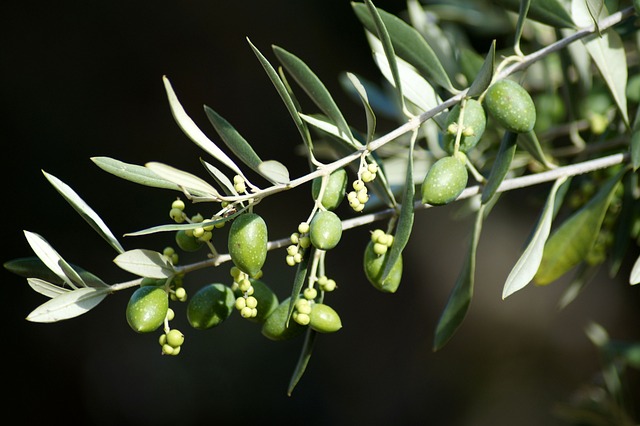
The olive tree, with its silver-green leaves and bountiful fruit, has served humanity for millennia. Beyond the delicious olive oil, the humble olive leaf boasts a rich history and potential health benefits. Let’s delve into the fascinating timeline of the olive leaf, exploring its journey from ancient origins to its contemporary applications.
Ancient Uses (8,000-6,000 Years Ago):
- The olive tree boasts a rich history that stretches back millennia. Its journey began in the eastern Mediterranean, likely around the border of modern-day Turkey and Syria. Genetic analysis suggests this is where wild olive trees were first domesticated around 8,000 to 6,000 years ago. While the fruit and its resulting oil were likely the initial focus, the olive’s potential extended far beyond basic sustenance. This early cultivation laid the foundation for the olive’s profound impact on cultures across the globe.
Early Evidence of Olive Oil Production (4,500 Years Ago)
- An archaeological surprise! The Jordanian site of Khirbet Um al-Ghozlan, initially thought to be a simple village, revealed evidence of an ancient olive oil factory dating back to the Early Bronze Age (2600–2000 BC). This small, fortified site contained tools for olive cultivation and oil extraction, including olive presses, storage jars, and crushed olive stones. While the focus was on oil, this discovery hints at the potential use of olive leaves for medicinal purposes alongside the fruit.
Greece: The Sacred Olive
- Deeply woven into Greek culture, the olive tree held immense significance. Its sacred nature is reflected even today in Greek Orthodox Church rituals. Valued for its resilience, the olive provided a bounty – food, preservation, illumination, and even beauty products. Greek medicine embraced the olive leaf, with Hippocrates praising its potential and Aristotle recommending it for medicinal purposes. As Greece expanded, so did olive cultivation, spreading a symbol of their culture and wealth.
Rome: The Empire of the Olive
- Italy’s olive history is intertwined with Rome. Etruscans and Sabines laid the groundwork, but Romans became olive cultivation superstars. They spread olive trees across their vast empire, solidifying its role as a symbol of power and prosperity. Roman scholar Pliny the Elder even documented olive varieties and cultivation methods in the 1st century AD, solidifying the olive’s place in Roman history.
Olive Leaves’ Bioactive Compounds
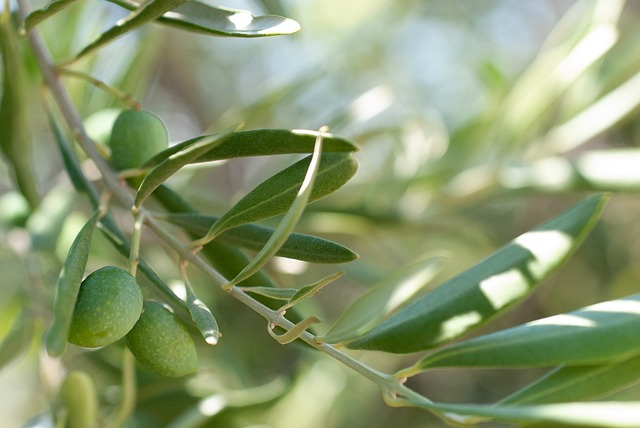
Olive leaves have a long history in traditional medicine (ethnobotany) due to their wealth of health-promoting compounds. These powerhouses contain polyphenols and triterpenic acids, offering a multitude of potential health benefits. However, despite this promise, readily available dried olive leaves for infusion purposes remain limited.
Phytochemical Composition
- Oleuropein: A predominant secoiridoid compound, comprising 6% to 14% of dry olive leaf matter. It imparts the characteristic bitter taste to olive cultivars and exhibits various biological properties upon hydrolysis.
- Hydroxytyrosol: Derived from oleuropein upon hydrolysis, this phenolic compound contributes to the health benefits associated with olive products. It is correlated with antioxidant properties and is found in both olive leaves and olive oil.
- Tyrosol: Another phenolic compound resulting from the hydrolysis of oleuropein. Like hydroxytyrosol, it possesses antioxidant properties and contributes to the overall health-promoting effects of olive leaf extracts.
- Elenolic Acid: Produced during the hydrolysis of oleuropein, elenolic acid is known for its potential health benefits, including antimicrobial properties. It is a key component in the biological activity of olive leaf extracts.
- Ligstroside: A secoiridoid compound present in olive leaves alongside oleuropein. It contributes to the overall phenolic profile of olive leaf extracts and may offer additional health benefits.
- Mannitol: While not a phenolic compound, mannitol is worth mentioning as it constitutes 3% of the dry weight of olive leaves. Used as an additive in various industries, mannitol adds sweetness to foods and pharmaceuticals.
Mineral Composition of Olive Leaves
The mineral compounds found in olive leaves include: sodium (Na), potassium (K), magnesium (Mg), calcium (Ca), manganese (Mn), iron (Fe), and copper (Cu). These minerals make olive leaf extract (OLE) a promising solution for addressing deficiencies related to essential elements.
Optimizing Processing for Maximum Benefit
Olive leaves offer an abundant reservoir of bioactive constituents, but how we process them can significantly impact their preservation. While research is limited, here’s what we know based on available studies:
- Drying matters: Temperatures above 50°C during dehydration can decrease the amount of beneficial phenols in olive leaves. One study even suggests that prior storage at room temperature helps retain these compounds.
- Brewing for benefits: To make the most of olive leaf tea, steeping dried leaves in hot water (around 100°C) for 15 minutes is ideal. This method maximizes the extraction of health-promoting phenols, linked to improved heart health, lower diabetes risk, and even fighting harmful microbes.
The Importance of Grinding
Some studies additionally suggest that a finer grinding process enhances the diffusion of bioactive and colored compounds within the olive leaves. Therefore, optimizing both drying and grinding stages is crucial to produce high-quality dried olive leaves brimming with beneficial compounds, unlocking their full potential for creating healthy and delicious infusions.
Exploring the Health Benefits of Olive Leaves Polyphenols
The iconic olive tree (Olea europaea L.), a staple of the Mediterranean region, offers more than just delicious olives and heart-healthy olive oil. Its leaves hold a wealth of beneficial compounds called polyphenols. These natural powerhouses, including oleuropein and hydroxytyrosol, have captured the attention of researchers worldwide due to their potential health-promoting properties.
A Powerhouse of Antioxidants
Olive leaves are rich in diverse phenolic compounds like oleuropein and hydroxytyrosol, offering potent antioxidant properties. These antioxidants combat free radicals and reactive nitrogen species, protecting against oxidative damage and chronic diseases. They form a natural defense system developed by the plant to fend off pathogens. Categorized into groups such as oleuropeosides and flavonols, these compounds collectively contribute to the leaf’s antioxidant prowess.
Blood Sugar Control
Olive leaves have been used traditionally for diabetes. Research suggests their main component, oleuropein, might help by boosting insulin and improving how cells absorb sugar. Other olive leaf compounds also show promise in carbohydrate metabolism and insulin sensitivity. While weight loss effects are unclear, olive leaf extracts might help prevent complications like protein glycation and oxidative stress in type 2 diabetes.
Lipidemia and Cardiovascular Effects
Olive leaf extracts have demonstrated hypolipidemic effects, lowering total cholesterol, LDL cholesterol, and triglyceride levels. These effects are attributed to compounds like oleuropein and hydroxytyrosol, which inhibit lipid peroxidation and oxidative stress. Olive leaf supplementation has shown to modulate gene expression related to lipid metabolism and inflammation, potentially reducing the risk of atherosclerosis and myocardial infarction. Moreover, olive leaf extracts may alleviate endoplasmic reticulum stress, further contributing to their cardioprotective effects.
Olive Leaf Extract for Prehypertension
A new study titled “Olive leaf extract effect on cardiometabolic profile among adults with prehypertension and hypertension: a systematic review and meta-analysis” suggests olive leaf extract may be helpful for people with prehypertension. Prehypertension is a condition with slightly elevated blood pressure that increases heart disease risk.
- Lower Blood Pressure: A 500mg dosage lowered systolic blood pressure as effectively as some medications.
- Reduced Inflammation: This dosage also reduced inflammatory markers linked to heart disease.
- Safe for Kidneys and Liver: No significant side effects were observed on these organs.
A Promising Aid for Weight Loss in Obese Women (Study)
A new study titled “Olive Leaf Extract Supplementation Combined with Calorie-Restricted Diet on Reducing Body Weight and Fat Mass in Obese Women: Result of a Randomized Control Trial” suggests olive leaf extract (OLE) might be a helpful addition to weight loss efforts for obese women.
While the exact mechanisms remain under investigation, a few potential factors might contribute to this observed weight loss:
- Appetite Regulation: Some research suggests OLE may influence hormones and mechanisms involved in appetite control. By regulating hunger cues, OLE could lead to reduced calorie intake and contribute to weight loss efforts.
- Metabolic Boost: OLE may have beneficial effects on metabolic processes related to fat storage and utilization. It could potentially influence genes involved in these processes, promoting the breakdown of stored fat for energy production and ultimately leading to weight loss.
- Anti-inflammatory Effects: Chronic low-grade inflammation is associated with obesity and various health issues. OLE’s anti-inflammatory properties might be relevant. By reducing inflammation, OLE could create a cellular environment more conducive to weight loss and improve overall metabolic health.
Considerations Before Trying Olive Leaf Infusion
While research suggests potential health benefits associated with olive leaf consumption, particularly for weight management and metabolic health, it’s crucial to address some key points before incorporating olive leaf infusion into your routine:
- Limited Evidence: The research on olive leaf infusion is still developing. More studies are needed to definitively understand its full effects and optimal dosage.
- Consult Your Doctor: Especially if you have underlying health conditions or take medications, consulting a healthcare professional is essential. They can assess your individual situation and advise on whether olive leaf infusion is safe and appropriate for you.
- Not a Magic Bullet: Remember, a healthy lifestyle should prioritize a balanced diet, regular exercise, and adequate sleep. Olive leaf infusion, if deemed safe for you by your doctor, can be a complementary addition, but shouldn’t replace these core elements.