

Vitamin B6, also known as pyridoxine, is an essential nutrient that plays a crucial role in maintaining overall health and well-being. As one of the eight B vitamins, Vitamin B6 is involved in numerous bodily functions, including metabolism regulation, brain development, and immune system support.
Vitamin B6 Varieties: Unveiling Health Benefits
Vitamin B6, though existing in three forms, ultimately acts as one powerful player in your body. Pyridoxine, pyridoxal, and pyridoxamine transform into pyridoxal phosphate (PLP), a crucial coenzyme that accelerates vital reactions.
PLP fuels your body by aiding in energy metabolism, breaking down nutrients for cellular energy. It also acts as a maestro in hormone regulation, influencing the activity of enzymes that manage essential hormones. Additionally, PLP contributes to mood regulation by helping create neurotransmitters, the brain’s chemical messengers.
Supporting brain function and mental health
Vitamin B6 serves as a critical conductor for the brain’s intricate neurochemical symphony. Its primary role lies in the production of key neurotransmitters like serotonin, dopamine, and GABA, playing a significant role in regulating mood and overall brain function. However, its influence extends beyond these prominent players. Vitamin B6 also contributes to the synthesis of various other neurotransmitters, suggesting its ability to influence and potentially enhance multiple neurochemical pathways. This multifaceted involvement underscores the vital role of Vitamin B6 in supporting mental well-being.
Vit B6 and immune system function
Vitamin B6, not just crucial for a strong immune system (promoting antibody production and white blood cell generation), but also vital for overall health (red blood cell production), even exhibiting potential for migraine improvement, plays a multifaceted role. While deficiencies can manifest as mood changes and reduced antibody production, B6 actively supports immune function through white blood cell production, T cell generation, and facilitating interleukin-2 production, directing the immune response’s attack.
Vit B6: A Key Player in Anemia Prevention
Vitamin B6 emerges as a central player in the fight against anemia by facilitating hemoglobin production, the essential oxygen-carrying protein within red blood cells. Deficiencies in B6 can lead to impaired hemoglobin synthesis, particularly relevant for pregnant women and individuals of childbearing age with higher B6 demands. While rare in healthy adults, research suggests that B6 supplementation may improve symptoms in anemic individuals, although its therapeutic efficacy requires further investigation. Nevertheless, the potential of B6 in ameliorating anemia underscores its importance for at-risk populations.
Vitamin B6 and Heart Health: A Complex Connection
While research suggests a potential role for B6 in preventing clogged arteries and reducing heart disease risk, the picture isn’t entirely clear. Individuals with low B6 levels might have a higher risk, but the evidence is still developing. B6 does play a role in lowering homocysteine, an amino acid associated with heart disease processes, but the direct impact of this on overall heart health needs further investigation.
Additionally, B6 might offer other benefits like reducing inflammation and regulating blood pressure, which could potentially contribute to heart health. However, more research is required to confirm these effects and understand their specific mechanisms.
Vitamin B6 and Cancer
Adequate vitamin B6 intake is linked to a reduced risk of colorectal and breast cancers, potentially attributed to its anti-inflammatory properties. High blood levels of B6 were associated with a nearly 50% lower risk of colorectal cancer, and sufficient B6 levels were correlated with decreased breast cancer risk, especially in postmenopausal women. Nevertheless, some studies found no definitive connection between B6 levels and cancer risk, necessitating further research for a comprehensive understanding of vitamin B6’s role in cancer prevention.
Metabolism regulation and energy production
Vitamin B6 acts as a maestro in the symphony of metabolism, influencing how your body breaks down and utilizes macronutrients like carbohydrates, proteins, and fats for energy production. By functioning as a coenzyme in numerous enzymatic processes, B6 facilitates vital metabolic pathways:
- Carbohydrate metabolism: B6 aids in converting glucose, the primary sugar from carbohydrates, into usable energy through glycolysis and the Krebs cycle.
- Protein metabolism: B6 supports amino acid breakdown, essential for energy production and various physiological functions.
- Fat metabolism: B6 participates in fatty acid breakdown and conversion into energy molecules, particularly crucial during exercise.
Contributing to healthy skin and hair
Vitamin B6 plays a crucial role in crafting the structural integrity and youthful appearance of your skin through its involvement in collagen synthesis. Collagen, a complex protein, forms the scaffolding for your skin, providing strength and elasticity. Here’s how B6 works its magic:
- Collagen Production: B6 acts as a coenzyme in the synthesis of hydroxyproline, an essential amino acid found in collagen. Studies have shown that B6 deficiency can impair collagen production, leading to decreased skin elasticity and the appearance of wrinkles.
- Antioxidant Activity: B6 possesses antioxidant properties, protecting skin cells from free radical damage that can contribute to skin aging.
Vitamin B6: Hormonal Regulation in Focus
Vitamin B6 plays a fascinating role in hormonal regulation, influencing various crucial processes throughout our bodies. Here’s a breakdown of its diverse functions:
- Sex Hormones:
- Estrogen Metabolism: Vitamin B6 does indeed play a role in estrogen metabolism, which can be particularly relevant for women experiencing symptoms like PMS or menstrual cycle fluctuations. Studies have suggested that Vitamin B6 supplementation may help alleviate symptoms such as mood swings and bloating, although more research is needed to confirm its efficacy.
- Testosterone Conversion: Vitamin B6 is involved in the conversion of testosterone to its more active form, dihydrotestosterone (DHT). This conversion can impact both men and women, potentially affecting libido and energy levels. However, the exact role of Vitamin B6 in testosterone metabolism and its effects on libido and energy levels may vary among individuals.
- Thyroid Hormone:
- Activation: Vitamin B6 contributes to the activation of thyroid hormone, which is crucial for regulating metabolism, energy production, and body temperature. A deficiency in Vitamin B6 may lead to symptoms such as fatigue and weight gain.
- Stress Hormone (Cortisol):
- Regulation: Vitamin B6 does play a role in cortisol regulation by aiding in its breakdown. Cortisol is often referred to as the “stress hormone,” and maintaining balanced levels of cortisol can contribute to improved mood, sleep, and stress management.
- Neurotransmitters:
- Production: Vitamin B6 is involved in the synthesis of various neurotransmitters, including serotonin, dopamine, and GABA. These neurotransmitters play crucial roles in mood regulation, sleep, and cognitive function. Vitamin B6 deficiency has been associated with mood disorders and anxiety.
- Other Hormones:
- Vitamin B6 may also influence other hormones, including insulin, melatonin, and growth hormone, although the specific mechanisms are still being researched.
Diverse Dietary Sources of Vitamin B6

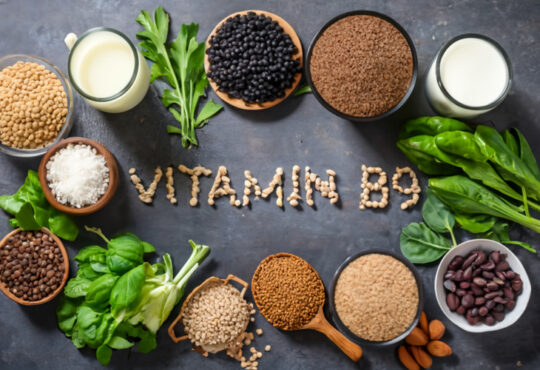
Vitamin B6 graces our plates in a variety of forms, catering to both omnivores and plant-based enthusiasts. Meat and animal products offer rich sources like poultry (chicken, turkey), oily fish (salmon, tuna), and organ meats (liver, kidney). Plant-based options abound with fruits like bananas, leafy greens like spinach, legumes like chickpeas, seeds like sunflower seeds, and fortified cereals. This diverse selection ensures everyone can easily incorporate B6 into their diet.
Preserving the B6 Bounty: Cooking Methods Matter
While nature provides us with abundant B6 sources, cooking methods and food processing can unfortunately deplete its availability. Here’s where mindful preparation comes in:
- Steaming: Retains up to 90% of B6 content, making it a gentle and effective option for vegetables, fish, and even chicken breasts.
- Stir-frying: Preserves around 70-80% of B6, ideal for quick and flavorful dishes with minimal loss.
- Boiling: Although convenient, boiling can leach out up to 50% of B6, especially in water-soluble vegetables. Minimize cooking time and consider using the cooking water in soups or sauces to salvage some nutrients.
- Microwaving: While often perceived as harmful, studies suggest minimal B6 loss (around 10-20%) compared to other methods, as long as cooking times are controlled.
The B6 Essentials: Optimal Intake and Significance
Vitamin B6 daily intake recommendations, established by the National Institutes of Health (NIH) in the United States, vary across different age groups, including children, adolescents, and adults. The recommended daily intake (in mg) for each age range is as follows:
| Age Range | Recommended Daily Intake (mg) |
| 19-50 years old | 1.3 mg (both men and women) |
| 51-70 years old | 1.7 mg (men), 1.5 mg (women) |
| 71+ years old | 1.7 mg (men), 1.5 mg (women) |
| Pregnant women | 1.9 mg |
When Your B6 Tank Runs Low:
Not getting enough B6 can lead to some not-so-pleasant symptoms. Watch out for fatigue, irritability, and even tongue inflammation (goodbye, spicy foods!). Other warning signs include depression, confusion, and changes in your hair, skin, or nails. If you experience any of these, or feel like your emotions are on a wild ride, it might be time to check your B6 levels.
Who’s More Likely to Be B6 Deficient?
Certain factors can increase your risk of B6 deficiency. Strict vegan or vegetarian diets may not provide enough B6 naturally. Additionally, excessive alcohol consumption, certain medical conditions, and some medications can all affect B6 absorption or utilization. If any of these apply to you, talk to your doctor about ensuring you get enough B6.
Remember:
- Age affects recommended B6 intake.
- Watch for symptoms like fatigue, mood swings, and tongue inflammation if B6 is low.
- Certain factors like diet, alcohol intake, and medications can impact B6 levels.
Exploring Interactions: B6 and Your Daily Routine
Similar to a puzzle, B6 can interact with medications and other supplements you might be taking. Consulting your doctor or pharmacist is crucial to identify potential conflicts and avoid unexpected complications.
Tailoring B6 to You: Dietary Needs and Guidance
For those with specific dietary restrictions like vegetarianism, getting enough B6 requires careful planning. Plant-based sources can be helpful, but consulting a nutritionist or dietitian can ensure you’re meeting your individual needs, whether through strategic food choices or targeted supplements.
Key Points:
- Vitamin B6 is essential, but excessive intake can be harmful.
- Be aware of potential interactions with medications and supplements.
- Consult with healthcare professionals for guidance on B6 intake based on your diet and lifestyle.
FAQ 1. Can I get enough Vitamin B6 from my diet alone? While it is possible to obtain Vitamin B6 from dietary sources, it can be challenging to meet the recommended daily intake solely through food. Incorporating foods rich in Vitamin B6, such as poultry, fish, nuts, and whole grains, can help, but some individuals may still require supplementation to ensure adequate levels. 2. What are the signs of Vitamin B6 deficiency? Vitamin B6 deficiency may manifest in various ways, including symptoms such as fatigue, confusion, irritability, depression, and weakened immune function. If you experience these symptoms or suspect a deficiency, it is advisable to consult with a healthcare professional for proper diagnosis and guidance. 3. Are there any risks associated with Vitamin B6 supplementation? Excessive intake of Vitamin B6 through supplementation can have adverse effects. High doses of Vitamin B6 over a prolonged period may lead to nerve damage, numbness, or tingling in the extremities. It is crucial to follow recommended dosage guidelines and consult with a healthcare professional before starting any supplementation regimen. 4. Can Vitamin B6 help with weight loss? Vitamin B6 is involved in metabolism regulation, and some studies suggest it may aid in weight loss efforts. However, it is important to note that Vitamin B6 alone is not a magic solution for weight loss. It should be incorporated as part of a well-balanced diet and active lifestyle to achieve sustainable weight management goals. |