

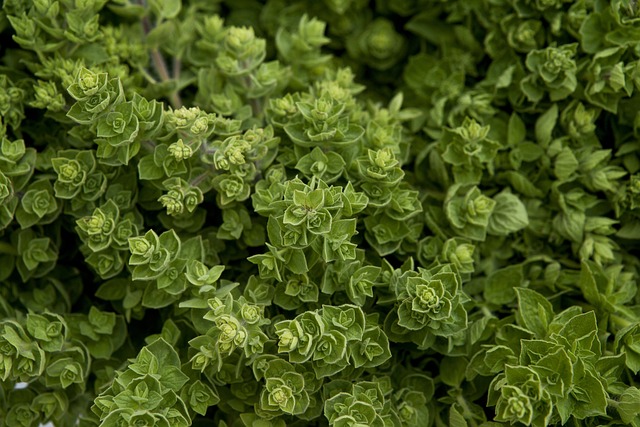
Oregano, scientifically known as Origanum vulgare, is a popular herb in culinary and traditional medicine. Its leaves are commonly used as a spice to add flavor to various dishes, especially in Mediterranean and Italian cuisine. Oregano belongs to the mint family and has a distinct aromatic scent and slightly bitter taste.
Oregano: A Journey Through Time and Taste
Oregano, the fragrant herb that elevates countless dishes, boasts a history as rich as its flavor. Its journey began in ancient Greece and Rome, where it was more than just a culinary ingredient – it was a symbol of joy and happiness. Its very name, derived from the Greek words “oros” (mountain) and “ganos” (joy), reflects this association. Oregano wasn’t just enjoyed for its taste; it was believed to bring good luck and even played a role in marriage ceremonies.
Fast forward to today, and oregano remains a beloved herb across the globe. The genus Origanum encompasses 43 species, primarily found basking in the Mediterranean sun. Among these, O. vulgare, also known as common oregano, takes center stage, flourishing from the Canary Islands to China. Within this species, several commercially important varieties shine, each with its own unique twist:
- Greek oregano (O. vulgare subsp. hirtum): This native of Greece, the Balkans, Turkey, and Cyprus boasts a robust flavor that’s perfect for pizzas and tomato-based dishes.
- Turkish oregano (O. onites): Hailing from Turkey, Greece, and Sicily, this variety offers a milder, sweeter profile, often favored in seafood and poultry dishes.
- Syrian oregano (O. syriacum): This oregano, predominantly used in Levantine cuisine, brings a citrusy touch to stews and soups.
Chemical Composition of Oregano
Aromatic Powerhouse: Oregano’s essence lies in its rich essential oils, led by the dynamic duo of carvacrol (essential oil) and thymol (essential oil). These components not only deliver the herb’s distinct flavor and aroma but also pack a powerful punch against bad bacteria and fungi, acting as nature’s mini antimicrobial warriors.
Beyond Fragrance: Antioxidant Shield: Oregano isn’t just about taste and aroma; it’s also a champion of antioxidant defense. Packed with phenolic compounds like rosmarinic acid (phenolic compound) and flavonoids (phenolic compounds), it acts as a formidable scavenger of harmful free radicals, helping to protect your cells from oxidative damage.
A Treasure Trove of Active Ingredients: The list of beneficial compounds in oregano doesn’t stop there. Terpenes, sterols, and triterpenoids add to its medicinal profile, hinting at potential anti-inflammatory and even anti-cancer effects. This herb is truly a treasure trove of active ingredients waiting to be explored!
Aromatic Cousins, Distinct Personalities: While oregano and marjoram belong to the same genus, their aromatic personalities differ significantly. Oregano’s dominant player, carvacrol, creates a bold, characteristic scent. Marjoram, on the other hand, boasts sweeter notes thanks to compounds like cis-, trans-sabinene hydrate and α-terpineol. These differences make their aromas unique and easily distinguishable.
- Carvacrol (Essential Oil): This dominant component not only delivers the characteristic peppery scent of oregano but also possesses potent antimicrobial properties, effectively combating harmful bacteria and fungi.
- Thymol (Essential Oil): Working alongside carvacrol, thymol further strengthens oregano’s antimicrobial arsenal, contributing to its effectiveness in fighting off pathogens.
- Rosmarinic Acid (Phenolic Compound): This powerful antioxidant acts as a shield against free radicals, protecting cells from oxidative damage and potentially reducing inflammation.
- Flavonoids (Phenolic Compounds): A diverse group of antioxidants working synergistically to enhance the overall antioxidant activity of oregano, contributing to its potential health benefits.
- Terpenes: These naturally occurring compounds may hold anti-inflammatory and anti-cancer properties, although further research is needed to fully understand their mechanisms.
- Sterols: These plant-based molecules contribute to a variety of health benefits, including immune system support and cholesterol management.
- Triterpenoids: These compounds exhibit promising anti-inflammatory and antitumor potential, hinting at the broader medicinal possibilities of oregano.
Health Benefits of Origanum vulgare
Anti-inflammatory Properties: Carvacrol and thymol, the key chemical components in oregano, have been found to inhibit the activity of enzymes such as cyclooxygenase (COX) and lipoxygenase (LOX). These enzymes play crucial roles in the synthesis of inflammatory mediators called prostaglandins and leukotrienes, respectively. By inhibiting these enzymes, carvacrol and thymol interfere with the production of these inflammatory molecules, ultimately reducing inflammation in the body.
Antioxidant Effects: The high antioxidant content of oregano, including compounds like rosmarinic acid, flavonoids, and carvacrol, plays a pivotal role in protecting cells from oxidative stress-induced damage. These antioxidants work by scavenging and neutralizing harmful free radicals, which are highly reactive molecules that can cause cellular damage and contribute to the development of chronic diseases.
Antibacterial and Antifungal Properties: Oregano boasts powerful antimicrobial properties attributed to key components like carvacrol and thymol, found in its essential oil. These compounds disrupt the cell membranes of bacteria and fungi, targeting a wide range of pathogens including Staphylococcus aureus, Escherichia coli, Candida albicans, and Aspergillus species. Additionally, oregano contains eugenol, p-cymene, and beta-caryophyllene, which further enhance its antimicrobial efficacy.
Digestive Health: Oregano, a traditional remedy for digestive health, alleviates indigestion, bloating, and gas. Additionally, oregano oil research suggests promise in preventing foodborne illnesses, with studies exploring its antimicrobial properties against pathogens like Escherichia coli and Salmonella.
Revitalizing Breath: Oregano’s potent antimicrobial and anti-inflammatory properties, attributed to compounds like carvacrol, thymol, and rosmarinic acid, make it a popular remedy for respiratory ailments. It may help alleviate symptoms of cough, cold, and bronchitis. Oregano oil, containing these beneficial compounds, is often used in steam inhalations to relieve congestion
Immune System Boost: The immune-boosting properties of oregano can be attributed to its antioxidants, including flavonoids and phenolic compounds, as well as its antimicrobial compounds, such as carvacrol and thymol. Regular consumption of oregano may help strengthen the immune system and enhance its ability to fight off infections.
Potential Anti-cancer Properties: Some studies suggest that oregano may have anti-cancer properties. Its active compounds may help inhibit the growth of cancer cells and prevent the spread of tumors. However, more research is needed to establish its effectiveness and safety in cancer treatment.
- Carvacrol: This potent compound found in oregano has demonstrated anti-cancer properties by disrupting cancer cell membranes and inducing programmed cell death (apoptosis), potentially inhibiting tumor growth and spread.
- Thymol: Another key component of oregano, thymol exhibits cytotoxic effects on cancer cells, contributing to the inhibition of tumor growth and metastasis.
- Rosmarinic Acid: Known for its antioxidant properties, rosmarinic acid found in oregano helps protect cells from oxidative damage, thereby inhibiting tumor formation and progression.
- Apigenin: A flavonoid present in oregano, apigenin has shown promising anti-cancer effects by inhibiting cancer cell proliferation and inducing apoptosis.
- Caffeic Acid: A phenolic compound found in oregano, caffeic acid exhibits antioxidant and anti-inflammatory properties that may help prevent cancer development and progression.
Oregano: A Culinary Journey Around the World
Aromatic Odyssey: From Italy to Greece
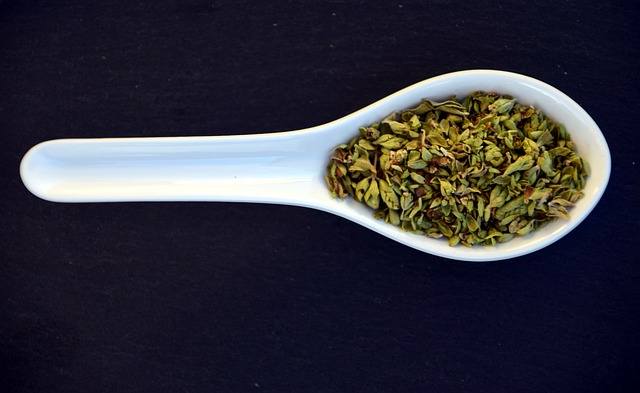
Oregano’s journey across culinary cultures begins in the sun-drenched Mediterranean. In Italy, it’s the undisputed king of pizza, but its reign extends far beyond. Fish, pasta, and vibrant vegetable dishes all sing with its distinct flavor. In Greece and Turkey, local oregano, often used dried and ground, elevates meats, salads, and seafood to new heights, even gracing rice dishes and sauces with its warmth.
North Africa and the Levant: A Spicy Twist
Moving westward, we encounter the unique flavors of North African oregano. O. compactum and O. elongatum weave their magic into Moroccan cuisine, acting both as a condiment and a natural preservative. In Lebanon, various oregano species, including the local variety, lend their distinctive notes to the traditional cheese shanklish and the iconic za’atar spice blend.
Levantine Delights: Za’atar and Manakeesh
Along the Levantine coast, local oregano, particularly O. syriacum, takes center stage. It’s the star ingredient in the za’atar blend, a must-have for flavoring flatbreads and adding a savory punch to dishes. The popular savory pastry, manakeesh, also wouldn’t be the same without its touch. Bedouin traditions utilize dried ground leaves of local oregano varieties like O. syriacum, O. dayi, and O. isthmicum as a flavorful dip for bread.
Portugal and Cyprus: Teas, Olives, and More
Traveling further, we find the Portuguese embracing local oregano (O. vulgare) in their tomato salad and boiled snails, even using it to preserve olives. Interestingly, several oregano species, including O. vulgare, O. onites, O. minutiflorum, and O. rotundifolium, find a more soothing purpose as herbal teas. In Cyprus, local oregano, specifically O. majorana, straddles the line between culinary herb and calming tea, showcasing its versatility.
Oregano: A Flavorful Herb with Precautions
Oregano, with its distinctive aroma and warm flavor, is a beloved herb in kitchens worldwide. But before you wholeheartedly embrace this versatile ingredient, it’s important to consider potential allergies and medication interactions.
Mindful Munching for Allergy-Prone Individuals: While most people enjoy oregano without trouble, individuals with known allergies to Lamiaceae family plants like mint or basil should be cautious. Symptoms like skin rash, itching, swelling, or breathing difficulty could indicate an allergic reaction. It’s best to start with small amounts and monitor your body’s response.
Medications and Oregano: A Balancing Act: If you’re taking medications, particularly those metabolized by the liver, consult your healthcare provider before consuming oregano supplements or extracts. The herb has been known to interact with certain medications, potentially affecting their efficacy. A quick chat with your doctor can ensure a harmonious relationship between your medications and your love for oregano.
Embrace the Power of Oregano Responsibly: Despite these precautions, oregano remains a remarkable herb with immense potential. From enhancing culinary creations to offering possible health benefits, it continues to captivate people worldwide. Whether you add it to your favorite dishes or explore its medicinal applications, remember to:
- Exercise caution: If you have allergies or are taking medications, proceed with care.
- Consult healthcare professionals: When in doubt, seek guidance from medical experts for personalized advice, especially during pregnancy and breastfeeding.
- Limit oregano tea use: It’s not advised for long-term consumption.