


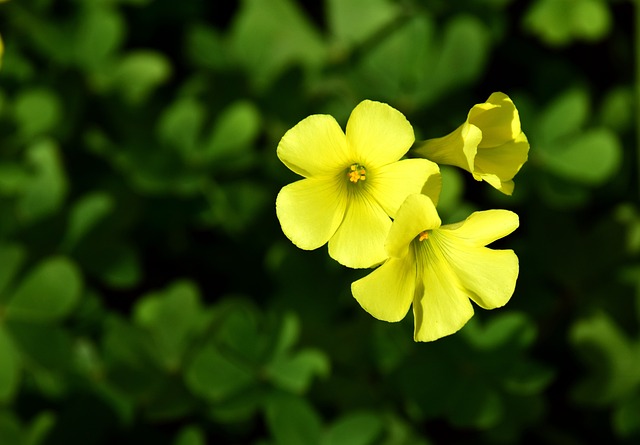
Oxalis pes-caprae, also known as Bermuda buttercup, wood-sorrel, Oxalis des Bermudes, or Oxalis jaune, Sauerklee, Trevo azedo, Кислица козья, Bermud otu, Kıbrıs yoncası, 伯米达酢浆草, and バミューダバターカップ.
Oxalis Pes-Caprae: A Coin with Two Sides
Oxalis pes-caprae, the Bermuda buttercup or sourgrass, is a vibrant yellow flowering plant belonging to the Oxalidaceae family (wood sorrels), native to South Africa’s Cape Region. While it adds a cheerful touch to gardens and lawns, its charm hides a tenacious side. This fast-growing species can become invasive, outcompeting native plants and disrupting ecosystems.
Origins and History
- South African Native: Thrives in the Mediterranean climate of its homeland (Cape Region).
- Global Traveler: Introduced worldwide as an ornamental, establishing itself in regions with similar climates.
- Double-Edged Sword:
- Folk Medicine: Used historically for digestion, skin issues, and as a natural dye.
- Culinary Delights: A traditional ingredient in South African dishes like water blommetjiebredie (water flower stew).
- Medicinal Potential: Roots, stems, and leaves may possess anti-inflammatory and analgesic properties.
Duality in Nature: Beauty vs. Threat
- Aesthetic Appeal: Bright yellow blooms create a cheerful ground cover. Inflorescences typically boast fewer than 20 flowers each, with individual blooms reaching up to 1 inch (2.5 cm) in diameter.
- Invasive Behavior: Rapid growth and prolific bulb production (over 20 bulblets per year) smother native vegetation. These bulblets, usually less than 1 inch (2.5 cm) in size, fuel the plant’s aggressive spread.
- Ecological Impact: Disrupts natural plant communities, affecting local wildlife dependent on them.
Understanding the Spread
- Multiple Introductions: Likely through botanical gardens, nurseries, and unintentional transport through harbors and coastal towns.
- Genetic Diversity: Distinct populations suggest multiple invasion origins.
- Evolutionary Adaptation: Pentaploid short-styled plants dominate the Euro-Mediterranean region, possibly influenced by past cultivation practices and environmental factors.
Chemical Composition of Oxalis Pes-Caprae
Oxalis pes-caprae boasts a diverse range of chemical compounds, some contributing to its characteristic features and others with potential medicinal applications. Here’s a breakdown by category:
Group: Flavonoids
Flavonoids are antioxidants found abundantly in plants, and they are a subgroup of polyphenols, which are compounds known for their antioxidant properties.
- Luteolin derivatives: This subgroup possesses potential antioxidant, anti-inflammatory, and anticancer properties.
- Apigenin: This flavonoid may also offer health benefits.
Macronutrients:
- Dietary Fiber: Oxalis leaves and stems contain a significant amount of dietary fiber, crucial for gut health.
- Carbohydrates: The carbohydrate content varies within the plant.
- Protein and Fat: Leaves boast the highest protein and fat content compared to stems.
- Minerals:
- Potassium and Iron: These essential minerals are prominent throughout the plant.
- Calcium: Stems contain the highest amount of calcium, while magnesium content varies.
Organic Acids:
- Oxalic Acid: This organic acid gives the plant its sour taste but can be harmful in large quantities. Consume this plant in moderation.
- Various Volatile Compounds: These compounds contribute to the plant’s scent and aroma. Examples include nerolidol.
| Important Considerations: Oxalic Acid: While Oxalis pes caprae offers potential benefits, it contains oxalic acid, responsible for its sour taste. This acid can be harmful in large quantities. Consume this plant in moderation and avoid it altogether if you have: – Kidney stones – Hyperoxaluria (excessive oxalate excretion in urine) – Certain medical conditions affecting the gut |
Medicinal Uses of Oxalis Pes Caprae
Managing Blood Sugar
Oxalis pes-caprae, a captivating coastal plant, emerges as a potential ally for individuals managing blood sugar. Animal research delves into its potential benefits:
- Combating Glycation: Studies suggest the plant may inhibit the formation of harmful sugar-protein attachments, a key player in diabetic complications.
- Enzyme Inhibition: Oxalis pes-caprae extracts might help regulate blood sugar by hindering enzymes that break down carbohydrates in the gut.
Antibacterial Activity:
- Findings: All Oxalis pes-caprae samples exhibited significant antibacterial activity against Xanthomonas, Clavibacter machengnitis, and Bacillus at specific doses. This indicates the potential effectiveness of the plant against these bacterial strains.
Antifungal Activity:
- Findings: Oxalis pes-caprae extracts displayed dose-dependent antifungal activities. They inhibited the growth of Aspergillus flavus, Penicillium, and Fusarium solani at specific concentrations, suggesting promising antifungal properties. Interestingly, the activity increased with higher concentrations.
Other Observations:
- Cytotoxicity: The ethanolic extract showed the highest cytotoxicity, suggesting the presence of potent cytotoxic compounds. However, further research is needed to understand the specific effects of this cytotoxicity on cells.
- Phytotoxicity: The chloroform extract exhibited the highest phytotoxicity, indicating potential natural weedicide characteristics.
Wound Healing Activity:
Oxalis pes-caprae extracts exhibited promising wound healing properties in a rat model, promoting faster closure and reduced inflammation. These findings hint at its potential as a natural remedy for skin repair.
Anti-inflammatory Potential:
While the extract itself didn’t directly affect inflammation in macrophages, it contains compounds like luteolin and apigenin derivatives known for their anti-inflammatory properties. For example, homovitexin, found in the extract, has been shown to inhibit inflammatory enzymes in macrophages, suggesting a potential pathway for the extract’s anti-inflammatory effects.
Antioxidant Activity:
The extract demonstrated significant free radical scavenging activity, indicating its potential as an antioxidant source. This aligns with previous findings that identified high levels of antioxidant compounds in Oxalis pes-caprae extracts.
Neuroprotective Potential:
Homoorientin, a compound present in the extract, showed promise in protecting neurons from damage caused by oxygen-glucose deprivation (OGD). While orientin and vitexin also exhibited a trend towards neuroprotection, further research is required to confirm their effects. These findings suggest that the extract may contain bioactive compounds capable of safeguarding neurons from damage.
Sour Flavors: Culinary Uses of sourgrass
- Oxalis pes-caprae (sourgrass/soursob) possesses a pronounced sour-lemony flavor due to high oxalic acid content.
- Fresh leaves enhance salads, soups, stews, and sauces with a refreshing tartness.
- Chopped or ground leaves add zest to dips and spreads.
- Whole leaves offer a tangy counterpoint in sandwiches and wraps.
- The plant’s unique flavor extends to teas and lemonades.
- Edible yellow flowers serve as garnish or a focal ingredient.
A Note of Caution: Potential Risks of wood-sorrel.
Despite its potential benefits, Oxalis Pes Caprae can cause adverse reactions in some individuals:
- Digestive Issues: This plant might lead to bloating, gas, or diarrhea. Monitor your body’s response and consult a healthcare professional if you experience any discomfort.
- Allergies: If you have allergies to plants in the Oxalis genus, proceed with caution. Symptoms can include rashes, itching, or breathing difficulties. Perform a patch test before using it internally or topically.
Important Precautions:
- Dosage: Stick to recommended dosages for medicinal use. Excessive consumption can be harmful. Start with a low dose and gradually increase if needed. Consult a healthcare professional for specific dosage guidance.
- Contraindications: People with certain medical conditions or taking medications should avoid Oxalis Pes Caprae as it might interact with drugs or worsen existing health problems. Pregnant or breastfeeding women should also avoid it without consulting a healthcare professional.