

Papaver rhoeas: Description and Key Characteristics
Papaver rhoeas L., also known as the field poppy, Flanders poppy, corn poppy, or Red poppy, is a captivating annual flower that adds a burst of color to fields. Though its exact origins remain a mystery, some researchers believe it’s native to North Africa, Europe, and Western Asia. Typically reaching 9-18 inches tall, this plant thrives in open spaces and has even naturalized in many areas of the continental United States.
Key Characteristics:
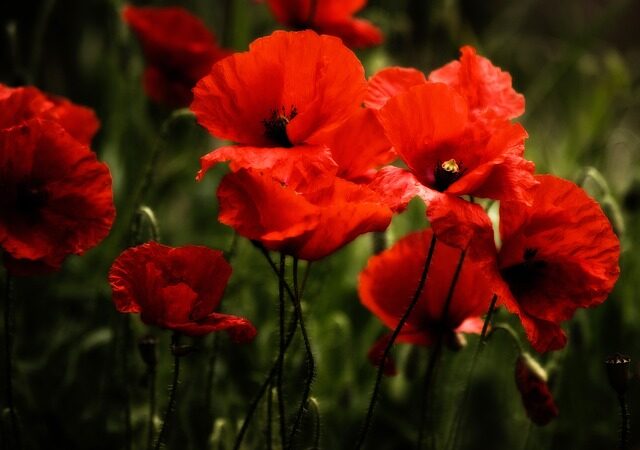
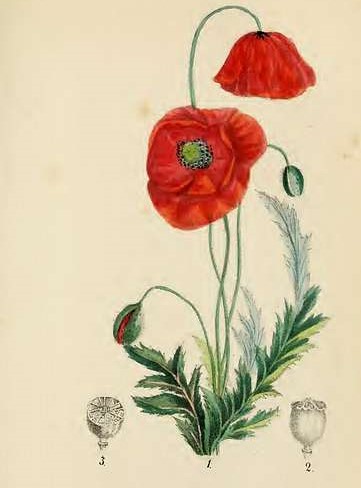
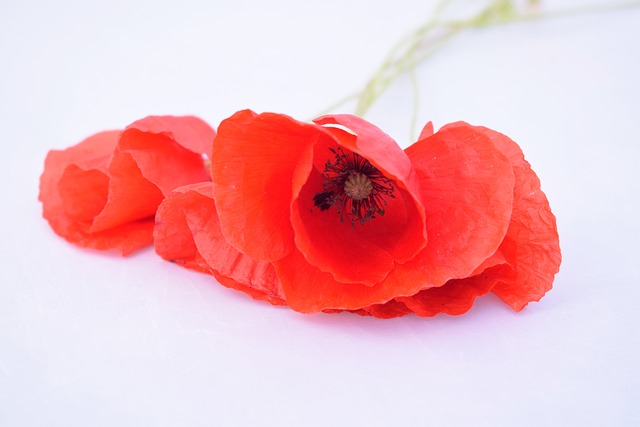
- Flowers: Vibrant red with 4-6 petals, each about 2 inches across, featuring a distinctive black blotch at the base.
- Bloom Period: Late spring to mid-summer (June to August).
- Stems and Leaves: Bristly, hairy stems; leaves are coarsely toothed, hairy, and irregularly pinnate.
- Fruit: Black-seeded capsule that bursts open when ripe, scattering seeds.
- Color Variations: Primarily red, but purple and white flowers also occur.
Historical and Symbolic Significance
The corn poppy holds a special place in European history. Widely seen throughout war-torn fields, particularly in Flanders during World War I, it became a powerful symbol of remembrance for fallen soldiers. The poppy represents not only the loss of life but also the enduring hope that their sacrifices were not in vain.
Traditional Uses and Medicinal Properties
The corn poppy has a long history of use in traditional medicine for treating various ailments such as:
Nervousness and Insomnia: Used as a mild sedative.
Digestive and Respiratory Issues: Acts as an expectorant for treating coughs and catarrh.
Other Uses: Treating baldness, eye infections, measles, and for cosmetic purposes like reducing wrinkles and in lipstick formulations.
Scientific research has revealed numerous alkaloids within the plant, offering properties such as pain relief, antimicrobial activity, and potential anticancer effects.
Preparation Methods:
- Fresh Petals: Used to prepare a syrup.
- Dried Petals: Added to water to make an infusion.
Comparison with the Opium Poppy
While visually similar, the corn poppy differs significantly from its close relative, the opium poppy (Papaver somniferum), in several ways:
- Narcotic Properties: The opium poppy produces a white latex containing significantly higher concentrations of powerful narcotics, making it a valuable medicinal resource but also leading to its misuse in illegal drug trade.
- Historical Use: The opium poppy (Papaver somniferum) has been valued for its potent pain-relieving properties for centuries. However, its potential for abuse has led to significant social problems, including addiction and illicit drug trade, highlighting the dual-edged nature of its medicinal capabilities.
Phytochemical Components of Papaver rhoeas
Papaver plants are a treasure trove of valuable phytochemicals, particularly alkaloids like morphine and codeine used in modern medicine. Beyond these well-known compounds, Papaver offers a wealth of other bioactive molecules with potential for pain relief, cancer treatment, and more. This diversity of chemicals underpins the genus’s historical use in traditional medicine and fuels ongoing scientific exploration of its potential health benefits.
Primary Constituents:
- Alkaloids: Papaver rhoeas does contain rhoeadine, which has been shown to have some sedative and cough-suppressant (antitussive) properties in research.
- Flavonoids: Quercetin and kaempferol are indeed present in Papaver rhoeas and contribute to its antioxidant activity.
- Mucilage: This substance is found in the plant and can help soothe irritated mucous membranes. It may also have some anti-inflammatory properties, but more research is needed.
- Fatty Acids: Linoleic acid and oleic acid are present in the seeds of Papaver rhoeas.
- Phenolic Compounds: Various phenolic acids with antioxidant activity are found in Papaver rhoeas.
Secondary Metabolites:
- Rhoeadine Alkaloids: These are the key distinguishing feature of Papaver rhoeas, with rhoeadine being the main one, known for its potential analgesic and sedative effects.
- Hesse’s Rhœadine: A distinct alkaloid discovered by chemist Hesse, this compound differs structurally from morphine.
- Essential oil: Hydrodistillation of the aerial parts (flowers, leaves, stems) of Papaver rhoeas yields an essential oil rich in major chemical groups like diterpenes, hydrocarbons, and ketones.
Other Notable Compounds:
- Secondary Alkaloids: These include rhœagenine, narcotilline, and somniférine, each possessing unique pharmacological properties.
- Anthocyanin-Glycosides: These pigments, responsible for the plant’s vibrant red hues, belong to the flavonoid family and offer antioxidant benefits.
- Tannins: These astringent compounds act as natural preservatives and contribute to the plant’s defense mechanisms.
- Vitamins and Other Compounds: Ascorbic acid (Vitamin C), β-carotene (provitamin A), α-tocopherol (Vitamin E), providing essential nutrients and antioxidants.
Papaver rhoeas, despite containing various medicinal phytochemicals, is distinguished by its high concentration of rhoeadine alkaloids (particularly rhoeadine and rhoeagenine), setting it apart from its close relatives.
Pharmacological Activities of Papaver rhoeas L.
Papaver rhoeas L., the corn poppy, holds promise for various health benefits based on scientific research. Here’s a summary of its key pharmacological activities:
- Antimicrobial Activity: Papaver rhoeas extracts show promise against bacteria and fungi. However, effectiveness depends on the alkaloid content. Varieties rich in specific alkaloid exhibit stronger activity, highlighting the need for further research on this plant’s potential.
- Antioxidant Activity: Studies suggest Papaver rhoeas leaves (rich in phenolic compounds) possess antioxidant properties, potentially preventing skin damage from ultraviolet radiation.
- Antiulcerogenic Activity: Research indicates that Papaver rhoeas roots may act against ulcers. Extracts demonstrate promising antiulcerogenic effects.
- Sedative and Morphine-Induced Effects: Extracts from Papaver rhoeas petals appear to have sedative effects. Additionally, research suggests these extracts may help mitigate some effects of morphine.
- Antidepressant Activity: Studies indicate that Papaver rhoeas (potentially due to various unidentified components) may possess antidepressant properties.
- Analgesic Activity: While not explicitly mentioned in the first part, Papaver rhoeas extracts (potentially hydroalcoholic extracts containing alkaloids) may decrease morphine-induced tolerance without affecting immediate pain relief.
- Anticancer Activity: Research suggests Papaver rhoeas extracts (potentially containing specific alkaloids) have dose-dependent inhibitory effects on various cancer cell lines. Studies have shown promise against human leukemia cells and identified specific bioactive compounds with potential anti-cancer effects.
- Anti-diabetic Potential: Preliminary evidence suggests anti-diabetic effects, hinting at possible applications in managing diabetes, although more research is needed to validate these findings in clinical settings.
A Touch of Red: Culinary Delights with the Common Poppy
Papaver rhoeas (common poppy) is indeed used in various culinary applications, particularly in European and Mediterranean cuisines. Here are more accurate and verified uses:
- Salads: Fresh petals can be used for a pop of color and a mildly sweet flavor.
- Garnishes: Petals are an attractive garnish for desserts, cakes, and savory dishes.
- Teas: Dried petals are used to make herbal teas with a calming effect (be sure they are sourced from a reputable seller for safe consumption).
- Jams and Jellies: Petals can be infused for a floral taste and vibrant color.
- Baking: Seeds are commonly used in breads, muffins, and cakes for a nutty flavor and crunch.
- Syrups and Infusions: Petals can be steeped in sugar syrup for a floral syrup used in cocktails, desserts, and as a flavoring.
- Soup Flavoring: Young leaves and shoots can be added to soups and stews for a subtle, earthy flavor.
Traditional Use of Corn Poppy in Moroccan Medicine
Sleeplessness and Cough: A decoction made from a handful of dried corn poppy flowers steeped in boiling water is consumed three times daily to promote sleep and alleviate coughs.
Fever: Applying a poultice made from poppy flowers to the forehead is believed to help reduce fever.
Pain Management: A strong decoction of ten poppy heads boiled in half a liter of water is used to induce drowsiness and relieve pain, especially colic. Poppy flower powder is also used to stop nosebleeds.
Headaches: Poppy oil mixed with rose oil, applied topically to the head, is thought to alleviate severe headaches.
Earaches: Instilling a few drops of poppy oil into the ear canal is said to soothe pain and buzzing sounds.
Topical Applications: Finely ground poppy heads mixed with porridge and applied as a poultice are believed to reduce swelling and redness. A concentrated decoction of poppy heads boiled with water and honey is used as a remedy for cough and chronic diarrhea.
Aker Fassi: A Traditional Moroccan Beauty Secret
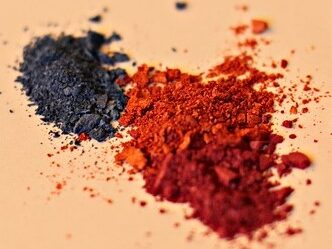
Aker Fassi, a natural powder made from poppy flower petals and pomegranate peels, has been used for centuries by Moroccan women as a beauty enhancer. This ancestral recipe is carefully guarded, passed down through generations.
Production: Poppy flower petals and pomegranate peels are sun-dried in a shaded, well-ventilated area to prevent darkening and preserve color. The dried petals and peels are then hand-pounded into fine, shimmering flakes.
Properties: Rich in antioxidants, Aker Fassi hydrates, softens, and reduces wrinkles. It also contains calming and soothing properties.
| Moroccan Kohl: Crafted by hand using safe, natural ingredients like antimony sulfide powder, date stone powder, and olive oil, this traditional eye cosmetic defines eyes and reflects rich cultural heritage. |
Applications:
- Lips: Protects lips from dryness and creates a long-lasting, natural matte brick red color.
- Face: Brightens the complexion, treats oily skin, and provides a natural, healthy glow. It can also serve as a base for creams and soaps.
- Body: Offers a natural sun-kissed effect and helps exfoliate impurities.
- Hair: Revitalizes and nourishes hair, enhancing red highlights and softening hair.
- Coloring: Used as a natural colorant for various cosmetic preparations.
Bkoula: A Moroccan Culinary Delight with Corn Poppy Shoots
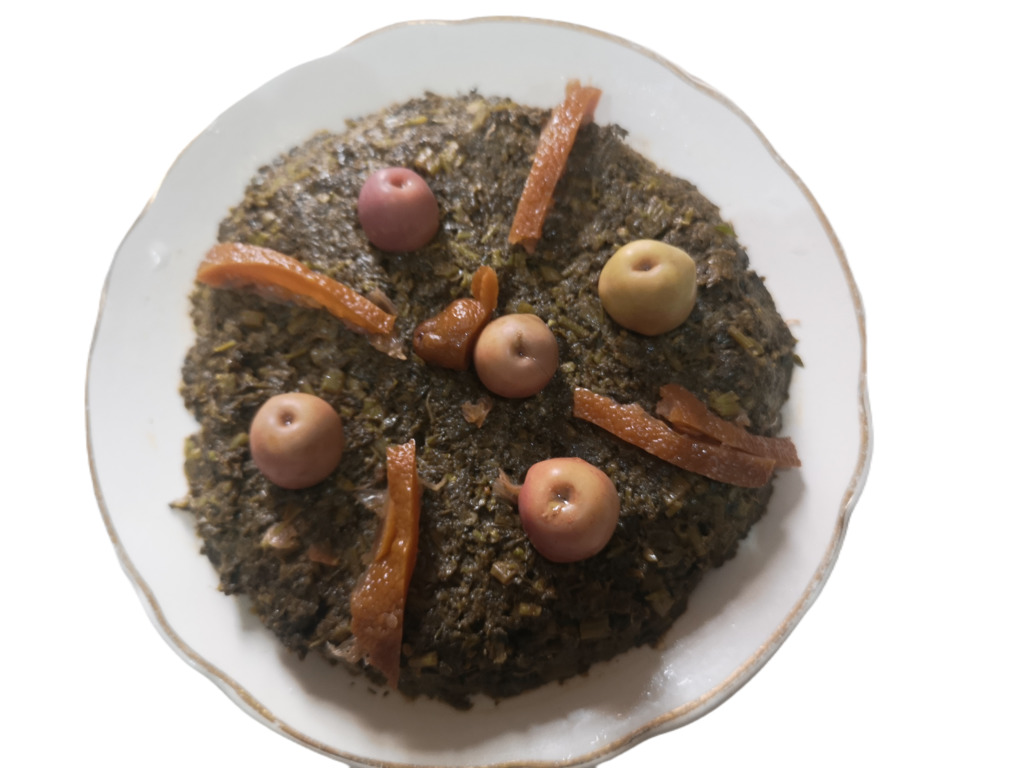
Bkoula is a traditional Moroccan dish featuring a mix of greens and herbs, with young shoots of corn poppy being a key ingredient. These shoots add a unique flavor to the dish, which is typically seasoned with olive oil, garlic, preserved lemon, and spices. Bkoula showcases the vibrant taste of Moroccan cuisine.
Caution: Papaver rhoeas (corn poppy) has potential downsides
- Toxicity: The plant contains low levels of alkaloids similar to opium poppies, which can be harmful in high doses. Overconsumption can lead to dizziness, nausea, and vomiting.
- Allergic Reactions: Skin irritation and respiratory issues are possible, especially for those sensitive to plants.
- Improper Dosing: Self-medication carries the risk of taking incorrect amounts, potentially causing harm.
Seek professional guidance: Always consult a healthcare provider before using corn poppy for medicinal purposes to ensure safety and proper use.