

Passiflora incarnata,Passionflower, Fleur de la Passion, Flor de la Pasión, Fiore della Passione, Flor da Paixão, Passionsblume, Passiebloem, Цветок Страсти, パッションフラワーの花, 热情花, زهرة الآلام.
What is Passionflower?
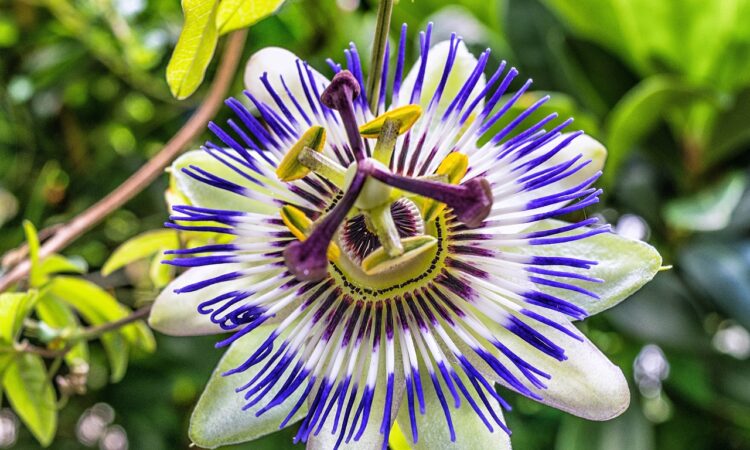
Passiflora incarnata, commonly known as Passionflower, stands as a botanical marvel transcending its aesthetic appeal. Characterized by resplendent purple and white flowers and a vine-like growth pattern, Passionflower has piqued the interest of botanists and herbal enthusiasts. Beyond its ornate facade, this plant harbors a plethora of botanical intricacies.
- Eye-Catching Beauty: Passionflower boasts vibrant purple and white blooms adorning a captivating vine-like structure.
- Rooted in History: Indigenous tribes of North and South America have revered its medicinal properties for centuries. Spanish missionaries, struck by its resemblance to symbols of the Crucifixion, bestowed the name “passionflower.”
- A Symbol of Peace: Transcending its practical uses, Passionflower embodies tranquility, spirituality, and love.
- Modern Uses: Today, this cherished ingredient graces herbal remedies and teas, valued for both its visual appeal and potential health benefits.
Unveiling the Chemical Complexity of Passionflower
Passionflower, a captivating vine native to South America, eastern Asia, and southern Asia, boasts a rich tapestry of bioactive compounds. This intriguing plant unveils a nuanced composition, categorized into several key chemical groups:
1. Flavonoid Glycosides: These are the most prominent contributors to Passionflower’s chemical complexity.
- Major Components: Apigenin, luteolin, quercetin, and a diverse array of other flavonoids.
- Significance: Flavonoids are known for their antioxidant, anti-inflammatory, and potentially neuroprotective properties.
2. β-Carboline Alkaloids: These are a group of lesser-studied components, but some reports suggest their presence in Passionflower.
- Significance: β-carboline alkaloids may contribute to the plant’s potential calming and sedative effects, although further research is needed.
3. Essential Oils: This complex mixture of over 160 distinct compounds adds another layer to Passionflower’s chemical makeup.
- Components: Essential oils are typically composed of fatty acids, terpenes, and other volatile organic compounds.
- Significance: The specific composition of Passionflower’s essential oil may contribute to its aroma and potentially influence its biological effects.
4. Carbohydrates: While the specific types of carbohydrates present in Passionflower are not explicitly mentioned, their presence suggests a potential role as a nonvitamin nonmineral (NVNM) nutrient.
- Significance: NVNMs are dietary components that play a vital role in maintaining health beyond vitamins and minerals. Their exploration is gaining momentum as research delves deeper into the intricacies of human nutrition.
Therapeutic Proficiency of Passionflower
Passionflower’s chemical complexity translates to a range of potential health benefits. Let’s delve into some of the most studied areas:
1. Anxiety and Stress Relief:
- Chemical Players: Flavonoid glycosides, particularly apigenin and luteolin, are believed to be key contributors.
- Action: These compounds may interact with GABA receptors in the brain, promoting a calming effect and reducing nervous system activity. This positions Passionflower as a potential natural alternative to conventional anti-anxiety medications, potentially mitigating side effects and dependence.
2. Improved Sleep Quality:
- Chemical Suspects: Research suggests a link between Passionflower’s potential sleep benefits and its influence on gamma-aminobutyric acid (GABA) levels in the brain.
- Mechanism: Increased GABA activity can lead to a decrease in brain activity, fostering relaxation and promoting better sleep quality. Studies have shown promise in reducing preoperative anxiety in patients who consumed Passionflower.
3. Pain and Inflammation Management:
- Active Ingredients: Bioactive compounds like rutin, quercetin, and luteolin are thought to be responsible for Passionflower’s analgesic (pain-relieving) and anti-inflammatory properties.
- Additional Benefits: Passionflower’s antioxidant properties may offer further health advantages by combating cellular damage.
4. Potential Blood Pressure Regulation:
- Emerging Evidence: Studies are underway to explore Passionflower’s potential impact on blood pressure regulation. Some evidence suggests a relaxing effect on blood vessels, which could support healthy blood flow and cardiovascular function.
- Caution Advised: It’s crucial to consult with a healthcare professional before using Passionflower specifically for blood pressure management, as interactions with medications are possible.
5. ADHD Symptom Management in Children:
- Preliminary Findings: Early research indicates that Passionflower may offer some relief from Attention Deficit Hyperactivity Disorder (ADHD) symptoms in children aged 6-13 when administered orally over an extended period. However, more research is required to confirm these findings.
Important Note: While these potential benefits are promising, it’s essential to consult with a healthcare professional before using Passionflower for any health concern. They can advise you on appropriate dosages, potential interactions with medications you’re taking, and any possible side effects.
Potential Risks Associated with Passionflower
Allergic Reactions and Sensitivities:
While uncommon, some individuals may experience allergic reactions to Passionflower. Symptoms can include:
- Rash
- Itching
- Swelling
- Respiratory distress
Important Action: If you experience any of these symptoms after consuming Passionflower, discontinue use immediately and seek medical attention.
Potential Side Effects and Considerations:
Passionflower is generally considered safe when used as directed. However, some potential side effects are worth noting:
- Drowsiness: Passionflower’s calming effect can lead to drowsiness, particularly at higher doses.
- Dizziness: Dizziness may occur in some individuals, especially when using Passionflower in combination with other medications that have similar side effects.
- Gastrointestinal Discomfort: Upset stomach, nausea, or diarrhea may occur in some cases.
Medication Interactions: Passionflower can interact with certain medications, including:
- Sedatives
- Anti-anxiety drugs
- Blood thinners
Consult Your Doctor: Before incorporating Passionflower into your regimen, especially if you’re taking any medications, it’s crucial to consult with a healthcare professional to discuss potential interactions and determine if Passionflower is right for you.
Effects on Pregnancy and Breastfeeding:
Caution Advised: Research on the safety of Passionflower during pregnancy and breastfeeding is limited. As a precautionary measure, it’s best to avoid Passionflower during these periods. Always consult with your healthcare provider before using any herbal supplements while pregnant or breastfeeding.