

What is Phenylalanine?
Phenylalanine is an essential building block called an amino acid that plays important jobs in your body. There are two main types: L-phenylalanine and D-phenylalanine. The L-form is naturally found in food, while D-phenylalanine is man-made. Some supplements even contain a mix of both, called DL-phenylalanine.
One of phenylalanine’s key roles is that your body can convert it into another amino acid. This, in turn, helps produce important chemical messengers in your brain called neurotransmitters. Examples are dopamine and norepinephrine, which play a big part in many bodily functions.
Packing in Phenylalanine: Top Food Choices
Phenylalanine is an important amino acid your body needs. This section will explore delicious options to boost your intake, whether you enjoy meat or follow a plant-based diet.
Meat on the Menu: Phenylalanine Powerhouses
Animal products are excellent sources of phenylalanine. Here are some delicious choices to consider:
- Beef: Think steaks, burgers, or ground beef for your favorite recipes.
- Chicken: Enjoy chicken breast, thighs, or wings in various preparations.
- Fish: Salmon, tuna, and other seafood options are all packed with phenylalanine.
- Eggs: A breakfast staple or a versatile ingredient for many dishes, eggs are a great source of this amino acid.
Plant-Powered Phenylalanine
The good news for vegetarians and vegans is that phenylalanine is abundant in many plant-based foods as well. Here are some options to explore:
- Legumes: Chickpeas, lentils, and soybeans are all excellent sources. Enjoy them in soups, stews, salads, or dips.
- Nuts and Seeds: Almonds, walnuts, pumpkin seeds, and chia seeds are all packed with phenylalanine. Sprinkle them on salads, yogurt, or oatmeal, or enjoy them as a healthy snack.
- Whole Grains: Brown rice, quinoa, and other whole grains are not only a good source of fiber but also provide phenylalanine. Choose them over refined grains for a more nutritious option.

Phenylalanine’s Health Benefits: Brainpower and Beyond
Neurotransmitter Synthesis: Phenylalanine is essential for synthesizing neurotransmitters such as dopamine, norepinephrine, and epinephrine. These neurotransmitters are crucial for mood regulation and cognitive function, highlighting the importance of phenylalanine in neurological processes.
A study suggests high phenylalanine levels may be harmful for the brain. It found that keeping phenylalanine in the blood low throughout life benefitted cognitive function in patients with Phenylketonuria (PKU). This implies phenylalanine might play a role in brain chemistry and development.
Melanin Synthesis: In addition to its role in neurotransmitter production, phenylalanine contributes to melanin synthesis. Melanin is the pigment responsible for the coloration of hair, skin, and eyes, showcasing the diverse biochemical roles phenylalanine plays in the body.
Enhancing Cognitive Function with Phenylalanine
1. The Neurotransmitter Pipeline
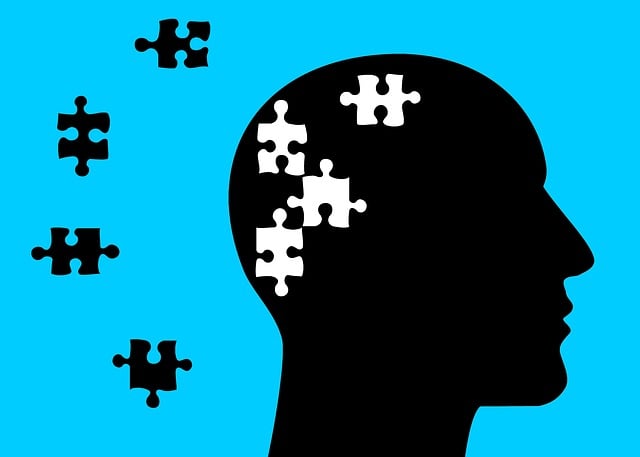
- Phenylalanine as the Precursor: Phenylalanine serves as the starting point for a crucial biochemical pathway. It undergoes a conversion process mediated by the enzyme phenylalanine hydroxylase.
- Tyrosine: The Bridge Molecule: This conversion transforms phenylalanine into tyrosine, another amino acid. Tyrosine then acts as the foundation for the production of several key neurotransmitters.
- Essential Neurotransmitters: These neurotransmitters, including dopamine, norepinephrine, and epinephrine, significantly influence mood regulation, cognitive function (memory, focus), and overall neurological health.
2. Potential Impact on Mental Well-Being
By supporting the production of these neurotransmitters, phenylalanine may indirectly influence cognitive function and mental well-being. However, more research is needed to fully understand the extent of this impact.
Phenylalanine & Potential Mood Effects
Influence on Mood Regulation
Phenylalanine significantly influences mood regulation through its role in neurotransmitter synthesis. It converts into tyrosine, a precursor for dopamine, norepinephrine, and epinephrine. These neurotransmitters are fundamental to mood modulation, supported by extensive research, highlighting phenylalanine’s essential role in maintaining mental health.
Potential in Mood Disorders
- Depression
As a precursor to mood-regulating neurotransmitters like serotonin and dopamine, phenylalanine presents a potential avenue for addressing depression. These neurotransmitters are crucial for emotional well-being. While phenylalanine alone cannot cure depression, incorporating it into the diet may offer some benefits for certain individuals. However, depression is a complex condition requiring professional intervention for accurate diagnosis and treatment. - Anxiety Management
Phenylalanine’s role in the production of GABA, a neurotransmitter linked to anxiety regulation, suggests its potential supportive effects in managing anxiety. Though not a standalone solution for anxiety, exploring the benefits of phenylalanine may be worthwhile. Nevertheless, it is essential to seek professional guidance and implement comprehensive anxiety management strategies.
Muscle Repair: The Role of Phenylalanine
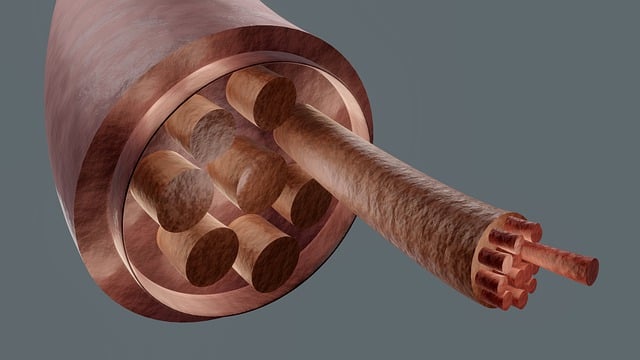
Phenylalanine, an essential amino acid, plays a significant role in muscle repair and growth. Here’s a closer look at its contributions:
Building Blocks for Recovery
- Protein Synthesis Powerhouse: Phenylalanine is a crucial building block for protein synthesis, enabling the creation and repair of muscle proteins. Adequate phenylalanine intake is essential for muscle repair after exercise.
- Essential Amino Acid: While phenylalanine is important, optimal protein synthesis requires all 20 essential amino acids in the right proportions.
Post-Workout Support
- Strategic Nutrition: Consuming protein sources rich in essential amino acids, including phenylalanine, after workouts can aid recovery. Excellent choices include lean meats like chicken and turkey, fish, eggs, and plant-based proteins like soy products.
- Beyond Phenylalanine: Other Branched-Chain Amino Acids (BCAAs), such as leucine, might have a greater impact on reducing muscle soreness and stimulating muscle protein synthesis compared to phenylalanine alone.
The Bigger Picture: Beyond Building Blocks
- Metabolic Pathways: Phenylalanine’s role extends beyond protein synthesis. It can be converted into tyrosine, which is involved in energy production and the synthesis of hormones and neurotransmitters that may indirectly influence muscle function and recovery.
Phenylalanine Metabolism: How Your Body Processes It
Phenylalanine undergoes a complex metabolic process that highlights its importance in various physiological functions. Here’s a closer look at how your body processes this essential amino acid:
- Conversion to Tyrosine
Once consumed, phenylalanine is primarily converted into another amino acid called tyrosine through the action of the enzyme phenylalanine hydroxylase. Tyrosine serves as a precursor for critical neurotransmitters, including dopamine, norepinephrine, and epinephrine, which are vital for mood regulation, stress response, and cognitive functions. - Involvement in Protein Synthesis
Phenylalanine is also directly incorporated into proteins during the process of protein synthesis. It acts as one of the building blocks that help form structural and functional proteins necessary for muscle growth, tissue repair, and enzyme production. - Phenylalanine in the Phenylalanine-Tyrosine Pathway
This metabolic pathway doesn’t just stop at neurotransmitter production. Tyrosine derived from phenylalanine is further involved in the synthesis of hormones such as thyroxine, which plays a role in regulating metabolism, growth, and development. - Impact of Metabolic Disorders
In individuals with phenylketonuria (PKU), a genetic disorder, the body lacks sufficient phenylalanine hydroxylase, leading to the accumulation of phenylalanine. This can cause neurotoxic effects if not properly managed through dietary restrictions. - Excretion of Excess Phenylalanine
Any excess phenylalanine not used for protein synthesis or neurotransmitter production is broken down into byproducts and excreted from the body, primarily through urine. This process ensures that phenylalanine levels remain balanced, preventing potential toxicity.
Phenylalanine Deficiency: Symptoms, Causes, and Management
Phenylalanine, an essential amino acid, plays a vital role in the body. However, deficiency or excessive intake can lead to health concerns. This section will explore both sides of the coin:
1. Signs of Phenylalanine Deficiency:
- Fatigue and Low Energy: Feeling tired and lacking motivation can be a sign your body needs more phenylalanine for protein synthesis and energy production.
- Mood Swings and Concentration Issues: Difficulty concentrating and experiencing mood fluctuations might also indicate a deficiency.
2. Causes of Phenylalanine Deficiency:
- Dietary Inadequacy: While uncommon, strict vegetarian or vegan diets lacking sufficient protein sources could lead to deficiencies.
- Medical Conditions: Certain medical conditions that affect protein absorption can also contribute to phenylalanine deficiency.
3. Management of Deficiency:
- Consulting a Healthcare Professional: Diagnosis is crucial, and a healthcare professional can assess your specific needs and recommend a suitable diet or supplements.
4. Phenylalanine Sensitivity and PKU:
- Phenylketonuria (PKU): Individuals with PKU have a genetic disorder limiting their ability to process phenylalanine. Consuming high-phenylalanine foods can have severe health consequences.
- Importance of a Low-Phenylalanine Diet: For PKU patients, a strictly managed diet low in phenylalanine and close monitoring by a healthcare professional are essential.
5. Potential Side Effects of Excessive Phenylalanine Intake:
- Headaches and Blood Pressure: Generally safe in natural food sources, excessive intake through supplements or artificial sweeteners containing phenylalanine (like aspartame) can lead to headaches and potentially elevated blood pressure.
- Cardiovascular Risks: In rare cases, very high intake might be linked to an increased risk of cardiovascular issues.
6. Moderation and Consultation:
- Balance is Key: Most individuals can safely consume phenylalanine through natural food sources.
- Consult a Healthcare Professional: It’s always best to discuss any concerns or supplement use with a healthcare professional before making changes to your diet.