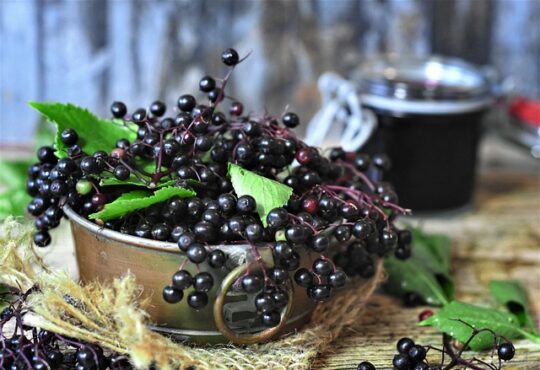



Overview of the Genus Pistacia
The genus Pistacia belongs to the Anacardiaceae family, commonly known as the sumac or cashew family. This family comprises several economically significant genera, including sumac, mango, poison ivy, smoke tree, cashew, and pistachio. Pistacia includes around 20 species, notable ones being Pistacia lentiscus (mastic tree), Pistacia vera (known for pistachio nuts), Pistacia terebinthus (source of terebinth resin), and Pistacia chinensis (Chinese pistache, often used as a decorative tree).
Pistacia lentiscus (Mastic Tree)
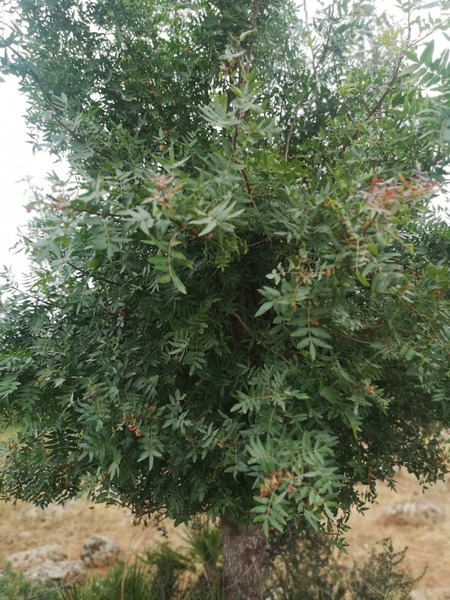
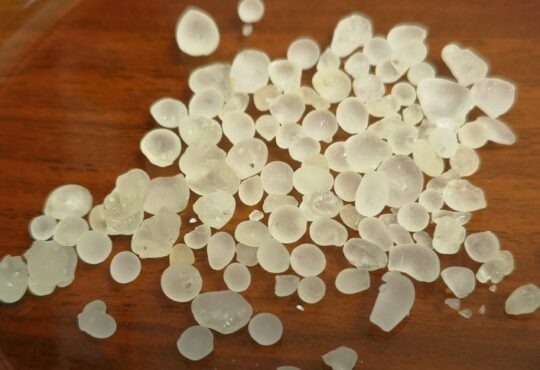
Pistacia lentiscus, or the mastic tree, is native to the Mediterranean region and is particularly renowned for its aromatic resin, known as mastic gum. While the Greek island of Chios is famous for its cultivated mastic gum, the tree itself thrives in Morocco’s areas. There, the gum extracted is known as “Lmeska l’Hora,” translating to “the authentic gum,” highlighting its valued status.
Mastic gum has a variety of traditional uses in cosmetics, oral hygiene products, as a spice, and in the treatment of ailments like diabetes, gastrointestinal issues, dental decay, and high cholesterol levels. Its applications extend to dermatological products, toothpastes, beverages, and food products.
Pistacia Species in Morocco
In Morocco, several Pistacia species are found, including:
- Pistacia lentiscus: Commonly found in Mediterranean areas.
- Pistacia atlantica: Known for its ability to thrive in arid regions.
- Pistacia terebinthus: Found in different parts of the country.
Main Chemical Components in Pistacia lentiscus
Pistacia lentiscus is rich in a variety of bioactive compounds contributing to its potential health benefits. Here’s a breakdown of the two major categories and some key examples:
Monoterpenes (Most Abundant):
- Responsible for the resin’s characteristic aroma.
- Examples: Pinene (anti-inflammatory, bronchodilator), Myrcene (analgesic, anti-inflammatory), Limonene (anti-inflammatory, antioxidant, potential anticancer).
Phenolic Compounds (Antioxidant and Anticancer Properties):
- Examples:
- Gallic Acid (antioxidant, antimicrobial, anticancer).
- Quercetin (anti-inflammatory, antioxidant, anticancer).
- Myricetin (antioxidant, anti-inflammatory, anticancer).
- Luteolin (anti-inflammatory, antioxidant, anticancer).
- Kaempferol (antioxidant, anti-inflammatory, anticancer).
Additional Bioactive Compounds:
- Sesquiterpenes: Beta-caryophyllene (anti-inflammatory, antimicrobial, analgesic), Caryophyllene oxide (antifungal, anti-inflammatory).
- Monoterpenols: Linalool (antimicrobial, anti-inflammatory, anxiolytic), Alpha-terpineol (antioxidant, antimicrobial, anti-inflammatory).
- Esters: Bornyl acetate (anti-inflammatory, analgesic).
- Ketones: Pulegone (antimicrobial, insect-repellent).
- Sesquiterpenols: Caryophyllene oxide (antifungal, anti-inflammatory).
Minerals: Calcium, magnesium, potassium, iron, zinc, copper (Mastic Gum), calcium, magnesium, potassium, manganese (Leaves), iron, zinc (Berries).
Vitamins: Vitamin C, various B vitamins (Mastic Gum), vitamin C, E (Leaves), B1, B2, B3, B6 (Berries).
Pistacia lentiscus: Potential Health Benefits
Pistacia lentiscus, a versatile plant, offers a wealth of potential health benefits. Here’s a breakdown of its key properties, explained in clear terms:
Antioxidant Activity: Pistacia species, like P. lentiscus and P. atlantica, show strong antioxidant properties, protecting against cell damage caused by free radicals. Their resins and fruits contain compounds that scavenge harmful radicals, potentially reducing the risk of diseases like cancer and heart problems.
Antimicrobial and Antiviral Activities: These species also fight off bacteria, viruses, and fungi. Their gums and essential oils, especially those containing α-pinene and verbenone, can kill harmful microbes like Helicobacter pylori and Candida species. This makes them useful in treating infections.
Anti-Inflammatory and Pain-Relief Effects: Pistacia extracts, such as those from P. terebinthus and P. lentiscus, have anti-inflammatory properties, helping to reduce swelling and pain. This could be beneficial for conditions like arthritis.
Gastrointestinal Benefits: Traditionally used for stomach issues, Pistacia gums and oils have been shown to protect the stomach lining and fight harmful bacteria like H. pylori. They may help ease symptoms of conditions like dyspepsia and colitis.
Blood Sugar Control: Certain Pistacia extracts, have been found to lower blood sugar levels, which could be helpful for managing diabetes.
Cancer-Fighting Potential: Studies suggest that P. lentiscus gum and oil may inhibit the growth of cancer cells, making them potential allies in the fight against cancer. However, high doses may not be beneficial and could even promote liver issues.
Liver and Heart Health: Pistacia extracts have been shown to protect the liver from damage and improve cholesterol levels, which could benefit heart health and reduce the risk of atherosclerosis.
Brain Health: Some Pistacia extracts demonstrate the ability to inhibit enzymes associated with Alzheimer’s disease, potentially offering protection against cognitive decline.
Lentisk Oil: A Mediterranean Gem
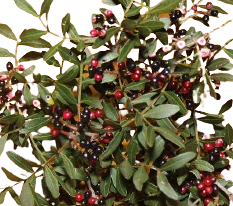
Lentisk oil, a golden-green liquid treasure, is extracted from the lentisk tree’s fruit (Pistacia lentiscus). It’s a staple in the Mediterranean, traditionally used for centuries, especially by women in Italy, Tunisia, Algeria, and Morocco.
Unique Properties
- Lentisk oil boasts a distinct aroma and fascinating chemistry. Its low acidity and specific refractive index indicate high quality and stability.
- Packed with minerals like sodium and potassium, it’s rich in fats, with over 70% being unsaturated fatty acids (oleic acid leading the pack).
- The oil is a treasure trove of triglycerides, sterols (dominated by β-sitosterol), and potent antioxidants called phenols. Recent research has unveiled even more complex components, hinting at its vast potential.
Traditional Uses: A Legacy of Healing
- Lentisk oil’s anti-inflammatory and antimicrobial properties have made it a mainstay in traditional medicine for centuries.
- It soothes skin irritations, promotes wound healing, and is effective for burns and respiratory issues like bronchitis.
- Modern advancements like liposomes have improved the oil’s efficacy for topical applications.
Modern Discoveries and Potential Benefits
- Beyond tradition, lentisk oil’s unique composition offers exciting possibilities.
- The presence of palmitoleic acid suggests benefits for muscle function and liver health.
- Its complex lipids exhibit a range of promising properties, including anti-inflammatory, antimicrobial, and even anticancer effects.
- Research even indicates protection against environmental toxins and certain chemotherapy drugs.
- While its strong flavor limits culinary use, lentisk oil’s potential for promoting overall health is significant.
Mediterranean Dishes Using Lentisk Flavor
- Lentisk Bread and Pies – Traditional bread and pies made with lentisk berries soaked in water, commonly found in Cyprus and Greek islands like Kasos, Naxos, and Crete.
- Fermented Milk with Lentisk Leaves – Lentisk leaves are used to flavor fermented milk in Mediterranean cuisine, adding a unique taste to the beverage.
- Lentisk-Flavored Ice Cream – In Greece and other Mediterranean countries, lentisk resin or berries are used to flavor homemade ice cream, providing a refreshing and aromatic twist.
- Lentisk Liqueur: Known as “Liquore di Lentisco” in Italy, “Sakiz Rakisi” in Turkey, and “Mastichato ” or “Mastiha” in Greece, this aromatic liqueur is flavored with lentisk resin or Mastiha from Chios. Enjoyed as a post-dinner digestif, it carries a distinct aroma and flavor appreciated in these Mediterranean countries.
- Lentisk-Infused Jams and Preserves – Berries or resin from the lentisk tree are used to infuse jams and preserves with a subtle, earthy flavor, commonly enjoyed as a spread on bread or pastries.
- Traditional Pastries with Lentisk Gum – Lentisk gum is incorporated into pastries and desserts across the Mediterranean, adding a chewy texture and aromatic flavor to treats like cookies, biscuits, and cakes.
- Lentisk-Flavored Coffee – Ground lentisk resin or berries are sometimes added to coffee grounds before brewing, infusing the beverage with a hint of piney sweetness.
- Lentisk-Infused Savory Dishes – Lentisk leaves or resin are occasionally used to flavor savory dishes like stews, soups, and grilled meats, adding depth and complexity to the flavors.
- Mastic Bread: Mastic bread is a traditional recipe that incorporates mastic resin into the bread dough. This bread is popular in Cyprus and other Mediterranean regions. The mastic resin adds a unique flavor and aroma to the bread, making it both delicious and aromatic.
- Mastic Flavored Sausages: In Cyprus, mastic resin is often used as a flavoring in sausages. The resin is ground into a powder and mixed with other spices and ingredients to create flavorful sausages with a distinctive taste. The addition of mastic resin enhances the flavor profile of the sausages and gives them a unique Mediterranean twist.