


What is Potassium?
Forget just bananas! Potassium is a dynamo mineral that plays a starring role in our health. It’s like a cellular conductor, orchestrating fluid balance, healthy blood pressure, and proper muscle and nerve function.
Here’s the shocker: many of us are missing out on this wellness warrior. Our bodies can’t manufacture potassium, so we need to get it from our diet. Fruits, vegetables, nuts, beans, and even dairy are all potassium powerhouses.
The not-so-secret weapon? Variety is key! While a balanced diet can cover our daily needs, many Americans fall short. By making conscious choices to include a rainbow of potassium-rich options, we can ensure our bodies have the optimal levels they crave for peak performance.
Health Benefits of Potassium: Enhancing Overall Well-being
Potassium: A Crucial Mineral for Cellular Function and Health
Potassium is the dominant positively charged ion (cation) within our cells. Around 90% resides inside cells, with only 10% in the fluid surrounding cells and a tiny 1% in the blood plasma. Similar to sodium, potassium’s concentration in the bloodstream is tightly controlled. The hormone aldosterone plays a key role, with other hormones like insulin also contributing.
Blood Pressure Regulation:
- Balancing Act: Potassium acts as a conductor for fluid balance, influencing how much fluid our body retains and excretes.
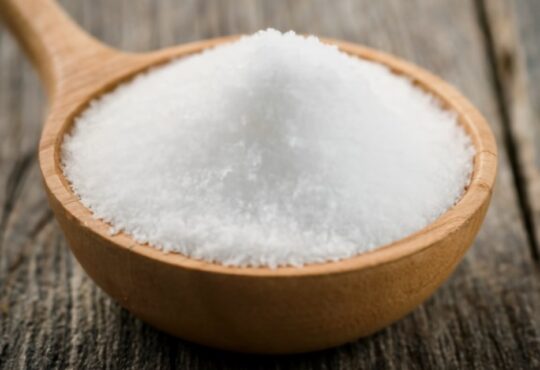
- Water Retention Woes: Too much retained fluid elevates blood pressure. The kidneys, our body’s filtration system, rely on a delicate balance between sodium and potassium. Sodium, found in table salt, holds onto water and increases blood pressure. Consuming excessive salt disrupts this balance, making it harder for the kidneys to remove water. Including more potassium-rich foods in your diet helps restore this balance, promoting optimal kidney function and potentially lowering blood pressure.
Reduced Kidney Stone Risk:
- Calcium Conundrum: If you don’t get enough potassium, it can lead to increased calcium loss from your bones and higher calcium levels being excreted in your urine.
- Stone Formation: This creates an environment conducive to kidney stone formation.
Potential Bone Preservation:
- Bone Boost: Research suggests a link between a potassium-rich diet and bone health, particularly in older women.
- Osteoporosis Defense (Needs Further Study): Increasing potassium intake may play a role in preventing osteoporosis, but further studies are needed to confirm this definitively.
Treating Low Potassium (Hypokalemia):
- Replenishing Potassium: Potassium supplements are used to treat hypokalemia, a condition characterized by weakness, fatigue, muscle cramps, and abnormal heart rhythms.
- Causes Beyond Diet: Low potassium usually results from excessive loss through urine or the intestines, not necessarily from a dietary deficiency. Due to its potentially life-threatening nature, hypokalemia requires medical attention.
Heart Disease and Stroke:
- Sodium-Potassium Ratio: Studies suggest a higher ratio of sodium to potassium in your diet is linked to an increased risk of heart disease and death.
- Potassium for Heart Health: For heart attack patients, having moderate potassium levels (between 3.5 and 4.5 mEq/L) is associated with a lower risk of death. Additionally, higher dietary potassium intake appears to reduce the risk of stroke, particularly ischemic stroke. However, it’s important to note that potassium supplements may not offer the same benefit.
Inflammatory Bowel Disease (IBD):
- Nutrient Absorption Challenges: People with IBD may have difficulty absorbing nutrients, which can lead to low potassium levels.
- Monitoring and Supplementation: If you have IBD, your doctor may monitor your potassium levels and recommend supplementation if needed.
Potassium Deficiency: Don’t Let Your Body Fall Short
Potassium, a crucial mineral, plays a starring role in various bodily functions. However, when potassium levels dip, a cast of unwelcome symptoms can take center stage.
Warning Signs of Low Potassium:
- Fatigue: Feeling constantly drained or lacking energy can be a red flag for potassium deficiency.
- Muscle Woes: Frequent muscle cramps, weakness, or twitches might indicate insufficient potassium.
- Digestive Disruptions: Constipation and other digestive issues can sometimes be linked to low potassium levels.
- Heart Rhythm Irregularities: In severe cases, potassium deficiency can lead to concerning heart rhythm disturbances.
Potential Health Risks of Untreated Deficiency:
- High Blood Pressure: Potassium helps regulate blood pressure, so a deficiency can contribute to dangerously high levels.
- Kidney Stones: Low potassium may increase your risk of developing kidney stones.
- Stroke Risk: Studies suggest a link between potassium deficiency and an increased risk of stroke.
Understanding Potassium Imbalance:
Hypokalemia (Low Potassium): This occurs when your potassium levels fall below the recommended range. Symptoms can include muscle weakness, fatigue, and even heart palpitations.
Hyperkalemia (High Potassium): While less common, this condition arises when potassium levels become excessively high. Muscle weakness, irregular heart rhythms, and kidney problems are potential consequences.
Maintaining a Potassium Balance:
Consulting a healthcare professional is crucial for diagnosing and treating potassium imbalances. However, incorporating potassium-rich foods like fruits, vegetables, nuts, and dairy into your diet can help prevent deficiencies.
Top Sources of Potassium: Incorporating it into Your Diet
Potassium, a superhero mineral, is vital for our well-being. But don’t worry about bland supplements – a delicious journey through potassium-rich foods awaits!
Fruity Powerhouses:
- Bananas (classic choice!): A medium banana boasts around 422mg of potassium.
- Citrus Celebration: Oranges, grapefruits, and even orange juice provide a refreshing and potassium-packed punch (around 237mg per medium orange).
- Dried Fruit Delights: Stock up on raisins, prunes, and apricots (around 1000mg per cup for dried apricots) for a potassium and fiber boost on the go.
- Melons and More: Cantaloupe, honeydew, and even tomato juice offer surprising amounts of potassium (around 200mg per cup for cantaloupe).
Veggie Champions:
- Sweet Potato Power: Bake, roast, or mash your way to a potassium bonanza with sweet potatoes (around 418mg per medium sweet potato).
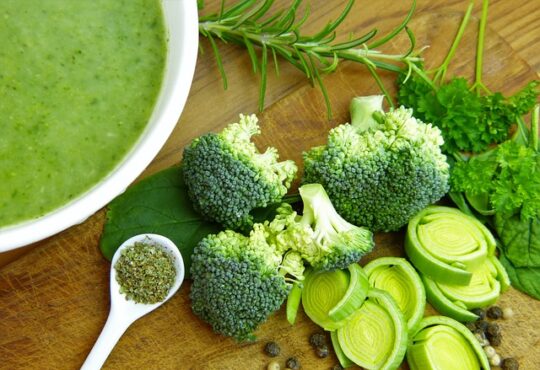
- Leafy Green Goodness: Spinach, kale, and collard greens are nutritional superstars, rich in potassium (around 700mg per cup cooked spinach).
- Sprouts for Vitality: Add a delightful crunch and potassium boost to salads or sandwiches with alfalfa, mung bean, or broccoli sprouts.
- Other Veggie Gems: Don’t forget about broccoli, asparagus, and even potatoes (around 621mg per medium potato with skin).
Beyond the Produce Aisle:
- Whole-Grain Wonders: Whole-wheat bread, pasta, and bran flakes pack a potassium punch alongside fiber (around 342mg per cup of bran flakes).
- Seeds: Tiny Titans of Potassium! Pumpkin seeds and flax seeds reign supreme when it comes to this vital mineral. Pumpkin seeds boast 13% more potassium than their flaxseed counterparts, packing a punch with 919mg per 100 grams. Flax seeds are no slouches either, offering a respectable 813mg of potassium per 100 grams.
- Nutty Delights: Almonds, macadamias, and pistachios are powerhouses of potassium, healthy fats, and protein (around 81mg per ounce of almonds).
- Dairy Duos: Low-fat yogurt and fat-free milk offer a convenient way to add potassium and calcium to your diet (around 387mg per cup of yogurt).
- Seafood Surprises: Salmon and tuna, fresh or canned in spring water, provide protein and a healthy dose of potassium (around 534mg per 3-ounce serving of cooked salmon).
- Bonus Picks: Mushrooms, eggs, and even a sprinkle of potassium chloride salt substitute can contribute to your daily potassium intake.
Recommended Daily Potassium Intake:
Now that you know where to find potassium, how much should you aim for? The recommended daily intake of potassium for adults is around 2,600-3,000 mg. However, individual needs may vary depending on factors like age, sex, and overall health. It’s always best to consult with a healthcare professional who can provide personalized advice based on your specific needs.