

Introduction to Pumpkin Seeds
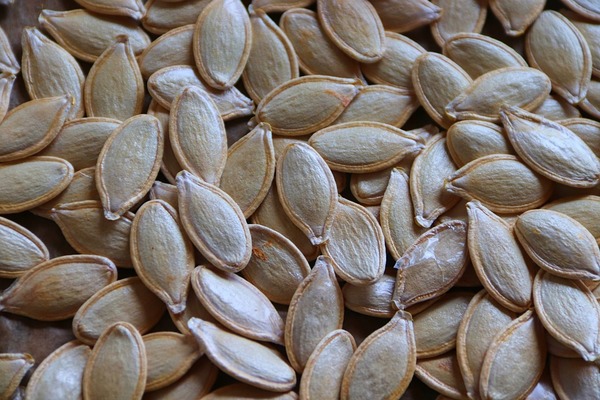
Pumpkin seeds, or pepitas, are more than just a snack; they are packed with nutrition. Rich in protein, healthy fats, and essential nutrients, they are a staple in health-conscious diets. Antioxidants like magnesium and phytosterols in pumpkin seeds are linked to prostate health. Research suggests that cucurbitacins, compounds in these seeds, may have anti-inflammatory properties and could help inhibit prostate cancer cell growth. Enjoy pumpkin seeds on their own or in meals to boost your nutritional intake.
Nutritional Profile of Pumpkin Seeds
Pumpkin seeds are loaded with nutrients that offer various health benefits. They are rich in minerals like magnesium, zinc, and iron, supporting heart health, blood sugar regulation, and immune function. High in antioxidants, pumpkin seeds help reduce inflammation and oxidative stress, lowering the risk of chronic diseases. With their protein and healthy fats, they make a satisfying snack that promotes satiety and aids in weight management. Adding pumpkin seeds to your diet can enhance overall wellness and provide essential nutrients for a healthy lifestyle.
Vitamins and Minerals
Pumpkin seeds are an excellent source of several key vitamins and minerals. A one-ounce (28 grams) serving of pumpkin seeds provides:
- Magnesium: 37% of the daily recommended intake
- Manganese: 23% of the daily recommended intake
- Phosphorus: 33% of the daily recommended intake
- Zinc: 14% of the daily recommended intake
- Copper: 19% of the daily recommended intake
- Iron: 23% of the daily recommended intake
Additionally, pumpkin seeds contain small amounts of other vitamins and minerals, including vitamin K, vitamin E, and potassium, which further contribute to their health benefits.
Pumpkin Seeds: A Macronutrient Marvel
Pumpkin seeds are a nutrient-dense food, rich in healthy fats, protein, and carbohydrates. Here’s a closer look at their macronutrient composition per one-ounce (28 grams) serving:
- Protein: Approximately 9 grams of protein per ounce, making them an excellent source of plant-based protein essential for muscle repair and growth.
- Fat: About 13 grams of fat per ounce, including a mix of healthy fats like omega-6 fatty acids that benefit heart health and help regulate inflammation.
- Carbohydrates: Around 5 grams of carbohydrates per ounce, with a lower net carbohydrate content due to their fiber content.
- Fiber: Approximately 1.7 grams per ounce, aiding in digestive health, blood sugar regulation, and promoting a feeling of fullness.
Pumpkin Seed Health Advantages
Pumpkin seeds are a nutritious and delicious snack that offers numerous health benefits. They are rich in protein, healthy fats, and essential nutrients that support heart health, aid digestion, and stabilize blood sugar levels. Additionally, the phytochemicals in pumpkin seeds may reduce the effects of dihydrotestosterone on the prostate and block the conversion of testosterone into dihydrotestosterone, potentially lowering the risk of prostate cancer. With their antioxidant properties and immune-boosting potential, pumpkin seeds are a versatile addition to any diet, promoting overall health and well-being.
Antioxidant Properties
Pumpkin seeds are rich in phytosterols, such as β-sitosterol, campesterol, and stigmasterol, which are plant compounds with potent antioxidant properties. These antioxidants contribute to the overall health benefits of pumpkin seeds, including support for heart health and prostate health. While the exact amount of phytosterols can vary, their presence underscores the significant role pumpkin seeds can play in a health-conscious diet.
Pumpkin Seeds: Power Up Your Heart Health and More
Pumpkin seeds are a nutritional powerhouse offering a surprising range of health benefits. Let’s delve into how these versatile seeds can contribute to your well-being:
Enhancing Cardiovascular Health:
- Magnesium for a Healthy Heart: Pumpkin seeds are an excellent source of magnesium, a mineral critical for regulating blood pressure and maintaining healthy heart function. Studies suggest sufficient magnesium intake may be linked to a reduced risk of heart disease and stroke.
- Phytosterols Lower Cholesterol: These plant-based compounds in pumpkin seeds have a structure similar to cholesterol. They competitively inhibit cholesterol absorption in the intestine, potentially lowering LDL (“bad”) cholesterol levels and promoting cardiovascular health.
- Nitric Oxide for Improved Blood Flow: Pumpkin seeds are rich in antioxidants that increase nitric oxide production in the body. Nitric oxide acts as a vasodilator, meaning it helps relax and widen blood vessels. This improved blood flow not only reduces the risk of arterial plaque formation and lowers blood pressure, but it may also contribute to erectile function in men by enhancing blood flow to the penis.
Improving Blood Sugar Control:
- Protein and Healthy Fats for Stability: The protein and healthy fat content of pumpkin seeds contribute to regulating blood sugar levels and preventing spikes in insulin. Research suggests they may also contain lignans, which enhance insulin sensitivity, potentially reducing the risk of type 2 diabetes.
Combating Inflammation:
- Antioxidant Powerhouse: Pumpkin seeds are rich in antioxidants such as carotenoids (e.g., beta-carotene), tocopherols (vitamin E), and phenolic acids (e.g., caffeic acid). These antioxidants play a role in reducing inflammation through various mechanisms.
- Carotenoids act as antioxidants, neutralizing free radicals that can trigger inflammation.
- Vitamin E protects cell membranes from oxidative damage, preventing inflammatory responses.
- Phenolic acids inhibit enzymes like cyclooxygenase (COX) and lipoxygenase (LOX) involved in producing inflammatory mediators.
Weight Management and Satiety
Protein and Fiber Impact on Satiety
Protein and fiber are essential nutrients known for their significant impact on satiety. Protein, recognized as the most satiating macronutrient, promotes feelings of fullness and reduces hunger. Similarly, fiber, which slows down digestion, extends the sensation of fullness over time.
Shell-free pumpkin seeds serve as an excellent source of both protein and fiber, with approximately 9 grams of protein and 1.7 grams of fiber in just one ounce. This nutrient profile makes them an ideal snack choice for individuals seeking to manage their weight and sustain satiety between meals.
Pumpkin Seeds in a Balanced Diet
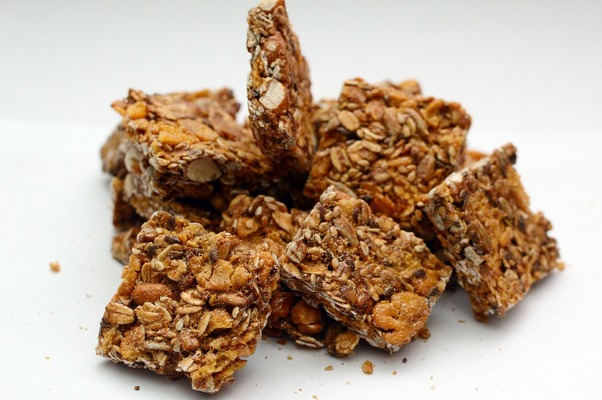
Incorporating pumpkin seeds into a balanced diet is pivotal for maximizing nutritional intake. It’s imperative to enjoy them in moderation alongside other nutrient-rich foods to uphold a well-rounded eating regimen. Consider incorporating pumpkin seeds into your daily diet by adding them to homemade granola made with a mix of seeds and nuts for a delightful crunch and added nutritional benefits. Additionally, explore a multitude of creative options such as adding them as a garnish atop salads or roasted vegetables, blending them into smoothies, or sprinkling them over oatmeal or yogurt for a delicious and nutritious boost.
Mental Health and Mood
Tryptophan and Serotonin Production: Pumpkin seeds are a good source of tryptophan, an essential amino acid that the body cannot produce on its own. Tryptophan is a precursor to serotonin, a neurotransmitter that regulates mood, appetite, and sleep. Serotonin deficiency is linked to depression, anxiety, and other mood disorders. Eating pumpkin seeds can help boost serotonin levels in the brain, which can improve mood and reduce symptoms of depression and anxiety.
In addition to tryptophan and magnesium, pumpkin seeds serve as a rich source of zinc, a vital micronutrient crucial for cognitive function and mental well-being. Zinc deficiency is closely associated with mood disorders such as depression and anxiety. Regular consumption of pumpkin seeds ensures adequate zinc levels, thus supporting optimal brain function and mental health.
Melatonin and Sleep Regulation: Although pumpkin seeds themselves do not contain melatonin, they contribute to the production of this hormone in the human body. Research conducted on rats revealed that ingestion of pumpkin seed oil elevated melatonin levels in the body, resulting in improved sleep quality.
Magnesium’s Role in Sleep: Pumpkin seeds are a prime source of magnesium, an essential mineral crucial for regulating sleep patterns. Magnesium exerts a calming effect on the nervous system, mitigating stress and anxiety levels, both of which can impede sleep quality. Given that magnesium deficiency has been implicated in insomnia, incorporating pumpkin seeds into one’s diet can prove instrumental in promoting restorative sleep.
Pumpkin Seeds and Bone Health
Mineral Density and Osteoporosis Prevention
Osteoporosis, characterized by bone weakening and brittleness, elevates fracture susceptibility. Magnesium, pivotal for bone health, is a key nutrient in osteoporosis prevention, and pumpkin seeds offer an abundant source of this mineral. Magnesium plays a critical role in maintaining bone integrity by regulating calcium levels within the body.
Furthermore, pumpkin seeds provide a notable supply of zinc, another essential element for bone health. Zinc facilitates collagen production, a fundamental protein contributing to bone structure and resilience.
Calcium and Magnesium Role
Calcium is another important nutrient for bone health, and pumpkin seeds contain a significant amount of this mineral as well. Calcium is essential for building and maintaining strong bones, and it works together with magnesium to keep bones healthy.
A study found that consuming pumpkin seeds regularly can help increase bone mineral density, which is a measure of the amount of minerals, such as calcium and magnesium, in bones. This is important because higher bone mineral density is associated with a lower risk of osteoporosis and fractures.
Boosting Immunity with Pumpkin Seeds
Zinc and Immunity
Zinc, an indispensable mineral, is intricately involved in immune regulation, substantiated by numerous scientific studies.
- Research indicates that zinc is integral for the production and activation of various immune cells, including T cells, natural killer cells, and neutrophils, essential for combating infections.
- Studies have demonstrated that zinc deficiency compromises immune responses, leading to increased susceptibility to infections and impaired immune function.
- Pumpkin seeds, recognized as a rich source of dietary zinc, provide an easily accessible means to meet daily zinc requirements. A single ounce of pumpkin seeds furnishes nearly 20% of the recommended daily intake of zinc, facilitating immune cell production and bolstering immune defenses.
Antimicrobial Properties
Pumpkin seeds boast compounds known for their antimicrobial prowess, combating harmful bacteria and viruses. Among these, cucurbitacin exhibits antibacterial and antifungal qualities, while phytosterols showcase antiviral properties. These properties not only support immune function but also contribute to overall health. Incorporating pumpkin seeds into various dishes provides a flavorful means to bolster immunity. However, it’s crucial to remember that while pumpkin seeds offer benefits, a holistic approach to health, including regular exercise and adequate sleep, remains essential for optimal well-being.
Impact on Prostate and Bladder Health
Prostate Promise: Research suggests that pumpkin seed oil and extract may have beneficial effects on benign prostatic hyperplasia (BPH), a condition affecting the prostate gland. In clinical trials, both pumpkin seed oil and an ethanolic pumpkin seed extract showed promising results in reducing BPH symptoms, as measured by the International Prostate Symptom Score (IPSS). Additionally, in vivo experiments with pumpkin seed oil demonstrated potential in inhibiting testosterone-induced prostate hyperplasia. Furthermore, compounds found in cucurbitaceous plants, such as fig-leaf gourd, have shown cytotoxic effects that could help prevent excessive growth of hyperplastic prostate tissue. Overall, these findings suggest that pumpkin seeds and related compounds may hold promise as natural interventions for managing BPH symptoms and supporting prostate health.
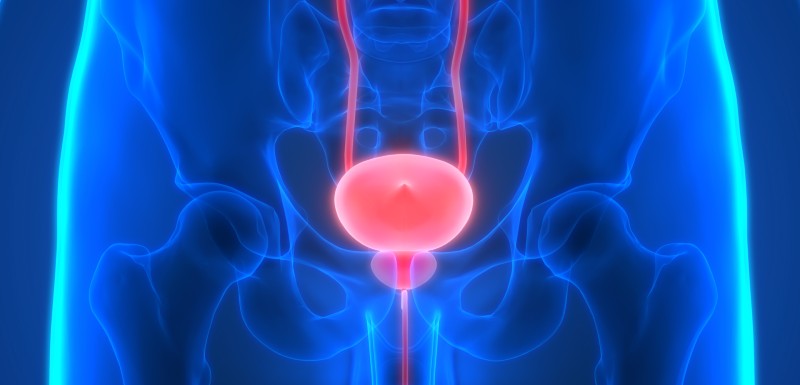
Urinary Tract Support: Pumpkin seeds offer more than just prostate health benefits; they also support urinary tract wellness. Packed with compounds that inhibit bacterial growth in the bladder and urethra, they lower the risk of urinary tract infections (UTIs). Additionally, their diuretic properties enhance urine flow, aiding in the elimination of bacteria. A study from Germany reinforces these advantages, showing that pumpkin seed extract significantly reduces UTI incidence and enhances overall urinary tract health. This underscores the potential of pumpkin seeds as a natural urinary tract remedy
Enhancing Skin and Hair Health
Skin Protection and Repair
Pumpkin seeds emerge as a powerhouse for skin health, boasting an array of antioxidants, notably vitamin E and carotenoids. These compounds effectively shield the skin from free radical damage, the primary culprits behind premature aging and various skin ailments. Studies have shown that antioxidants in pumpkin seeds neutralize free radicals, promoting skin resilience and vitality.
Moreover, the inclusion of zinc in pumpkin seeds further fortifies their skin-boosting prowess. Zinc plays a pivotal role in regulating sebum production, thus mitigating acne risk and fostering clear, balanced skin. Additionally, zinc aids in collagen synthesis, a key factor in maintaining skin elasticity and firmness. Clinical trials affirm the positive impact of zinc on skin health, highlighting its efficacy in addressing acne and supporting skin repair mechanisms.
Hair Growth and Strength
Pumpkin seeds serve as a natural elixir for robust and luscious locks, owing to their rich protein content. Proteins, the building blocks of hair, are integral for optimal hair growth and strength. Research confirms the importance of dietary protein in maintaining healthy hair, underscoring pumpkin seeds as a valuable source for supporting hair vitality.
Furthermore, the presence of biotin in pumpkin seeds adds another dimension to their hair-nourishing capabilities. Biotin, a crucial B vitamin, fortifies hair follicles and stimulates hair growth, as evidenced by numerous clinical studies. Additionally, the iron content in pumpkin seeds contributes to healthy hair growth and prevents hair loss, as iron deficiency is often associated with hair thinning and loss.
In conclusion, pumpkin seeds serve as a versatile and nutrient-rich addition to any diet. Their array of vitamins, minerals, and antioxidants supports various aspects of health, from heart function to skin rejuvenation. Studies highlight their potential for weight management and overall wellness. Incorporating pumpkin seeds into a balanced diet offers a convenient way to reap their numerous health benefits. So, whether enjoyed as a snack or added to meals, these seeds can contribute to a vibrant and nourished lifestyle.