


Moroccan Tea: A Journey Through Culture and Tradition
Morocco, a land steeped in cultural diversity, boasts a vibrant tea tradition that extends far beyond the ubiquitous cup of spearmint tea most readily associate with the country. While the refreshing fragrance of naânaâ (spearmint) and its delightful infusion, Atay b naânaâ, are iconic symbols of Moroccan hospitality, the true story of Moroccan tea is a tapestry woven with a surprising array of flavors and aromas.
This exploration delves into the hidden depths of Moroccan tea, revealing a treasure trove of over 20 unique options that transcend the typical spearmint experience. Prepare to be surprised by the sheer variety of herbs and botanicals traditionally incorporated into Moroccan tea, each offering a distinct taste profile and catering to a spectrum of preferences.
| Note: In Morocco, “tea” refers specifically to beverages made with tea leaves. This recipe features Gunpowder green tea as the base for a classic mint tea, a staple throughout the country. For an alternative herbal infusion (known as “Atay laashoub”), Moroccans use various herbs without any tea leaves. |
The Secret Herbs of Moroccan Mint Tea
Earthy & Minty Delights in a Teacup
1- Spearmint Tea (Naânaâ):
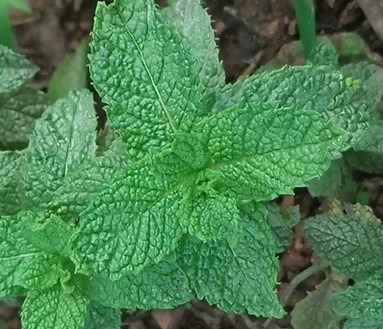
Spearmint, known as “Naânaâ” in Moroccan culture, is a vital component of Moroccan tea, locally referred to as “Atay b’ naânaâ.” Widely used all year round but particularly abundant in spring and summer, Naânaâ infuses the tea with its refreshing aroma and slightly sweet flavor, creating a revitalizing beverage cherished by Moroccans.
During warmer months, spearmint’s essence is at its peak, enhancing the tea with its invigorating freshness. However, its usage may decrease in winter due to cooler temperatures. Nevertheless, Naânaâ remains a beloved ingredient, symbolizing the timeless tradition of Moroccan tea culture and adding a touch of aromatic delight to every cup.
2- Wormwood Tea (Chiba):
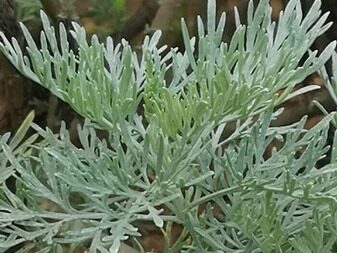
Highly esteemed in Moroccan culture, especially during winter, wormwood tea offers a unique blend of bitter and earthy flavors. Its presence in Moroccan tea, often surprising visitors with its subtle bitterness when mixed with mint, distinguishes Morocco as the sole country known for consuming wormwood tea. Despite the potential toxicity of thujone, wormwood is favored over mint for its enduring flavor and medicinal properties.
Wormwood tea holds a special place in Moroccan tradition, particularly during the winter months. Its distinct bitter and earthy notes contribute to its popularity, both on its own and when blended with mint in traditional Moroccan tea. While some may be surprised by its taste, wormwood’s enduring flavor and reputed medicinal benefits make it a preferred choice over mint, even with the presence of potentially harmful thujone.
3- Pennyroyal Tea ( Fliyou) :
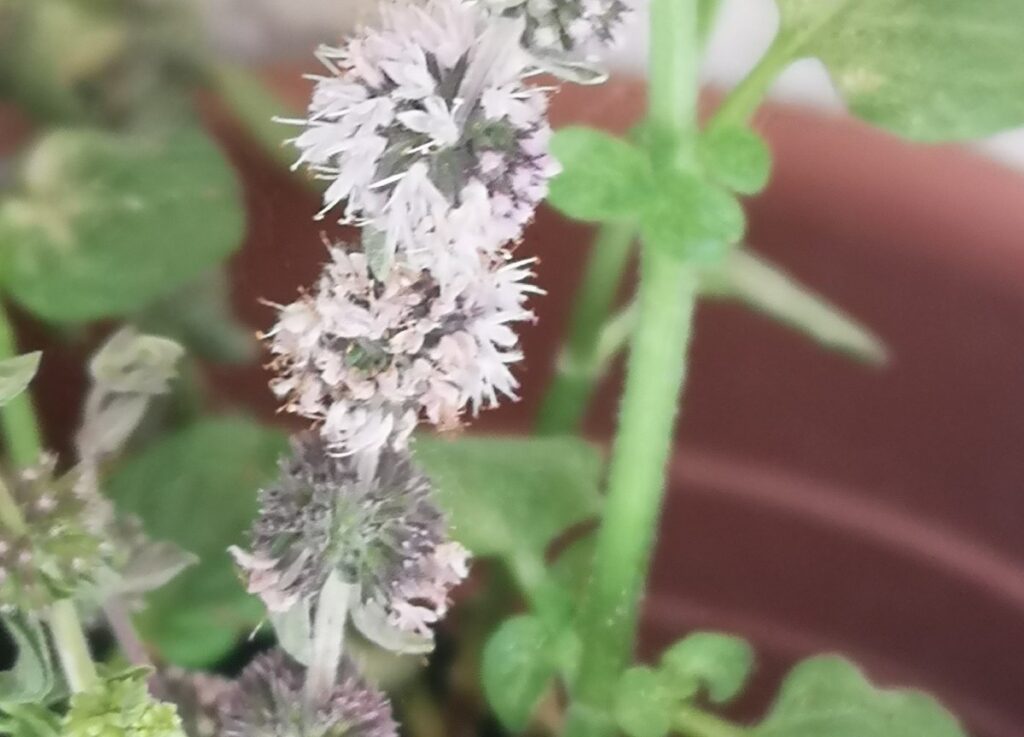
Morocco’s diverse ecosystems are a haven for a wealth of medicinal plants from the Lamiaceae family. Take, for example, the aromatic pennyroyal, known locally as Fliyou. This fragrant herb flourishes in three distinct varieties:
- Garden pennyroyal: Cultivated for its aromatic leaves in controlled environments, offering a reliable source of the herb’s essence.
- Mountain wild pennyroyal: Thriving in the rugged terrain, this variety adds a touch of the wild to the mix.
- Water wild pennyroyal: Found along riverbanks and streams, it brings a unique character shaped by its watery habitat.
Pennyroyal (Mentha pulegium) boasts a long history beyond the kitchen. Traditionally used for medicinal purposes, it can aid digestion and soothe respiratory issues. However, caution is key – pennyroyal contains high levels of pulegone, which can be toxic to the liver and kidneys in large amounts. Despite this, enjoyed responsibly, pennyroyal tea remains a treasured part of Moroccan tradition, offering a delightful flavor and potential health benefits.
4- Peppermint Tea (Naanaa Äabdi):
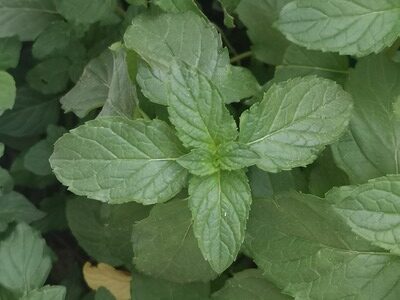
In Moroccan tea culture, a “khalta” refers to a special blend of various herbs, typically containing three to five different varieties.** Peppermint**, a key ingredient, is known in Morocco by the vernacular names “naânaâ âabdi” or simply “l’âabdi.” This fragrant herb adds its distinct flavor to the tea.
Unlike some cultures, Moroccans traditionally don’t use peppermint alone in their tea. The reason? Its intense aroma. By combining peppermint with other herbs, they ensure that only the subtle, desired essence of peppermint infuses the tea during preparation. This approach enhances the overall sensory experience by ensuring the peppermint complements the other herbs in the blend, rather than overpowering them.
5- Lesser Calamint Tea (Manta):
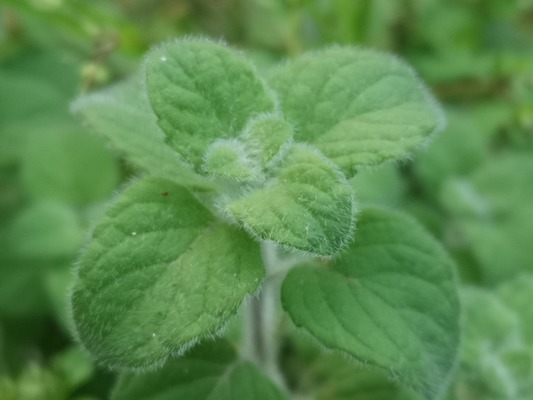
Lesser calamint, formerly known as Calamintha nepeta and now classified as Clinopodium nepeta, is also known as “manta” in most Moroccan cities or “nabta” in the north and west. This versatile plant is prized for both its culinary and medicinal properties.
Traditional Uses: Lesser calamint, known locally as “manta” or “nabta,” has been a cherished companion for mountain dwellers and shepherds traversing Morocco’s rugged landscapes for centuries. Revered for its invigorating aroma and purported health benefits, this resilient herb has become an integral part of their diets and daily routines, offering sustenance and vitality during their arduous journeys.^(1)
^(1) Noramine, Khalil. Medicinale and Edible Plants of Morocco. 2023, pp. 30-31.
6- Apple Mint Tea ( Marssita):
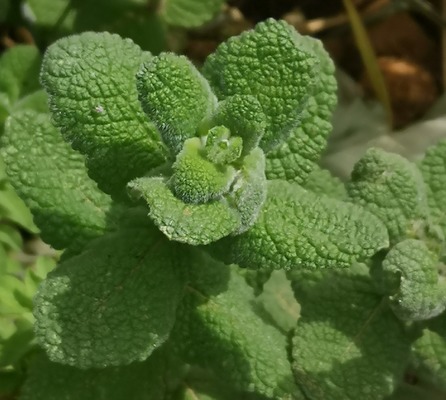
Apple mint (Mentha suaveolens), a cherished herb in Moroccan cuisine, is employed in the preparation of a popular bread known as harsha marssita (semolina bread infused with apple mint leaves). This versatile plant’s aromatic properties are documented in the reference text “Medicinal and Edible Plants of Morocco”, where its ability to enhance the flavor profile of dishes such as couscous and zamita (ground wheat and barley infused with medicinal herbs) is highlighted. Additionally, the text notes its use in flavoring olives and dried figs.
While not traditionally included in Moroccan tea blends, some individuals incorporate apple mint leaves into their tea for the enjoyment of its pleasant aroma and potential health benefits. These leaves are often combined with other fragrant herbs to create a more complex flavor profile. Furthermore, apple mint is commonly consumed as an herbal tea, valued for its purported digestive properties.
Citrusy Twists
7-Lemon Verbena Tea (Louiza):
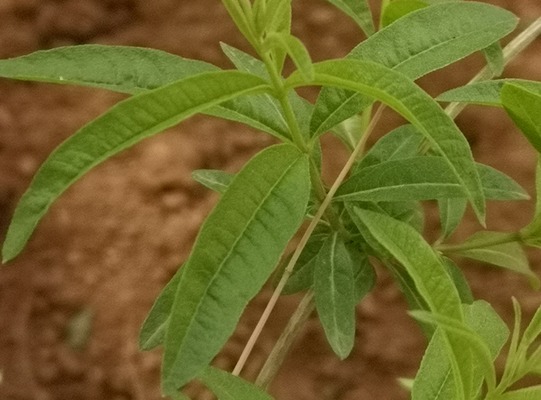
Lemon verbena (Aloysia triphilia), known as louiza in Morocco, has become a delightful addition to the country’s herbal tradition. This introduced plant thrives in various regions of Morocco and can be readily found in souks and stores, either fresh or dried. Prized for its medicinal properties, louiza is a favorite among Moroccan mothers. They rely on its therapeutic benefits to soothe gastrointestinal issues in their children.
Beyond its medicinal value, louiza is also appreciated for its calming and relaxing properties. It’s a common sight in Moroccan homes and cafes, enjoyed as a simple leaf infusion or incorporated into tea blends for a more complex flavor profile. This versatility makes louiza a popular choice for those seeking a natural way to unwind and de-stress.
8- Lemon Catnip Tea (Hbaq, Hbeqa): Clearing Up a Mistaken Identity
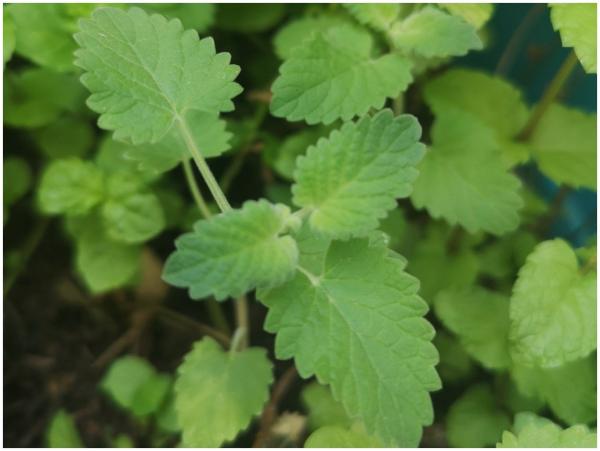
Cultivated Confusion: Lemon Catnip (Nepeta cataria var. citriodora) is a ubiquitous presence in Moroccan souks, known as Hbaq or Hbeqa. Despite its widespread use, the herb’s name frequently leads to confusion among both street vendors and customers. This mistaken identity arises from the plant’s characteristic lemony aroma and, in some cases, its texture. Lemon Catnip is often misidentified as other aromatic herbs, such as Lemon Balm (Melissa officinalis), Apple Mint, Wooly Mint (Mentha suaveolens), or even Lemon Verbena (Louiza).
Introduced Treasure: Lemon Catnip, or more accurately Lemon Catmint, is undoubtedly an introduced plant to Morocco. Author Khalil Noramine, in his book “Medicinal and Edible Plants of Morocco” (pages 53-54), details its likely arrival during the French protectorate period. Despite its foreign origin, Lemon Catnip has seamlessly integrated into Moroccan herbal traditions, becoming a cherished element.
Beyond the Name: A Beloved Herb: The confusion surrounding its name does little to diminish the affection Moroccans hold for Lemon Catnip. More precisely classified as Nepeta cataria citriodora, this herb is valued for its refreshing lemon scent and potential health benefits. It’s commonly enjoyed as a simple tea infusion or blended with mint to create a more complex flavor profile. Popular in regions like the Middle Atlas, Fes, and Meknes, with Marrakech included, it sometimes goes by alternative names such as Hbaq Zidani or Hbaq Lmssouef.
Floral Infusions
9-Spearmint and Rose Petal Tea:
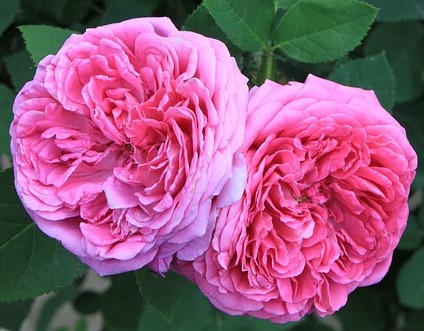
During the blooming season of Rosa damascena roses (known as “ward l’beldi” in Morocco), a delightful tradition unfolds in regions where these roses are abundant. Moroccans embrace the opportunity to infuse their customary beverage, spearmint tea, with the exclusive aroma of these roses. Everywhere tea is served in these areas, rose buds are placed beside the teapot, and then a few rose petals or buds are added to the pot for infusion. This widespread practice, particularly during spring, transforms the everyday cup of spearmint tea into a delightful blend of minty and floral notes.
10-Spearmint Tea with Sour Orange Blossom ( Zhar):
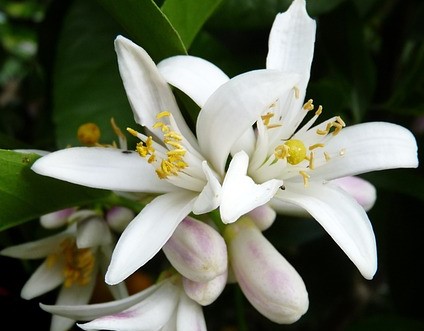
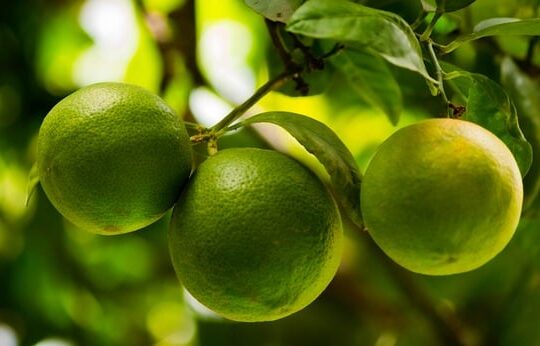
Morocco offers a delightful twist on a classic beverage – spearmint tea infused with bitter orange blossom, known locally as “zhar.” This fragrant addition comes from the fresh floral buds of Citrus aurantium amara, the same plant that yields the renowned neroli oil. Traditionally, Moroccans use these fresh blossoms to create a delightful aromatic experience in their tea.
While “Ma ‘Zhar” (neroli water) is a popular ingredient in Moroccan pastries and culinary delights, it’s not typically used in tea. The fresh buds offer a more intense and direct floral aroma compared to the water.
The preparation is simple. Brew your spearmint tea as usual. Then, according to your taste preference, add the fresh floral buds directly to the teapot or individual glasses. Describing the sublime aroma that arises from this combination is a challenge – it’s truly an experience best savored firsthand. For those fortunate enough to have bitter orange trees nearby, recreating this sumptuous blend at home is a must!
11- Spearmint Tea with Jasmine Flowers ( Yassmine):
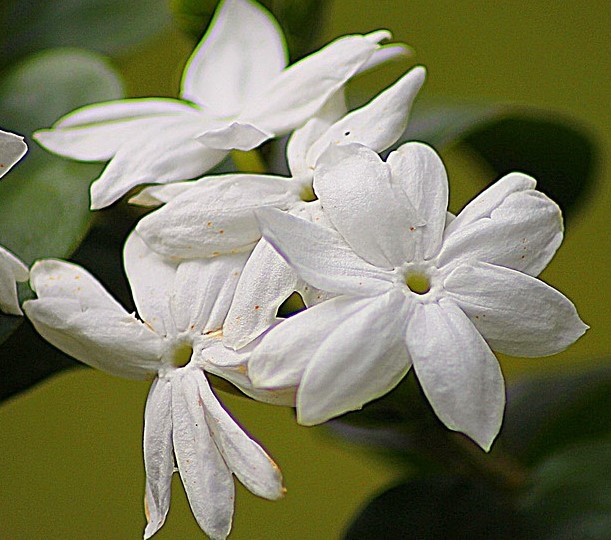
While jasmine tea isn’t a dominant tradition throughout Morocco, a delightful variation has emerged in some older cities. In Fes, Marrakech, and Rabat, particularly those with strong Andalusian influences, residents fortunate enough to have jasmine plants gracing their homes often incorporate the fragrant flowers into their tea rituals.
This twist on the classic Moroccan spearmint tea is quite simple. Residents add either fresh jasmine flowers directly to the teapot during steeping, or in some cases, dried jasmine flowers are mixed with the tea leaves beforehand. This simple addition infuses the tea with a delightful floral aroma, offering a charming variation on the beloved Moroccan beverage.
A Fusion of Flavors: Unveiling Morocco’s Crossbred Mints
Morocco’s addiction to mint extends beyond the traditional realm of spearmint. Within the country’s botanical tapestry lies a captivating array of mint hybrids. These hybrids are the result of crossbreeding, a process wherein two distinct varieties of mint, often within the same species, exchange pollen, leading to the creation of offspring with unique genetic traits (Noramine, Khalil. “Medicinal and Edible Plants of Morocco.” 2023, p. 83). This crossbreeding phenomenon is responsible for the diverse range of mint flavors and aromas found throughout Morocco, shaping the nation’s culinary and cultural landscape.
1. Naânaâ Mlaqem-Flioui: A Spearmint-Pennyroyal Fusion
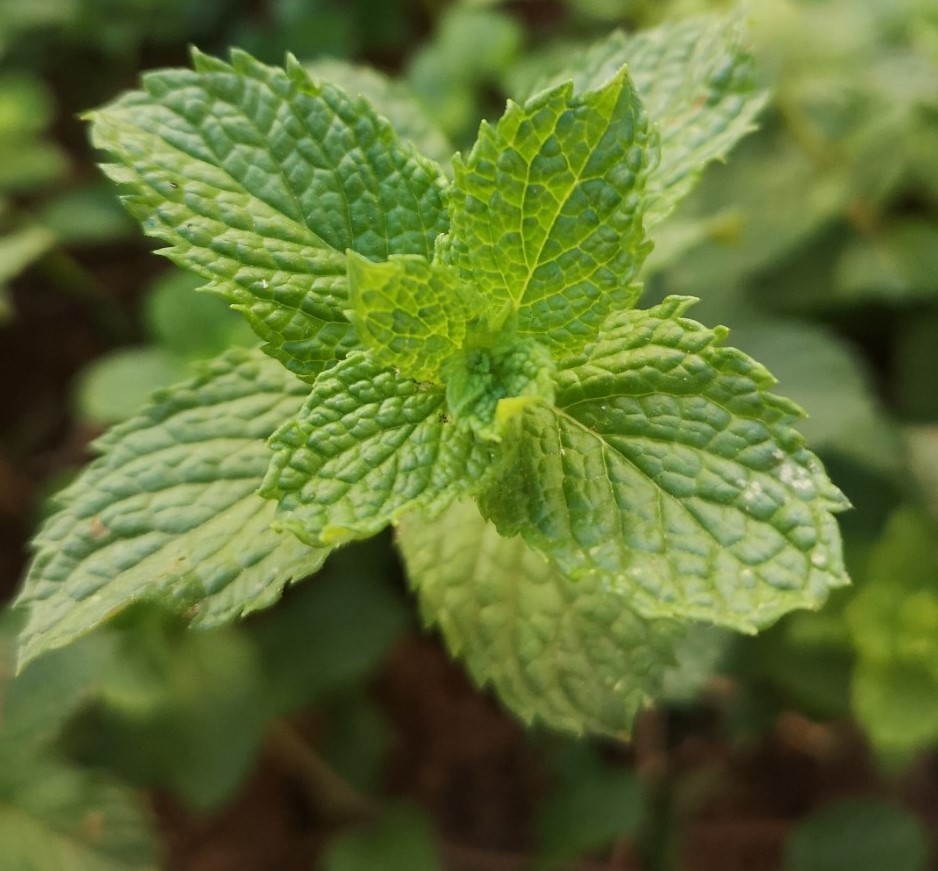
This captivating hybrid arises from the union of spearmint (Mentha spicata) and pennyroyal (Mentha pulegium). Naânaâ Mlaqem-Flioui bridges the gap between its parent plants, offering a captivating symphony of scents. The familiar aromatic qualities of spearmint intertwine with the distinctive notes of pennyroyal, creating a unique flavor profile prized in both culinary creations and traditional remedies.
2. Äabdi Mlaqem: A Fusion of Peppermint and Mentha pulegium
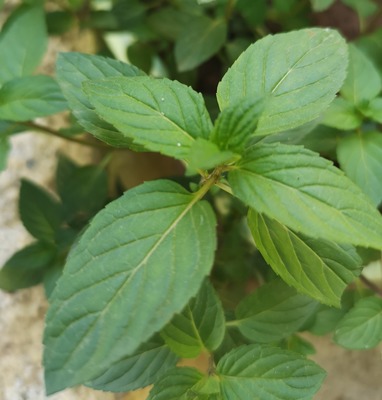
Äabdi Mlaqem stands as another testament to the potential of crossbreeding in cultivating unique and sought-after mint varieties. This intriguing hybrid takes peppermint (Mentha x piperita) and Mentha pulegium to another level, creating a novel cultivar. This fusion inherits the refreshing taste of peppermint alongside the distinct aroma of pennyroyal, making it a highly sought-after herb for its culinary and medicinal applications.
Interesting Note:
While not a focus of this exploration, it’s worth mentioning that due to the close proximity of plants sold by street vendors, occasional cross-pollination between mint and oregano (both members of the Lamiaceae family) might occur. This can result in hybrid mints with a subtle oregano-like scent. These unexpected finds add another layer of intrigue to the world of Moroccan mint varieties.