

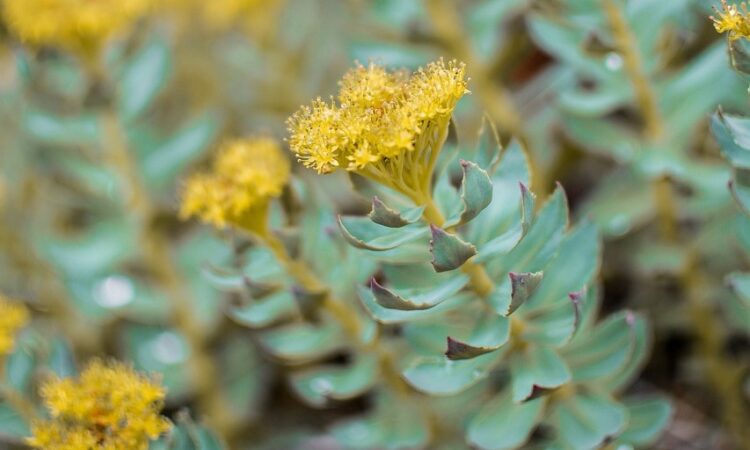
Rhodiola rosea, Золотой корень, 红景天, Rodiola, Ροδιόλα, Rhodiole rose, Rosenwurz, ロディオラ, Rodiola rosea, Altın Kök, Ruusujuuri, روديولا.
Rhodiola: A Resilient Powerhouse
Rhodiola rosea, a captivating perennial flowering plant from the Crassulaceae family, thrives in the frigid climates of Europe, Asia, and North America. Often referred to as golden root or Arctic root, it has enthralled botanists and herbalists for centuries.
A Legacy of Traditional Use: Rhodiola rosea boasts a rich history as a potent adaptogen. Adaptogens are natural substances believed to support the body’s response to stress, making Rhodiola rosea a cornerstone of traditional medicine systems worldwide.
Across Civilizations: A Multifaceted Ally
Delving into history reveals the diverse applications of Rhodiola rosea across various civilizations:
- Combating Altitude Sickness: This herb may have been used historically to alleviate the physical challenges experienced at high altitudes.
- Enhancing Stamina: Traditionally, Rhodiola rosea has been praised for its ability to improve physical endurance.
- Relieving Fatigue: Historical accounts suggest this plant may have been used as an ancient remedy to combat tiredness and promote vitality.
Cultural Symbolism: In Scandinavia, Rhodiola rosea transcends its medicinal properties. It is recognized as a powerful symbol of strength and resilience, further solidifying its global reputation as a revered botanical ally.
Russia’s Time-Honored Remedy: The enduring use of Rhodiola rosea in traditional Russian medicine underscores its significance as a time-tested solution for stress and depression. Even today, Russian doctors frequently prescribe it for its mood-boosting properties, highlighting its lasting legacy as a reliable herbal solution.
Key Active Ingredients in Rhodiola rosea
While Rhodiola rosea boasts a diverse chemical makeup, specific components are believed to be responsible for its adaptogenic properties. These key active ingredients reside within the L. roots and rhizome extracts:
- Phenolic Compounds: These are considered the heavy hitters, including rosavin, rosarin, rosin, tyrosol glucoside salidroside, and tyrosol. They are believed to contribute to Rhodiola rosea’s antioxidant, immunomodulatory, and anti-fatigue effects.
Beyond the Powerhouse:
Beyond these active ingredients, Rhodiola rosea possesses a broader chemical composition, including:
- Polyphenols: A wider category encompassing flavonoids, proanthocyanidines, tyrosol, and cinnamyl alcohol.
- Glycosides: These contribute to the overall chemical makeup of the plant.
- Organic Acids: Adding another layer of complexity to the plant’s composition.
- Essential Oils: Responsible for the aromatic properties of Rhodiola rosea.
- Sugars, Fats, Alcohols, and Proteins: Rounding out the plant’s diverse chemical profile.
Absolutely, here’s the improved version with the new order and headings:
Health Benefits of Rhodiola rosea
Rhodiola rosea boasts a range of intriguing properties, potentially impacting various aspects of human health. Let’s delve into the scientific exploration of these benefits, venturing beyond its well-known adaptogenic and stress-reducing effects:
1. Adaptogenic and Antifatigue Activity:
- Adaptogens: Rhodiola rosea is classified as an adaptogen, enhancing the body’s ability to manage stress and improve work performance.
- Antifatigue Effect: Studies suggest extracts can reduce fatigue, enhance mental performance, and decrease cortisol levels, particularly in those experiencing burnout or fatigue syndrome.
2. Antioxidative Activity:
- ROS Scavenging: Extracts and compounds like salidroside demonstrate antioxidant effects by scavenging free radicals (ROS), reducing oxidative stress, and enhancing antioxidant enzyme activity.
- Protection: These properties protect against cellular damage and diseases associated with oxidative stress.
3. Anti-Inflammatory Activity:
- Inhibition of Inflammation: Extracts and salidroside exhibit anti-inflammatory effects by suppressing proinflammatory factors, inhibiting cytokine production, and modulating inflammatory pathways.
- Protection: These properties make Rhodiola potentially beneficial for conditions involving inflammation-mediated diseases.
4. Antinociceptive Effect (Pain Relief):
- Analgesic Activity: Extracts demonstrate analgesic effects, alleviating pain in various models such as thermal pain, mechanical hyperalgesia, and formalin-induced pain behavior.
5. Boosting Physical Endurance and Performance:
- Improved Endurance: Rhodiola rosea has shown promise in improving endurance exercise performance, particularly in short-term applications.
- Increased Ventilation: Studies suggest that acute doses may contribute to better endurance, possibly by increasing pulmonary ventilation.
- Enhanced Training: Recent research on collegiate women indicated improved endurance and reduced heart rate during maximal training.
- Athletic Potential: These findings imply that Rhodiola rosea could be a valuable aid for athletes looking to boost aerobic capacity and overall physical performance.
Emerging Areas of Research: Exploring Rhodiola’s Potential
Beyond the established benefits, fascinating new areas of research are exploring Rhodiola’s potential impact on various health concerns:
6. Anticancer Activity:
- Rhodiola Extracts and Salidroside:
- Anti-proliferative Effects: Rhodiola imbricata aqueous extract and salidroside significantly reduce cell proliferation in various cancer cell lines, induce apoptosis, and arrest cell cycle progression.
- Intracellular ROS Inhibition: Salidroside inhibits intracellular ROS formation, suppresses tumor invasion, and reduces angiogenesis, highlighting its potential as an anticancer agent.
7. Antiviral Activity:
- Salidroside:
- Protection Against Viral Myocarditis: Salidroside provides protection against coxsackievirus B3-induced viral myocarditis, a heart muscle inflammation caused by a virus. Studies show it works in vitro (in laboratory conditions) and in vivo (in living organisms) by modulating the expression of various cytokines and enzymes. Additionally, it inhibits viral replication, offering potential therapeutic benefits in managing viral myocarditis.
8. Immune System Modulation:
- Immunostimulation: Extracts enhance immune responses by increasing immunoglobulin levels, stimulating cellular immunity, and improving antibody responses.
- Inflammatory Response: They also modulate inflammatory responses, inhibiting proinflammatory factors and promoting immune homeostasis.
9. Antidepressant Activity:
- Alleviation of Depression: Extracts like SHR-5 from Rhodiola rosea rhizomes demonstrate antidepressant effects by reducing depressive symptoms, regulating neurotransmitter levels, and attenuating inflammation associated with depression.
10. Skin Care and Whitening:
- Wound Healing: Extracts promote wound healing, increase cellular proliferation, and exhibit antioxidant activity, making them beneficial for skin care.
- Melanogenesis Regulation: Compounds like salidroside inhibit melanin synthesis, tyrosinase activity, and melanogenesis-related gene expression, offering potential for skin whitening and treatment of pigmentation disorders.
11. Protection Against Neuronal Disorders:
- Neuroprotection: Salidroside protects neurons from oxidative stress, reduces neuronal apoptosis, and improves mitochondrial function, offering therapeutic potential for neurodegenerative diseases like Parkinson’s.
- Behavioral Improvement: Salidroside improves behavioral dysfunction associated with neuronal disorders and enhances neuronal survival, suggesting neuroprotective effects.
12. Liver Protection:
- Rhodiola sachalinensis Extract: Studies have demonstrated that the methanolic extract from Rhodiola sachalinensis roots shields primary cultured mouse hepatocytes from D-galactosamine-induced cytotoxicity.
- Constituents: Key constituents such as sachalosides III and IV, rhodiosin, and transcaffeic acid exhibit hepatoprotective effects, potentially safeguarding the liver from damage.
13. Diabetes Mellitus (DM):
- Rhodiola Extract and Salidroside:
- Oxidative Stress in DM: Extracts and salidroside exhibit protective effects against DM-induced oxidative stress. Salidroside administration reduces markers of oxidative stress while increasing markers of antioxidant activity, offering potential benefits in managing diabetes-related complications.
- PPARδ Expression: Rhodiola extract increases PPARδ expression and cardiac output in diabetic rats, suggesting potential therapeutic benefits in managing DM-induced heart failure.
14. Obesity and Hyperlipidemia:
- Rhodiola rosea and Tyrosol:
- Inhibition of Lipase Activity: Rhodiola rosea inhibits lipase activity, an enzyme involved in fat breakdown. This suggests potential in managing hyperlipidemia and obesity by reducing fat absorption.
- SOD Activity: Extracts increase SOD (Superoxide Dismutase) activity, an antioxidant enzyme that reduces ROS levels during fat cell formation, potentially helping to regulate fat storage.
- Inhibition of Adipogenesis: Extracts suppress lipid accumulation and ROS production in fat cells. Tyrosol, a compound found in Rhodiola, further enhances these effects, potentially aiding in weight management.
15. Elongation of Lifespan and Anti-Aging Activity:
- Increased Lifespan: Rhodiola extracts have shown promise in increasing the lifespan of organisms like Drosophila melanogaster (fruit fly). While human studies are needed, these findings suggest potential longevity benefits.
- Anti-Aging Effects: Compounds like salidroside exhibit anti-aging properties by reversing senescence-like phenotypes (cellular aging), reducing oxidative stress, and blocking age-related changes in mice models. This opens doors for exploring Rhodiola’s role in promoting healthy aging.
Potential Side Effects and Considerations for Rhodiola rosea Use
While Rhodiola rosea is generally well-tolerated, some potential side effects and important considerations are essential to be aware of before incorporating it into your regimen:
1. Side Effects:
- Dizziness: While uncommon, some individuals may experience occasional dizziness when taking Rhodiola rosea.
- Dry Mouth: A rare side effect is dry mouth, although typically mild and transient.
- Upset Stomach: Gastrointestinal discomfort may occur in some cases, but instances are generally infrequent.
2. Precautions and Recommendations:
- Pregnancy and Breastfeeding: Due to a lack of research on safety during pregnancy and breastfeeding, it is recommended to avoid Rhodiola rosea altogether during these times.
- Concurrent Medications: If you are taking any medications, it is crucial to consult with a healthcare professional before using Rhodiola rosea to avoid potential interactions that could compromise the effectiveness of your medications.
- Underlying Health Conditions: Those with underlying health conditions should consult with a doctor before using Rhodiola rosea to ensure compatibility and minimize potential risks.
3. Medication Interactions:
- Consult a Healthcare Professional: It is especially important to speak with a healthcare professional before using Rhodiola rosea if you are taking medications for diabetes, high blood pressure, or depression. Rhodiola rosea may interact with these medications and potentially reduce their effectiveness.
- Herbal Supplement Interactions: Caution is advised when combining Rhodiola rosea with other herbal remedies or supplements, as unforeseen interactions could occur.