

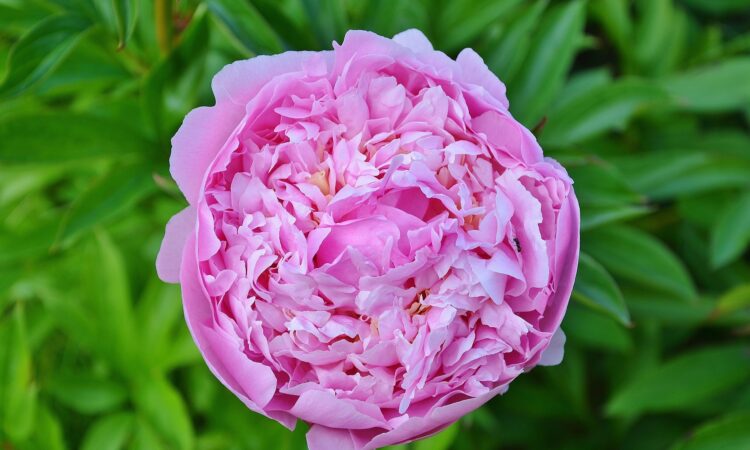
Rosa damascena, Damask Rose, الورد البلدي, ورد الجوري, Gol-e Mohammadi , Gulab, Rose de Damas, Damaszener-Rose, Gül, ロサ・ダマスケナ, Роза Дамасская
The genus Rosa comprises over 150 species and thousands of cultivated varieties, belonging to the family Rosaceae.
It includes wild species such as Rosa canina, Rosa gallica, and Rosa moschata, as well as major horticultural hybrids.
Rosa damascena is a historic hybrid, believed to originate from a natural cross of:
- Rosa gallica × Rosa moschata,
with possible contribution from Rosa fedtschenkoana.
It is one of the oldest cultivated aromatic roses and remains the foundation of global rose oil production.
Botanical Description of Rosa damascena
Growth Habit
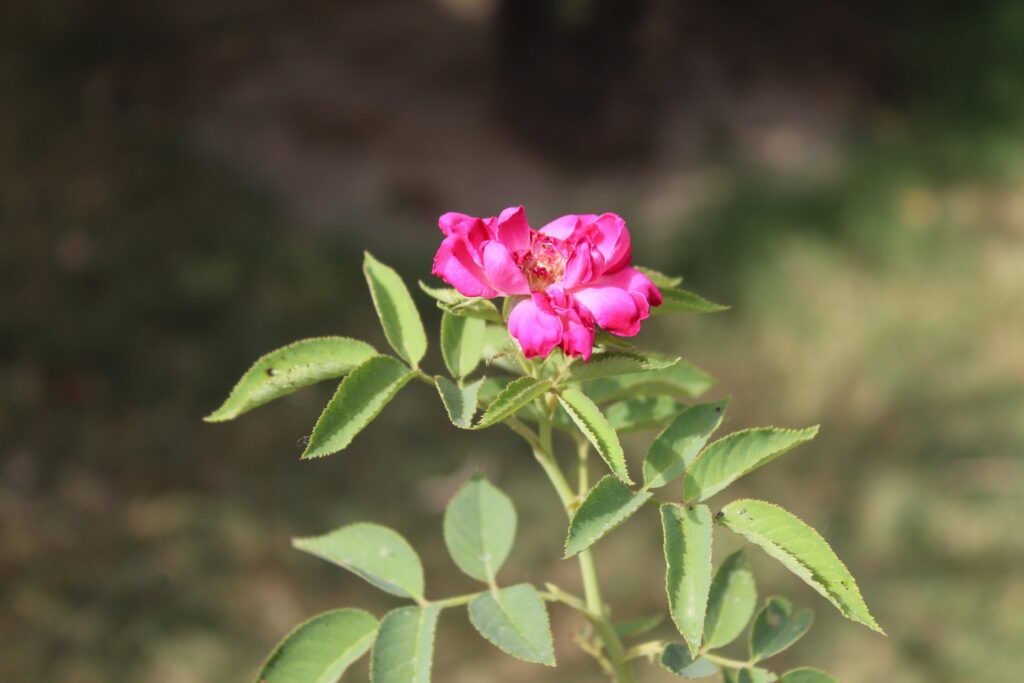
- A perennial shrub reaching 1.5–2 meters.
- Dense, erect stems often armed with curved prickles.
Leaves
- Pinnate, typically 5–7 leaflets
- Matte to slightly glossy green
- Fine serration along margins
Flowers
- Double or semi-double
- 20–40 petals, rich pink to pale pink
- Strong, characteristic Damask fragrance due to monoterpene abundance
Blooming Season
- “Summer Damask”: blooms once in late spring
- “Autumn Damask”: blooms intermittently into early fall
Phytochemical Profile: The Fragrance Chemistry of Rosa damascena
Rosa damascena is one of the most chemically complex aromatic plants known. Its essential oil contains over 500 identified compounds, although only ~30 dominate its aromatic signature.
Key Volatile Compounds
Monoterpenes (Aromatic Core)
- Citronellol (≈ 30–45%) → signature freshness
- Geraniol (≈ 10–25%) → floral sweet tone
- Nerol (≈ 5–10%) → softer floral note
- Linalool → subtle citrus-floral
- α-Pinene, β-Pinene → green, resinous undertones
Aromatic Alcohols
- Phenethyl alcohol → honey-rose scent (dominant in rose water more than oil)
Sesquiterpenes
- Farnesol, β-caryophyllene → warmth, fixation of fragrance
Esters
- Geranyl acetate
- Citronellyl acetate
Non-volatiles in petals
- Flavonoids: quercetin glycosides, kaempferol
- Anthocyanins
- Vitamin C
- Tannins
👉 This chemical richness explains Rosa damascena’s use in perfumery, medicine, gastronomy, and rituals.
Historical & Cultural Background
Rosa damascena is one of the oldest “cultural plants” in human history.
Origins & Early Documentation
- Grown in the Middle East for over 2,500 years
- Associated with Syria (Damascus), where it was intensively cultivated
- Mentioned in classical Greek texts (Theophrastus) and Roman sources (Pliny)
Spread Through Civilizations
- Introduced to Europe by Crusaders in the 12th century
- Central to the Ottoman rose industry (notably Isparta, Turkey)
- Revered in Persia as Gol-e Mohammadi, symbolizing purity and spirituality
- Integrated into Sufi rituals and Persian poetry
🇲🇦 Rosa damascena in Morocco
Though not native, the Damask rose is deeply rooted in Moroccan culture, especially in:
📌 Vallée des Roses – Kalaat M’Gouna (Mgouna), Tinghir région
- Major cultivation region of the Moroccan Damask Rose
- Known for:
- Traditional rose water
- Artisanal distillation in copper stills
- “Moussem des Roses” (Rose Festival)
Local Names
- “El Ward El Beldi” – الورد – الورد البلدي
- “Ward Mgouna” (for the Moroccan variety)
Traditional Uses in Morocco
- Purification of spaces and homes
- Cosmetic masks (clay + rose water)
- Postpartum rituals (steam baths “fkour”)
- Culinary perfuming of tea and pastries
The Healing Powers of Rosa damascena: Ancient Wisdom Meets Modern Science
For centuries, the Damask rose has been treasured not just for its intoxicating fragrance, but for its remarkable healing properties. Today, scientific research is finally catching up with traditional knowledge, revealing the sophisticated biochemistry behind this ancient remedy.
Calming the Mind Naturally
When life feels overwhelming, rose may offer genuine relief. The flower contains natural compounds—citronellol, linalool, and geraniol—that gently interact with our brain’s calming systems, specifically the GABAergic pathways. Think of it as nature’s way of helping us find our breath again, promoting genuine relaxation without the fog of pharmaceutical sedatives.
Fighting Inflammation from Within
Chronic inflammation underlies so many modern health challenges, from joint pain to cardiovascular disease. Rosa damascena comes equipped with a natural arsenal: flavonoids and terpene alcohols that work together to dial down inflammatory signals in the body. These compounds reduce nitric oxide and pro-inflammatory cytokines, offering relief that doesn’t come with the side effects of synthetic alternatives.
A Natural Guardian Against Infection
Long before antibiotics, roses protected against infections. Modern testing confirms this traditional wisdom—rose oil demonstrates real antimicrobial and antiviral activity. It’s shown effectiveness against stubborn pathogens like Candida albicans and Staphylococcus aureus, as well as certain respiratory viruses. While it’s not replacing your doctor’s prescription, it adds another layer to our natural defense systems.
Soothing Digestive Troubles
A cup of rose tea after a heavy meal isn’t just pleasant ritual—it’s practical medicine. Traditional healers have long turned to rose for stomach discomfort, constipation, and general digestive upset. The mechanism is elegantly simple: mild antispasmodic action combined with anti-inflammatory effects helps the digestive tract settle and function smoothly.
Protecting and Beautifying Skin
Our skin faces daily assault from UV radiation, pollution, and time itself. Rose extracts offer genuine protection, shielding against UV-induced oxidative stress while reducing redness and inflammation. Beyond defense, these extracts actively enhance hydration and support the collagen that keeps skin resilient and youthful. It’s no wonder rose has remained a skincare staple across cultures and centuries.
Lifting the Spirit
Depression and low mood affect millions, and while roses can’t replace professional mental health care, they may offer gentle support. Phenethyl alcohol and various monoterpenes in rose have demonstrated mood-elevating effects in aromatherapy research. Sometimes the simplest interventions—a moment with a beautiful scent—can shift our emotional landscape in meaningful ways.
Cellular Protection Against Aging
Perhaps most fundamentally, Rosa damascena is rich in polyphenols, those powerful antioxidants that protect our cells from oxidative stress. This isn’t about chasing immortality—it’s about supporting our bodies’ natural defenses against the wear and tear of living, helping cells maintain their integrity as we age.
Rosa damascena in Traditional Medicine: A Cross-Cultural Legacy of Healing
The Damask rose has woven itself into the medical traditions of civilizations spanning from Persia to India, each culture discovering and honoring its unique healing gifts. This isn’t mere folklore—these are sophisticated medical systems that observed, documented, and refined rose therapy over thousands of years.
Persian Medicine: The Heart’s Companion
In Persian medical tradition, Rosa damascena holds an honored role as a heart tonic and emotional healer.
Therapeutic Uses in Persian Medicine
- Strengthening the physical and emotional heart
- Elevating mood and relieving emotional distress
- Cooling internal heat affecting the stomach and liver
Persian physicians saw rose as a harmonizing remedy within their humoral system.
Ayurveda: The Hundred-Petaled Healer
In Ayurveda, the Damask rose is known as Shatapatri (“the hundred-petaled one”), valued for its capacity to balance the body and mind.
Ayurvedic Applications
- Eye tonics to soothe and strengthen vision
- Wound ointments to support healing
- Preparations to harmonize digestion and cool excess heat
Ayurveda recognizes rose as acting on multiple layers—physical, emotional, and energetic.
Arabic Islamic Medicine: Wisdom from the Masters
The great physicians of the Islamic Golden Age—Ibn Sina (Avicenna) and Al-Razi—documented and praised rose extensively in their medical treatises.
Traditional Islamic Medical Uses
- Relief of headaches
- Treatment for melancholy and emotional imbalance
- Cardiac tonics
- Cooling the body during fevers
Their observations mirror modern findings on rose’s anti-inflammatory and mood-supporting properties.
The Delicious Side of Medicine: Culinary Uses of Damask Rose
Across civilizations, Rosa damascena has been incorporated into culinary traditions that blend nourishment with gentle healing.
Morocco: Fragrant Traditions
- Rose water added to mint tea
- Pastries perfumed with rose aroma
- Artisanal rose syrup crafted in home kitchens
Middle East & Turkey: Sweet Medicine
- Turkish delight (lokum) flavored with rose
- Sharbat, a cooling rose syrup drink
- Iran’s Bastani Sonnati, saffron–rose traditional ice cream
India: Preserved Petals
- Gulkand (rose petal jam), used as a digestive tonic
- Rose in milk drinks and traditional desserts
From Petal to Product: Forms of Rosa damascena
Essential Oil (Rose Otto)
- Steam-distilled from fresh petals
- Requires ~4 tons of petals to produce 1 kg of oil
- Highly concentrated and must be diluted
Rose Absolute
- Extracted through solvents
- Valued for its deep, complex aroma
- Widely used in perfumery
Rose Water (Hydrosol)
- Byproduct of distillation
- Rich in phenethyl alcohol
- Moroccan rose water is internationally prized
Rose Concrete
- A waxy aromatic extract
- Used as a base material in perfumery composition
Safety Considerations
Rosa damascena is generally safe, yet concentrated extracts require mindful use.
Precautions
- Rare floral allergies are possible
- Essential oil must always be diluted before topical application
- Culinary use and rose water are safe for all ages
- High doses of concentrated extracts during pregnancy should be approached with caution
Beyond Medicine: The Sacred Rose
Across cultures, Rosa damascena symbolizes beauty, spiritual purity, and healing.
Spiritual Significance
- Used in Sufi ceremonies and devotional rituals
- Revered in Persian tradition, symbolically linked to the Prophet Muhammad
- Represents rebirth, healing, and renewal in Mediterranean cultures
The spiritual dimension is inseparable from its therapeutic role—traditional medicine viewed healing as occurring on physical, emotional, and spiritual levels simultaneously.