


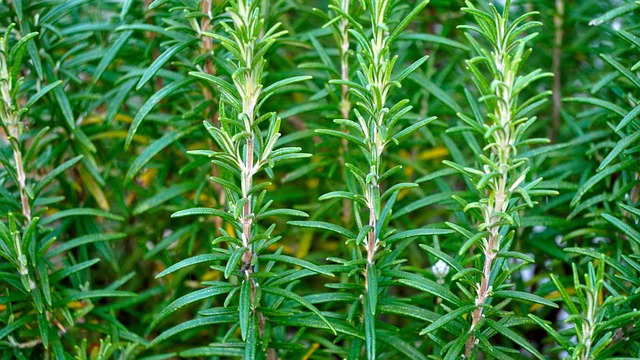
Rosemary, أزير – إكليل الجبل, 迷迭香, Rosmarin, Розмарин, Biberiye, Romarin, Romero, Rosmarin, Δεντρολίβανο.
Enduring Allure: Rosemary
Rosemary (Salvia rosmarinus) is a fragrant evergreen herb native to the Mediterranean. This woody shrub boasts a long and storied history, used in everything from ancient Greek ceremonies to modern culinary delights. Let’s explore the characteristics that make rosemary such a remarkable plant:
- Aromatic: Rosemary’s defining feature is its powerful, invigorating scent. The essential oils in its needle-like leaves offer a unique aroma reminiscent of pine and eucalyptus.
- Evergreen: Unlike many herbs, rosemary thrives year-round, maintaining its vibrant green foliage throughout the colder months.
- Woody Shrub: This herb matures into a woody shrub, with branches that can reach up to 2 meters in height.
- Needle-like Leaves: The leaves of rosemary are narrow, elongated, and resemble pine needles. Their deep green color is protected by a waxy coating.
- Blooming Flowers: During the flowering season, rosemary produces small clusters of delicate blooms in shades of blue, purple, pink, or white.
- Extensive Root System: The deep roots of rosemary contribute to its drought tolerance and overall resilience.
Overview of Rosemary’s Chemical Composition
Rosemary’s distinctive aroma and potential health benefits stem from a wealth of chemical compounds. Essential oils, extracted through steam distillation, are the stars of the show, offering a variety of volatile components like cineole and camphor. These oils not only influence scent but may also contribute to therapeutic effects. Let’s explore some key players within rosemary’s chemical makeup:
- Essential Oils:
- α-Pinene: (Monoterpene) Exhibits anti-inflammatory, antiseptic, expectorant, bronchodilator, and antimicrobial properties.
- 1,8-Cineol: (Monoterpene) Acts as an analgesic, anti-bacterial, anti-fungal, anti-inflammatory, antispasmodic, and antiviral agent.
- Camphene: (Monoterpene) Contributes antioxidant and soothing qualities, with anti-inflammatory properties.
- Limonene: (Monoterpene) Functions as a nervous system stimulant, psychostimulant, mood-balancer, appetite suppressant, and detoxifying agent.
- Linalool: (Monoterpene) Serves as a sedative, anti-inflammatory, anti-anxiety, and analgesic agent.
- Active Compounds:
- Rosmarinic acid (antioxidant, anti-inflammatory)
- Caffeic acid (antioxidant, anti-inflammatory)
- Carnosic acid (antioxidant, anti-inflammatory)
Rosemary: A Potent Herb for Overall Health
Rosemary isn’t just a flavorful addition to your cooking; it’s packed with potential health benefits! Let’s explore some of the exciting ways rosemary might contribute to your well-being:
Antioxidant Properties and Benefits: Rosemary boasts robust antioxidant properties, serving as a potent defense against oxidative stress and cellular damage induced by free radicals. Research suggests that these antioxidants offer a multitude of health benefits, including:
- Heart Health: Rosemary antioxidants may promote cardiovascular health by reducing inflammation and oxidative damage in the arteries.
- Brain Function: The protective effects of rosemary antioxidants extend to the brain, where they may support cognitive function and protect against age-related decline.
- Immune System Support: Rosemary antioxidants bolster the immune system by neutralizing harmful free radicals and enhancing overall immune function.
- DNA Protection: Rosemary helps safeguard DNA from oxidative damage, reducing the risk of mutations and genetic abnormalities.
- Anticancer Potential: Certain compounds in rosemary exhibit anticancer properties, inhibiting the growth of cancer cells and potentially preventing tumor formation.
- Antileukemic Activity: Rosemary, in combination with vitamin D3, demonstrates significant antileukemic activity, offering promise in leukemia treatment.
Anti-Inflammatory Effects and Potential Uses: Studies have shown that rosemary possesses potent anti-inflammatory properties, making it a valuable ally in managing various inflammatory conditions such as:
- Arthritis: Rosemary’s anti-inflammatory effects may help alleviate joint pain and stiffness associated with arthritis.
- Asthma: Rosemary may help reduce airway inflammation and improve breathing in individuals with asthma.
- Digestive Disorders: The anti-inflammatory properties of rosemary may provide relief from digestive issues such as bloating, gas, and indigestion.
Neuroprotective Effects and Cognitive Benefits: Research suggests that rosemary may exert neuroprotective effects and enhance cognitive function due to its active compounds, including:
- Rosmarinic Acid: This compound found in rosemary has been shown to improve memory and concentration in experimental settings.
- 1,8-Cineole (Eucalyptol): Another active compound in rosemary, 1,8-cineole, may enhance cognitive function and protect against neurodegenerative diseases.
- Antioxidants: The antioxidants in rosemary contribute to its neuroprotective effects, reducing oxidative stress and inflammation in the brain.
While more research is needed to fully understand the extent of these benefits in humans, incorporating rosemary into your diet or using rosemary-infused products may promote brain health and cognitive function.
Anti-Cancer Properties and Research Findings: Preliminary studies suggest that rosemary may possess anti-cancer properties, with certain compounds showing promise in inhibiting the growth of cancer cells. However, it’s essential to note that rosemary should not be used as a replacement for conventional cancer treatments. Further research is necessary to elucidate the precise mechanisms and therapeutic potential of rosemary in cancer prevention and treatment.
Rosemary’s Role in Traditional and Alternative Medicine
In traditional and alternative medicine practices, rosemary has been used for various purposes. It has been historically used to alleviate digestive issues, improve circulation, and soothe muscle pain. Today, rosemary is still utilized in natural remedies for its potential benefits, including its antioxidant and anti-inflammatory properties.
Rosemary Products and Supplements:
Thanks to its potential health benefits, rosemary is a versatile ingredient found in various products and supplements:
- Herbal Teas: Enjoy a soothing cup of rosemary tea for a potential immune system boost or to aid digestion.
- Dietary Supplements: Rosemary extracts are available in capsule form, making it a convenient way to incorporate this herb into your daily routine.
- Topical Preparations: Lotions, creams, and oils containing rosemary may offer relief from muscle aches and pains.
Important Note: Always follow product instructions and consult your healthcare professional before using rosemary-based products, especially if you have any underlying health conditions or are taking medications.
Rosemary in Aromatherapy:
Rosemary’s invigorating aroma makes it a popular choice in aromatherapy. The essential oil, extracted from the leaves, is often used in:
- Diffusers: Diffusing rosemary essential oil can create a stimulating and uplifting atmosphere, promoting focus and alertness.
- Massage Oils: When diluted and used in massage blends, rosemary essential oil may help ease muscle tension and soreness.
- Bath Products: Adding a few drops of rosemary essential oil to your bath can create a relaxing and invigorating experience.
Blending for Unique Aromatherapy Experiences: Rosemary essential oil blends well with other essential oils to create customized aromatherapy experiences. Here are some popular pairings:
- Lavender: This combination promotes relaxation and can be helpful for reducing stress and anxiety.
- Peppermint: This invigorating blend provides an energy boost and can help improve mental clarity.
Rosemary: A Flavorful Powerhouse in the Kitchen

Rosemary isn’t just a fragrant herb for your windowsill; it’s a culinary hero that can transform your cooking! This versatile herb boasts a bold, earthy, and slightly piney flavor that elevates a wide range of dishes. Whether you’re roasting vegetables, grilling meats, or simmering soups and stews, incorporating rosemary adds a touch of magic to your meals. Here’s how you can unlock the flavor potential of rosemary:
- Fresh vs. Dried: Fresh rosemary delivers the most vibrant aroma and flavor. However, dried rosemary is readily available and still packs a punch. Use roughly three times the amount of dried rosemary compared to fresh when substituting.
- Preparation Tips: For a milder flavor, remove the woody stems from fresh rosemary before using the leaves. Chopping, mincing, or crushing the leaves releases their fragrant oils more effectively.
- Pairing Perfection: Rosemary complements an array of ingredients beautifully. It’s a classic partner for lamb, chicken, and pork, but also shines when paired with potatoes, tomatoes, and even fruit dishes.
Popular Recipes and Dishes Incorporating Rosemary
Beyond its basic uses, rosemary offers endless possibilities for culinary adventures. Here are some inspiring ideas to get you started:
- Rosemary Roasted Potatoes: A classic dish blending the earthy flavor of rosemary with tangy lemons, creating crispy exteriors and tender interiors in roasted potatoes.
- Rosemary Focaccia Bread: Delightful and easy-to-make bread adorned with fresh rosemary, olive oil, and flaky sea salt, offering a soft, fluffy, and chewy texture, perfect for dipping or spreading.
- Rosemary Chicken: Quick and flavorful weeknight meals featuring a marinade of olive oil, garlic, balsamic vinegar, crushed red pepper, and fresh rosemary, infusing chicken breasts with bursts of flavor.
- Lemon Rosemary Chicken: A moist and flavorful dish with boneless, skinless chicken breasts, fresh rosemary, and a drizzle of extra virgin olive oil, enhanced by zesty lemons for a refreshing touch.
- Rosemary Garlic Bread: A must-try for bread enthusiasts, uniting roasted garlic, fragrant rosemary, and a hint of oregano, boasting a fluffy texture courtesy of active dry yeast and bread flour.
- Rosemary Cream Sauce: A decadent addition to any meal, featuring fresh rosemary, garlic, and parmesan cheese, imparting elegance and richness to dishes like chicken, fish, and vegetables.
- Rosemary Tea: A fragrant and soothing drink crafted from fresh rosemary and water, enjoyed warm or iced, delivering a refreshing and potent rosemary flavor.
- Rosemary Lemon Chicken and Potatoes: A comforting one-pot meal melding lemon, garlic, and rosemary flavors with succulent chicken and hearty potatoes.
- Rosemary Balsamic Salad Dressing: A versatile and flavorful dressing blending balsamic vinegar, dried herbs, and fresh rosemary, elevating salads, veggies, and entrees with vibrant taste.
- Slow Cooker Rosemary Garlic Mashed Potatoes: An ode to the classic charm of rosemary-infused roasted potatoes, combining the earthy flavor of rosemary with tangy lemons for a dish boasting a crispy exterior.
Side Effects and Precautions of Using Rosemary
- Allergic Reactions: Rosemary may cause skin irritation or respiratory issues in some individuals, especially those allergic to plants in the mint family.
- Gastrointestinal Distress: Consuming large amounts of rosemary may lead to nausea, vomiting, or diarrhea, particularly in those with sensitive stomachs.
- Pregnancy and Breastfeeding: Pregnant and breastfeeding women should avoid excessive consumption of rosemary due to its potential to stimulate menstruation and cause complications.
- Blood Clotting: Rosemary contains compounds that may interfere with blood clotting, posing risks for individuals taking blood-thinning medications or with bleeding disorders.
- Drug Interactions: Rosemary may interact with certain medications, including blood thinners and liver-metabolized drugs. Consult a healthcare professional before using rosemary supplements.
- Skin Sensitivity: Direct contact with rosemary oil may cause skin irritation or allergic reactions, particularly in those with sensitive skin. Perform a patch test before using rosemary oil topically.
- Respiratory Issues: Inhaling rosemary essential oil may trigger respiratory irritation or worsen asthma symptoms in susceptible individuals. Use caution when using rosemary oil in aromatherapy or diffusers.