

Table of Contents
Ruta montana: A Potent Herb with a Storied Past
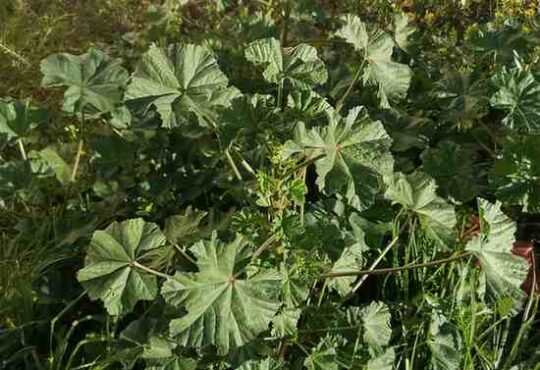
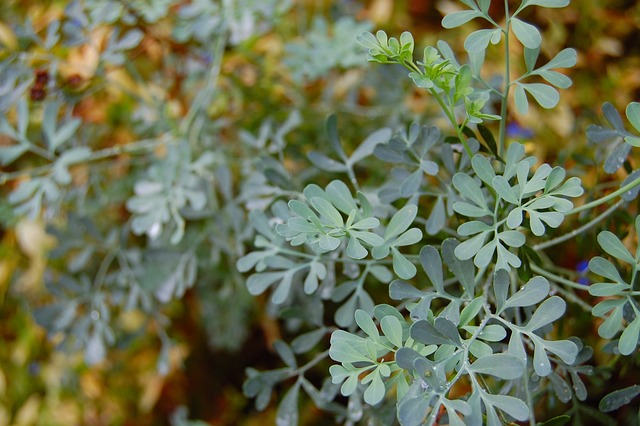
Ruta montana (RM), also known as Mountain Rue, is a prominent member of the Rutaceae family with a rich history of traditional use. While some confuse it with its close relative, Ruta graveolens (the “herb of grace” of ancient Greece), Ruta montana has carved its own path. This evergreen shrub, native to the Mediterranean and the Middle East, boasts a legacy in medicine and other applications. However, it’s crucial to note Ruta montana’s potential toxicity, and use it with caution. This article will explore not only RM, but also delve into the properties and safety considerations of other Ruta species like Ruta graveolens and Ruta chalepensis.
Historical Use
Limited Role in Ancient Greece
Despite the “herb of grace” association, evidence suggests limited use of Ruta montana as a seasoning or medicinal herb in ancient Greece. Other herbs were more prominent.
Popularity in Roman Times
In contrast, its close relative, Ruta graveolens, enjoyed widespread use in ancient Rome. They employed it similarly to parsley today.
The Middle Ages and Beyond
During the Middle Ages, rue (likely including both Ruta montana and Ruta graveolens) played various roles:
- Four Thieves Vinegar: Rue was a key ingredient in “vinaigre des quatre voleurs” (four thieves vinegar), alongside sage, mint, rosemary, wormwood, lavender, camphor, cinnamon, and cloves. This concoction was believed to ward off the plague.
- Monastic Gardens: Charlemagne’s “Capitulare de Villis” listed rue among the recommended vegetables for cultivation in monastery gardens.
- Regulation Due to Abortifacient Use:
- Abortifacient Properties: Rue was widely used as an abortifacient (substance that induces abortion).
- Protection Measures: Due to its high value for this purpose, rue plants in the Jardin des Plantes in Paris required cages to prevent theft by prostitutes.
- Legal Ban: The widespread use as an abortifacient ultimately led to a ban on cultivating rue in French gardens in 1921.
Local Traditions
- Arabian Peninsula: Known as “Sedab,” “Chedab,” or “Fijel,” Ruta montana finds various applications in traditional Arabian medicine, particularly for fumigation in rituals
- Morocco: Ruta montana, known as “Fijel” or “Fijen,” is used in traditional Moroccan medicine for respiratory and genitourinary problems, and as a fumigant for congestion. Additionally, a traditional Moroccan remedy utilizes Ruta montana infused in olive oil for hemorrhoids.
| Saharan and Sub-Saharan Regions1 Infusion of the Plant: Digestive Relief: Primarily used to treat stomach aches, colic, flatulence, nausea, and vomiting, sometimes combined with Ammodaucus leucotrichus. Urinary and Menstrual Health: Oasis dwellers utilize it for its diuretic properties (increases urination) and emmenagogue properties (regulates menstruation). Other Uses: Aphrodisiac: A mild infusion is recommended as a libido booster. Snake Bites: Fresh plant poultices are applied to snake bites. Colds: Root infusions are prescribed as a substitute for rue to treat colds. Other Moroccan Regions Entire Flowering Plant: Skin Condition Treatment: Used externally as an ointment to treat vitiligo (loss of skin pigment). Plant Ointment: Pain Relief: Employed as a liniment for rheumatism (joint pain) and as warm ear drops for buzzing and earaches. Ritual and Medicinal Use: Used in fumigations (smoke cleansing) for epilepsy, the evil eye, and warding off evil, often mixed with other ingredients like harmel seeds, coriander seeds, and cedar tar. It’s also used to treat liver ailments. Liver Issues: A mild infusion is consumed in a limited dosage (2 glasses daily) for liver problems. Nervousness: Boiling the plant in milk is taken to relieve nervousness. |
Modern Applications
- Odor Characteristics: Prized for its strong and unpleasant smell of old citrus fruit with a slight coconut background.
- Garden Use: When planted around vegetable gardens or flower beds, it keeps away cats that often scratch at mulch or new seedlings.
- Pest Repellent: Bouquets or sachets of dried rue leaves are said to repel fleas, mice, and moths in the home.
Chemical Composition of Ruta Species
Ruta species, including Ruta montana and Ruta chalepensis L., boast a diverse range of chemical constituents. Here’s a breakdown of the main groups and subgroups:
Essential Oils: As an aromatic plant, Ruta is rich in essential oils. The main components vary depending on geographical location, but commonly include:
- Ketones: These are the dominant group, with 2-undecanone being the most prominent marker compound across Ruta species.
- Other components: Depending on the specific Ruta species and location, essential oils may also contain: Nonanones, Dodecanones, Nonenes
- Other Chemical Groups: Beyond essential oils, Ruta contains various other chemical groups:
- Furanocoumarins and Coumarins: These are naturally occurring plant chemicals with various biological activities. Examples include umbelliferone, scopoletin, psoralen (potential presence), xanthatoxin, bergapten, hernianine, and rutaretin.
- Alkaloids: These are nitrogen-containing compounds with potential medicinal properties. Examples include furoquinolone alkaloids and rutacultin (needs further confirmation for Ruta montana).
- Other Groups: flavonoids, phenols, amino acids, saponins, terpenoids, tannins, acridone, quinoline.
Ruta montana: Potential Medicinal Activities
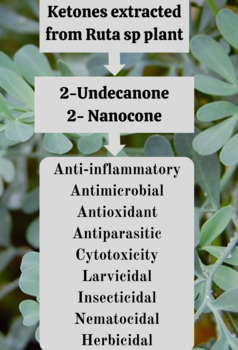
Ruta species are plants with some interesting potential health benefits. These findings are extracted from studies conducted on Ruta species from different countries. However, more research is needed to confirm them. Here’s a quick rundown:
1. Antibacterial Activity:
Research indicates that Ruta montana may exhibit activity against some bacteria, including Staphylococcus aureus and E. coli. However, most studies have focused on the closely related species Ruta chalepensis. Further research is needed to confirm these effects in Ruta montana.
2. Antioxidant Activity:
Studies suggest Ruta sp may possess antioxidant properties due to the presence of phenolic compounds. These compounds can help combat free radicals in the body, potentially reducing oxidative stress and protecting cells from damage.
3. Sedative Activity:
Ruta species, particularly Ruta chalepensis, have shown potential sedative effects on the central nervous system (CNS). Studies suggest it may:
- Decrease spontaneous motor activity and conditioned avoidance responding in animals
- Possess sedative, hypnotic, and anticonvulsant properties
- Reduce the incidence of seizures
However, this sedative activity can be dangerous in high doses. Given the potential toxicity of Ruta species, it’s important to consult a healthcare professional before using it.
4. Anti-inflammatory Properties:
Studies suggest that Ruta species, particularly Ruta chalepensis, may posses anti-inflammatory properties. Research on Ruta chalepensis indicates potential benefits for:
- Reducing inflammation caused by carrageenan and cotton pellet granuloma
- Inhibiting inflammatory responses in macrophages
- Lowering oxidative stress and inflammation in hypercholesterolemic rats
- Decreasing COX-2 gene expression, a key player in inflammation
- Reducing edema (fluid buildup)
These effects are likely due to various compounds in the plant that can interact with inflammatory pathways. While promising, more research is needed to confirm these effects in Ruta montana specifically.
5. Antifungal Activity:
Studies suggest that Ruta species, particularly Ruta chalepensis and R. graveolens, exhibit antifungal properties against dermatophytes like Microsporum canis. Research also indicates potential activity against various fungal species, including:
- Alternaria alternata
- Aspergillus fumigatus
- Aspergillus niger
- Candida albicans
- Fusarium oxysporum
6. Anticholinesterase Activity:
Limited research suggests that Ruta montana may exhibit anticholinesterase activity, meaning it might inhibit the breakdown of acetylcholine, a neurotransmitter important for memory and muscle function. Inhibiting this breakdown is considered a potential treatment strategy for some neurological disorders like Alzheimer’s disease. More research is needed to confirm this activity in Ruta montana.
7. Anticancer Activity:
Early research on Ruta species suggests potential anticancer properties. Studies have shown the essential oil may induce apoptosis (programmed cell death) in breast cancer cells and other types of cancer cells. These studies are preliminary, and further research is necessary to determine the effectiveness and safety of Ruta montana for cancer treatment.
8. Anticoagulant Activity:
One study suggests that Ruta chalepensis may have anticoagulant activity, meaning it could slow down blood clotting. However, more research is needed to confirm this effect in Ruta montana.
Potential Toxicity of Ruta Species
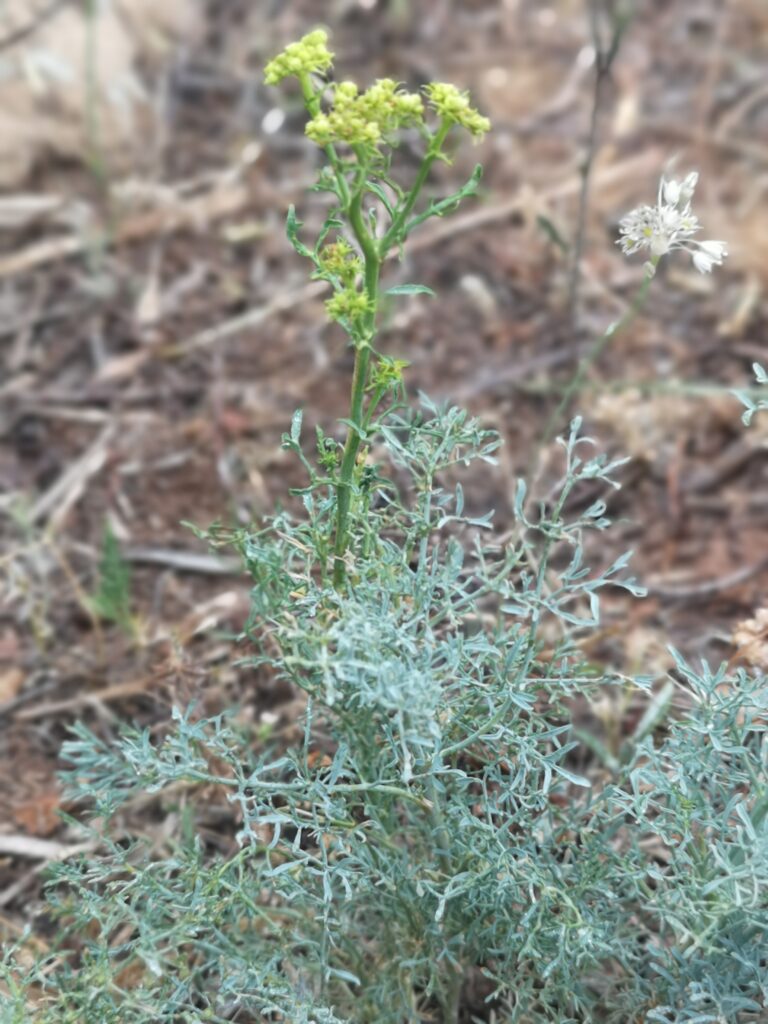
Ruta species, known for their potential medicinal uses, also possess significant toxicity. Understanding these risks is crucial for safe handling and exploration of their potential benefits.
Ruta graveolens:
- Dosage and Toxicity: Studies using Ruta graveolens often reach toxic levels, potentially confounding results regarding its anti-cancer properties.
- Plant-Based Research: Studies have shown that Ruta graveolens can retard onion bulb growth, raising concerns about potential harm to unborn babies.
- Animal Studies: Chalepensin, an extract from Ruta graveolens, caused organ failure and death in rats before showing significant anti-fertility effects.
- Medicinal Potential: Despite its toxicity, Ruta graveolens shows promise as an organic herbicide and in melanoma research. However, further studies are needed to explore safe medicinal uses.
Ruta montana:
- Toxicity in Animals: Studies using Ruta montana, a member of the Rutaceae family, demonstrate its harmfulness to humans and animals. A crude methanolic extract caused disturbances in blood parameters and negatively impacted liver and kidney function in rats at moderate doses.
- Histological Effects: Examination of treated rats revealed structural abnormalities in the liver, kidneys, and ovaries.
Ruta chalepensis:
- Behavioral and EEG Effects: While aqueous extracts and some fractions of Ruta chalepensis were generally well-tolerated in animals, higher doses caused reduced activity, loss of reflexes, and significant changes in brainwave patterns.
References:
- Belakhder, J. (1992). Contribution à l’étude de la pharmacopée traditionnelle au Maroc: La situation actuelle, les produits, les sources du savoir. Enquête ethnopharmacologique de terrain réalisée de 1969 à 1992. ↩︎