

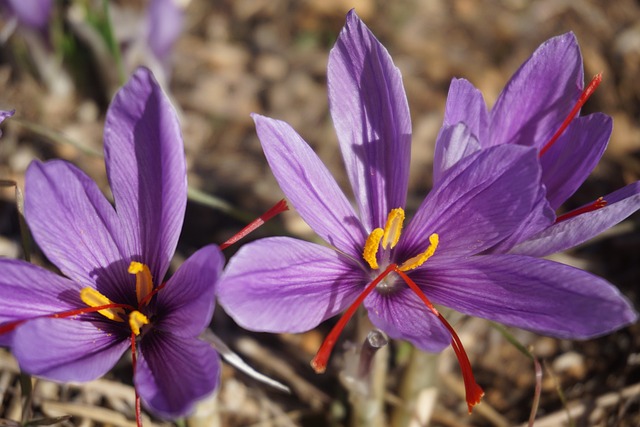
Crocus sativus: Saffron, Safran, Шафран, Κρόκος,केसर, Zafferano, Saffraan, زعفران
Saffron, derived from the dried stigmas of Crocus sativus Linnaeus, transcends its culinary role to embody a revered medicinal plant. Rich in compounds like crocin, picrocrocin, and safranal, saffron has left an indelible mark on both culinary and traditional healing practices.
Origins and Cultivation: Believed to have originated in the Mediterranean, saffron now thrives in regions like Iran, Spain, Greece, Morocco, and India. Cultivating this magical spice requires meticulous care, as each delicate flower yields just three precious stigmas. This demanding process, coupled with the labor involved, contributes to saffron’s status as one of the world’s most coveted spices
Saffron’s Timeless Journey: From ancient Mesopotamia to modern households, saffron’s journey is rich with history. Its use in Egyptian medicine and Cleopatra’s beauty rituals, depicted in Bronze Age frescoes, highlights its esteemed status. Evolving from royal luxury to a household staple in Greece, saffron found cultural significance in India and China as well. This historical odyssey underscores saffron’s enduring global significance.
Unveiling the Chemistry Behind Saffron’s Allure
Saffron, derived from the stigma of the Crocus sativus plant, boasts a diverse chemical composition that contributes to its unique characteristics. Here are the key chemical components and groups found in saffron:
Carotenoids: Natural pigments responsible for saffron’s vibrant color. Among them are α-carotene, β-carotene, lycopene, zeaxanthin, crocetin, and crocins. Crocins constitute approximately 3.5% of the stigma’s weight and contribute significantly to saffron’s distinctive properties.
Monoterpene Glycosides: Essential compounds in saffron, with picrocrocin being prominent. Picrocrocin serves as a molecular marker for saffron quality, comprising around 3.7% of the stigma’s weight.
Safranal: Another important compound in saffron, produced during the drying process. Despite its smaller quantity (about 0.02% of the stigma’s weight), safranal imparts saffron’s distinctive bitterness and potent aroma, defining its unparalleled sensory profile.
Unveiling Saffron’s Potential: From Alzheimer’s to Anxiety
Saffron, a rich source of crocin, picrocrocin, and safranal, shows promise in tackling various health concerns. Studies suggest it may help manage heart disease, high blood pressure, and cognitive decline. Saffron’s anti-inflammatory and cell-protective properties hold potential for neurological conditions like epilepsy and Alzheimer’s. Additionally, clinical trials support its effectiveness in treating mild to moderate depression.
– Alzheimer’s Disease: Studies suggest saffron might help fight Alzheimer’s by inhibiting the formation of protein clumps linked to the disease. Extracts rich in trans-crocin-4, a saffron component, exhibit powerful antioxidant properties, exceeding those of common vegetables. Additionally, clinical research indicates saffron’s ability to improve cognitive function in patients, highlighting its potential against Alzheimer’s.
– Antilipidemic: Crocin, present in saffron, demonstrates hypolipidemic effects by reducing cholesterol levels and hindering fat absorption through pancreatic lipase inhibition. Its higher selectivity for pancreatic lipase, coupled with minimal gastrointestinal side effects, positions it as a promising alternative for obesity management, distinct from orlistat’s characteristics.
– Depression: Saffron extracts rich in crocin show promising antidepressant effects. The presence of kaempferol, another saffron component, further suggests its potential in mental health treatment. While initial research indicates improved mental well-being and a favorable safety profile in the short term, further long-term studies are crucial to fully understand saffron’s effectiveness for depression.
– Antioxidant Powerhouse: Saffron boasts impressive antioxidant activity thanks to gallic acid, pyrogallol, crocins, and safranal. These components significantly reduce oxidative stress, even surpassing established synthetic antioxidants. Notably, the structure of crocins allows them to better penetrate cell membranes, enhancing their antioxidant effects.
– Anxiety Relief: Saffron’s natural compounds, crocin and safranal, may offer alternatives to conventional anxiety medications. Research suggests saffron might influence neurotransmitters and interact with the brain’s opioid system, potentially promoting anxiety relief. More studies are needed to confirm its effectiveness and potential role in managing anxiety.
– Stroke Recovery: Emerging evidence suggests saffron might aid stroke recovery. A clinical study involving patients with acute ischemic stroke showed a significant reduction in stroke severity within four days when treated with daily saffron capsules. Additionally, improvements in functional independence and mobility were observed, highlighting its potential benefits for stroke care.
A World Tour of Flavor with Saffron
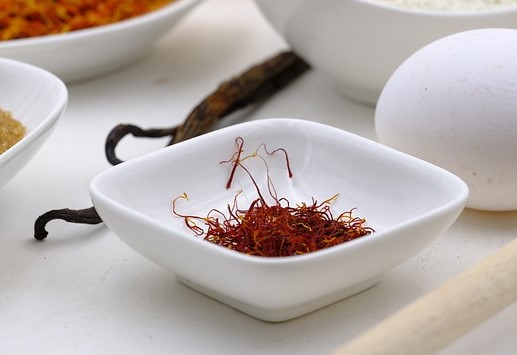
Saffron, the “King of Spices,” isn’t just a pretty (and expensive) thread. Its journey transcends borders, gracing dishes worldwide with its unique flavor and aroma. Let’s embark on a culinary adventure to see how saffron elevates cuisines around the globe:
- Spain: In the celebrated Spanish paella, saffron infuses the dish with a rich aroma and vibrant color, elevating its taste to new heights.
- Iran: Saffron shines in Zereshk Polo and Tahdig, enhancing the flavors of barberry rice and crispy rice dishes, a testament to its indispensable role in Iranian cuisine.
- France: Bouillabaisse, the iconic French fisherman’s stew, owes its unique flavor to saffron, adding depth and complexity to this traditional dish.
- Sweden: Saffransbullar, saffron-laced Christmas buns, delight Swedish palates with their aromatic flavor, showcasing saffron’s versatility in sweet treats.
- India: Biryani, a beloved Indian rice dish, is made unforgettable with the addition of saffron, enhancing its aroma and taste, and earning its place as a culinary masterpiece.
- Morocco: Saffron isn’t just a spice in Morocco; it’s woven into the very fabric of their cuisine. From the steaming cups of saffron-infused tea to the flavorful tagines simmering in fragrant kitchens, saffron’s presence is undeniable. Moroccans cherish their national beverage, often adding a touch of saffron for a burst of aroma and a nod to its potential health benefits
The Delicate Art of Saffron Harvesting
Saffron harvesting is a meticulous dance between precision and care. Skilled farmers rise with the dawn to pluck the vibrant red stigmas when the flowers bloom. Each thread is handled delicately to avoid damage, a testament to the labor-intensive nature of this process. These precious crimson threads, known as “crimson gold,” are then meticulously dried to intensify their unique flavor and aroma. Finally, careful packing ensures the vibrant color and delicate taste are preserved. This journey, from delicate flower to cherished spice, highlights the importance of each step in creating high-quality saffron.
Saffron: A Note on Side Effects
- While generally safe, some people may experience mild digestive issues or allergic reactions to saffron. Symptoms can include stomach upset, nausea, or skin irritation.
- If you experience any discomfort after consuming saffron, stop using it and consult a healthcare professional.
Considerations for Specific Groups:
- Pregnant women, breastfeeding mothers, and individuals with certain medical conditions: Due to limited research on potential risks, it’s best to exercise caution with saffron. Talk to your doctor before incorporating it into your diet or using it for medicinal purposes.
Moderation is Key:
- Remember, a little goes a long way with saffron. Its potency means a small pinch is typically sufficient.
| FAQ 1. Is saffron crocus sativa safe for consumption? Saffron crocus sativa is generally safe for consumption when used in moderation. However, it is important to note that excessive consumption may have adverse effects. Additionally, individuals with specific medical conditions or allergies should consult with a healthcare professional before incorporating saffron into their diet. 2. Can saffron crocus sativa be used as a natural remedy? Yes, saffron crocus sativa has been traditionally used as a natural remedy for various ailments. It is known for its potential antioxidant, anti-inflammatory, and mood-enhancing properties. However, it is crucial to consult with a healthcare professional before using saffron as a natural remedy to ensure safety and appropriateness for specific conditions. 3. What are the best ways to incorporate saffron crocus sativa into cooking? Saffron crocus sativa adds a unique flavor and vibrant color to various dishes. To use it in cooking, it is typically recommended to soak the saffron threads in warm water or milk for a few minutes before adding them to the recipe. This allows the flavor and color to infuse. Saffron is commonly used in rice dishes, stews, sauces, and desserts, but the possibilities are endless depending on personal preferences and culinary creativity. 4. Are there any precautions to consider when using saffron crocus sativa? While saffron crocus sativa is generally safe, it is important to use it in moderation as excessive consumption may lead to adverse effects. Additionally, individuals who are pregnant, breastfeeding, or have specific medical conditions should exercise caution and consult with a healthcare professional before incorporating saffron into their diet or using it as a supplement. |