

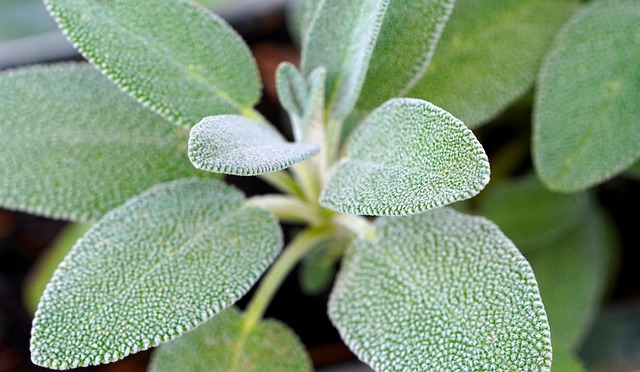
Salvia officinalis, Sage, مريمية, سالمية, 药用鼠尾草, Salbei, Sauge, Salvia, Φασκόμηλο, Шалфей, Adaçayı, Salvie,
Overview of Salvia officinalis
Sage, scientifically known as Salvia officinalis, is a versatile herb cherished for centuries. It boasts fragrant leaves, silvery-gray foliage, and tubular flowers, making it popular in gardens worldwide. Originating in the Mediterranean, sage is a resilient perennial suitable for various climates and soil conditions. Its uses extend from culinary applications, adding a savory touch to dishes, to medicinal purposes, thanks to its antioxidant-rich properties. Known for its low maintenance requirements, sage is easy to grow and maintain. Throughout history, it has been revered for its medicinal benefits, while today it is valued for both its culinary and ornamental qualities.
- Culinary delights: Sage adds depth and flavor to various dishes.
- Medicinal properties: Traditionally used to soothe sore throats, ease digestion, and promote well-being.
- Ornamental beauty: Showcases colorful flowers in shades of blue, purple, pink, red, white, and yellow.
Historical and Cultural Significance of Sage
Sage holds a rich historical and cultural significance, dating back to ancient times. Revered by civilizations such as the Greeks, Romans, and Egyptians, it was valued for its medicinal properties and symbolic importance. In traditional medicine systems, sage has been utilized for centuries to address a range of health concerns, from soothing sore throats to aiding digestion and promoting overall wellness. Traditional healers often incorporated sage into remedies for respiratory ailments and skin irritations, recognizing its therapeutic benefits.
- Traditional use in medicine to soothe sore throats, aid digestion, and support overall well-being.
- Utilized by traditional healers for treating respiratory conditions and skin irritations.
- Symbolic and spiritual significance attributed to sage in various cultures.
Chemical Compounds and Phytochemicals in Sage
Sage contains a variety of chemical compounds that contribute to its therapeutic properties. Some key components include essential oils (such as thujone, camphor, and cineole), phenolic acids, flavonoids, and tannins. These compounds work synergistically to provide the herb’s distinctive aroma and potential health benefits.
1. Polyphenols:
- Phenolic acids: These include caffeic acid derivatives and rosmarinic acid, offering diverse health benefits.
- Flavonoids: Sage boasts flavonoids like luteolin, known for their antioxidant and anti-inflammatory properties.
2. Essential Oils:
- Terpenoids: These include α and β-thujone, camphor, and 1,8-cineole, contributing to the herb’s distinctive aroma and potential health benefits.
3. Other Notable Compounds:
- Diterpenes and triterpenes: These include carnosic acid and ursolic acid, adding to the richness and diversity of sage’s chemical profile.
- Salvianolic acids and quercetin: These further enhance the efficiency and potential health benefits of sage.
Health Benefits of Salvia officinalis
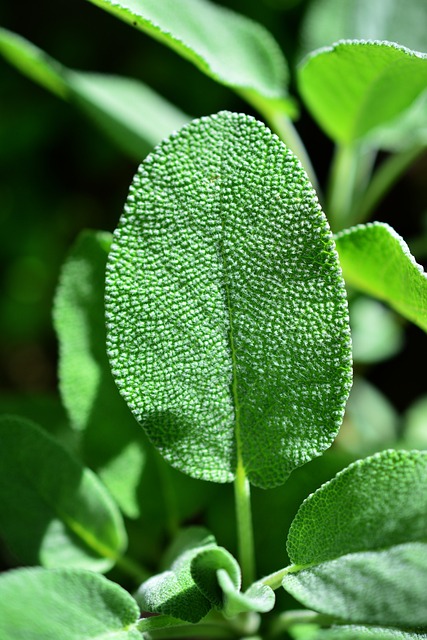
Cognitive Enhancement and Memory Boost: Research suggests that sage may benefit your cognitive function and memory. Studies have shown it can enhance memory recall and improve concentration. This potential is attributed to compounds like salvianolic acid and luteolin, which are believed to support brain health and protect against age-related cognitive decline.
Salvia’s Influence on the Brain: Salvia’s diverse chemical makeup impacts several physiological pathways influencing cognitive activity. It affects neurological structures, hormones, and neurotransmitters, all crucial for cognitive function. Notably, its polyphenols like salvianolic acids and quercetin play a significant role in promoting cognitive health.
Combating Amyloid-β and its Impact: The accumulation of amyloid-β is linked to Alzheimer’s disease and cognitive decline. Studies suggest Salvia miltiorrhiza may offer protection against this by regulating inflammatory markers and acetylcholinesterase activity. Components like tanshinones and rosmarinic acid contribute to this protective effect, highlighting Salvia’s potential in addressing Alzheimer’s-related cognitive impairments.
Salvia and the Cholinergic System: The memory- and cognition-critical cholinergic system is impacted by Salvia’s ability to inhibit acetylcholinesterase (AChE) activity. Various Salvia species and constituents, including rosmarinic acid and tanshinones, demonstrate effectiveness as AChE inhibitors. These findings indicate the potential of Salvia to enhance cognitive function by modulating cholinergic activity.
Protecting Nerve Cells with Neurotrophins: Salvia’s influence on neurotrophins, particularly brain-derived neurotrophic factor (BDNF), highlights its role in neural survival and cognitive function. Salvia and its components, such as rosmarinic acid and luteolin, demonstrate neuroprotective effects by mitigating reductions in BDNF levels, suggesting a potential therapeutic avenue for cognitive disorders.
Beyond Cognitive Support:
Hormonal Balance for Menopausal Relief: Sage has a history of use in alleviating menopausal symptoms. Some studies suggest it may help balance hormone levels and reduce hot flashes, night sweats, and mood swings. However, further research is needed to fully understand these effects.
Exploring Sage’s Anti-cancer Potential: Several studies have shown that sage contains compounds with anti-cancer activities, demonstrating promising results in inhibiting cancer cell growth and even inducing cell death in various types, including colon, breast, and skin cancer. While more research is needed, these findings warrant further exploration of sage’s potential in cancer management.
Managing Diabetes with Sage’s Help: Sage extract may offer support in managing diabetes by potentially improving insulin sensitivity and reducing blood sugar levels. However, it’s crucial to remember that sage should not replace your current diabetes treatment plan, and consulting a healthcare professional is always recommended.
Digestive Health and Sage’s Role: The essential oils in sage are traditionally used to aid digestion and alleviate common issues like bloating, indigestion, and gas. Sage may also possess antimicrobial properties that can help combat certain harmful bacteria in the digestive system.
Antimicrobial Power of Sage: Studies have demonstrated that sage possesses potent antimicrobial properties, meaning it can inhibit the growth of bacteria, fungi, and viruses. This activity has prompted research for applications ranging from treating common respiratory infections to combating oral bacteria.
Salvia’s Antioxidant Advantage: Salvia’s powerful antioxidant properties, due to phenolic compounds like rosmarinic acid and salvianolic acid, make it effective in countering oxidative stress. This antioxidant activity protects against damage caused by free radicals and enhances the body’s antioxidant defense systems.
Salvia’s Anti-inflammatory Effects: Inflammation can impact cognitive function, and Salvia’s anti-inflammatory properties have been demonstrated in various studies. Certain Salvia species and constituents, like 1,8-cineole and carnosol, exhibit anti-inflammatory actions by regulating specific processes, potentially offering benefits for cognitive health.
Potential for Mood Balance: Studies using S. elegans, S. verticillata, and S. sclarea suggest Salvia’s potential as an antidepressant and anxiolytic agent. Its essential oils and compounds like rosmarinic acid exhibit anti-stress effects by impacting specific signaling pathways, suggesting a promising role in addressing cognitive deficits associated with depression and anxiety
Potential Uses of Sage in Traditional and Alternative Medicine
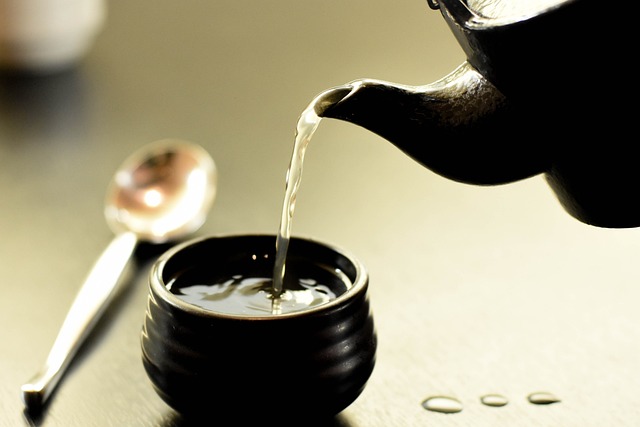
Sage has found its way into various realms of traditional and alternative medicine, showing its versatility and potential beyond the kitchen spice rack.
Sage’s Application in Herbal Remedies: Herbal enthusiasts, take note! Sage, a staple in traditional remedies for centuries, offers relief for sore throats, digestive issues, and menopausal symptoms. With its anti-inflammatory properties, sage helps alleviate body inflammation and enhances overall well-being. Don’t underestimate the potency of this small herb when you’re feeling unwell.
Sage in Aromatherapy and Essential Oils: If you’re a fan of aromatherapy, you’ll be delighted to know that sage also plays a role in the world of essential oils. Known for its invigorating scent, sage essential oil is commonly used to promote relaxation, reduce stress, and improve mental clarity. Just a few drops in a diffuser can create a soothing and calming atmosphere, giving you a much-needed respite from the chaos of everyday life.
Sage: From Kitchen Staple to Gourmet Delight
age isn’t just a medicinal marvel; it’s also a culinary superstar, particularly in Mediterranean and European cuisines. Its unique flavor profile, boasting both earthy and slightly peppery notes, elevates various dishes by adding depth and aroma. Think stuffings, sauces, and meat dishes, all transformed with sage’s savory magic.
A Culinary Adventure with Sage:
- Sage-Infused Chicken Delight: Imagine pan-roasted chicken infused with the rich flavors of sage-infused browned butter, perfectly complemented by sweet and savory sautéed apples.
- Delightful Sage Bread Knots: Enjoy a delightful twist on bread knots, generously seasoned with dried sage for a unique and savory experience.
- Sausage and Sage Soup: This light and satisfying tomato-based soup features sausage, cannellini beans, chicken stock, fresh sage, and garlic. It’s an aromatic blend that promises to tantalize your taste buds.
- Time-Honored Sage-Infused Holiday Fare: Experience a traditional culinary journey with a dish featuring sliced crusty bread, butter, onions, celery, fresh sage, chicken stock, and egg. This enduring recipe is sure to bring seasonal joy.
- Comforting Sage-Infused Chicken Pot Pie: Dive into a comforting pot pie bursting with roast carrots, cauliflower, garlic, and onions, all enveloped in a creamy sauce enriched with the flavors of chopped sage and rosemary.
- Fresh Sage Pasta Elegance: Revel in the freshness of pasta adorned with a simple yet flavorful sauce of olive oil, browned butter, kosher salt, and black pepper. Topped with fried sage, toasted pine nuts, and Parmesan cheese, this dish is an elegant culinary masterpiece.
- Sage tea: In Morocco, there’s a renowned tea shop in Fes known for its specialty blends featuring sage, spearmint, lemon verbena (Aloysia citrodora), pennyroyal, peppermint, lemon catnip, and more.

Precautions and Considerations: Using Sage Safely
Sage offers a range of potential benefits, but it’s crucial to use it cautiously and be aware of a few key points:
Safe Dosage and Usage:
- Don’t overdo it: Consuming excessive amounts of sage can be harmful.
- Consult a healthcare professional: They can determine the appropriate dosage for you and monitor any potential interactions with medications or medical conditions.
Potential Side Effects and Interactions:
- Be aware of side effects: While generally safe in moderation, sage might cause allergic reactions or digestive issues in some individuals.
- Exercise additional caution: If you’re pregnant, breastfeeding, or have underlying health conditions, consult your healthcare provider before using sage.
| FAQ 1. Is sage safe for consumption? Yes, sage is generally considered safe for consumption when used in moderate amounts as a culinary herb. However, it is important to consult with a healthcare professional before using sage in concentrated forms or as a supplement, especially if you have any underlying health conditions or are taking medications. 2. Can sage be used during pregnancy? Pregnant women should exercise caution when using sage, particularly in larger quantities or concentrated forms, as it may stimulate the uterus and potentially pose a risk. It is advisable to consult with a healthcare professional before using sage during pregnancy or while breastfeeding. 3. How can sage be incorporated into daily routines? Sage can be enjoyed in various ways, such as adding fresh or dried leaves to culinary dishes, infusing it into teas, or using sage essential oil in aromatherapy. It is important to follow recommended dosage guidelines and recipes to ensure safe and enjoyable consumption. 4. Are there any known interactions with medications? While sage is generally safe, it is always important to consider potential interactions with medications. Certain medications, such as blood thinners or diabetes medications, may interact with sage. It is advisable to consult with a healthcare professional or pharmacist if you are currently taking any medications before incorporating sage into your routine. |