

Smen: A Pillar of Moroccan Gastronomy
Moroccan cuisine, renowned for its bold and intricate flavors, often features unique ingredients that have been passed down through generations. Among these is Smen, also know as Smen l’Har, a preserved or aged butter that holds a special place in Moroccan gastronomy. Known for its pungent aroma and distinctive taste, Smen is more than just a culinary ingredient; it is also steeped in medicinal traditions . This article delves into the preparation of Smen, its unique characteristics, and the medicinal herbs that elevate it beyond a mere cooking fat.
What is Smen?
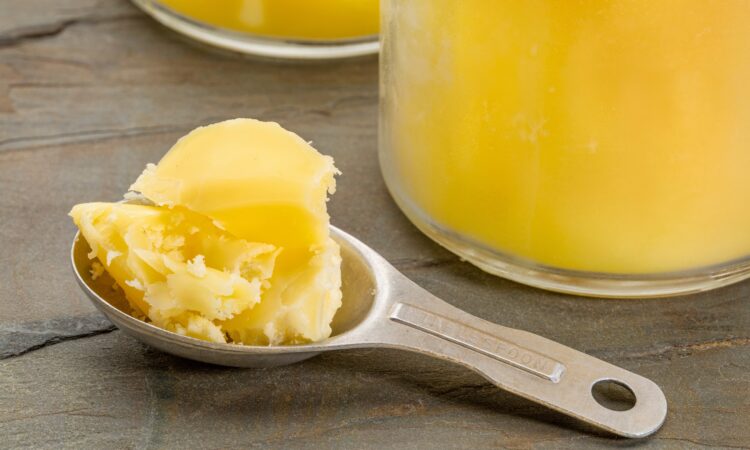
Smen (Smen l’Har,Smen l’Beldi, Smen l’Hayel, Smen Boudraâ) is a preserved butter made from clarified raw milk butter, salt, and thyme. It is left to ferment for several months or even years, stored in a cool, dark place like a pantry or underground storage. As it ages, Smen develops a strong, distinctive flavor and aroma, which is cherished in many traditional Moroccan dishes.
In Morocco, there is also a lighter version of clarified butter called “Smen.”
It’s important to distinguish between “Smen l’Har” and “Smen” in Moroccan cuisine, even though both are referred to as “Smen.” Here’s how they differ:
1. Smen, or “udi” in Berber, is a simple clarified butter. Its preparation does not include salt and results in a lighter flavor compared to smen l’Har.
Preparation:
- Farm-fresh butter made from cow’s milk (zebda l baldia)
- Fenugreek (optional, regionally specific)
- Thyme (more commonly used than fenugreek)
- Melt the butter over low heat.
- Add the thyme (and fenugreek, if using).
- Simmer the butter slowly, allowing the water content to naturally evaporate. This process concentrates the butter’s flavor.
- Once the water evaporates, remove the pan from heat.
- Infuse the flavored butter briefly.
- Pour the clarified butter into a glass bowl or small jar and let it cool.
| Uses: This Smen, also known as “Udi” in Berber or “Smen mdoueb,” is a versatile ingredient used in various Moroccan dishes. It adds richness to tagines, soups, pastries, and flatbreads. Some people even enjoy it drizzled with honey for breakfast. Many prefer smen for its milder flavor compared to the stronger “Smen l’Har. |
2. Smen l’Har is the most prized type of smen in Moroccan cuisine. Its preparation, which involves fermentation, will be described in the following paragraphs.
Differences Between Moroccan Smen and Levantine/Egyptian Smen (Samna Baladi)
Moroccan Smen and Levantine/Egyptian Smen (Samna baladi or samneh) share the basic concept of preserving butter but differ significantly in preparation and flavor. Moroccan Smen is made with the addition of salt, thyme and is fermented for a much longer period, resulting in a pungent and highly distinctive taste. In contrast, Semn Baladi in Levantine and Egyptian cuisines is closer to Indian ghee in both preparation and taste, typically involving a shorter fermentation process and lacking the herbal infusion that characterizes Moroccan Smen.
Similarities and Differences with Other Clarified Butters
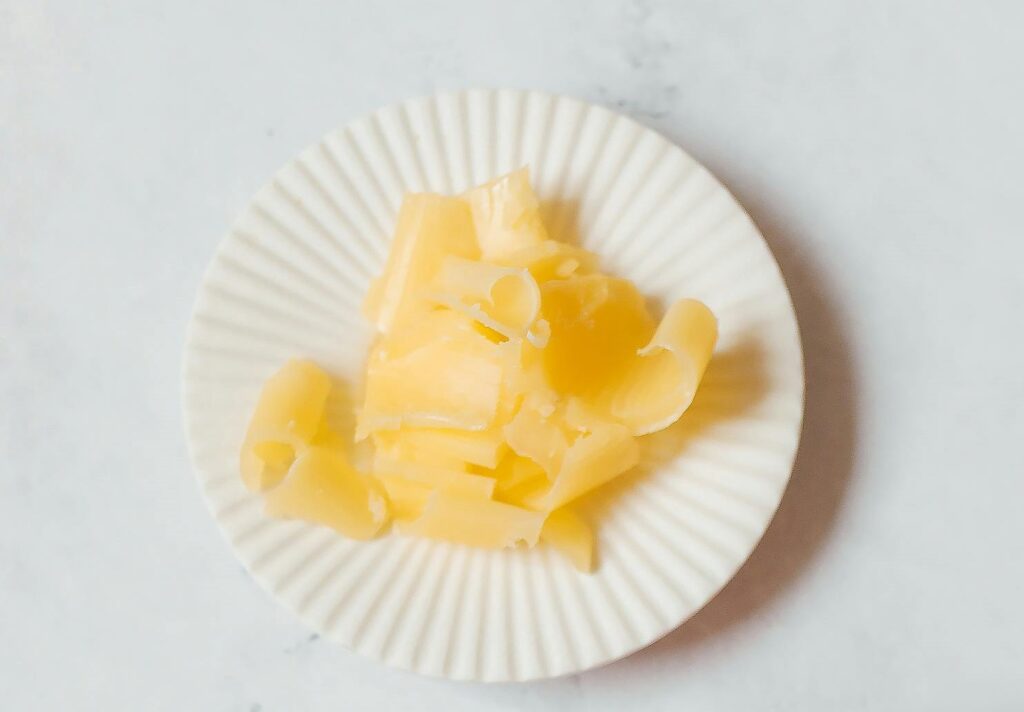
- Ghee (India): Ghee is a type of clarified butter used extensively in Indian cuisine for both cooking and medicinal purposes. It is made by simmering butter until the water evaporates and the milk solids separate and brown, resulting in a nutty, rich flavor. Unlike Smen, Ghee is not typically fermented, does not have the strong, pungent taste associated with Moroccan Smen, and does not involve salt in its preparation.
- Bog butter: a mysterious remnant of the past, originates in the peat bogs of Ireland and Scotland. Believed to be an ancient method of preserving butter, people likely packed it into containers like wooden kegs, churns, or even animal bladders before burying it deep within the bog. The unique environment of the bog, with its high acidity and lack of oxygen, acts like a natural anti-spoilage chamber, dramatically slowing down bacterial growth and allowing the butter to be preserved for centuries.
- Niter Kibbeh (Ethiopia/Eritrea): Niter Kibbeh is a spiced clarified butter used in Ethiopian and Eritrean cuisine. It is prepared by melting butter and simmering it with spices such as garlic, ginger, and various herbs until it develops a rich, complex flavor. Unlike Smen, Niter Kibbeh is spiced rather than fermented and is known for its distinctive spicy aroma rather than a pungent, cheesy taste.
Historical Significance and Uses

Fez historically served as a crucial hub on the caravan trade route extending from the Mediterranean to West Africa. This route passed through the once-prominent trading city of Sijilmassa and into the Tafilalt region, facilitating the flow of goods and culture. Additionally, Fez was connected to a second major trade route that extended to Egypt and the Middle Eastern markets, further linking to India and China. These routes enabled Fez to become a vibrant center of commerce, attracting traders and merchants from diverse regions.
The Fundok Qaât Smen in Fez’s ancient medina remains a testament to the city’s rich trade heritage. The souk offers a variety of wild honeys, Smen, olive oil, and Fassi Khlii (preserved salted meat). This marketplace continues to thrive, preserving the vibrant trading traditions that have defined Fez for centuries.
Ingredients and Preparation of Moroccan Smen
Ingredients:
- 500 grams (1 lb) of raw butter from cow, sheep, or goat milk
- 3 tsp of salt
- 2 tsp of dried thyme or oregano
- 2 cup of water
Preparation Steps:
- Thyme/oregano Infusion: Begin by preparing an infusion with thyme. Let it cool and then strain it.
- Salting the Butter: In a bowl, combine softened butter with 2 tablespoons of salt. Knead the butter thoroughly to ensure even distribution of salt, which is crucial for preservation.
- Adding Thyme Infusion: Add the thyme infusion to the salted butter. Cover the bowl with plastic wrap and let it sit at room temperature for several hours or overnight.
- Kneading: The following day, strain butter from the thyme infusion then knead the butter again vigorously, adding a final spoonful of salt. Continue kneading until no more water is expelled from the butter.
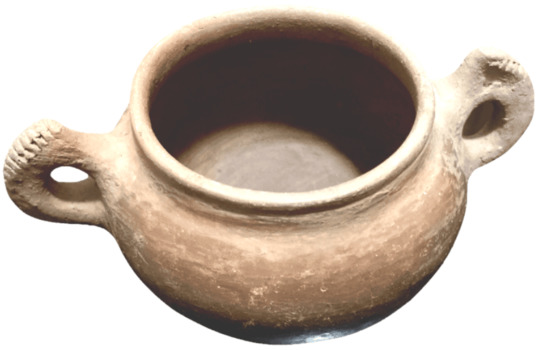
Storage: Store the salted butter in clay jars known as Khabya or Kaloucha, sealing them hermetically. Leave the butter to ferment in a dark, cool place for several months. For faster fermentation, incorporate a portion of aged Smen into the freshly made butter.
Thyme, Oregano, Lavender & More: The Herb Profile of Smen
The inclusion of medicinal herbs such as thyme, oregano, rosemary, and lavender is what sets Moroccan Smen apart. These herbs are not only aromatic but also possess antibacterial and antifungal properties, enhancing both the flavor and health benefits of the salted butter.
- Thyme (especially Moroccan species): Known for its antiseptic and preservative qualities, thyme is a common herb used in Smen.
- Oregano (Origanum vulgare): Another herb with strong antimicrobial properties, often used interchangeably with thyme.
- Rosemary (Salvia rosmarinus): Occasionally used, especially in regions where it is more prevalent.
- Lavender (Lavandula angustifolia): Used in Fez for its unique aromatic profile and medicinal properties.
- Saffron: Some households add saffron pistils to enhance the flavor of Smen.
- Herbal Gauze Method: In some High Atlas villages, women place a gauze containing dried thyme, white wormwood (Artemisia herba alba), horehound (Marrubium vulgare),and a pinch of salt on top of the salted butter before sealing the jar tightly. This technique allows the herbs to release their flavors and beneficial properties into the butter without directly mixing into it.
- Thyme, rosemary, and horehound: Another method for preparing the infusion involves mixing a bouquet of fresh and dried thyme, rosemary, and horehound. Pour boiling water over the herbs, turn off the heat, and let the infusion steep for several hours before adding it to the salted butter.
Smen L’Har: The Rich Signature of Moroccan Cuisine
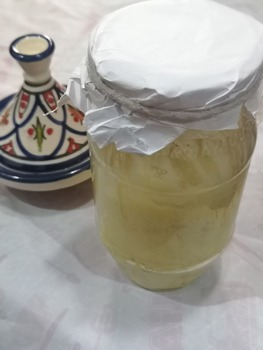
In Moroccan cuisine, Smen L’Har, a preserved salted butter, plays a vital, yet often secret, role. This flavorful ingredient adds depth and complexity to a variety of dishes, transforming them from ordinary to extraordinary.
Tagines: Where Smen Shines
Smen’s rich character truly comes alive in tagines, slow-cooked stews featuring meat, vegetables, and an array of spices. Here are a few popular examples:
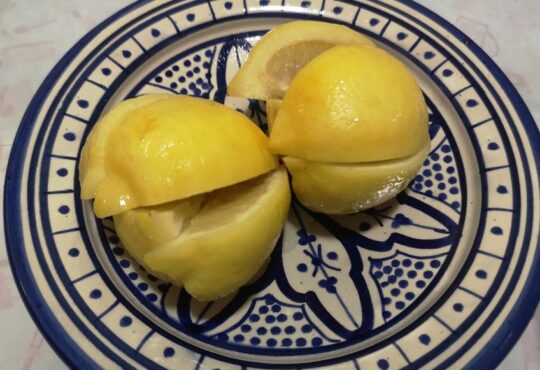
- Chicken Tagine with Preserved Lemons and Olives: This classic dish features tender chicken simmered with tangy preserved lemons, briny olives, and Smen, resulting in a symphony of flavors.
- Lamb Tagine with Prunes and Almonds: Sweet prunes and crunchy almonds complement the savory lamb in this tagine. Smen elevates the dish by adding a distinctive richness.
- Lamb Tagine with Thyme and Smen: This simple yet flavorful version relies on the aromatic duo of thyme and Smen to create a truly delectable lamb stew.
Mrouzia: This renowned Moroccan dish showcases Smen alongside raisins, cinnamon, and saffron. The sweet and savory combination of lamb, enhanced by the richness of Smen, creates a truly memorable dining experience.
Smen L’Har: More Than Just a Tagine Ingredient
Smen’s influence extends far beyond tagines. Here are some additional examples:
- Couscous: Often served with a meat or vegetable stew, Smen enriches both the couscous itself and the accompanying stew. Popular examples include:
- Couscous with Seven Vegetables: A hearty and nutritious dish featuring a variety of vegetables, where Smen enhances the overall flavor profile.
- Couscous Tfaya (with caramelized onions and raisins): This version boasts a sweet topping of caramelized onions and raisins, with Smen adding depth and richness.
- Harira: This traditional Ramadan soup, made with tomatoes, lentils, chickpeas, and meat, is often enriched with Smen. Smen enhances the soup’s hearty and comforting qualities.
- Tangia: A slow-cooked specialty from Marrakech, tangia features beef or lamb, spices, and preserved lemons, traditionally cooked in a clay pot. Smen plays a crucial role in this flavorful dish, adding a distinctive depth and richness.
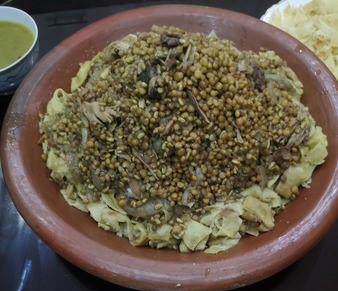
- Rfissa: This hearty dish features shredded msemen (flatbread) topped with a flavorful broth of chicken, lentils, and spices. Smen is a key ingredient in the broth, adding a unique depth of flavor that complements the other ingredients.
Digestive Potential of Moroccan Smen
Smen, a treasured ingredient in Moroccan cuisine, is more than just a flavorful butter. Its unique production process creates a fascinating interplay between chemical composition and microbial profile, potentially offering benefits for your digestive system.
- Chemical Composition and Microbial Profile: Smen boasts high levels of free fatty acids (FFAs) and salt (8-10%). This creates a harsh environment that limits overall bacteria but favors salt-tolerant, mostly Gram-positive, microorganisms.
- Predominant Microorganisms: The star players in Smen’s microbial world are Bacillus species, particularly B. alvei, B. brevis, and B. firmus. These bacteria thrive in the salty environment due to their lipolytic activity, meaning they excel at breaking down fats, potentially aiding digestion.
- Probiotic Properties: Beyond Bacillus, Smen also harbors some Lactobacilli strains like Lb. plantarum and Lb. casei, albeit in lower numbers. These bacteria are known probiotics, promoting gut health by balancing gut microbiota, aiding digestion, and potentially boosting the immune system.
- Pathogen Control: It’s important to note that while some potentially harmful pathogens are associated with Smen, the fermentation process and high salt content typically keep them in check. Moderation and ensuring hygienic production are key to experiencing the potential digestive benefits of Smen.
Folk Medicine with Smen l’har: A Moroccan Tradition
Smen l’har was used as a cream to which powdered dried herbs were added, with each medicinal plant intended to treat a specific illness.
Smen l’har and Cloves for Rheumatism and Sciatic Issues
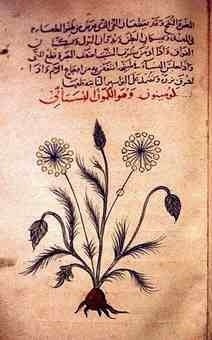
A vigorous massage is performed on the targeted areas using a mixture of smen l’har and cloves to alleviate rheumatism and sciatic pain.
Hemorrhoids
Smen l’har, a type of salted aged butter, is a popular ingredient in a traditional Moroccan remedy for hemorrhoids. Traditionally recommended by herbalists for hemorrhoidal problems, smen l’har is sometimes combined with powdered herbs for added benefits. Some recipes even incorporate camphor, a compound known for its potential to soothe anal discomfort (camphor is a biological compound obtained through distillation of the stem, roots, or bark of the camphor laurel tree).
Healing Fractures:
In some regions of southeastern Morocco, traditional healers used massage therapy to promote healing after fractures. They would gently massage the injured limb with smen l’har, a type of salted aged butter, to improve circulation and reduce inflammation. This practice was particularly common in areas where cold temperatures could hinder healing.
Relieving Cold Limbs and Circulation Issues
Smen l’har was also traditionally used to warm cold limbs and improve circulation. The butter’s fatty acids and antioxidants were believed to have beneficial effects on blood vessels and nerves, helping to alleviate discomfort and promote overall well-being.
Addressing Cold-Induced Headaches
To combat headaches caused by the harsh cold of southeastern Morocco’s sub-Saharan regions, traditional healers would massage the scalp with unsalted smen. After the massage, the head was wrapped in a scarf to retain warmth, and the person was encouraged to rest. The combination of smen and warmth was believed to soothe the scalp, relax the muscles, and ease headache pain.
Back Relief: Moroccan Garlic-Smen Massage
In Morocco, a traditional remedy for back pain uses a paste of crushed garlic and smen (aged butter) massaged onto the back. This combination of warming smen and potentially anti-inflammatory garlic is believed to ease discomfort, but consult a doctor for serious back pain.