


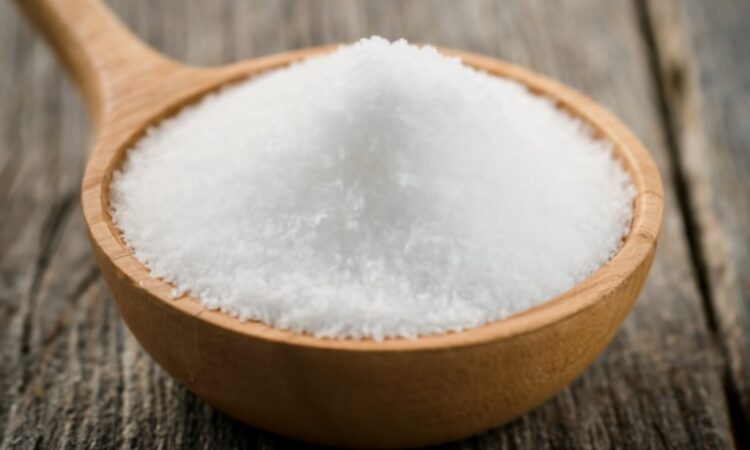
Your Body’s Balancing Act: Sodium, a mineral often associated with table salt, plays a vital role in keeping your body running smoothly. It helps regulate your body fluids, which in turn affects your blood pressure. Sodium also assists with proper nerve function and muscle contractions.
Beyond the Shaker: While the salt shaker might be the first thing that comes to mind when we think of sodium, it’s not the only culprit. Many processed foods, like deli meats, canned soups, fast food, and even some breads and cereals, are loaded with sodium.
Making Informed Choices: Knowing the importance of sodium and where it hides in your diet empowers you to make informed decisions. By being mindful of hidden sodium, you can create a healthier eating plan.
Understanding the Role of Sodium in Health and Nutrition
A Balancing Act for Optimal Health
Sodium, an essential mineral often associated with table salt, plays a multifaceted role in maintaining good health. Here’s a closer look at its key functions:
1. Maintaining Fluid Balance:
- Electrolyte Powerhouse: Sodium acts as a crucial electrolyte, regulating the movement of water in and out of your cells.
- Hydration and Blood Pressure: This delicate balance ensures proper hydration and contributes to healthy blood pressure levels.
- Consequences of Excess: When sodium intake is excessive, your body retains extra water to dilute the high sodium concentration. This can lead to bloating and potentially, high blood pressure.
2. Facilitating Muscle Contraction and Nerve Impulses
- Muscle Powerhouse: Sodium is a key player in muscle function. It rushes into muscle cells during contraction, triggering movement and allowing you to perform everyday activities.
- Nervous System Efficiency: For your nervous system to transmit signals effectively, sodium plays a vital role. It helps establish electrical gradients across nerve cells, enabling the rapid transmission of impulses throughout your body.
- The Unsung Hero: So, the next time you experience a quick reflex or a powerful muscle contraction, remember to thank sodium for its behind-the-scenes contribution to movement and communication within your body.
The Link between Sodium Intake and High Blood Pressure
Sodium’s role in our body is a double-edged sword. While it’s essential for various functions, excessive intake can lead to health concerns. Let’s delve deeper into its impact:
1. The Delicate Balance of Blood Pressure Regulation
- Sodium and Fluid Management: Sodium acts like an electrolyte, regulating the movement of water in and out of cells. This directly impacts blood pressure. When sodium levels are optimal, the body maintains a healthy volume of blood, contributing to normal blood pressure.
- The Downside of Excess: However, excessive sodium intake disrupts this balance. The body retains extra water to dilute the high sodium concentration, increasing the total blood volume. This puts a strain on the heart as it works harder to pump blood, potentially leading to high blood pressure (hypertension).
2. The Link Between Sodium and Cardiovascular Health
- High Blood Pressure and Cardiovascular Risk: As discussed above, excessive sodium intake contributes to hypertension. This chronic condition puts a strain on your heart and blood vessels, increasing the risk of heart disease and stroke.
- Scientific Evidence: Numerous studies have established a clear link between high sodium intake and an increased risk of cardiovascular diseases. Reducing sodium in your diet can significantly improve your heart health.
3. Sodium’s Unsung Roles Beyond Blood Pressure
- Maintaining Electrolyte Balance: Sodium is crucial for maintaining proper cell function. It plays a vital role in regulating electrolyte levels, ensuring optimal cellular function throughout the body.
- Facilitating Nerve Transmission and Brain Function: Sodium is a key player in nerve transmission. It helps carry electrical signals from the brain to various organs, enabling proper communication and coordination within the body.
- Hyponatremia: marked by low blood sodium levels, poses serious health risks, from mild discomfort to severe neurological issues. It requires prompt diagnosis, treatment, and monitoring to prevent complications and restore electrolyte balance for optimal health.
- Hydration and Fluid Balance: Sodium plays a role in hydration by influencing water retention. A balanced sodium intake helps your body maintain the right fluid balance, keeping you hydrated.
- Fluid Retention from Excessive Sodium: While sodium helps with hydration, too much can lead to fluid retention. This can manifest as bloating and puffiness. On the other hand, insufficient sodium can cause dehydration. Moderation is key!
By understanding the multifaceted impact of sodium, you can make informed dietary choices to promote optimal health and prevent potential health risks. Remember, everything in moderation, including that extra sprinkle of salt!
Sodium High Intake and Health Issues
Cardiovascular System
- High Blood Pressure: This is the most well-known consequence. When you consume excess sodium, your body retains more fluid, which puts strain on your blood vessels and increases blood pressure. Chronically high blood pressure is a major risk factor for:
- Heart disease
- Stroke
- Kidney disease
Bone Health
- Decreased Bone Density: High sodium intake is linked to increased urinary calcium excretion. This means your body gets rid of more calcium through urine, which can lead to decreased bone density and a higher risk of osteoporosis and fractures, especially in older adults and postmenopausal women.
- Why it matters: Calcium is a crucial mineral for building and maintaining strong bones. When you lose too much calcium, your bones become weak and more susceptible to breaks.
Fluid Balance
- Fluid Retention: Excessive sodium intake can cause fluid retention, leading to swelling (edema) and discomfort, particularly for individuals with pre-existing kidney or heart conditions. This fluid buildup can:
- Strain the heart: Extra fluid volume makes the heart work harder to pump blood throughout the body.
- Increase blood pressure: The extra fluid puts pressure on blood vessel walls, contributing to high blood pressure.
- Worsen existing conditions: Fluid retention can exacerbate symptoms of congestive heart failure and kidney disease.
Digestive System
- Digestive Issues: High-sodium diets have been linked to digestive issues like bloating, gas, and discomfort. Here’s how it might happen:
- Electrolyte imbalance: Sodium helps maintain a balance of electrolytes in the digestive tract. Too much sodium disrupts this balance, potentially leading to:
- Irregular bowel movements: Diarrhea or constipation can occur as the digestive system tries to adjust to the imbalance.
- Stomach upset: The irritation can cause bloating, gas, and heartburn.
- Electrolyte imbalance: Sodium helps maintain a balance of electrolytes in the digestive tract. Too much sodium disrupts this balance, potentially leading to:
Possible Link
- Stomach Cancer: Some studies suggest a possible link between high-sodium diets and an increased risk of stomach cancer. More research is needed, but it’s a good idea to limit sodium intake for overall health.
- Oxidative Stress: High sodium disrupts the body’s natural balance between antioxidants and free radicals, leading to increased production of reactive oxygen species (ROS). This oxidative stress damages cells and contributes to various health problems.
Sodium Sleuth: Unveiling the Hidden Sources in Your Diet
Natural Sources of Sodium:
- Small amounts are naturally present in many foods: Milk, meat, poultry, fish, and even some vegetables like beets and celery contain some sodium.
- Certain mineral sources: Natural salts like Himalayan pink salt or sea salt are forms of sodium chloride (though they may contain trace minerals besides sodium).
Processed Sources of Sodium:
- The biggest culprits: Processed foods like deli meats, canned soups, packaged snacks, condiments (soy sauce, ketchup), and frozen meals are loaded with sodium for preservation and flavor enhancement.
- Hidden sources: Be wary of seemingly healthy options like breads, cereals, and even some salad dressings that can harbor significant amounts of sodium.
Sodium Consumption Guidelines
Sodium plays a crucial role in our health, but finding the right balance is key. Let’s explore its impact and how to achieve optimal intake:
4. Recommended Daily Sodium Intake
- Age-Based Guidelines: The American Heart Association recommends keeping sodium intake under 2,300 milligrams per day for most healthy adults. However, individuals with certain health conditions, like high blood pressure, may benefit from limiting their intake to 1,500 milligrams. Children have specific guidelines that adjust as they grow. Consulting a healthcare professional can help establish the right sodium intake for your individual needs.
5. Making Healthier Choices with Reduced Sodium
- Flavorful Alternatives: Cutting back on sodium doesn’t mean sacrificing flavor. Explore herbs and spices to add depth to your meals. Fresh or dried herbs, garlic, and citrus can create delicious and healthy flavor profiles.
- Mindful Food Choices: Be wary of processed foods, notorious for containing hidden sodium. Reading food labels empowers you to make informed choices. Look for options lower in sodium or with “reduced sodium” labeling.
- Embrace Sodium Awareness: With a little awareness and moderation, you can find the sweet spot – enjoying the benefits of sodium while keeping your intake in check. Remember, you have the power to control your sodium intake for better health.
FAQ
1. Is sodium bad for you?
No, sodium itself is not bad for you. In fact, it is an essential mineral that plays a crucial role in various bodily functions. However, excessive sodium intake, especially from processed and high-sodium foods, can lead to health issues such as high blood pressure and cardiovascular diseases. It is important to consume sodium in moderation and follow recommended guidelines for optimal health.
2. How much sodium should I consume daily?
The recommended daily sodium intake varies depending on factors such as age, health status, and individual needs. Generally, it is advised to limit sodium consumption to no more than 2,300 milligrams (mg) per day, or even lower for certain populations, such as individuals with hypertension. It is recommended to consult with a healthcare professional to determine the appropriate sodium intake for your specific circumstances.
3. How can I reduce my sodium intake?
Reducing sodium intake can be achieved through various strategies. Some tips include: reading food labels and choosing low-sodium or sodium-free options, cooking meals from scratch using fresh ingredients, limiting processed and packaged foods, and opting for herbs and spices to enhance flavor instead of salt. Additionally, being mindful of condiments, sauces, and restaurant meals, which can be high in sodium, can contribute to reducing overall intake.
4. Are there any health benefits associated with sodium consumption?
Yes, sodium consumption in moderation has several health benefits. Sodium is essential for maintaining fluid balance, nerve function, and muscle contraction. It also plays a role in hydration, electrolyte balance, and contributes to the overall functioning of the body. However, it is important to strike a balance and not exceed the recommended daily intake to avoid potential health risks associated with excessive sodium consumption.