

Hypericum perforatum, St. John’s Wort, حشيشــة القلب -هيوفاريقون, 金絲桃屬, Millepertuis, Johanniskraut, Hierba de San Juan, Erba di San Giovanni, Hipericão, Зверобой, Sint-Janskruid, Johannesört, Mäkikuisma, Dziurawiec, Orbáncfű, Υπερικόν, Kantaron otu, 圣约翰草, セイヨウオトギリソウ
St. John’s Wort: A Medicinal Herb with a Long History
What is it?
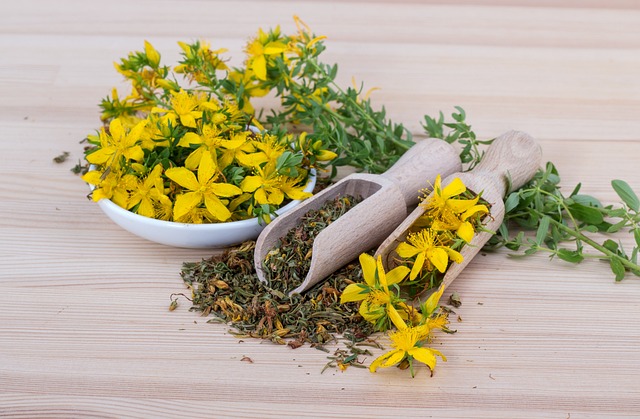
St. John’s Wort (Hypericum perforatum) is a flowering plant easily recognized by its bright yellow flowers and dotted leaves. Originally from Europe, it’s now found worldwide and used in alternative medicine for its potential health benefits. The plant contains active ingredients called hypericin and hyperforin, believed to be key to its medicinal properties.
Ancient Origins
St. John’s Wort boasts a rich history dating back to ancient Greece and Rome, where it was used to treat wounds, burns, and even nervous disorders. Interestingly, its peak flowering season coincides with the feast day of St. John the Baptist, leading to its common name. Early Christians even had rituals involving the plant.
Traditional Uses
For centuries, St. John’s Wort has played a significant role in traditional medicine. Herbalists used it to ease symptoms of anxiety, depression, and sleep problems. The herb was often prepared as a tea or infused oil, and topical application was believed to promote wound healing and relieve nerve pain.
St. John’s Wort: Nature’s Healing Chemistry
t. John’s Wort (SJW) is a treasure trove of natural chemicals with potential health benefits. Here’s a breakdown of some key players:
- Naphthodianthrones: These fancy molecules, including hypericin, are responsible for the reddish hue of SJW oils. Hypericin, in particular, has been a major focus of research into SJW’s medicinal effects.
- Phloroglucinols: This chemical group includes hyperforin, another well-studied component believed to contribute to SJW’s therapeutic value.
- Flavonoids: This diverse group boasts various subgroups like flavonols, flavones, glycosides, and biflavones. They contribute to the overall chemical makeup of SJW and may play a role in its health benefits.
- Lipophilic Compounds: These “fat-loving” molecules include hyperforin (yes, it belongs to both phloroglucinols and lipophilic compounds!), adhyperforin, and essential oils. These essential oils contain mono- and sesquiterpenes, which may further enhance SJW’s therapeutic properties.
Beyond the Main Players:
- Studies have identified additional components in SJW, including:
- Terpenoids: These fragrant molecules include α-pinene, β-pinene, and germacrene D.
- Sesquiterpenes: This group boasts trans-β-caryophyllene, β-caryophyllene, and caryophyllene oxide.
- Alcohols: 1-tetradecanol and spathulenol are also present.
- Alkanes: 2-methyloctane rounds out the identified compounds.
St. John’s Wort: Unveiling its Potential Health Benefits
St. John’s Wort (SJW) is a natural remedy with a long history of use. Modern research is exploring its potential benefits for various health conditions. Here’s a closer look:
1. Battling Depression and Mood Disorders:
Feeling down? Mood disorders can be tough. Medications like antidepressants are commonly used, but some people seek natural alternatives. St. John’s Wort has been investigated for its potential to improve mood. A key component, hyperforin, may act similarly to some antidepressants by influencing brain chemicals like serotonin and dopamine. While research results vary, SJW, particularly standardized extracts, could be a tolerable option for managing mild to moderate depression.
2. Fighting Infections:
St. John’s Wort packs a punch against bacteria and viruses! Hyperforin, a key player again, can inhibit the growth of some bacteria, including even drug-resistant strains. Additionally, hyperforin and hypericin work together to fight viruses by affecting their proteins and preventing them from entering cells. This makes SJW a promising candidate for treating bacterial infections and exploring antiviral therapies.
3. Relief from Nerve Pain:
Many people seek natural pain relief options. St. John’s Wort might be one. It’s believed to interact with brain chemicals involved in pain perception, offering potential relief for nerve pain conditions like sciatica or neuropathy.
4. Promoting Wound Healing and Skin Health:
For centuries, people have used St. John’s Wort oil or ointment on wounds and skin conditions. The extract is thought to boost collagen production and cell activity, promoting healing. However, more research is needed to confirm its effectiveness.
5. Potential for Cancer Treatment:
St. John’s Wort components, hyperforin and hypericin, show promise in the fight against cancer. Hyperforin may inhibit tumor growth, while hypericin acts as a natural photosensitizer in photodynamic therapy, a treatment that uses light to damage cancer cells. While these findings are exciting, more research is needed to fully understand their potential and how they work.
6. Reducing Inflammation:
St. John’s Wort may also help with inflammation. Studies suggest it can reduce inflammation in the colon and stomach. Specific components, like quercetin, seem to play a key role. By potentially inhibiting inflammatory chemicals, SJW could be a valuable tool for managing inflammation.
7. Hypericum perforatum and Antiplatelet Potential
St. John’s Wort holds promise as an antiplatelet agent, with compounds like hyperforin showing potential in inhibiting platelet function by reducing intracellular calcium mobilization and activated platelet receptor expression. Further research is needed to fully comprehend its therapeutic implications for thrombotic disorders.
8.Evidence for Other Health Benefits
Managing Symptoms of Menopause: St. John’s Wort exhibits potential in managing symptoms of menopause, offering relief from hot flashes and mood swings. Its active compounds, including hypericin, hyperforin, and flavonoids, contribute to this therapeutic effect.
Reducing Anxiety: Studies suggest that St. John’s Wort may effectively reduce anxiety symptoms, promoting a sense of calmness and relaxation. This anxiolytic effect is attributed to compounds like hyperforin, flavonoids, and naphthodianthrones found in the plant extract.
Alleviating Skin Conditions like Eczema: Evidence supports the use of St. John’s Wort in alleviating skin conditions such as eczema. Its active constituents, including hyperforin, flavonoids, and essential oils, exhibit anti-inflammatory properties that can help reduce skin inflammation and promote healing.
Dosage and Administration Guidelines for St. John’s Wort
St. John’s Wort is a popular herbal supplement with potential benefits for various conditions. Here’s a breakdown of its uses, dosage, and side effects:
Dosage:
It’s crucial to consult a healthcare professional before taking St. John’s Wort to determine the appropriate dosage for your specific needs and avoid potential interactions with other medications.
While a typical dose of 300mg three times daily is recommended for mild to moderate depression, always follow the specific instructions on the supplement packaging or as advised by your healthcare professional. Doses can vary depending on the condition being treated.
Administration Methods:
St. John’s Wort comes in various forms:
- Capsules
- Tablets
- Liquid extracts
- Teas
Choose a reputable brand and carefully follow the provided dosage and usage instructions. The best method depends on personal preference and availability.
Duration of Use:
The duration of use can vary depending on the individual and condition. Some may experience improvement within weeks, while others may need to take it for several months. Consult with a healthcare professional to determine the appropriate duration for your situation.
Side Effects:
St. John’s Wort is generally well-tolerated, but it can cause mild, temporary side effects such as:
- Upset stomach
- Dizziness
- Dry mouth
- Fatigue
Important Considerations:
- St. John’s Wort can interact with many medications. Disclose all medications you take to your healthcare professional before starting St. John’s Wort.
- High doses may increase sun sensitivity. Use caution with sun exposure and consider protective measures like sunscreen and hats.
- Pregnant and breastfeeding women should avoid St. John’s Wort.
| Common FAQ about St. John’s Wort 1. What is the recommended dosage of St. John’s Wort? It is recommended to follow the dosage instructions provided by the manufacturer or consult with a healthcare professional. In general, the typical dosage for St. John’s Wort extract is around 300 to 900 milligrams per day, divided into multiple doses. However, individual needs may vary, and it is important to start with a lower dosage and gradually increase if needed. 2. Are there any potential drug interactions? Yes, St. John’s Wort can interact with certain medications. It may decrease the effectiveness of certain prescription drugs, such as antidepressants, birth control pills, blood thinners, and immunosuppressant medications. It is crucial to inform your healthcare provider about any medications you are taking before starting St. John’s Wort to avoid potential interactions. 3. Can St. John’s Wort be used during pregnancy or breastfeeding? It is generally not recommended to use St. John’s Wort during pregnancy or breastfeeding, as its safety and effects on the developing fetus or infant have not been sufficiently studied. It is important to consult with a healthcare professional before using any herbal supplements during these periods. 4. Is St. John’s Wort safe for children? St. John’s Wort is not typically recommended for use in children without the guidance of a healthcare professional. Safety and appropriate dosage for children may vary depending on their age, weight, and specific health conditions. It is important to consult with a healthcare provider before giving St. John’s Wort to children. |