



Phosphorus Essentials: Unveiling Nutrient Power
Dietary phosphorus assumes a pivotal role as an indispensable mineral, integral to the maintenance of overall health and well-being. Functioning as a fundamental component of bones and teeth, it contributes to their structural support and strength. Beyond its involvement in skeletal health, phosphorus actively participates in diverse physiological processes, including energy production, cellular function, and nerve communication. This exposition endeavors to elucidate the health benefits of phosphorus, delineate phosphorus-rich foods and their nutritional significance, scrutinize the hazards associated with inadequate phosphorus intake, and proffer strategies for sustaining a judicious phosphorus intake conducive to optimal health.
The Role of Phosphorus in the Body
Phosphorus, though clad in a seemingly intricate term, assumes a pivotal role within our physiological milieu. This mineral orchestrates an array of essential functions, encompassing the fortification of bone health, facilitation of energy production, and support for nerve function and communication. In essence, phosphorus operates as an unsung hero, quietly ensuring the seamless operation of bodily functions.
Understanding Dietary Phosphorus
Dietary phosphorus refers to the phosphorus derived from the foods we consume. Notably present in an array of natural foods, especially those rich in proteins such as meat, fish, dairy products, and legumes, phosphorus becomes an integral component of a balanced diet. Thus, adherence to a well-rounded dietary regimen ensures a commensurate phosphorus intake, often unnoticed yet vital for bodily sustenance.
Health Benefits of Phosphorus
Supporting Bone Health and Strength
In the realm of bone health, phosphorus emerges as a co-protagonist alongside calcium. Collaboratively, they contribute to the formation of hydroxyapatite, a mineral complex conferring structural robustness to bones and teeth. Hence, while calcium typically enjoys the limelight, the importance of phosphorus should not be underestimated.
Facilitating Energy Production
Fatigue and lethargy find a potential adversary in phosphorus, given its involvement in the production and storage of adenosine triphosphate (ATP), the primary cellular energy source. Ensuring an ample phosphorus intake becomes imperative for sustaining optimal bodily functions and vitality.
Aiding in Nerve Function and Communication
Beyond bone health and energy production, phosphorus assumes a pivotal role in the nervous system, facilitating the transmission of electrical impulses along nerves. This function underpins effective communication between the brain and the rest of the body, a testament to phosphorus’s multifaceted contribution to bodily harmony.
Vitamin D and Phosphorus Absorption
Vitamin D and phosphorus collaborate closely in the body, orchestrating the absorption of phosphorus. Adequate levels of vitamin D are pivotal for optimizing this process, ensuring efficient absorption of phosphorus from the intestines into the bloodstream. This partnership is vital for supporting various physiological functions, with a particular emphasis on maintaining bone health. Conversely, insufficient vitamin D levels can hinder phosphorus absorption, potentially compromising bone mineralization and overall health. Thus, maintaining a balance between vitamin D and phosphorus is imperative for optimal bone health and mineral metabolism.
Phosphorus-Rich Foods
Animal-Based Sources of Phosphorus
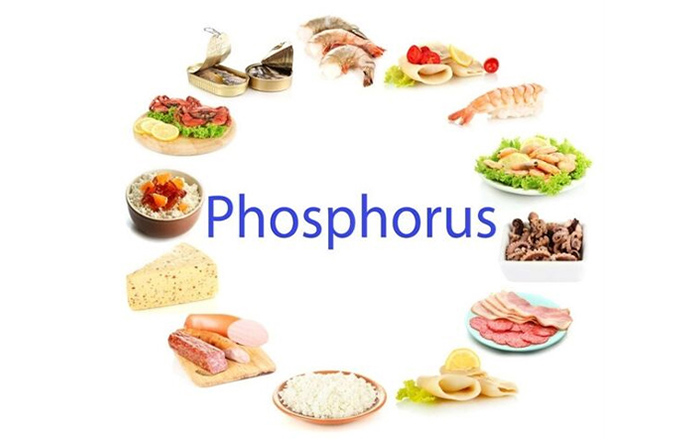
Enthusiasts of animal products benefit from a plethora of phosphorus-rich options, including beef, poultry, fish, eggs, and dairy products. Thus, the consumption of these sources not only provides culinary satisfaction but also delivers a commendable phosphorus dosage.
Plant-Based Sources of Phosphorus
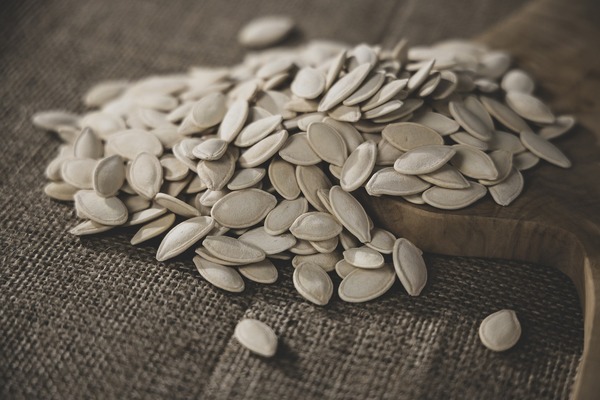
For those following plant-centric diets, a plethora of phosphorus-rich alternatives abound. Seeds like pumpkin, sunflower, and sesame offer ample amounts of this essential mineral. Whole grains such as quinoa, brown rice, and oats provide additional sources of phosphorus, alongside nuts like almonds, walnuts, and peanuts. Legumes like lentils, chickpeas, and black beans are also notable contributors to phosphorus intake. Even certain vegetables, including broccoli, Brussels sprouts, and potatoes, pack a punch of phosphorus. This diverse array of options ensures that both meat enthusiasts and plant devotees have plenty of choices for incorporating phosphorus into their diets, supporting their nutritional needs and preferences.
Other Food Sources with Significant Phosphorus Content
Noteworthy also is the presence of phosphorus in unexpected food items, including carbonated beverages, processed meats, and canned fish. While reliance on these processed options is discouraged, acknowledging their phosphorus contribution underscores the nuanced nature of dietary phosphorus intake.
The Role of Phosphorus in Supporting Overall Health
Phosphorus and Cellular Function
Extending beyond bone health and energy production, phosphorus actively participates in numerous cellular functions, including DNA and RNA synthesis, cell division, and maintenance of cell membrane integrity. Thus, ensuring adequate phosphorus intake becomes synonymous with supporting the foundational elements of life.
Phosphorus and Metabolism
Functioning as a metabolic linchpin, phosphorus is intricately involved in the breakdown and utilization of carbohydrates, proteins, and fats. The efficiency of these metabolic processes hinges on an adequate phosphorus supply, without which metabolic functions would be compromised.
Phosphorus and Kidney Health
While undeniably beneficial, an excess of phosphorus can pose challenges, especially for individuals with kidney issues. The kidneys, integral to phosphorus level regulation in the blood, may falter in this role, leading to imbalances. Thus, individuals with kidney disease must exercise vigilance, monitoring and managing phosphorus intake under the guidance of healthcare professionals.
In essence, phosphorus transcends its reputation as a mere mineral, assuming the role of a vital component underpinning overall health and well-being. Thus, the advocacy for a balanced diet, replete with phosphorus-rich foods, allows this unsung hero to exert its multifaceted influence on bodily functions.
Inadequate Phosphorus Intake: Health Risks
Effects of Low Phosphorus Levels on Bone Health
While calcium garners acclaim as the primary bone-supporting nutrient, phosphorus complements its role. Inadequate phosphorus intake can precipitate bone health issues, manifesting as weakened and brittle bones. Therefore, attention to phosphorus levels is imperative for maintaining an integral skeletal system.
Impact on Energy Levels and Fatigue
The nexus between phosphorus and energy levels is manifest in cases of low phosphorus levels inducing fatigue and lethargy. Engaged in energy production and metabolism, phosphorus is indispensable for ATP synthesis. Consequently, maintaining an optimal phosphorus intake becomes instrumental in staving off fatigue and fostering sustained vitality.
Neurological and Cognitive Implications
Cognizant of its role in optimal brain function, phosphorus deficiency may yield neurological and cognitive implications. Memory, concentration, and cognitive processes may suffer in the face of inadequate phosphorus levels, emphasizing the broader implications of phosphorus insufficiency on mental acuity.
Recommended Dietary Intake of Phosphorus
Daily Phosphorus Requirements for Different Age Groups
Tailoring phosphorus requirements according to age underscores the dynamic nature of these needs. Children and teenagers, experiencing phases of growth and development, necessitate higher phosphorus intake compared to adults. The recommended daily intake, ranging from 700 to 1,250 milligrams for adults, underscores the importance of individualized considerations.
Factors Influencing Phosphorus Needs
Beyond age, diverse factors impact phosphorus needs. Pregnant or breastfeeding individuals may require additional phosphorus to support fetal growth and development. Concurrently, certain medical conditions, such as kidney disease, may necessitate altered phosphorus intake. Collaboration with healthcare professionals ensures a nuanced understanding of these factors, enabling tailored phosphorus intake recommendations.
Strategies to Maintain a Balanced Phosphorus Intake
Creating a Well-Balanced Diet
Initiating the pursuit of balanced phosphorus intake involves crafting a well-rounded diet. Diverse phosphorus-rich foods, including dairy products, seafood, nuts, and legumes, contribute to a comprehensive nutritional profile. Augmenting this with fruits, vegetables, and whole grains further ensures a holistic approach to nutrient consumption.
Considering Phosphorus Content in Food Choices
In a marketplace inundated with choices, the conscious consideration of phosphorus content becomes pivotal. Scrutinizing food labels and selecting products rich in phosphorus, such as dairy, meat, poultry, fish, and whole grains, facilitates the maintenance of a judicious phosphorus intake. The caveat, however, lies in exercising moderation to prevent overconsumption of high-phosphorus foods.
Monitoring Phosphorus Levels in Specific Health Conditions
Certain health conditions, particularly kidney disease or hormonal imbalances, mandate vigilant monitoring of phosphorus levels. Collaborating with healthcare professionals or registered dietitians enables the formulation of personalized plans, encompassing considerations of portion sizes, food choices, and supplementation. This personalized approach ensures the effective management of phosphorus balance within the diet.
Importance of Phosphorus in a Healthy Diet
Dietary phosphorus, far from a peripheral consideration, emerges as a quintessential nutrient within a healthy diet. Its contributions to bone health, energy production, and diverse physiological functions underscore its significance. Incorporating phosphorus-rich foods into dietary habits, coupled with an awareness of phosphorus intake, becomes pivotal in ensuring an adequate supply of this essential mineral. Balancing this intake becomes crucial, as both insufficient and excessive phosphorus consumption may yield adverse health implications. Armed with an understanding of phosphorus’s role and armed with informed food choices, individuals can actively promote optimal health and well-being.
Potential Side Effects of High Phosphorus Intake
A 2023 study published in Nutrients shed light on the significant impact of excessive phosphorus intake, exceeding 1,800 mg phosphate, on breast cancer risk compared to recommended levels for treating chronic kidney disease (CKD). Surprisingly, this heightened intake level falls within the range endorsed by the USDA. Increasing public awareness of dietary phosphorus levels is crucial amidst the global rise in breast cancer cases. While meeting criteria for inferring causality in observational studies, further research with larger cohorts is necessary to validate these findings. Exploring the potential benefits of low-phosphate diets in managing breast cancer risk and outcomes could offer invaluable insights for future dietary recommendations and preventive strategies.
| FAQ How much phosphorus do I need in my diet? The recommended dietary intake of phosphorus varies based on age, gender, and individual health conditions. Generally, adults require approximately 700 to 1,250 milligrams of phosphorus per day. Consulting with healthcare professionals or registered dietitians offers personalized insights into specific phosphorus needs. What are some good sources of dietary phosphorus? Diverse foods serve as rich sources of dietary phosphorus. Animal-based options include dairy products, lean meats, poultry, and fish. Plant-based alternatives encompass legumes, whole grains, nuts, seeds, and certain vegetables. Additionally, beverages like milk and fortified plant-based alternatives contribute significantly to phosphorus intake. Can I consume too much phosphorus? While phosphorus is indispensable for health, excessive intake, particularly through supplements or highly processed foods, may yield adverse effects. Overconsumption without adequate calcium intake can lead to mineral imbalances, affecting bone health. Individuals with kidney disease or specific health conditions should exercise caution and consult healthcare providers regarding phosphorus intake. Are there any symptoms of phosphorus deficiency? Symptoms of phosphorus deficiency, while nonspecific, may include weakened bones, loss of appetite, fatigue, and irregular breathing. It is crucial to note that these symptoms may also arise from various health conditions. Suspected phosphorus deficiency warrants consultation with healthcare professionals for accurate diagnosis and guidance. |