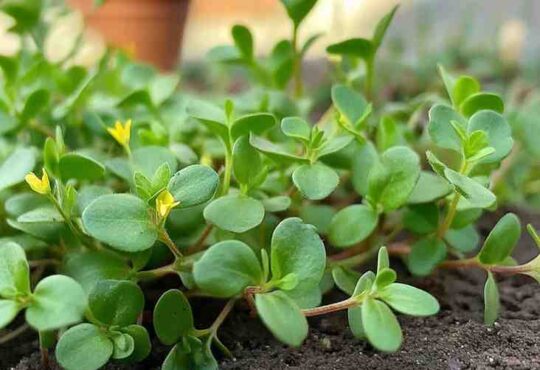


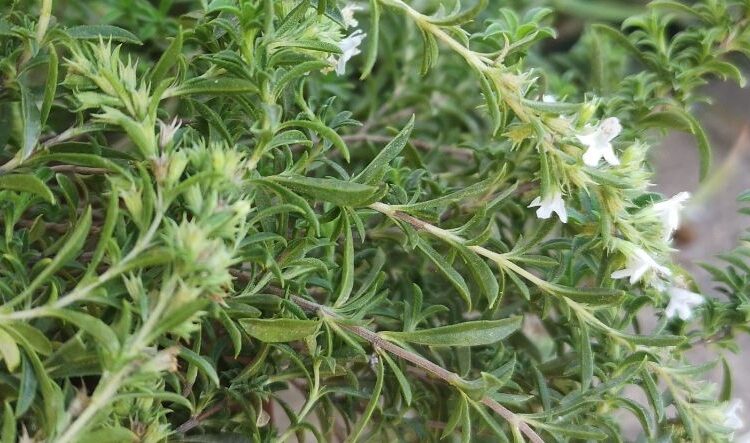
Thymus vulgaris: Thyme, Tomillo, Thym commun, Timo comune, Echter Thymian, Tomilho, Echte tijm, Тимьян обыкновенный, 百里香, タイム, Echte tijm, Tomilho, Timian, Timjami, Timjami, Kekik, arabic زعتر Zaâtar , Moroccan arabic زعيترة ( Zâitra)
Thyme: A Fragrant Herb with Timeless Appeal
Unassuming yet profoundly potent, thyme (Thymus vulgaris) holds a singular position in both culinary and medicinal domains. This diminutive yet robust herb carries a storied legacy spanning millennia, adorning tables and herbal remedies worldwide. With its unmistakable aroma and taste, thyme remains a versatile addition that enhances a plethora of dishes. However, thyme’s impact transcends mere culinary applications.
- Culinary Delight: Belonging to the mint family, thyme offers a distinct fragrance and flavor that enhances a variety of dishes. Its presence is a common thread in Mediterranean cuisine, gracing meats, vegetables, soups, and stews.
- Aromatic Essence: This low-growing perennial features tiny, gray-green leaves and produces delicate white, pink, or purple flowers. Brushing against its leaves releases a beautiful, calming aroma that fills the air.
Thyme Through the Ages:
Thyme’s journey transcends culinary applications. Here’s a glimpse into its historical significance:
- Ancient Reverence: Clay tablets from Mesopotamia reveal thyme’s presence in King Merodach-Baladan II’s garden (722-710 BC).
- Egyptian Uses: Egyptians valued thyme’s antiseptic properties, incorporating it into embalming practices and using it as an offering to deities.
- Greek Symbolism: The Greeks associated thyme with strength, using it in invigorating baths to stimulate both body and mind.
- Roman Delights: Romans embraced thyme’s ability to enhance cheeses and wines, while also associating it with courage and good fortune.
- Medieval Significance: In Medieval Europe, thyme transcended its practical uses. Knights wore it as a talisman, imbuing it with symbolic meaning of courage and admiration.
Thyme Key Chemical Component: Thymol
Thyme’s distinct aroma and potent medicinal properties can be attributed to a group of aromatic compounds called essential oils. Among these, thymol reigns supreme, particularly recognized for its antifungal properties. This explains why thyme extracts are often incorporated into commercial oral care products, helping to combat fungal growth in the mouth. Thymol is a potent phenol, a class of organic compounds known for their diverse health benefits.
A Multifaceted Powerhouse
Thymol is just one piece of the puzzle. Thyme boasts a rich tapestry of other active ingredients, each contributing to its overall health benefits:
- Carvacrol: This essential oil, another phenol like thymol, contributes significantly to thyme’s antibacterial properties.
- Cineole: This compound, also known as eucalyptol, offers additional health benefits such as promoting respiratory function. Research is ongoing to explore its full potential.
- Flavonoids, tannins, and phenolic acids: These powerhouses contribute to thyme’s antioxidant and anti-inflammatory properties. They act as scavengers, neutralizing free radicals that can damage cells, and reducing inflammation within the body.
Beyond the Main Stage
In addition to these key players, thyme contains a fascinating array of other bioactive compounds:
- Alcohols: These contribute to the overall fragrance and potentially offer additional health benefits. Examples include trans-geraniol, nerol, and linalool.
- Aldehydes: Citral is an example of an aldehyde found in thyme, potentially contributing to its antimicrobial properties.
- Ketones: 3-octanone and camphor are ketones present in thyme, which may influence its aroma and potentially offer some medicinal benefits.
- Esters: Geranyl acetate is an example of an ester found in thyme, contributing to its pleasant aroma.
- Terpenes: This is a large and diverse class of compounds found in thyme. Some notable terpenes include various forms of cymene, γ-terpinene, α-terpinene, and α-pinene. These terpenes contribute to the aroma and potentially offer various health benefits.
- Sesquiterpenes: β-caryophyllene is an example of a sesquiterpene found in thyme, which may have anti-inflammatory properties.
Minerals & Vitamins
Minerals:
- Iron: Important for red blood cell formation and oxygen transport.
- Manganese: Plays a role in enzyme function, metabolism, and antioxidant defense.
- Potassium: Supports healthy blood pressure regulation and nerve function.
- Calcium: Essential for strong bones and teeth, muscle function, and nerve signaling.
- Selenium: Protects cells from damage and supports thyroid function.
- Magnesium: Involved in over 300 biochemical reactions in the body, including energy production, muscle function, and nerve transmission.
Vitamins:
- Vitamin K: Important for blood clotting and bone health.
- Vitamin C: Boosts immune system function and acts as an antioxidant.
- B-complex vitamins (including B6): Support various bodily functions, including energy metabolism, nervous system function, and red blood cell formation.
Thyme: Tiny Herb, Big Health Benefits
Thyme isn’t just a flavorful herb; it’s a natural wellness warrior packed with beneficial compounds like thymol, carvacrol, and various antioxidants. Let’s explore how these components contribute to thyme’s impressive health benefits:
1. Combating Infections: A Multi-Pronged Approach
- Antimicrobial and Antifungal Properties: The star player here is thymol, a potent phenol that disrupts the cell membranes of bacteria and fungi. This makes thyme a valuable natural remedy for fighting infections, including those of the respiratory and urinary tracts.
- Carvacrol, another key phenolic compound, works synergistically with thymol, further enhancing thyme’s antimicrobial efficacy.
2. Taming Inflammation: Pathway to Relief
- Anti-inflammatory Effects: Thyme harbors various flavonoids and other bioactive compounds that can modulate inflammatory pathways. These compounds may help reduce inflammation throughout the body, potentially alleviating discomfort associated with chronic conditions like arthritis and cardiovascular disease.
3. Neutralizing Free Radicals: The Antioxidant Advantage
- Antioxidant Activity: Thyme boasts a rich tapestry of antioxidants, including flavonoids and phenolic acids. These antioxidants act as scavengers, neutralizing harmful free radicals that can damage cells and contribute to chronic diseases like cancer and heart disease. By incorporating thyme into your diet, you’re providing your body with a natural defense against oxidative stress.
4. Digestive Harmony: Aiding the Gut
- Digestive Health Support: Thyme’s carminative properties, likely due to its essential oil components, can help relieve bloating, gas, and indigestion. Enjoying a cup of thyme tea or incorporating thyme into meals may promote smoother digestion and better nutrient absorption.
5. Easing Respiratory Distress: Clearing the Path
- Respiratory Health Benefits: Thyme’s expectorant properties, possibly due to the action of thymol, help loosen mucus and alleviate coughs. Additionally, thyme may soothe irritated airways, promoting clearer breathing. Thyme-infused teas or steam treatments can be beneficial for respiratory issues.
6. Boosting the Body’s Defenses: A Potential Ally
- Potential Immune-Boosting Properties: The combined effects of thyme’s antimicrobial and antioxidant properties may contribute to its potential for supporting a healthy immune system. Regularly including thyme in your diet or using thyme-infused products might help strengthen your body’s natural defenses against infections.
7. Thyme Essential Oil: Nature’s Skin Savior
Beyond culinary and traditional uses, thyme essential oil offers a wealth of benefits for skin health:
- Antibacterial Powerhouse: Thyme essential oil, rich in thymol, acts as a natural disinfectant, making it ideal for cleansing acne-prone skin.
- Enhanced Circulation: Thyme may improve blood flow to the skin, promoting a radiant and youthful appearance.
- Wound Healing and Scar Reduction: Thyme essential oil’s potential for promoting healing may help reduce the appearance of blemishes and scars.
- Soothing Relief for Sensitive Skin: Thyme’s anti-inflammatory properties can be beneficial for conditions like rosacea and irritation, promoting overall skin health and comfort.
Thyme Realm: Exploring Species & Varieties
Thyme isn’t just one herb; it’s a diverse genus (Thymus) boasting around 350 species of aromatic perennial plants and sub-shrubs. Native to Europe, North Africa, and Asia, these miniature marvels typically reach heights of 40 centimeters. But within this genus lies a fascinating tapestry of variations, each with its own unique characteristics and uses.
The Chemotype Factor:
One intriguing aspect of thyme is the concept of chemotypes. Different species within the genus can display variations in their chemical composition, leading to distinct aromas and potentially influencing their medicinal properties.
Introducing Key Species:
Let’s delve into some of the most well-known thyme species and cultivars:
- Thymus vulgaris (Common Thyme or Garden Thyme): This culinary workhorse thrives in sunny, well-drained soils and boasts a pungent, minty fragrance with a hint of lemon. Its compact shrubby form and woody roots make it a familiar sight in herb gardens.
- Thymus herba-barona (Caraway Thyme): A multi-talented species, caraway thyme serves as both a culinary herb and a ground cover. Its robust caraway scent arises from the presence of carvone, a key essential oil component.
- Thymus × citriodorus (Citrus Thyme): A delightful hybrid of T. pulegioides and T. vulgaris, citrus thyme is a favorite among chefs. Its cultivars, like lemon thyme, offer a delightful zest of various citrus fruits.
- Thymus pseudolanuginosus (Woolly Thyme): This species isn’t typically used in the kitchen. Its low-growing, fuzzy foliage makes it a valuable ground cover option.
- Thymus serpyllum (Wild Thyme): A beekeeper’s delight, wild thyme carpets vast areas in southern Europe, North Africa, and parts of the Northeastern U.S. This creeping species is renowned for its contribution to fragrant wild thyme honey.
Aromatic Delights: Exploring Thyme Varieties:
Beyond these species, a world of thyme varieties beckons:
- Lemon Thyme: A fragrant sub-variety of wild thyme, it’s known for its pronounced lemon aroma, making it a perfect complement to fish and poultry dishes.
- Variegated Lemon Thyme: This variety adds a touch of elegance with its bi-colored leaves, offering both visual appeal and delightful lemon notes.
- Orange Thyme: A low-growing ground cover, orange thyme enchants with its citrusy scent, adding a unique touch to landscaping projects.
- Silver Thyme: This captivating cultivar features white/cream variegated foliage, adding a touch of whimsy to gardens.
- English Thyme: A broad-leafed sub-variety of garden thyme, it’s often considered the most common cultivar for culinary applications.
- Summer Thyme: This variety lives up to its name, boasting an unusually strong flavor that makes a bold statement in culinary creations.
Thyme as a Flavorful Herb in Cooking
Thyme is not just your ordinary herb; it’s a flavor powerhouse that can enhance the taste of various dishes. Whether you’re preparing a hearty stew or a light salad, adding a sprinkle or two of thyme can take your culinary creations to the next level. Its aromatic and slightly minty flavor adds depth and complexity, making it a favorite among chefs and home cooks alike.
Thyme in Meat and Poultry Dishes
Thyme, a fantastic herb for meat and poultry, adds an aromatic and floral dimension. From roasts to roasted chicken, thyme enhances natural flavors, creating mouthwatering dishes. Its versatility makes it a must-have in any meat lover’s kitchen.
Enhancing Soups and Stews with Thyme
In soups and stews, thyme’s earthy and slightly minty flavor adds depth. Incorporate it early for optimal infusion. Whether in chicken noodle soup or beef stew, thyme elevates flavors like potatoes, carrots, and beans, creating deliciousness with a small amount.
Incorporating Thyme in Vegetarian and Vegan Recipes
Beyond meat, thyme enhances vegetarian and vegan dishes. Sprinkle fresh thyme in a vegetable stir-fry or infuse oils for vibrant dressings. In vegan soups or drizzled over roasted vegetables, thyme’s earthy undertones are a valuable addition.
Thyme in Baking and Desserts
Though unconventional, thyme adds a unique twist to desserts. Finely chopped thyme in shortbread or infused into lemon curd creates unexpected tastes. Its subtle floral and citrusy notes enhance baked goods and fruit-based desserts.
Thyme in Sauces, Marinades, and Dressings
Thyme’s versatility shines in sauces, marinades, and dressings. From pasta sauce to marinades for chicken or lamb, thyme contributes savory and aromatic notes. Combined with olive oil, garlic, and spices, thyme transforms dishes, turning the ordinary into culinary delights.
Thyme as a Natural Preservative
Did you know that thyme can help preserve food naturally? Because of its antimicrobial properties, thyme has been used as a natural preservative for centuries. The Egyptians even used it during mummification to prevent bacterial growth. Today, thyme extracts are often included in natural food preservatives, helping to extend the shelf life of perishable products. In Morocco, thyme is known for its preservative effect on Smen, a salted butter that’s a renowned ingredient in Moroccan cuisine.
Side Effects and Cautions
While thyme offers many culinary and potential health benefits, it’s important to be aware of potential side effects, especially for those considering high doses or using it for specific health conditions. Here’s a breakdown of some key points to consider:
- Respiratory:
- Thymol, a primary component of thyme, may worsen asthma symptoms and irritate airways in some individuals.
- Skin:
- Occupational exposure to concentrated thyme dust can cause contact dermatitis.
- Digestive:
- In rare cases, high intake of thyme may lead to stomach upset.
- Blood-thinning:
- Thyme has natural blood-thinning properties. If you take blood-thinning medications, consult your healthcare provider before using thyme supplements.
- Pregnancy and Breastfeeding:
- Due to insufficient data, it’s best to avoid high doses of thyme during pregnancy and breastfeeding.
- Other Potential Concerns:
- Studies suggest high doses might cause muscle weakness and liver or kidney issues (animal studies only, more research needed).
- Thyme may interact with certain medications. Always consult your doctor before using thyme supplements alongside medications.
General Caution:
- While thyme is generally safe in culinary amounts, if you have any underlying health conditions or concerns, it’s always best to consult your doctor before using thyme supplements in high doses.