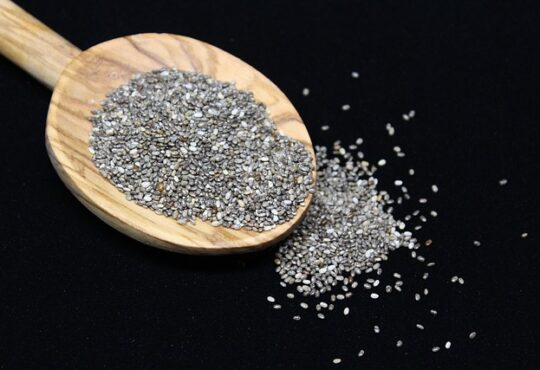



Flax seeds, belonging to the Linaceae family and scientifically known as Linum usitatissimum, are nutritional powerhouses. Packed with omega-3 fatty acids, fiber, lignans, and other beneficial compounds, they offer a multitude of health advantages that reach far beyond the digestive system. Let’s delve into the science behind these tiny seeds and discover how incorporating them into your diet can unlock a healthier, happier you.
Heart Health with Flax Seeds
Flax seeds are a rich source of omega-3 fatty acids, particularly alpha-linolenic acid (ALA). When consumed, ALA is metabolized in the body into other beneficial omega-3 fatty acids, such as eicosapentaenoic acid (EPA) and docosahexaenoic acid (DHA). These omega-3 fatty acids play crucial roles in the body’s inflammatory response, blood pressure regulation, and cholesterol metabolism. Specifically, they help to reduce the production of inflammatory molecules, dilate blood vessels, and improve lipid profiles by lowering LDL (“bad”) cholesterol levels and raising HDL (“good”) cholesterol levels. By modulating these key processes, omega-3 fatty acids from flax seeds contribute to overall heart health and well-being.
- Reduced inflammation: Studies show that flax seeds’ omega-3s decrease inflammation markers linked to heart disease.
- Lower blood pressure: Research suggests regular flaxseed intake can lower systolic blood pressure by up to 2 mmHg.
- Improved cholesterol levels: Flax seeds may help reduce LDL (“bad”) cholesterol and increase HDL (“good”) cholesterol.
Optimizing Digestion with Flax
Flax seeds are brimming with soluble and insoluble fiber, essential for digestive health. Within these tiny seeds lies a powerhouse of alpha-linolenic acid (ALA), a type of omega-3 fatty acid. ALA’s journey in the body leads to the production of EPA and DHA, renowned for their anti-inflammatory properties, crucial for soothing digestive inflammation and promoting gut health. Scientific studies have validated flax seeds’ efficacy in enhancing regularity, acting as prebiotics to nurture a healthy gut microbiome, and reducing inflammation in conditions like inflammatory bowel diseases.
- Enhanced regularity: The high fiber content of flax seeds promotes regularity and aids healthy digestion.
- Gut health: Flax seeds act as prebiotics, feeding gut bacteria and promoting a healthy gut microbiome.
- Reduced inflammation: Similar to their heart benefits, flax seeds’ anti-inflammatory properties can benefit those with inflammatory bowel diseases.
Boosting Brain Function
Eicosapentaenoic acid (EPA) and docosahexaenoic acid (DHA) are essential omega-3 fatty acids found in flax seeds. In the brain, EPA and DHA play critical roles in maintaining cell membrane structure and fluidity, which is crucial for neurotransmitter release and signal transmission between nerve cells. Additionally, EPA and DHA serve as precursors for specialized pro-resolving lipid mediators, which help resolve inflammation and support brain health. Furthermore, these omega-3 fatty acids have been shown to increase the expression of brain-derived neurotrophic factor (BDNF), a protein involved in the growth and maintenance of neurons, thereby promoting neuroplasticity and cognitive function.
- Improved cognitive function: Studies link omega-3s in flax seeds to better memory, learning, and focus.
- Neuroprotection: The antioxidant content of flax seeds may protect brain cells from damage associated with aging and neurodegenerative diseases.
- Mood regulation: Some research suggests flax seeds may help improve mood and reduce symptoms of depression due to their omega-3 content.
Enhancing Skin Health
Flax seeds, rich in alpha-linolenic acid (ALA), play a vital role in skin health by regulating sebum production and stimulating collagen synthesis. ALA, a precursor to omega-3 fatty acids like EPA and DHA, influences lipid metabolism in the skin’s sebaceous glands, ensuring balanced sebum levels and preventing acne. Moreover, the lignans found in flax seeds act as phytoestrogens, promoting collagen production and improving skin firmness and elasticity. Together, these components make flax seeds an essential addition to any skincare routine, offering comprehensive support for vibrant and healthy skin.
- Reduced inflammation: Flax seeds’ anti-inflammatory properties can benefit those with inflammatory skin conditions like acne and eczema.
- Hydration and radiance: Flax seeds are a good source of omega-3s and lignans, which promote skin hydration and a healthy glow.
- Reduced signs of aging: Antioxidants in flax seeds may help combat free radical damage, potentially slowing down visible signs of aging.
Joint Support
EPA and DHA are crucial for joint health as they inhibit the production of inflammatory molecules like prostaglandins and leukotrienes. Additionally, they promote the synthesis of specialized pro-resolving lipid mediators called resolvins, aiding in inflammation resolution and joint healing. Moreover, these omega-3 fatty acids enhance joint lubrication, easing stiffness and improving mobility. Studies support their efficacy in conditions like osteoarthritis and rheumatoid arthritis, making flax seeds a valuable addition to joint health regimens.
- Reduced inflammation: Similar to their benefits for heart and skin, flax seeds’ anti-inflammatory properties can help alleviate joint pain and stiffness associated with arthritis.
- Improved mobility: Flax seeds may lubricate joints and improve flexibility, aiding in pain management and better mobility.
Weight Management

Flax seeds aid weight loss by promoting feelings of fullness due to their high fiber content, while their omega-3 fatty acids support metabolism and fat burning. Additionally, the protein in flax seeds helps maintain muscle mass, crucial for a healthy metabolism. Adding flax seeds to your diet can be a simple yet effective way to support weight loss efforts.
- Increased satiety: The fiber in flax seeds keeps you feeling fuller for longer, reducing calorie intake and aiding weight management.
- Boosted metabolism: Studies suggest flax seeds may slightly increase metabolism, helping burn more calories at rest.
- Blood sugar balance: Flax seeds may help regulate blood sugar levels, reducing cravings and aiding weight management efforts.
Mood Balance with Flax
EPA (eicosapentaenoic acid) and DHA (docosahexaenoic acid) play a crucial role in regulating neurotransmitters like serotonin and dopamine—key players in emotional balance and mood stability. Additionally, omega-3s possess anti-inflammatory properties that can aid in reducing systemic inflammation linked to mood disorders such as depression and anxiety. Furthermore, their neuroprotective effects contribute to overall brain health, ensuring optimal functioning of brain regions involved in mood regulation.
- Omega-3s and mental wellbeing: Flax seeds’ omega-3s may play a role in reducing symptoms of depression and anxiety, promoting better mood.
- Neurotransmitter regulation: Flax seeds might help regulate neurotransmitters like serotonin and dopamine, contributing to emotional balance and mood stability.
Flax seeds are a versatile and affordable superfood with a wide range of scientifically supported health benefits. By incorporating them into your diet, you can support your heart, digestion, brain, skin, joints, weight management, blood sugar control, and even mood. So, sprinkle them on salads, blend them into smoothies, or bake them into treats – the possibilities are endless! Remember to consult your doctor before making significant dietary changes, especially if you have pre-existing health conditions.
Optimizing Flax Seed Usage
1. Storing for Freshness: For optimum freshness, store your flax seeds in an airtight container in a cool, dark pantry. Whole seeds can last up to a year at room temperature. However, ground seeds are more susceptible to oxidation and should be kept in the fridge or freezer to maintain their freshness and nutritional value.
2. Better Use for Fresh Ground Seed: Grinding flax seeds fresh daily enhances their flavor, nutritional content, and overall quality. This approach ensures that the natural oils within the seeds remain intact and free from oxidation, which can lead to rancidity. Utilize a dedicated coffee grinder for convenience and freshness.
3. Cooking Tips: Incorporate flax seeds into your cooking and baking for added nutrition and flavor. Add ground seeds to baked goods, sprinkle them on salads or yogurt, or use flaxseed meal as an egg substitute in vegan recipes. Flax seeds are versatile and can elevate the taste and nutritional value of various dishes.
Note on Flaxseed Consumption:
- Consumption: Grind flaxseeds before consuming to maximize absorption. They can be added to smoothies, yogurt, oatmeal, baked goods, or sprinkled on salads.
- Side effects: Start with small amounts and gradually increase intake to avoid digestive discomfort. Consult a doctor if you experience any adverse effects.
- Weight loss: Flax seeds can be a helpful addition to a weight management plan, but combine them with a healthy diet and exercise for optimal results.
- Daily intake: Aim for 1-2 tablespoons of ground flaxseeds per day. However, consult your doctor for personalized advice.
- Caution is advised for pregnant and lactating women due to conflicting findings on flaxseed’s effects on maternal and offspring health.