

The Aging Skin: Understanding the Changes
As we age, our skin undergoes several changes, including a decline in elasticity. This decline is particularly noticeable for women due to reduced estrogen levels, affecting the dermis (the deeper layer) where collagen and elastin fibers reside. These fibers are crucial for skin resilience and bounce, and their decline leads to the visible signs of aging like wrinkles and sagging.
Aging is Different for Men and Women:
While women experience a more dramatic decline in estrogen, men also experience skin aging. Their skin is generally thicker and has more collagen, leading to a slower decline in elasticity. However, men still face concerns like wrinkles, dryness, and loss of facial definition.
Gut-Skin Connection: Your Roadmap to Radiant Skin
The health of your skin isn’t just about what you put on it, but also about what goes on inside you. Your gut, often referred to as the “second brain,” plays a crucial role in overall well-being, and its condition directly impacts the appearance and health of your skin.
This intricate connection is fueled by the gut microbiome, a community of trillions of microorganisms residing in your digestive system. When balanced, this microbiome contributes to a strong immune system and a healthy inflammatory response. However, imbalances in the gut microbiome can lead to various skin issues, like rosacea and acne. The reason? An imbalanced gut creates an environment where harmful bacteria thrive, triggering inflammation that manifests on your skin.
So, how do you cultivate a healthy gut for glowing skin? The answer lies in a well-rounded approach:
- Nourish your gut: Prioritize a diet rich in fiber, prebiotics, and probiotics found in fruits, vegetables, whole grains, and fermented foods. These “good” bacteria help restore balance in your gut microbiome.
- Limit inflammatory foods: Sugar, processed foods, and excessive alcohol disrupt the gut microbiome and contribute to inflammation. Opt for healthier alternatives to support both gut and skin health.
- Stay hydrated: Adequate water intake is crucial for flushing toxins and promoting healthy digestion, both of which benefit your skin.
Argan Oil: A Multitasking Ally for Gut & Skin
While dietary choices play a key role, incorporating natural allies like Argan oil can further enhance your gut-skin connection.
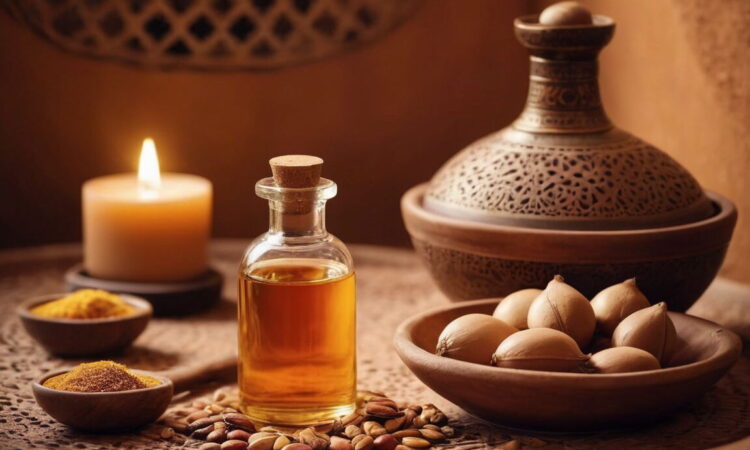
Culinary Argan Oil: This oil, rich in omega-3 fatty acids, antioxidants, and vitamins, contributes to gut health by promoting a diverse gut microbiome and reducing inflammation. Studies suggest it may even benefit conditions like irritable bowel syndrome.
Cosmetic Argan Oil: This version, extracted differently, boasts various skin benefits. Its anti-inflammatory properties help reduce redness and soothe irritated skin. It also hydrates, protects against sun damage, and promotes skin elasticity, contributing to a youthful appearance.
Enhancing Skin Health Further
Argan oil boasts a rich history of use in Morocco for its cosmetic benefits. Now recognized globally, it’s packed with nutrients like unsaturated fatty acids, antioxidants, and vitamins.
Key Benefits for Skin Elasticity:
- Hydration Boost: Argan oil helps restore the skin’s natural moisture barrier, preventing dryness and improving elasticity.
- Antioxidant Power: It fights free radicals that damage skin cells, contributing to wrinkles and sagging.
- Enhanced Collagen Production: Some studies suggest argan oil may stimulate collagen production, further improving skin elasticity.
- Anti-inflammatory Properties: Argan oil may help reduce inflammation, which can contribute to skin aging and loss of elasticity.

Beyond Elasticity: Additional Benefits:
- Reduced Appearance of Stretch Marks: With its moisturizing and regenerative properties, argan oil may help minimize the appearance of stretch marks.
- Balanced Oil Production: Argan oil can help regulate sebum production, benefiting both oily and dry skin types.
- Sun Protection: It may act as a natural sunscreen filter, though relying solely on argan oil for sun protection is not recommended.
Holistic Practices for Inner Radiance
Achieving truly radiant skin goes beyond just gut health and topical treatments. A holistic approach encompassing your overall well-being is essential.
- Stress management: Chronic stress disrupts gut health and triggers inflammation, impacting your skin. Techniques like yoga or meditation can help manage stress and promote inner peace.
- Outdoor activities: Spending time in nature has been shown to improve mood, reduce stress, and even boost the gut microbiome, all contributing to healthier skin.
- Healthy sleep: Adequate sleep is vital for both physical and mental health, and it also plays a role in skin health. Aim for 7-8 hours of quality sleep each night.
Safe and Effective Use of Argan Oil in Skincare
- Opt for cold-pressed, pure, cosmetic-grade argan oil for optimal results.
- Prioritize a patch test before widespread application, especially if you have sensitive skin or nut allergies.
- Begin with a few drops daily, gently massaging into clean, damp skin.
- While generally safe, consult a dermatologist if any irritation occurs.
- Consistency is key; integrating argan oil into your skincare routine can enhance skin health and elasticity over time.
Additional Notes:
- Argan oil may inhibit melanin biosynthesis, but it’s not a skin-lightening agent; avoid creating unrealistic expectations.
- Consider mentioning potential side effects beyond contact dermatitis, such as interactions with medications, for a comprehensive understanding of its use.